

 Vaata sisu
 Jaga teost
 Jaga
Jaga
 Detailid
 Õppekate juhend

 Laadi alla
 Sarnased teosed
 Röntgenuuring
 Slaidietendus
 Statistika
Galatea (?)
 1509
1509 63.0 x 100.0 cm
 Loe lähemalt
Ostke kõrglahutusel ja täiustatud digitaalne pilt, mis on oluliselt parem kui veebilehel näidatud eelvaade.
Iga fail on meie spetsialistide poolt hoolikalt ette valmistatud, kasutades kaasaegseid tööriistu ja professionaalset käsitsi retušeerimist. Tagame, et igal pildil on erakordne selgus, täpne värvitäpsus ja peen detail.
Lõplik fail saadetakse e-posti teel 72 tunni jooksul ning on optimeeritud koheseks kasutamiseks professionaalsetes, toimetuslikes ja trüki keskkondades. See on sama kvaliteet, mida usaldavad tipptasemel disainistuudiod, kirjastused ja galeriid.
Digitaalne pilt
Laadi alla kõrge resolutsiooniga fail isiklikuks vaatamiseks, trükkimiseks ja loomingulisteks projektideks. ( Lülita trükkitoodetele Telli käsitsi maalitud reproduktsioon)
Sisse kuulub iga digitaalse pildi tellimusega
Professionaalne digitaalne kohaletoimetamine, garanteeritud
Valides OriginalUniqueArt.com, ei saa sa lihtsalt pilti – saad professionaalselt parandatud digitaalse teose, mida on valmistatud täpsusega ja mis on toetatud rahuldamatusgarantiiga. Siin on kõik, mis sinu tellimusega automaatselt kaasneb:

Kiire e-posti edastus
Teie kõrge resolutsiooniga digitaalne pildifail saadetakse teile e-posti 72 tunni jooksul pärast tellimist – kohe kasutamiseks valmis.

Tehisintellektiga täiustatud digitaalne fail
Teie teos on professionaalselt optimeeritud arenenud tehisintellekti tööriistade ja käsitsi redigeerimise abil, tagades maksimaalse detailitaseme, selguse ja värvitäpsuse.

Tasuta eluaegne uuesti saatmine
Kas kustutasid faili kogukalu unustamisel või kustutamisel? Puudub mure – saad selle uuesti igal ajal ilma lisatasuta.

Puuduvad importimaksud – alati
Nautige oma teoseid koheselt ilma tolli-, maksude või tarnimaskuludeta – digiletchargused on alati maksuvabadud.

Värvitäpsuse garantii
Me tagame, et teie digitaalne pilt kajastaks originaali värve professionaalsete tööriistade ja värvihalduse abil võimalikult täpselt.

100 päeva rahuldamatuse garantii
Kui te ei ole oma digitaalse pildi eest rahul, siis me parandame seda või tagastame 100% summast 100 päeva jooksul – küsimusteta.

100% raha tagastamise garantii
Ei ole rahul? Saate täielise tagastaja 100 päeva jooksul pärast digitaalse faili kättesaamist – ilma küsimusteta.

Suurema tellimuse soodustused
Osta 3 pilti, säästa 10% - Osta 5, säästa 15% - Osta 10+, säästa 20%. Sobib suurepäraselt loomingulisteks projektideks, galeriideks ja agentuurideks.
Küsimused ja vastused
Kas saan teost "Galatea (?)" lähemalt uurida?
Teose „Galatea (?)“, autor Pinturicchio röntgenvaade on saadaval selle Röntgenkiirgus lehel: see on interaktiivne pildi uurimine läbi üheksateist optilise kihti.
Kust saan osta teose „Galatea (?)“, autor Pinturicchio trükki?
Teose "Galatea (?)" trükised on saadaval vormis kunstiprint puuvillalõikel}}^{\text{canvas}}$ või arhiveeritaval kangaspaberil. Tellimusi saab esitada selle Kõlblik kunstutrüki kvaliteetne trükis lehel, oma soovitud suuruses.
Kuidas leida teoseid, mis on sarnased teosele „Galatea (?)“, autor Pinturicchio?
Teosed, mis sarnanevad teosega „Galatea (?)“, autor Pinturicchio, on koondatud teose lehel Sarnased teosed.
Kunstniku biograafia
Pinturicchio salapärane ilu: renessanssimaster
Bernardino di Betto, kes tuntis maailma kui Pinturicchio – surnim, mida talle anti armsast armastusest tema madala kasvul –, ilmus Umbria kunstisüdamesse Perugia nn 1454. Tema elu laabas läbi tohutu kultuurilise fermenti ajastu, mil üle Itaalia õitles kõrge renessanss, kuid Pinturicalli lõi endale unikaalse tee, mis ühendas gootika traditsioonide jääv elegants ajastu uuenevate uuendustega. Kuigi sellised hiigud nagu Leonardo da Vinci ja Michelangelo püüdisid anatomilist täiuslikkust ja dramaatilist realismist, kultiveeris Pinturicchio stiili, mida iseloomustas peen ilu, keerulised detailid ja vibrantne dekoratiivne tundlikkus. Tema teekond ei olnud revolutsiooniline murbe, vaid pigem suurepärane tärakandmine – tõestus tema oskusest muuta olemasolevad vormid midaks, mis on ainulaadne ja lummav.Umbria töökohadest paavilistele tellimustele
Pinturicchio varajane õpe on jäänud osaliselt saladuse hägusse, kuigi uskutakse, et ta teritas oma oskusi vähem tuntud Perugia meistrite, nagu Bonfigli ja Fiorenzo di Lorenzo, juhendamisel. === Püölev hetk saabus, kui ta astus Pietro Perugino, Umbria kooli juhtfigure, orbiti sisse. Giorgio Vasari järgi töötas Pinturicchio Perugino assistentina – koostöö, mis kaasaegne tema kunstiline areng. See side tõtus oluliseks, et hankida tellimus Rooma Sixtiina kapelli jaoks 1eks sajandiks. Töötades koos ajastu kuulsaimate kunstikidega – seaspool Botticellit, Ghirlandaio't ja Signorellit – panustas Pinturicchio sellesse monumentaalsetesse projektidesse, kuigi kahju, hiljem hävitati tema freskod, et teha plekki Michelangelolo *Viimase õhtusöögi* * (viimase kaunia) jaoks. See kogemus aga teenis kui oluline samm edasi, avades talle uusi mõjutusi ja kinnistades tema mainet.Viljakas periood: Rooma ja Borgia korterid
Aastad vahemikus 1484 ja 1492 märgis Pinturicchio jaoks intenseerse produktiivsuse ajastu, mis kesknes peamiselt Roomale. Ta sai tellimusi prominentsetelt perekonnadelt nagu Della Rovere, kaunistades Santa Maria del Popolo kirikus asuvaid laipusid oma iseloomuliku stiiliga. Need teosed näitasid tema freskotehnikat, mida iseloomustasid õhudad kujud, rikkalikult ornamentitud taustad ja eel eelistatud keerulised dekoratiivmotivid. Kuid just tema töö paavist Aleksander VI – Rodrigo Borgia – jaoks kinnitas tema kohta kunstiloostikus lõplikult. Saades käsule dekoreerida Vatikaani palatsis asuvaid Borgia kortereid vahemikus 1492 kuni 1494, lõi Pinturicchio ruumide kompleksi, mis olid luksuslikult kaunistatud freskidega, kujutades mitoloogilisi stseene, portrette ja allegorilisi esitusi. Need korterid, kuigi vaidluste all, kuna need seostuvad kurikuulutava Borgia perega, seisavad renessanssikunstile märkimisteküllasena, paljastades Pinturicchio võimekuse ühendada klassikalised motivid oma ainulaadse esteetilise tundlikkusega. Kulla kasutamine, eritoonid ja illusioonitehnika lõid õpetlikult hiilgav atmosfäär, peegeldades paavliku õukonna võimu ja ambitsiooni.Pärand ja igavene mõju
Pinturicchio kunstiline pärand on peen elegants ja hoolikas käsitöö. Kuigi ta ei võib olla saanud sama famaatsust kui mõned tema kaasajad, on tema mõju järglevatele kunstikolletele kinnitata võimatu. Tema unikaalne stiil – gootika armsuse ja renessanssi uuenduste harmooniline segu – kõlastas neis, kes hindasid peenust ja detailid. Ta demonstreeris erakordset võimekust luua visuaalselt hämmastavaid kompositsioone, mis olid nii esteetiliselt meeldivad kui intellektuaalselt stimulatsiooniküllased. Tema töö Sienas asuvas Piccolomini raamatukogus, mis valmis varasemalt enne tema surma 1513. aastal, on tunnistus tema püsivale talentile. Freskod, mis kujutavad stseene paavst Pius II elust, näitavad vormi ja värvi selgust, mis ennustab kõrge renessanssi stiili. Pinturicchio kunst on tänapäevast vaatajat endiselt lummamas, pakkudes pilgu maailma, kus ilu, peenus ja kunstiline meistriklassis – maailma, kus "väike maalari" õrn puudutus jättis temblamat jälje Itaalia renessanssikunsti maastikule.- Olulised teosed: Freskod Sixtiina kapellis (hävinud), Borgia korterid Vatikaanis, Piccolomini raamatukogu Sienas.
- Mõjud: Perugino, Umbria maalikool, gootika traditsioonid.
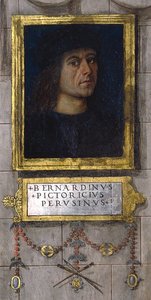
Pinturicchio
1454 - 1513 , Itaalia
Kiired faktid
- Kunstiliikumine Või Stiil: Renessanss
- Kunstnikud, Kes Seda Kunstnikut Mõjutasid:
- Perugino
- Bonfigli
- Fiorenzo di Lorenzo
- Rahvusuus: Itaalia
- Selle Kunstniku Mõjutatud Kunstnikud Või Liikumised: ['Rafael']
- Silmapaistvad Teosed:
- Sistine kabeli freskod
- Borgia korterite dekoratsioonid
- Püha Augustinus
- Pealkirjamatu (739)
- Surmaaaeg: 1513
- Sündimisaeg: 1454
- Sündimiskoht: Perugia, Itaalia
- Täielik Nimi: Bernardino di Betto