

 Vaata sisu
 Jaga teost
 Jaga
Jaga
 Detailid
 Õppekate juhend

 Laadi alla
 Sarnased teosed
 Röntgenuuring
 Slaidietendus
 Statistika
Deux Children Sitting,


 Loe lähemalt
Giclée / Kunstiprint
Muuseumikvaliteediga giclée- või kangasprint kiire tootmisega ja paindlikud viimistlusvõimalused. ( Telli käsitsi maalitud reproduktsioon Ülemineku digitaalse pildi müügi kanalisse)




P118B €10

P118H €10

P118W €10

P438Z €10

P508JH €12

P508YH €12

P805H €10

P805Z €10

P919BZ €10

P919G €10

P919XJ €10

P959ZH €10

P968JZ €12

W106C €8

W218G €10

W218JH €8

W218Y €10

W307PJ €10

W316G €10

W316PJ €8

W316Y €10

W398PJ €8

W4111J €10

W500HY €15

W500JH €15

W692G €12

W849H €8

W940BG €15

W953PJ €8




Vali meie eelmääratud suurused, mis vastavad teose algupärastele proportsioonidele.

Sisestage vajalik laius ja kõrgus, et see sobiks teie raamile või seinale. Trükki saab ainult lõigata, seda ei saa kunagi pildist suuremaks teha, seega ka differentse vormiga suurus kaotab osa pildist. Enne trükkimist saadame teile kinnitamiseks digitaalse näidisprojektsiooni. Sellel lehel näidatud pilt ei kujuta reaalset lõiget — seda näitab ainult näidisprojekttsioon.
Ülemaailmne tarne () 2 nädala jooksul, tavalise 4/5 nädala asemel. (23 oktoober)

Tasuta ekspresssaatmine üle maailma

Kõrgekvaliteediline lina-kangastest muld

Täielik transpordikindlustus

Tollimaksude tagastamise garantii

Värvitoime täpsuse garantii

100 päeva tagastusõigus (ainult defektide korral)

100% raha tagasi garantii

Hulgusoodustus
 Klaasivalik on saadaval ainult kuni 110 cm suuruses teostes

Deux Children Sitting,
Giclée / Kunstiprint
Reproduktsiooni mõõtmed
-


Lõppsumma
€ 70
The Enigmatic Grace of Pinturicchio: A Renaissance Master
Bernardino di Betto, universally known as Pinturicchio – a nickname affectionately bestowed upon him for his diminutive stature – stands as a captivating figure within the vibrant tapestry of 15th-century Italian art. Born in Perugia in 1454, Pinturicchio’s life unfolded during a period of profound artistic transformation, the High Renaissance blossoming across Italy while he carved out a unique and enduring legacy. Unlike the monumental ambition of giants like Leonardo da Vinci or the dramatic realism of Michelangelo, Pinturicchio cultivated a style defined by refined grace, intricate detail, and a luminous, decorative sensibility – a testament to his exceptional skill in transforming established forms into something uniquely captivating.
His early training remains somewhat shrouded in mystery, likely nurtured within the workshops of lesser-known Perugian painters. However, it’s clear that Pinturicchio absorbed the essence of the Umbrian School of Painting, inheriting its characteristic elegance and a deep appreciation for color. This foundation would later inform his work across various commissions, from the opulent Borgia Apartments in Rome to the serene beauty of the Piccolomini Library in Siena. His career wasn’t one of revolutionary upheaval, but rather a meticulous refinement – a testament to his mastery of technique and his ability to imbue even seemingly simple subjects with profound emotional resonance.
“Deux Children Sitting”: A Study in Innocence and Connection
"Deux Children Sitting" is a captivating depiction of two young children nestled together on the ground, their hands clasped in a gesture of quiet contemplation. Painted in 1513 by Pinturicchio, this work transcends mere representation; it’s an exploration of innocence, vulnerability, and the profound connection between human beings. The scene unfolds with remarkable intimacy – the children are positioned close to one another, bathed in soft light that suggests a timeless serenity. Their nakedness is not presented as provocative but rather as a symbol of purity and unburdened joy, highlighting their inherent beauty and innocence.
The composition itself is remarkably balanced, with the figures occupying the central space and creating a sense of harmonious unity. The surrounding details – the scattered smaller figures, the suggestion of a landscape beyond – contribute to a feeling of quiet contemplation and invite the viewer to share in the children’s peaceful moment. Pinturicchio's masterful use of color—muted earth tones punctuated by subtle highlights—further enhances the work’s sense of tranquility and understated beauty.
A Master at Work: Technique and Context
Pinturicchio was renowned for his meticulous technique, a hallmark of his style. He employed tempera on panel, a medium that allowed him to achieve remarkable detail and luminosity. His brushwork is incredibly delicate, with subtle gradations of color creating a sense of depth and texture. The artist’s attention to anatomical accuracy is evident in the children's forms, yet he avoids the rigid formality often associated with Renaissance portraiture, instead favoring a more fluid and expressive approach.
Furthermore, understanding Pinturicchio requires acknowledging his historical context. He worked during a period of immense artistic innovation, influenced by Perugino, Luca Signorelli, and other masters of the Umbrian School. Yet, he maintained a distinct voice, prioritizing grace and decorative elegance over dramatic grandeur. His work reflects the humanist ideals of the Renaissance, celebrating human beauty and fostering a sense of connection between individuals and the natural world.
Rediscovering Pinturicchio: Reproductions for Today
Today, “Deux Children Sitting” is available as a stunning hand-painted reproduction by OriginalUniqueArt.com, offering art lovers the opportunity to bring this timeless masterpiece into their homes or offices. The meticulous attention to detail and vibrant colors of the original are faithfully reproduced using traditional techniques, ensuring that every piece captures the essence of Pinturicchio’s artistic vision. Whether you're an admirer of Renaissance art, a collector seeking unique pieces, or simply someone who appreciates beauty and tranquility, this reproduction offers a captivating glimpse into the world of one of Italy’s most enigmatic masters.
Küsimused ja vastused
Kas teos "Deux Children Sitting," autorilt Pinturicchio kuulub avalikku omandisse ja miks?
Teose "Deux Children Sitting," tegiteks - avalikus õiguses – selle autoriõigud onหมดunud - tuleneb kunstniku surma aastast 1513.
Milline suurus "Deux Children Sitting," minu toa jaoks sobib?
Living Room ruumis on teose "Deux Children Sitting," jaoks soovitatav trükkimõõt Medium.
Mis on teose „Deux Children Sitting,“, autor Pinturicchio valgusus?
Teose „Deux Children Sitting,“, autor Pinturicchio luminants on Gentle Luminance. Luminants kirjeldab, kui palju valgust värvid peegeldavad.
Kunstniku elulugu
Pinturicchio salapärane ilu: renessanssimaster
Bernardino di Betto, kes tuntis maailma kui Pinturicchio – surnim, mida talle anti armsast armastusest tema madala kasvul –, ilmus Umbria kunstisüdamesse Perugia nn 1454. Tema elu laabas läbi tohutu kultuurilise fermenti ajastu, mil üle Itaalia õitles kõrge renessanss, kuid Pinturicalli lõi endale unikaalse tee, mis ühendas gootika traditsioonide jääv elegants ajastu uuenevate uuendustega. Kuigi sellised hiigud nagu Leonardo da Vinci ja Michelangelo püüdisid anatomilist täiuslikkust ja dramaatilist realismist, kultiveeris Pinturicchio stiili, mida iseloomustas peen ilu, keerulised detailid ja vibrantne dekoratiivne tundlikkus. Tema teekond ei olnud revolutsiooniline murbe, vaid pigem suurepärane tärakandmine – tõestus tema oskusest muuta olemasolevad vormid midaks, mis on ainulaadne ja lummav.Umbria töökohadest paavilistele tellimustele
Pinturicchio varajane õpe on jäänud osaliselt saladuse hägusse, kuigi uskutakse, et ta teritas oma oskusi vähem tuntud Perugia meistrite, nagu Bonfigli ja Fiorenzo di Lorenzo, juhendamisel. === Püölev hetk saabus, kui ta astus Pietro Perugino, Umbria kooli juhtfigure, orbiti sisse. Giorgio Vasari järgi töötas Pinturicchio Perugino assistentina – koostöö, mis kaasaegne tema kunstiline areng. See side tõtus oluliseks, et hankida tellimus Rooma Sixtiina kapelli jaoks 1eks sajandiks. Töötades koos ajastu kuulsaimate kunstikidega – seaspool Botticellit, Ghirlandaio't ja Signorellit – panustas Pinturicchio sellesse monumentaalsetesse projektidesse, kuigi kahju, hiljem hävitati tema freskod, et teha plekki Michelangelolo *Viimase õhtusöögi* * (viimase kaunia) jaoks. See kogemus aga teenis kui oluline samm edasi, avades talle uusi mõjutusi ja kinnistades tema mainet.Viljakas periood: Rooma ja Borgia korterid
Aastad vahemikus 1484 ja 1492 märgis Pinturicchio jaoks intenseerse produktiivsuse ajastu, mis kesknes peamiselt Roomale. Ta sai tellimusi prominentsetelt perekonnadelt nagu Della Rovere, kaunistades Santa Maria del Popolo kirikus asuvaid laipusid oma iseloomuliku stiiliga. Need teosed näitasid tema freskotehnikat, mida iseloomustasid õhudad kujud, rikkalikult ornamentitud taustad ja eel eelistatud keerulised dekoratiivmotivid. Kuid just tema töö paavist Aleksander VI – Rodrigo Borgia – jaoks kinnitas tema kohta kunstiloostikus lõplikult. Saades käsule dekoreerida Vatikaani palatsis asuvaid Borgia kortereid vahemikus 1492 kuni 1494, lõi Pinturicchio ruumide kompleksi, mis olid luksuslikult kaunistatud freskidega, kujutades mitoloogilisi stseene, portrette ja allegorilisi esitusi. Need korterid, kuigi vaidluste all, kuna need seostuvad kurikuulutava Borgia perega, seisavad renessanssikunstile märkimisteküllasena, paljastades Pinturicchio võimekuse ühendada klassikalised motivid oma ainulaadse esteetilise tundlikkusega. Kulla kasutamine, eritoonid ja illusioonitehnika lõid õpetlikult hiilgav atmosfäär, peegeldades paavliku õukonna võimu ja ambitsiooni.Pärand ja igavene mõju
Pinturicchio kunstiline pärand on peen elegants ja hoolikas käsitöö. Kuigi ta ei võib olla saanud sama famaatsust kui mõned tema kaasajad, on tema mõju järglevatele kunstikolletele kinnitata võimatu. Tema unikaalne stiil – gootika armsuse ja renessanssi uuenduste harmooniline segu – kõlastas neis, kes hindasid peenust ja detailid. Ta demonstreeris erakordset võimekust luua visuaalselt hämmastavaid kompositsioone, mis olid nii esteetiliselt meeldivad kui intellektuaalselt stimulatsiooniküllased. Tema töö Sienas asuvas Piccolomini raamatukogus, mis valmis varasemalt enne tema surma 1513. aastal, on tunnistus tema püsivale talentile. Freskod, mis kujutavad stseene paavst Pius II elust, näitavad vormi ja värvi selgust, mis ennustab kõrge renessanssi stiili. Pinturicchio kunst on tänapäevast vaatajat endiselt lummamas, pakkudes pilgu maailma, kus ilu, peenus ja kunstiline meistriklassis – maailma, kus "väike maalari" õrn puudutus jättis temblamat jälje Itaalia renessanssikunsti maastikule.- Olulised teosed: Freskod Sixtiina kapellis (hävinud), Borgia korterid Vatikaanis, Piccolomini raamatukogu Sienas.
- Mõjud: Perugino, Umbria maalikool, gootika traditsioonid.
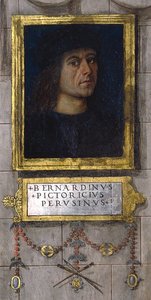
Pinturicchio
1454 - 1513 , Itaalia
Lühikest infot
- Kunstiliikumine Või Stiil: Renessanss
- Kunstnikud, Kes Seda Kunstnikut Mõjutasid:
- Perugino
- Bonfigli
- Fiorenzo di Lorenzo
- Rahvusuus: Itaalia
- Selle Kunstniku Mõjutatud Kunstnikud Või Liikumised: ['Rafael']
- Silmapaistvad Teosed:
- Sistine kabeli freskod
- Borgia korterite dekoratsioonid
- Püha Augustinus
- Pealkirjamatu (739)
- Surmaaaeg: 1513
- Sündimisaeg: 1454
- Sündimiskoht: Perugia, Itaalia
- Täielik Nimi: Bernardino di Betto
Sarnased artiklid

Perekonna pärandi säilitamine seinamaalingute kaudu: Freskode kunstiline ja kultuurilooline kontekst tänapäevas
Avastage freskode kunstiline ja ajalooline väärtus! Professionaalne konserveerimine ja restaureerimine perekonna pärandi säilimiseks. Kvaliteet, autentsus ja ekspertteadmised OriginalUniqueArt-is.

The Enduring Legacy of Fresco: Technique, History & Artistic Expression Across Cultures
Explore the rich history & enduring legacy of fresco painting! Discover ancient techniques, Giotto's masterpieces, and modern applications. Expert insights for art lovers & professionals.
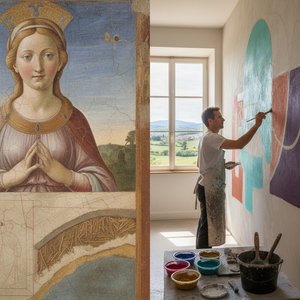
The Enduring Legacy of Fresco Painting: Techniques, History & Contemporary Relevance
Explore the rich history & enduring artistry of fresco painting – from Giotto to Michelangelo! Discover techniques, conservation efforts, & modern applications. Learn how OriginalUniqueArt brings this timeless art form to your home.

The Enduring Legacy of Fresco: Technique, History & Artistic Expression
Explore the rich history & enduring artistry of fresco painting. Discover techniques from Giotto to Michelangelo, conservation efforts, & modern applications. Learn how OriginalUniqueArt brings this timeless art form to your home.
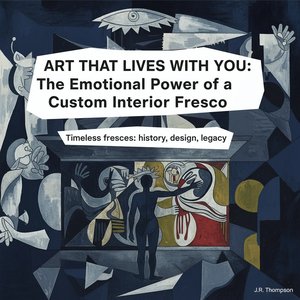
Sisekujunduse freskode emotsionaalne jõud: Ajalooline perspektiiv ja kaasaegne väljendus
Avastage freskode rikkalik ajalugu ja kaasaegseid võimalusi ekspertide käest. Kvaliteetsed seinamaalid interjööri, restaureerimine ja tellijatööd. Luksuslik sisekujundus teie kodule või ärile!