
 Eelvaade
 Saada
Saada Jaga
Jaga
 Teave teose kohta

 Laadi alla
 Sarnased teosed
 Röntgenuuring
 Slaidietendus
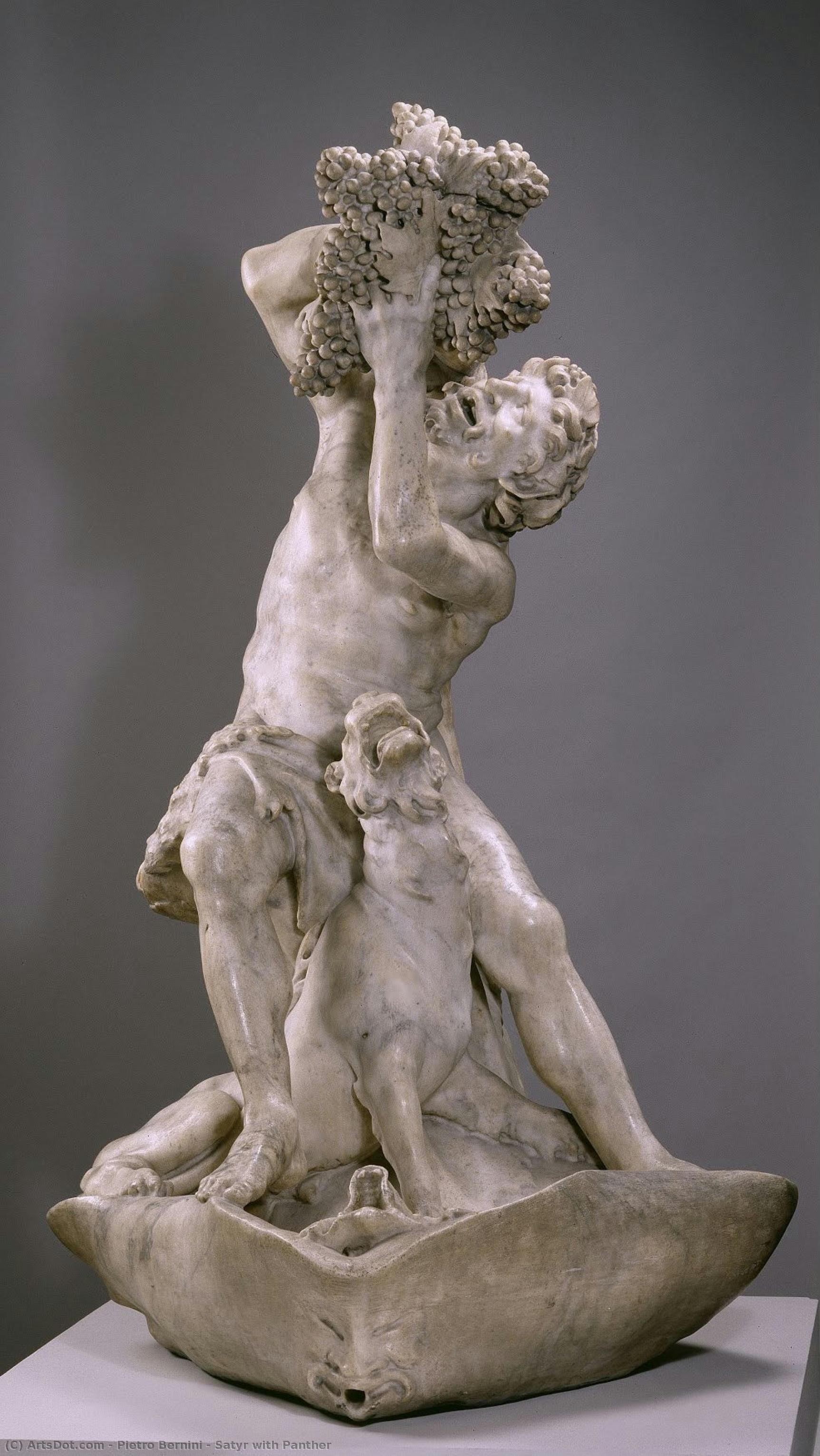
Satyr with Panther

 Loe lähemalt
Käsitsi valmistatud õlimaalireproduktsioon
Meie kunstnike poolt tellimusel valmistatud käsitsi maalitud õli-kainaste teos teie soovitud suuruses ja raamis. ( Osta print Osta pilt)




































Vali meie eelmääratud suurused, mis vastavad teose algupärastele proportsioonidele.

Sa võite sisestada oma mõõtmed konkreetse raami või ruumi sobivuse tagamiseks. Kui teie valitud suurus ei vasta originaalpildi proportsioonidele, siis kärvime kunstiteost või laiendame maali täiendavate käsitsi maalitud elementidega. Enne tootmise algust saadetakse teile heakskiitmiseks digitaalne eelvaade.
Palun pidage meeles, et ekraanil kuvatav eelvaade ei kajasta tegelikku kärpimist või laiendamist. Ainult eelvaade näitab täpselt lõplikku kompositsiooni.
Kuigi on saadaval kohandatud suurused, soovitame originaalproportsioonide säilimiseks valida mõõdud eelmääratletud nimekirjast.
Pärast tellimust saadab OriginalUniqueArt.com meeskond kliendile e-posti juhised ning esitab eelvaate kavandi.
Maailmline tarne 3–4 nädala jooksul tavalise 5 nädala asemel. (21 august). Kvaliteedis kompromisse ei tehta.

Tasuta ekspresssaatmine üle maailma

Kõrgekvaliteediline linakangas

Täielik transpordikindlustus

Tollimaksude tagastamise garantii

Värvitoime täpsuse garantii

60-päevane tagastusõig: ainult tootmisdefektide korral

100% raha tagasi garantii

Hulgusoodustus
 Klaasivalik on saadaval ainult suuruses kuni 110 cm

Satyr with Panther
Reproduktsiooni tehnika
Reproduktsiooni suurus
-


Kogusumma
$ 300
Teose kirjeldus
Kunstniku elulugu
Pietro Bernini: Life and Legacy
Early Life and Training
- Born: Sesto Fiorentino, Tuscany, Italy in 1562.
- Pietro Bernini emerged during the late Mannerist period, a time of stylistic transition in Italian art. His early training likely involved exposure to the prevailing artistic trends of Florence, characterized by elegance and refinement.
- Details regarding his initial apprenticeship remain somewhat scarce, but it’s understood he developed foundational skills in sculpture before relocating to Naples.
Naples and Family Beginnings
- Bernini moved to Naples to contribute to the artistic embellishment of the Certosa di San Martino, a significant religious complex.
- Significant Event: It was in Naples that he met and married Domenica Pizzuti, and their son, the future Baroque master Gian Lorenzo Bernini, was born in 1598.
- This period marked a crucial turning point, laying the groundwork for a family dynasty of artists.
Rome and Papal Patronage
- Relocation: In 1605, the Bernini family relocated to Rome under the protection of Cardinal Scipione Borghese, a powerful figure in the Roman art world.
- Pietro quickly secured commissions from Pope Paul V (also a Borghese), contributing to projects such as the Pauline Chapel within the Basilica of Santa Maria Maggiore. This marked his entry into the heart of Roman artistic activity.
- Influence: The patronage of the Borghese family proved instrumental in establishing Pietro’s career and providing opportunities for both him and, eventually, his son.
Major Works and Artistic Style
- Fontana della Barcaccia: Perhaps his most celebrated work, the Fontana della Barcaccia (Fountain of the Old Boat) at the foot of the Spanish Steps in Rome. Completed in 1627, it’s a striking example of Baroque ingenuity, resembling a beached ship.
- Other Notable Works: Contributions to the Fountain of Neptune in Naples (completed between 1600-1601), and sculptural work within Santa Maria Maggiore.
- Artistic Style: Pietro’s style blended Mannerist elegance with emerging Baroque dynamism. His sculptures often exhibit a sense of movement, emotional intensity, and dramatic flair.
Collaboration and Legacy
- Early Collaboration with Gian Lorenzo: Pietro initially collaborated with his son on projects like the Boy with a Dragon (1617), showcasing early signs of Gian Lorenzo’s exceptional talent.
- Shift in Roles: As Gian Lorenzo's abilities surpassed his own, Pietro willingly transitioned into a supportive role, often acting as an assistant to his son. This demonstrates a remarkable level of artistic maturity and familial dedication.
- Historical Significance: While overshadowed by his son’s immense fame, Pietro Bernini played a vital role in shaping the Roman Baroque landscape. His work paved the way for Gian Lorenzo's groundbreaking achievements and contributed to the flourishing of art during this period.
- Death: Pietro Bernini died in Rome in 1629 at the age of 67, leaving behind a legacy as both a skilled sculptor and the father of one of history’s greatest artists.

Pietro Bernini
1562 - 1629 , Italy
Lühikesed faktid
- Birth Date: 1562
- Birth Place: Sesto Fiorentino, Italy
- Death Date: 1629
- Influenced: Gian Lorenzo Bernini
- Movement: Mannerism, Baroque
- Name: Pietro Bernini
- Nationality: Italian
- Notable Works: Fontana della Barcaccia, Saint Martin dividing his cloak

