
 Eelvaade
 Saada
Saada Jaga
Jaga
 Teave teose kohta
 Juhend

 Laadi alla
 Sarnased teosed
 Röntgenuuring
 Slaidietendus
 KÜSIMUSED JA VASTUSID
 Statistika
Merry Company

- 64.0 x 74.0 cm


 Loe lähemalt
Giclée / Kunstiprint
Muuseumikvaliteediga giclée- või kangasprint kiire tootmisega ja paindlikud viimistlusvõimalused. ( Osta käsitsi maalatud teos Lülita digitaalse pildi juurde)




P118B €10

P118H €10

P118W €10

P438Z €10

P508JH €12

P508YH €12

P805H €10

P805Z €10

P919BZ €10

P919G €10

P919XJ €10

P959ZH €10

P968JZ €12

W106C €8

W218G €10

W218JH €8

W218Y €10

W307PJ €10

W316G €10

W316PJ €8

W316Y €10

W398PJ €8

W4111J €10

W500HY €15

W500JH €15

W692G €12

W849H €8

W940BG €15

W953PJ €8




Vali meie eelmääratud suurused, mis vastavad teose algupärastele proportsioonidele.

Sisestage vajalik laius ja kõrgus, et see sobiks teie raamile või seinale. Trükki saab ainult lõigata, seda ei saa kunagi pildist suuremaks teha, seega ka erineva mustega suurus kaotab osa pildist. Enne trükkimist saadame teile kinnitamiseks digitaalse näidisprojektsiooni. Sellel lehel näidatud pilt ei kujuta reaalset lõiget — seda näitab ainult näidisprojektsioon.
Ülemaailmne tarne () 2 nädala jooksul, tavalise 4/5 nädala asemel. (3 november)

Tasuta ekspresssaatmine üle maailma

Kõrgekvaliteediline lina-kangas

Täielik transpordikindlustus

Tollimaksude tagastamise garantii

Värvitoime täpsuse garantii

100 päeva tagastusõigus (ainult valmistusdefektide korral)

100% raha tagasi garantii

Hulgusoodustus
 Klaasivalik on saadaval ainult kuni 110 cm suuruses teostes

Merry Company
Giclée / Kunstiprint
Reproduktsiooni suurus
-


Koguhind
€ 72
A Moment of Quiet Revelry: Pieter de Hooch’s “Merry Company”
Pieter de Hooch's "Merry Company," painted around 1600, isn’t merely a depiction of a gathering; it’s a carefully constructed tableau brimming with subtle symbolism and the quiet elegance characteristic of Dutch Golden Age art. This remarkable work, now housed within the Museum’s collection, offers a captivating glimpse into the social life of Amsterdam during its burgeoning prosperity – a world where commerce, artistry, and refined leisure intertwined. De Hooch, a master of capturing fleeting moments and intimate interiors, elevates an everyday scene to a level of profound observation, inviting us to contemplate the complexities of human interaction and the nuances of wealth and status. The painting’s enduring appeal lies not just in its technical brilliance but also in its ability to evoke a sense of understated charm and intellectual curiosity.The Composition: A Dance of Light and Gesture
At first glance, “Merry Company” presents a seemingly simple scene: a group of individuals assembled around a richly appointed table within a warmly lit room. However, closer inspection reveals a meticulously orchestrated composition. De Hooch’s masterful use of light is immediately striking – a soft, diffused illumination that washes over the figures and subtly defines their forms. The light source, cleverly positioned to suggest an unseen window, creates a sense of depth and atmosphere, drawing the viewer into the heart of the gathering. Notice how he employs chiaroscuro—the dramatic contrast between light and shadow—to emphasize key elements, such as the faces of those engaged in conversation and the details of the table setting. The figures themselves are rendered with remarkable sensitivity, each exhibiting a unique posture and expression that hints at their individual personalities and relationships. The arrangement isn’t haphazard; it's carefully balanced, creating a harmonious visual experience.Symbolism Within the Scene: Five Senses and Allegory
Beyond its surface beauty, “Merry Company” is rich in symbolic meaning. The painting has been interpreted as a meditation on the five senses – a concept central to Renaissance thought. The presence of food and drink clearly represents taste and touch, while music (implied by the instruments) speaks to hearing. However, the most intriguing element lies above the fireplace: a depiction of Ganymede, the mythological abduction of the beautiful youth by Zeus in the form of an eagle. This scene, often interpreted as a reference to the concept of the Five Senses, is not merely decorative; it adds a layer of complexity and perhaps even a touch of eroticism or theological allegory to the composition. Some critics suggest that Ganymede embodies the human soul, elevated by divine will, while others see a veiled commentary on earthly desires. The inclusion of this mythological episode elevates the scene beyond a simple depiction of social interaction, transforming it into a visual riddle inviting contemplation.Historical Context and Artistic Style
Pieter de Hooch’s work is firmly rooted in the Dutch Golden Age (1600-1700), a period of unprecedented economic prosperity and artistic innovation. His paintings reflect the values and aspirations of the emerging middle class – a society that valued both material wealth and intellectual pursuits. De Hooch was particularly renowned for his “room scenes,” capturing intimate moments within domestic interiors with remarkable realism and psychological insight. Unlike the grand, heroic narratives favored by some of his contemporaries, de Hooch focused on the everyday lives of ordinary people, offering a nuanced portrayal of their social interactions and emotional experiences. His style is characterized by its meticulous attention to detail, naturalism, and use of light – qualities that distinguish him from other artists of his time. The painting’s composition echoes works by earlier masters like Jacob van der Meer, but de Hooch imbues it with a distinctly personal touch, creating a unique and unforgettable image.A Timeless Appeal: Reproduction and Interior Design
“Merry Company” continues to resonate with audiences today, not only for its artistic merit but also for its evocative portrayal of human connection. Reproductions of this masterpiece offer a beautiful addition to any interior space, bringing a touch of Dutch Golden Age elegance and intellectual curiosity into the home. The painting’s subtle color palette, masterful composition, and rich symbolism create a visually stimulating experience that invites contemplation and conversation. Consider pairing a reproduction with warm, inviting furnishings – perhaps a richly upholstered armchair or a vintage wooden table – to further enhance its atmosphere. “Merry Company” is more than just a painting; it's an invitation to slow down, observe, and appreciate the beauty of everyday life.Korduvad küsimused
Kas on "Merry Company" kuulus Dutch Golden Age suunaga teos?
Teos „Merry Company“, autor Pieter De Hooch on klassifitseeritud tasemele Recognized ning kuulub Dutch Golden Age suunasse.
Kas teost „Merry Company“, autor Pieter De Hooch hoiustatakse kunstniku kodumaal?
Ei – teos asub välismaal. Pieter De Hooch sünnimaa on Holland ning teose "Merry Company" originaali hoiab endas muuseum, mis asub riigis Portugal.
Millises materjalis on teos „Merry Company“, autor Pieter De Hooch valmistatud?
Teose "Merry Company" loomisel kasutas Pieter De Hooch Oil On Canvas tehnikat. See tehnika määrab originaalteose materjalilise olemuse.
Kunstniku elulugu
varajärglut ja õppimisaastad
Pieter de Hooch, Hollandi kuldaja üks silmapaistvamaid isikuid, sündis 20. detsembri 1629. aastal Rotterdamis, Hollandis. Ta oli kukkunud kivi ehitaja Hendrick Hendricksz de Hoochi ja kelsnaine Annetge Pietersi vanim viiest lapsest. Tema varajastest aastad on ajaloo jaoks pigem saladuslikud, kuid uskutakse, et ta tegutses Rotterdamis, Delftis ja Amsterdamis. De Hoochi kunstiline haridus toimus Haarlemis koos Jacob Ochtervelti, õppeajal olnud maaparstaja Nicolaes Berchemiga. See periood pani aluse tema tulevasele edukusele vaikete kodumajanduste ja avatud uksestike ilmestatud stseenide maalajana.kunstiline stiil ja teemad
De Hoochi loomingut iseloomustab detailide täpsus, naturalism ja valguse meisterlik kasutamine. Tema maalid peegeldasid sageli igapäevaelu, edustades uuenemiskasvu keskklassi väärtusi ja ambitsioone. Sellise stiili suurepärane näide on "maja aukoid Delftis" (1658), mis demonstreerib tema võimekust tabada igapäevaelu kõige banalsemid, kuid olemuslikud detailid. Kuigi de Hoochi teosest löytyvad sarnased teemad ja kompositsioonid ka Emanuel de Wittel, eristub ta inimkesknema fookuse ja suhete sügavuma uurimisega. See on selgelt nähtav teostes "nõustav naine" (1658) ja "naine laps lapsel" (1658), mis kinnistavad tema huvi kodustele stseenidele.olulised teosed ja pärand
De Hoochi kõige märkimistavamate teostega on:- "rõõmus jooj" (umbik. 1650)
- "kaardimängijad päikeseloenduses" (1658)
- "naine valmistamas leiba ja võid poiale" (1661)
muuseumid ja kogumikud
De Hoochi teoseid saab leida erinevatest muuseumidest, sealhulgas Antwerpis, Belgias asuvast Koninklijk Museum voor Schone Kunsten muuseumist, mis hoiab endas tohutut kogumist Euroopa kunstist 15. kuni 20. sajandini. Lugege rohkem Pieter de Hoochi ja tema teoste kohta OriginalUniqueArt lehel: [https://OriginalUniqueArt.com/@/pieter-de-hooch](https://OriginalUniqueArt.com/@/pieter-de-hooch) /et/art/show/art-d3b4kt-et/ (avastage Belgias asuva Koninklijk Museum voor Schone Kunstensi meistriteoseid)
Pieter De Hooch
1629 - 1694 , Holland
Lühikest infot
- Artistic Movement Or Style: Delfti kool, Hollandi kuldajärg
- Artists Or Movements Influenced By This Artist: ['Jan Vermeer']
- Artists Who Influenced This Artist: ['Nicolaes Berchem']
- Date Of Birth: 20. detsembri 1629
- Full Name: Pieter Hendricksz de Hooch
- Nationality: Hollandi
- Notable Artworks:
- Tühi klaas
- Naine kirja lugemisel
- Kaardimängijad päikeselootes ruumis
- Naine valmistamas leiba ja võid
- Place Of Birth: Rotterdam, Holland
Sarnased artiklid

About Us
Discover our story! We bring world-class art into your life through expert curation, personalized creations, and free previews. Trusted by individuals and businesses since 2000.
Wilhelmus de Zwart: Capturing Dutch Life Through the Lens of Realism & Impressionism
Explore the captivating world of Wilhelmus de Zwart, a Dutch master bridging Realism & Impressionism. Discover his landscapes, cityscapes, and unique technique – a compelling study for art enthusiasts and collectors.

Willem van de Velde the Elder: Master of Maritime Painting & Chronicler of the Dutch Golden Age
Discover the captivating maritime paintings of Willem van de Velde the Elder, a master chronicler of the Dutch Golden Age. Explore his unparalleled realism and lasting influence on naval art history.

Francisco Goya Parimad Teosed: Hingematvad Kunstiteosed Kodudesse – OriginalUniqueArt
Avastage Francisco Goya 25 parimat teost! Sukelduge Hispaania kunsti, romantismisse ja portree maalide maailma. Leidke inspiratsiooni kodudekoriks OriginalUniqueArt.com-is – kvaliteetsed kunstireproduktsioonid ja kollektsioonid.
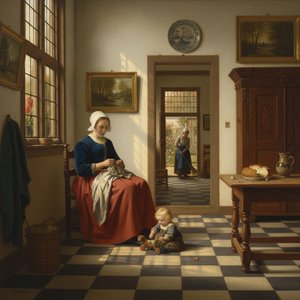
Pieter de Hooch: Illuminating Dutch Domestic Life & Golden Age Charm
Explore the captivating world of Pieter de Hooch, a master of Dutch Golden Age painting. Discover his innovative use of light, intimate domestic scenes, and lasting influence on art history. Learn more at OriginalUniqueArt.
