
 Eelvaade
 Saada
Saada Jaga
Jaga
 Teave teose kohta

 Laadi alla
 Sarnased teosed
 Röntgenuuring
 Slaidietendus
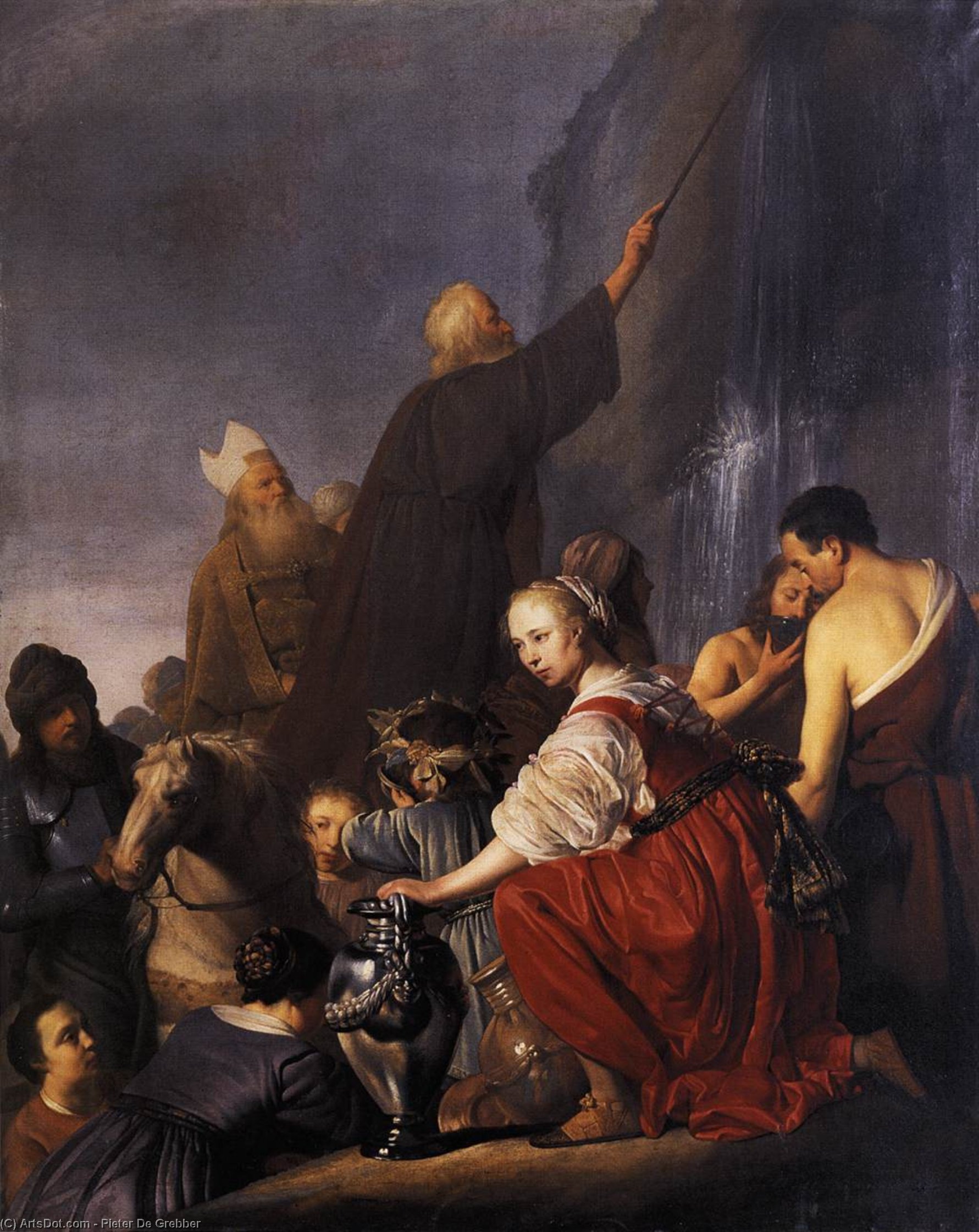
Moses Striking the Rock
 Oil
Oil- WallArt
- Baroque
 1630
1630- Early Modern
 165.0 x 132.0 cm
 Musée Des Beaux
 Loe lähemalt
Giclée / Kunstiprint
Muuseumikvaliteediga giclée- või kangasprint kiire tootmisega ja paindlikud viimistlusvõimalused. ( Osta käsitsi maalitud maal Osta pilt)




P118B $10

P118H $10

P118W $10

P438Z $10

P508JH $12

P508YH $12

P805H $10

P805Z $10

P919BZ $10

P919G $10

P919XJ $10

P959ZH $10

P968JZ $12

W106C $8

W218G $10

W218JH $8

W218Y $10

W307PJ $10

W316G $10

W316PJ $8

W316Y $10

W398PJ $8

W4111J $10

W500HY $15

W500JH $15

W692G $12

W849H $8

W940BG $15

W953PJ $8




Vali meie eelmääratud suurused, mis vastavad teose algupärastele proportsioonidele.

Saate sisestada oma mõõdud, et need sobiks konkreetse raami või ruumi sisse. Kui valitud suurus ei vasta originaalteose proportsioonidele, lõigame teose ära või laiendame pilti peegeldatud või ühtlase servaga. Enne tootmisprotsessi algust saadetakse Teie kinnitamiseks digitaalne näidis.
Palun märka, et ekraanil kuvatav eelvaade ei kajasta tegelikku lõigamist või laiendamist. Ainult näidis kujutab täpselt lõplikku kompositsiooni.
Kuigi erimõõdu on saadaval, soovitame originaaproportsioonide säilitamiseks valida mõõt ette määratud nimekirjast.
Ülemaailmne tarne () 2 nädala jooksul, tavalise 4/5 nädala asemel. (21 august)

Tasuta ekspresssaatmine üle maailma

Kõrgekvaliteediline linakangas

Täielik transpordikindlustus

Tollimaksude tagastamise garantii

Värvitoime täpsuse garantii

60-päevane tagastusõig: ainult tootmisdefektide korral

100% raha tagasi garantii

Hulgusoodustus
 Klaasivalik on saadaval ainult suuruses kuni 110 cm

Moses Striking the Rock
Giclée / Kunstiprint
Reproduktsiooni suurus
-


Kogusumma
$ 80
Kogumuse kirjeldus
A Divine Moment Captured in Oil
In the grand tradition of the Dutch Golden Age, Pieter de Grebber’s Moses Striking the Rock stands as a profound testament to the power of biblical narrative and the mastery of light. Painted around 1630, this monumental work transports the viewer directly into the heart of a miraculous event. The scene is one of intense spiritual drama: Moses, positioned with commanding presence on the left, raises his staff to strike the stone, an act that triggers a life-sustaining flow of water for his wandering people. De Grebber does not merely depict a historical or religious milestone; he captures the very tension between human desperation and divine intervention.
The composition is masterfully orchestrated to guide the eye through a landscape of both physical and emotional struggle. As the viewer’s gaze wanders across the canvas, it encounters a diverse assembly of figures—some gathered in close anticipation near the foreground, others receding into the rugged, rocky terrain of the background. The inclusion of horses, positioned strategically within the mid-ground, adds a layer of classical grandeur and movement to the scene, grounding the miraculous event in a tangible, earthly reality. This interplay between the monumental scale of the landscape and the intimate expressions of the onlookers creates a sense of immersive theater.
Mastery of Technique and Light
Pieter de Grebber, a prominent figure in the Haarlem school, utilizes a technique that reflects his deep training under masters like Hendrick Goltzius. The painting is characterized by a sophisticated use of chiaroscuro, where the interplay of light and shadow breathes life into the textures of the rocky terrain and the heavy drapery of the figures' garments. The light does not merely illuminate; it sanctifies, catching the edge of the staff and highlighting the faces of those witnessing the miracle, thereby directing the emotional focus of the piece.
For the discerning collector or interior designer, this work offers a rich tapestry of textures that can serve as a breathtaking focal point in any sophisticated space. The earthy tones of the landscape are balanced by the dramatic highlights, making it a versatile piece that complements both classical and contemporary settings. A high-quality reproduction of this masterpiece allows one to bring the weight of history and the brilliance of 17th-century Dutch artistry into a modern home, providing a conversation piece that speaks of resilience, faith, and the enduring beauty of the human spirit.
A Legacy of Devotion and Artistry
Beyond its visual splendor, Moses Striking the Rock carries the profound weight of its historical context. Born into an artistic lineage in Haarlem, De Grebber was part of a movement that sought to elevate religious themes through a lens of realism and emotional depth. This painting serves as a window into the 1630s, a period when the Dutch Republic was flourishing both economically and artistically. The symbolism of the water flowing from the rock—a symbol of life, purification, and divine grace—remains as potent today as it was centuries ago.
To possess a reproduction of this work is to hold a piece of the Dutch Golden Age. It is an invitation to contemplate the themes of leadership, providence, and the miraculous. Whether placed in a library, a formal dining room, or a curated gallery space, De Grebber’s vision continues to inspire awe, offering a timeless connection to the profound narratives that have shaped Western art history.
Kunstniku elulugu
 Pieter Fransz de Grebber oli Hollandi kuldajärgi maalari.
De Grebber sündis Haarlemis, olles maalari ja nukanist Frans Pietersz de Grebberi (1573–1643) vanim poeg ning maalari Maria ja Albert de Grebberi vend. Ta õppis maaliすることを oma isalt ja Hendrick Goltziusilt. Ta pärines katolikule ja kunstilisele pante, ning tema õde Maria sai hiljem Gabriel Metsu nora. Ta oli sõber preestide ja muusikoloog Jan Albertszoon Baniga ning Haarlemi heliloojakirjanik Cornelis Padbrué pani tema kirjutatud luuletusele muusika. 1632. aastal liitus ta Haarlemi Püha Luku guildiga, kuigi ta oli maalari ametist juba kümme aastat aktiivselt osalenud. Tema õpilasteks olid Gerbrand Ban, Nicolaes Pietersz Berchem, Egbert van Heemskerck ja Dirck Helmbreeker.
1618. aastal läksid isa ja poeg Antwerpi, et pidada Peter Paul Rubensiga läbirääkimisi tema teose "Daniel juba kukk" müügi üle. See lendas edasi – läbi inglise suurlenniku Vabariigis, Sir Dudley Carletoni – kuningas Charles I kätte. Pieter sai olulisi tellimusi mitte ainult Haarlemis, vaid ka staadholders Frederik Hendrikilt. Sellisel määral töötas ta Naaldwijkis asuva Huis Honselaarsdijki ja Haagis Huis Ten Boschis asuva Paleis Noordeindegi dekoratsioonidel. Ta maalais altarilaud kirikutes Flanderis ning peidetud katolikukirikutes Vabariigis. Võimalik, et ta töötas ka daniide klientide jaoks.
Pieter jäi kogumata ja elas alates 1634. aastast kuni oma surmuni Haarlemi béguinage'is.
Lisaks ajaloolistele maalidele lõिमा Pieter de Grebber ka arvukalt portreide; lisaks on säilinud paljud tema joonised ja mõned etsingud. Erinevatest mõjutest, nagu Utrechti caravaggism, Rubens ja ka Rembrandt, lõi ta väga isikupärase stiili. Koos Salomon de Brayga oli ta "Haarlem klassitsismi" kooli eestrunke ja esimene tipppunkt, luues maale, mida iseloomustas hästi organiseeritud selgus ja kerged toonid.
1649. aastal kirjutas de Grebber traktaat "Regulen welcke by een goet schilder en teyckenaar geobserveert en achtervolght moeten werden" (Reeglid, mida peaks järgima hea maalari ja joonistaja meister). Selles dokumendis selgitab ta එක kümme kõige olulisemat reeglit, mida tema arvates klassitsistlikud maalari peaksid hoolikalt järgima. Kuigi klassitsistid ei olnud nende reeglite eest nii ideaalselt vangi, olid need siiski alati rangelt täidetud. Peaaegu kõik need reeglid on võetud Karel van Manderi manieristlikust "Schilder-boeck"-teosest, kus ajalooline maalimine esitati žanrite hierarhias kõrgeimana.
meedia seotud Pieter Fransz de Grebberiga Wikimedia Commonsis
lue lähemalt...

Pieter De Grebber
1600 - 1652 , Madalmaa
Lühikesed faktid
- Artistic Movement Or Style: Barokk
- Artists Who Influenced This Artist:
- Caravaggio
- Rubens
- Maíno
- Hals
- Lan Ying
- Honthorst
- Date Of Death: 1652
- Full Name: John Testicle
Seotud artiklid

Golden Light & Dutch Skies: The Timeless Magic of Dutch Golden Age Landscapes
Discover the breathtaking beauty of Dutch Golden Age landscapes. Explore the mastery of light, chiaroscuro, and 17th-century realism through an expert art history lens, celebrating the enduring legacy of the Dutch Masters for discerning collectors and art lovers.

Hollandi Kuldaja Särgas Kunstipärit: 10 Meisterteost Sinu Koduks
Sukeldu Hollandi Kuldaja kunstivorme! Avasta 10 ikoonilist meistriteost – Rembrandt, Vermeer jt. - ning nende ajatu loojatööd. Leia inspiratsiooni interjöörile ja kaunista kodu OriginalUniqueArt.com kvaliteetsete reproduktsioonidega. Uuri kollektsiooni!

Golden Age Reflections: Dutch Baroque Painting & Cultural Innovation
Explore the Dutch Golden Age of painting! Discover key artists like Vermeer & ter Borch, their innovative techniques, and the rich cultural context behind these Baroque masterpieces. Learn about collecting & appreciating this iconic art period.

Mastering Light & Shadow: A Journey Through the Dutch Golden Age's Luminous Legacy
Embark on a cultural journey through the Dutch Golden Age. Explore the masterful interplay of light and shadow in 17th-century masterpieces, from Rembrandt to Vermeer, and discover how this era of profound realism continues to inspire fine art collectors today.

Illuminating Innovation: Exploring the Dutch Golden Age of Painting
Explore the Dutch Golden Age of painting with OriginalUniqueArt. Discover Rembrandt, Vermeer & other Masters. Learn about key characteristics, iconic artworks, and lasting influence. Expert insights for collectors & enthusiasts.

