
 Eelvaade
 Saada
Saada Jaga
Jaga
 Teave teose kohta
 Juhend

 Laadi alla
 Sarnased teosed
 Röntgenuuring
 Slaidietendus
 KÜSIMUSED JA VASTUSID
 Statistika
View on the Sea

- 27.0 x 44.0 cm


 Loe lähemalt
Giclée / Kunstiprint
Muuseumikvaliteediga giclée- või kangasprint kiire tootmisega ja paindlikud viimistlusvõimalused. ( Osta käsitsi maalatud teos Lülita digitaalse pildi juurde)




P118B €10

P118H €10

P118W €10

P438Z €10

P508JH €12

P508YH €12

P805H €10

P805Z €10

P919BZ €10

P919G €10

P919XJ €10

P959ZH €10

P968JZ €12

W106C €8

W218G €10

W218JH €8

W218Y €10

W307PJ €10

W316G €10

W316PJ €8

W316Y €10

W398PJ €8

W4111J €10

W500HY €15

W500JH €15

W692G €12

W849H €8

W940BG €15

W953PJ €8




Vali meie eelmääratud suurused, mis vastavad teose algupärastele proportsioonidele.

Sisestage vajalik laius ja kõrgus, et see sobiks teie raamile või seinale. Trükki saab ainult lõigata, seda ei saa kunagi pildist suuremaks teha, seega ka erineva mustega suurus kaotab osa pildist. Enne trükkimist saadame teile kinnitamiseks digitaalse näidisprojektsiooni. Sellel lehel näidatud pilt ei kujuta reaalset lõiget — seda näitab ainult näidisprojektsioon.
Ülemaailmne tarne () 2 nädala jooksul, tavalise 4/5 nädala asemel. (5 november)

Tasuta ekspresssaatmine üle maailma

Kõrgekvaliteediline lina-kangas

Täielik transpordikindlustus

Tollimaksude tagastamise garantii

Värvitoime täpsuse garantii

100 päeva tagastusõigus (ainult valmistusdefektide korral)

100% raha tagasi garantii

Hulgusoodustus
 Klaasivalik on saadaval ainult kuni 110 cm suuruses teostes

View on the Sea
Giclée / Kunstiprint
Reproduktsiooni suurus
-


Koguhind
€ 72
A Vision of the Open Water: Unveiling Pierre Puget’s “View on the Sea”
Pierre Puget's "View on the Sea," created around 1670, isn’t merely a depiction of three ships navigating a hazy horizon; it’s a meticulously crafted tableau brimming with Baroque drama and an intimate understanding of human scale. Born in Marseille during a period of intense maritime activity, Puget’s life was inextricably linked to the sea – initially as a craftsman shaping the hulls of galleys, later as a celebrated sculptor, architect, and painter. This early immersion profoundly shaped his artistic vision, imbuing “View on the Sea” with an unparalleled sense of realism and emotional intensity. The drawing itself, rendered in fine pen and ink on vellum, possesses a remarkable immediacy, capturing a fleeting moment of naval preparation against a backdrop that simultaneously suggests vastness and quiet anticipation.
The composition immediately draws the eye to the central warship, dominating the scene with its imposing size and intricate rigging. Puget masterfully employs linear perspective, subtly diminishing the scale of the smaller vessels in the distance – a technique that convincingly conveys depth and the boundless expanse of the sea. The diagonal arrangement of these ships guides the viewer’s gaze across the canvas, creating a dynamic flow and reinforcing the sense of movement. Beyond mere representation, Puget sought to capture not just what he saw, but also the *feeling* of being at sea – the weight of responsibility, the potential for both glory and peril, all subtly conveyed through the posture of the ships and the atmospheric haze.
The Language of Line and Shadow: A Study in Baroque Technique
Puget’s mastery lies not only in his understanding of perspective but also in his exceptional command of line. The drawing is a testament to his meticulous technique, characterized by an astonishing level of detail achieved through the careful application of hatching and cross-hatching. These subtle variations in shading create a remarkable sense of texture – one can almost feel the roughness of the ship’s timbers, the tautness of the sails, and the shimmering surface of the water. The monochromatic palette, born from the limitations of pen and ink on vellum, paradoxically intensifies the drama; the absence of color forces the viewer to focus entirely on form, line, and light.
The lighting is remarkably soft and diffused, avoiding harsh contrasts and instead creating a sense of atmospheric depth. This deliberate choice contributes significantly to the painting’s overall mood – a blend of tranquility and latent tension. The artist's use of hatching creates an illusion of volume and form, particularly evident in the depiction of the ships’ rigging, which appears both complex and remarkably solid.
Symbolism and the Human Spirit at Sea
“View on the Sea” transcends a simple maritime scene; it’s imbued with symbolic resonance. The three ships represent not just vessels engaged in trade or warfare, but also embody the ambitions, challenges, and inherent risks associated with human endeavor. The central warship, with its imposing size and intricate details, speaks to the power of naval dominance, while the smaller boats hint at the diverse activities that sustained coastal communities. The hazy horizon suggests both the unknown possibilities of the future and the humbling vastness of nature – a potent reminder of humanity’s place within the larger world.
Furthermore, Puget's depiction of the ships’ crews—implied rather than explicitly shown—evokes a sense of human presence. The subtle gestures and postures suggest activity, anticipation, and perhaps even a touch of apprehension. This focus on the human element elevates the painting beyond mere topographical representation, transforming it into a powerful meditation on the relationship between humanity and the sea.
A Timeless Masterpiece: Reproduction and Beyond
Created over three centuries ago, “View on the Sea” remains a remarkably evocative work of art. Today, high-quality reproductions offer an accessible way to experience Puget’s genius in your own home or office. Whether adorning a grand salon or a more intimate space, this Baroque masterpiece continues to captivate and inspire with its dramatic composition, masterful technique, and profound exploration of the human spirit at sea. Consider it not just a painting, but a window into a bygone era—a testament to the enduring power of art to transport us across time and space.
Korduvad küsimused
Kas teos "View on the Sea" on tüüpiline sellele, mida Pierre Puget tavaliselt lõi?
Pierre Puget korduvad teemad hõlmavad baroque maritime scene, puget's dynamic brushwork, french naval influence, classical ship design, royal patronage art, religious undertones", early 17th-century style, marseille artistic legacy; teos "View on the Sea" keskendub maritime, ships, sea, landscape, baroque, france, puget, vessels.
Kui palju oli Pierre Puget aastane, kui teos "View on the Sea" loodi?
Pierre Puget oli 50 aastane, kui ta teosest "View on the Sea" aastal 1670 lõi. Vanus on arvutatud kunstniku sünnaaasta põhjal, 1620.
Mis on teose „View on the Sea“, autor Pierre Puget tegelik suurus?
Originaalteose „View on the Sea“, autor Pierre Puget mõõdud on 27 x 44 cm.
Kunstniku elulugu
Pierre Puget: Elu kunstis ja inseneriศาสตร์
- Sündinud: Marselle, Prantsusmaa (1620)
- Surnud: 1694
Varajärgi ja Itaalia mõjud
- Õpilastöö: Puget alustas oma karjääri juba neljahe𝗔astasena, lõikudes ornamente Marselles ehitatu galjeid ehtusteks. See varajane kokkupuude käsitööga pani aluse tema hilisemale kunstilisele tegevusele.
- Teekond Itaaliasse (1640): Otsides uusi võimalusi, rändas ta Itaaliasse, esmalt Livornosse ja seejärel Firenze. Seal teritas ta oma oskusi nii puunõbelme kui ka maalari
- <
- Rooma ja Pietro da Cortona: Murdepunkt tema elus saabus, kui Roomas võttis ta enda õppe alla Pietro da Cortona. Puget aitas maalida pidulikke laehte Palazzo Barberini ja Palazzo Pitti, imeldes samal ajal Rooma barokkkunsti dünaamikat ja suursugusust.
- Tagasipöördamine Marselle'esse (1643): Pärast kolme aastat Itaalias naasid Puget Marselle, tuues endaga ka Itaalia meistrite kujundatud peen kunstiline tundlikkus.
Olulised teosed ja kunstiline areng
- Varajased tellimused: Tagasipöördumisel sai Puget tellimusi maaliduste ja altarpitide loomiseks, demonstreerides arenevat stiili, millel olid mõjud Annibale Carracci ja Rubensilt.
- Skulpturaalsed läbimurrud: Ta keskendus üha enam skulptuurile, luues teoseid nagu medallionid Prantsuse sõjalaevade külgedele, näidates kasvavat vormide ja detailide valdust.
- Vaux-le-Vicomte (1660. aastad): Nicolas Fouquet tellis Pugetilt Herkulese üleskilistmist oma Vaux-le-Vicomte'i lossis, mis oli tema karjääris märkimisväärne hetk ja näitas võimsate isikute toetust.
- Genova periood: Pärast Fouqueti langust kolis Puget Genovasse, kus ta lõi silmapaistvaid teoseid nagu "Hercule Gaulois" (Louvre) ning skulptuure kirikutesse nagu Santa Maria di Carignano.
- Versailles'i tellimused: Colbert tõi Puget'i tagasi Prantsusmaasse, mis viis Versailles'i tellimusteni, sealhulandes kuulsud grupid "Krotoni Milo" ning "Perseus ja Andromeda". Need teosed on iseloomulikud oma draamatilise intensiivsuse ja ekspressiivse realismi poolest.
Stiil ja mõjud
- Barokk-dramaatika: Puget'i stiil on kindlalt juurdunud barokktraditsioonis, rõhutades liikumist, emotsiooni ja teatraalsust.
- Klassikaline inspiratsioon: Kuigi ta omakasutas barokki dünaamikat, paljastab tema töö ka austamist klassikaliste vormide ja ideaalide vastu.
- Michelangelo ja Bernini: Tema skulptuurid näitavad mõjutid Michelangelo võimsatest figuuridest ja Bernini dünaamilistest kompositsioonidest.
- Unikaalne avaldustus: Vaatamata neile mõjudele, arendas Puget välja eripärase stiili, mida iseloomustavad toores energia ja ekspressiivne intensiivsus, eristades teda tavalisematest barokkartistidest.
Pärand ja ajalooline tähendus
- Kunstie ja insenerimeel ühendamine: Puget'i võime ühendada kunstiline talent koos insenerioskustega oli ainulaadne. Tema töö laevauhitluse ja kindlustuste方面 näitab praktilist geniaalsust koos tema kunstiliste saavutustega. <'li>
- Piinatud genius: Théophile Gautier kirjeldas teda kuulsalt kui "vangi melankolist keiserit", peegeldades intensiivsust ja ehk raskusi, mis olid osa tema loovprotsessist.
- Püsiv mõju: Puget'i skulptuurid, eriti "Krotoni Milo" ja "Perseus ja Andromeda", on jäänud Prantsuse barokkskulptuuri ikoonilisteks näideteks, mida imetletakakse nende ekspressiivse jõu ja tehnilise virtuoosuse eest.
- Tänapäeva tunnustus: Tema tööd on tähistatud muuseumites üle maailma, sealhulumbi Louvre'is ja Marselle'i Kunstimuuseumis (Musée des Beaux-Arts de Marseille), kinnistades tema kohta kunstilo history märkimistavな isikuna.
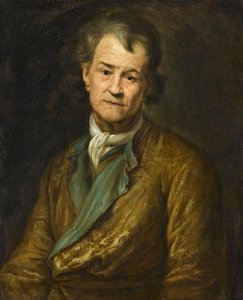
Pierre Puget
1620 - 1694 , Prantsusmaa
Lühikest infot
- Artistic Movement Or Style: Barokk
- Artists Who Influenced This Artist:
- Annibale Carracci
- Rubens
- Michelangelo
- Bernini
- Date Of Birth: 1620
- Date Of Death: 1694
- Full Name: Pierre Puget
- Nationality: Prantsusmaa
- Notable Artworks:
- Hercules puhkab
- Faun terracotta
- Hôtel de Ville'i uks
- Püha Peetri kivitamine
- Fregatt merel
- Place Of Birth: Marseille, Prantsusmaa
Sarnased artiklid

Pierre-Auguste Renoiri 25 parimat teost: Impressiooni ja ilu meistriteosed kodus
Avastage Pierre-Auguste Renoiri 25 parimat teost! Sukelduge impressioonismi maailma, nautides valgusrikkaid maale ja romantikat. Kunstiteosed kodu sisustuseks – eksklusiivne kollektsioon OriginalUniqueArt.com'is. Vaata kohe!

The Dramatic Flourish: Exploring the Baroque Movement's Enduring Legacy in Art History
Explore the dramatic world of Baroque art! Discover iconic artists like Caravaggio & Rubens, defining techniques, and its lasting impact on art history. Expert insights for collectors & enthusiasts at OriginalUniqueArt.

Baroki draama ja luksus: Kuidas ajalooline elegants kaasaegsesse interjööri tuua
Avastage baroki maalide võlu OriginalUniqueArt'is! Käsitsi valmistatud reproduktsioonid, fotodest maalid ja ekspertkonsultatsioonid. Toome ajaloolise elegantsi Teie interjööri. Kvaliteet garanteeritud!

Baroki tippteosed: 10 kunstiteost, mis muutisid maailma
Sukeldu baroki maailma! Avasta 10 meistriteost, mis defineerisid kunstivoolu – Rembrandt, Caravaggio jt. Loe lugusid, vaata värve ja naudi ajatu ilu. Leia inspiratsiooni interjööriks OriginalUniqueArt.com-ist!

Baroque Classicism: The Grandeur of Order and Drama in 17th-Century Art History
Explore the profound elegance of Baroque Classicism. Discover how 17th-century masters synthesized dramatic emotion with classical order through the lens of the Counter-Reformation and the works of legends like Carlo Maratta and Andrea Sacchi.
