

 Vaata sisu
 Jaga teost
 Jaga
Jaga
 Detailid
 Õppekate juhend

 Laadi alla
 Sarnased teosed
 Röntgenuuring
 Slaidietendus
 Statistika
David Jonston
 Oil On Canvas
- WallArt
- Romanticism
 1808
1808- 19th Century
 55.0 x 46.0 cm
 Loe lähemalt
Käsitsi valmistatud õlimaalireproduktsioon
Meie kunstnike poolt tellimusel valmistatud käsitsi maalitud õli-kainaste teos teie soovitud suuruses ja raamis. ( Lülita trükkitoodetele Ülemineku digitaalse pildi müügi kanalisse)




P118B €10

P118H €10

P118W €10

P438Z €10

P508JH €12

P508YH €12

P805H €10

P805Z €10

P919BZ €10

P919G €10

P919XJ €10

P959ZH €10

P968JZ €12

W106C €8

W218G €10

W218JH €8

W218Y €10

W307PJ €10

W316G €10

W316PJ €8

W316Y €10

W398PJ €8

W4111J €10

W500HY €15

W500JH €15

W692G €12

W849H €8

W940BG €15

W953PJ €8




Vali meie eelmääratud suurused, mis vastavad teose algupärastele proportsioonidele.

Sisestage vajalik laius ja kõrgus, et teos sobiks teie raamile või seinale. Kuna tegu on käsipainatud teosega, siis erineva kujuga suuruse korral võib kunstnik jätta pildi ümber veidi rohkem marginaali või lõigata osa ära — valik on teie. Enne maali alustamist saadame teile kinnitamiseks digitaalse näidisprojektsiooni. Sellel lehel näidatud pilt ei kajasta tegelikku tulemust — seda näitab ainult näidisprojekttsioon.
Pärast tellimust saadab OriginalUniqueArt.com meeskond kliendile e-posti juhised ning esitab eelvaate kavandi
Maailmline tarne 3–4 nädala jooksul tavalise 5 nädala asemel. (25 oktoober). Kvaliteedis kompromisse ei tehta.

Tasuta ekspresssaatmine üle maailma

Kõrgekvaliteediline lina-kangastest muld

Täielik transpordikindlustus

Tollimaksude tagastamise garantii

Värvitoime täpsuse garantii

100 päeva tagastusõigus (ainult defektide korral)

100% raha tagasi garantii

Hulgusoodustus
 Klaasivalik on saadaval ainult kuni 110 cm suuruses teostes

David Jonston
Reproduktsiooni materjal
Reproduktsiooni mõõtmed
-


Lõppsumma
€ 263
A Glimpse into Romantic Introspection
In the quiet depths of Pierre-Paul Prud'hon’s 1808 masterpiece, David Jonston, viewers are invited into a private moment of profound contemplation. This exquisite oil on canvas serves as a quintessential window into the heart of the Romantic era, capturing far more than a mere likeness of a young man. Through his masterful command of the medium, Prud'hon presents a subject whose gaze, directed slightly away from the viewer, suggests a soul lost in thought, perhaps reflecting on the fleeting nature of youth or the weight of personal destiny. The portrait is not simply a record of a face, but an exploration of the internal landscape, where a subtle, enigmatic smile dances on the lips, hinting at a hidden narrative known only to the sitter.
The technical brilliance of the work lies in Prud'hon’s sophisticated use of chiaroscuro, a technique that defines much of his celebrated legacy. By emerging from an indistinct, shadowy background, the figure of David Jonston gains a remarkable three-dimensionality, as if he were stepping forward from the darkness into the light of the viewer's presence. The soft, diffused lighting plays delicately across the subject’s fair skin and the intricate textures of his attire, creating a sense of palpable realism. This interplay of light and shadow does more than provide depth; it imbues the painting with a melancholic, dreamy atmosphere that is the hallmark of Prud'hon’s unique transition from Neoclassical precision to Romantic emotion.
Elegance and Historical Resonance
Every detail within the frame contributes to the painting's aura of refined elegance. The subject is dressed in the formal fashion of the early 19th century, featuring a high-collared black coat that frames his face with stark, dignified contrast. Beneath this, the delicate ruffles of a white shirt add a touch of softness and aristocratic grace, showcasing the artist's ability to render varied textures—from the heavy weight of fine wool to the light, airy quality of linen. These sartorial elements do not merely ground the portrait in its historical moment; they serve as symbols of status and the structured social graces of the era, even as the subject's expression suggests a departure from such rigid formalities.
For the discerning collector or interior designer, David Jonston offers an unparalleled opportunity to introduce a sense of historical gravity and emotional depth into a space. As a high-quality reproduction, this piece brings the prestige of the French Romantic movement into the modern home, acting as a sophisticated focal point that sparks conversation and invites quiet reflection. Whether placed in a curated gallery wall or standing alone as a statement piece in a study, the painting’s ability to evoke nostalgia and timeless beauty makes it an enduring treasure for those who appreciate art that speaks to the complexities of the human spirit.
Küsimused ja vastused
Millest on teos "David Jonston" valmistatud?
Teose „David Jonston“, autor Pierre-Paul Prud'Hon materjal on Oil On Canvas. Reproduktsioonide eesmärk on jälitada selle tehnika välimust.
Kuidas seda teost „David Jonston“, autor Pierre-Paul Prud'Hon saab kasutada kodukujunduses?
Kasutus (Mood) ja ruum (Living Room) on kaks soovitust, mis on kirjas teose „David Jonston“, autor Pierre-Paul Prud'Hon kohta.
Millist värviharmoniat esitab „David Jonston“, autor Pierre-Paul Prud'Hon?
Teose „David Jonston“, autor Pierre-Paul Prud'Hon värvid kujutavad Softly Mixed Palette harmooniat. Harmoonia kirjeldab, kuidas värvid omavahel seotud on.
Kunstniku elulugu
Pierre-Paul Prud'hon: Varju ja Valguse Meister
Pierre-Paul Prud’hon, sündinud 1758. aastal Clunys Prantsusmaal, oli kunstnik, kelle nimi on tihedasti seotud prantsuse kunsti üleminekuga neoklassitsismist romantismi. Tema loomingut iseloomustab sügav psühholoogiline lähenemine portreekunstis ning võimas allegooriline keel, mis peegeldas ajastu muutlikku vaimu. Prud’hon ei olnud pelgalt oma aja kunstnik – ta oli sillaehitaja kahe olulise stiili vahel, meister, kes suutis ühendada klassikalise vormitäpsuse ja emotsionaalse intensiivsuse.
Algusaastad ja Koolkonna Mõjud
Prud’honi kunstiline tee algas provintsilinnas Clunys, kus ta sai esimesed õppetunnid kohalike kunstnike käest. 1774. aastal pälvis ta Dijonis asuva École de Dessini stipendiumi, mis avas talle uksed formaalsele kunstiõppele. See oli oluline samm tema arengus, andes võimaluse süveneda joonistamistehnikasse ja kunstiajaloo tundmaõppimisse. 1784. aastal suundus Prud’hon Rooma, mis kujunes tema jaoks määrava tähtsusega perioodiks. Itaalias õppis ta klassikalise kunsti suurmeisterite teoseid, imetledes eriti Antonio Canova skulptuure ja Correggio maale. Roomas omandatud elegantsi ja idealiseeritud vormide tunnetus jätsid sügava jälje tema varajasele stiilile.
Revolutsiooni Lained ja Napoleoni Patronaaž
Prud’honi looming tõusis esiplaanile Prantsuse revolutsiooni keerulistel aegadel. Ta lõi mitmeid vignetid, raamatuillustratsioone ning allegoorilisi teoseid, mis kajastasid vabariiklikke ideaale ja ajastu poliitilist sündmuste keerukust. Tema oskus tabada hetke emotsionaalset pinget ja ühendada kunstiline ilu revolutsiooni vaimuga tõi talle kiiresti tuntud nime. 1800ndate alguses pälvis Prud’hon Napoleoni Bonaparte'i tähelepanu, kes tellis temalt portreed Joséphine de Beauharnais’st ja Marie-Louise d’Autriche’ist. Eelkõige Joséphine’i portree, mis kujutas teda mitte keisrinnana, vaid võluva naisena, äratas suurt tähelepanu ning vallandas spekulatsioone kunstniku ja endise kuninganna vahelisest armusuhtest.
Stiili Sulandumine ja Olulised Teosed
Prud’hon oli meisterlikult võimeline navigeerima oma aja muutuvate kunstisuundade seas, integreerides oma loomingusse nii neoklassitsismi kui ka romantismielemente. Ta säilitas klassikalise kompositsiooni ja vormi tugevuse, kuid lisas oma maalidele emotsionaalset sügavust ja dramaatilist valgust, mis viitas tulevastele romantilistele vooludele. Tema teosed on täis sümbolikat ning peegeldavad inimhinge keerukust. Madame Georges Anthony ja tema kaks poega (1796) on varajane näide tema portreekunstist, mis demonstreerib rafineeritud elegantsi. Hinge rebimine maa külgedest on võimas allegooriline töö, mis tõestab tema oskust edasi anda keerulisi emotsioone sümbolilise kujunduse kaudu. Õnne uni uurib poeetilisel moel inimlikke püüdlusi ja soove. Ristilöömine (1822), mis telliti Saint-Étienne'i katedraalile Metzis, on nüüd Louvre’is ning seda peetakse tema olulisemaks saavutuseks.
Mõju ja Ajalooline Tähtsus
Prud’hon avaldas märkimisväärset mõju järgnevatele prantsuse kunstnike põlvedele. Tema meisterlik chiaroscuro-tehnika, oskus lisada portreedele psühholoogilist sügavust ning neoklassitsismi ja romantismielementide süntees tegid temast kõrgelt respekteeritud figuuri kunstimaailmas. Kunstnikud nagu Théodore Géricault ja Eugène Delacroix tunnistasid tema mõju, ammutades inspiratsiooni tema dramaatilistest kompositsioonidest ja emotsionaalsest väljendusvõimest. Ka Stendhal, Millet ja Baudelaire tunnustasid Prud’honi kunstilisi voorusi, kinnistades tema koha prantsuse kultuuriajalukku. Tema loomingut iseloomustab võimas tunnetuslikkus ning oskus tabada inimhinge varjatud nüansse, muutes temast ajatu klassiku.

Pierre-Paul Prud'Hon
1758 - 1823 , Prantsusmaa
Lühikest infot
- Artistic Movement Or Style: Neoklassitsism & Romantism
- Artists Or Movements Influenced By This Artist:
- Théodore Géricault
- Delacroix
- Artists Who Influenced This Artist:
- Antonio Canova
- Leonardo da Vinci
- Correggio
- Date Of Birth: 4. aprill 1758
- Date Of Death: 16. veebruar 1823
- Full Name: Pierre-Paul Prud'hon
- Nationality: Prantslane
- Notable Artworks:
- Madame Georges Anthony...
- The Soul Breaking the Links
- The Dream of Happiness
- Crucifixion
- Place Of Birth: Cluny, Prantsusmaa
Sarnased artiklid
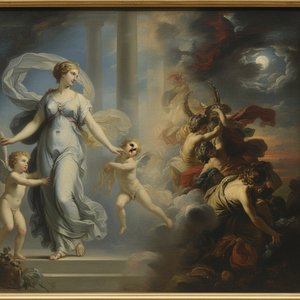
Pierre-Paul Prud'hon: Exploring Neoclassical Sensibility & Romantic Precursors
Explore the captivating world of Pierre-Paul Prud'hon, a pivotal French painter bridging Neoclassicism & Romanticism. Discover his allegorical masterpieces and lasting influence on 19th-century art history.
Paul Klee Parimad Teosed: 25 Kunstiteost, Mis Inspireerivad | OriginalUniqueArt
Avastage Paul Klee 25 parimat teost! Sukeldume ekspressionismi, kuubism ja abstraktse kunsti maailma. Lugege kunstniku lugusid ning leidke inspiratsiooni interjööridisainiks OriginalUniqueArt.com-is. Avastage kõik meistriteosed veebis!

Pierre-Auguste Renoiri 25 parimat teost: Impressiooni ja ilu meistriteosed kodus
Avastage Pierre-Auguste Renoiri 25 parimat teost! Sukelduge impressioonismi maailma, nautides valgusrikkaid maale ja romantikat. Kunstiteosed kodu sisustuseks – eksklusiivne kollektsioon OriginalUniqueArt.com'is. Vaata kohe!

Romantic Realism's Finest: 10 Masterpieces for Your Home | OriginalUniqueArt
Explore 10 defining masterpieces of Romantic Realism! Discover Courbet, Millet & Daumier's powerful paintings—capturing emotion and social realities. Find museum-quality reproductions for your home at OriginalUniqueArt.com.

Paul Cézanne: 25 Meisterteost, mis Muutsid Maailma Kunsti | OriginalUniqueArt
Avastage Paul Cézanne 25 kõige ikoonilisemat teost! Sukeldume postimpressionismi maailma, värviliste still life'ide ja Mont Sainte-Victoire maalide lugudesse. Leidke inspiratsiooni interjööri disainiks OriginalUniqueArt.com-is. Vaadake maali reproduktsioone!