Menüü

() ·

A painting made for you, by hand

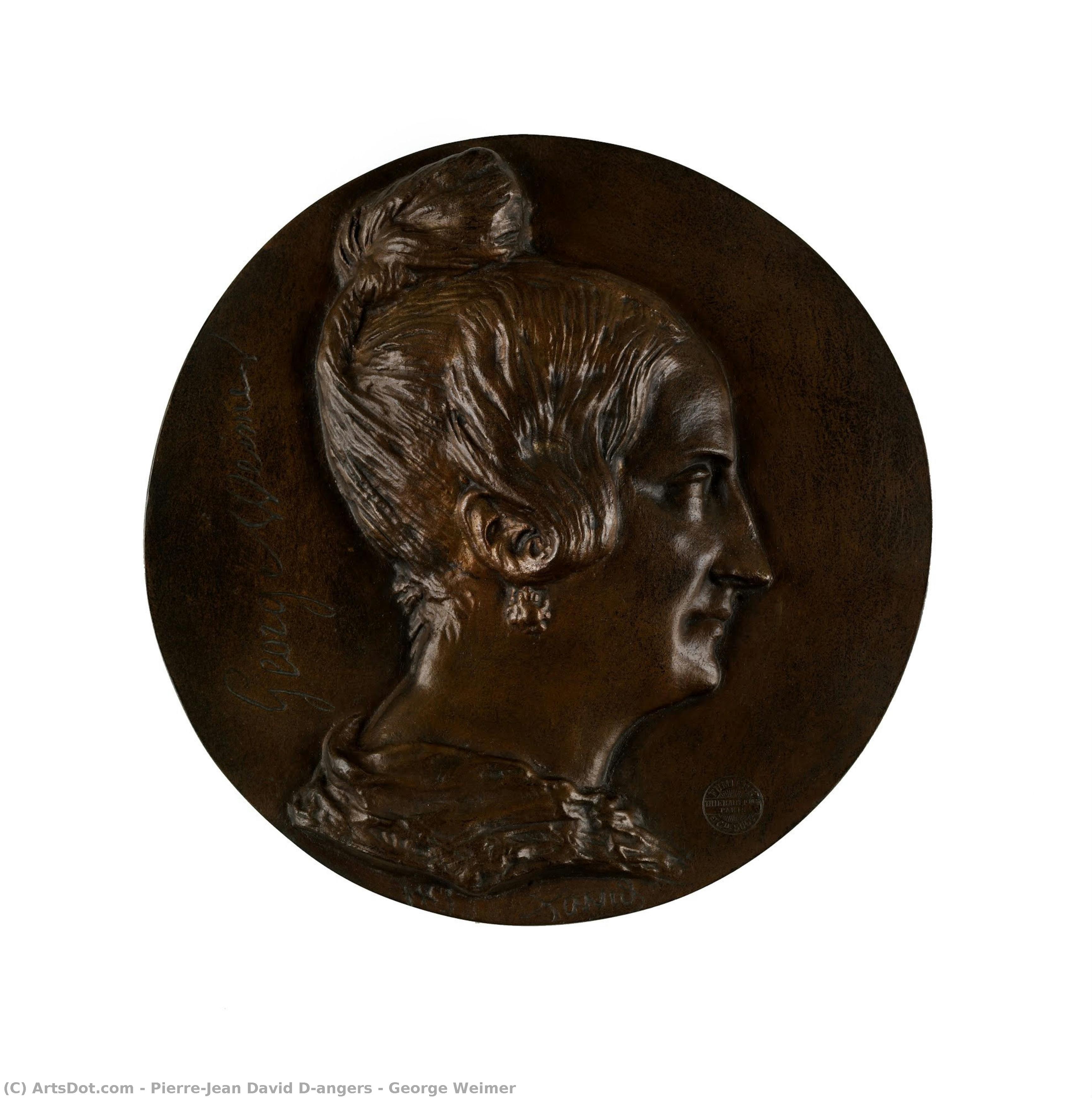
George Weimer

Käsitsi valmistatud õlimaalireproduktsioon

Meie kunstnike poolt tellimusel valmistatud käsitsi maalitud õli-kainaste teos teie soovitud suuruses ja raamis. ( Lülita trükkitoodetele Lülita digitaalse pildi juurde)

Kogumisobjekti kirjeldus

A striking bronze coin portrait of George Weimer, sculpted by Pierre-Jean David d’Angers. This piece captures the dramatic intensity of the French actress's life and legacy.

Kunstniku elulugu

Pierre-Jean David d'Angers (1788-1856): Prantsuse skulptor ja medali kunstnik, kes on tuntud neoklassikaliste portreede, monumentaalte teoste nagu Panteoni friis ja kangelaslikud kujud poolest. Avastage tema pärandit!

from ·

Chapter 1

How large should it be?

Slide to change the size; the picture on the left shows the frame at its real width. The proportions of the original are kept.

Standardne suurus
kohandatud
CM
INCH

Vali meie eelmääratud suurused, mis vastavad teose algupärastele proportsioonidele.

laius
kõrgus

Sisestage vajalik laius ja kõrgus, et teos sobiks teie raamile või seinale. Kuna tegu on käsipainatud teosega, siis erineva kujuga suuruse korral võib kunstnik jätta pildi ümber veidi rohkem marginaali või lõigata osa ära — valik on teie. Enne maali alustamist saadame teile kinnitamiseks digitaalse näidisprojektsiooni. Sellel lehel näidatud pilt ei kajasta tegelikku tulemust — seda näitab ainult näidisprojektsioon.

Chapter 2

How should it arrive?

Choose the edges of the stretched canvas

Choose your frame

Corner sample of the WhiteWrap canvas edge finish, stretched on massivpuit bars
White €1
Corner sample of the BlurSideWrap canvas edge finish, stretched on massivpuit bars
Blurside €1
Corner sample of the ExtendedWrap canvas edge finish, stretched on massivpuit bars
Extended €1
Corner sample of the P118B picture frame: vormitud polüstüreen, 5 cm wide and 3 cm thick
P118B €10
Corner sample of the P118H picture frame: vormitud polüstüreen, 5 cm wide and 3 cm thick
P118H €10
Corner sample of the P118W picture frame: vormitud polüstüreen, 5 cm wide and 3 cm thick
P118W €10
Corner sample of the P438Z picture frame: vormitud polüstüreen, 5.5 cm wide and 3.5 cm thick
P438Z €10
Corner sample of the P508JH picture frame: vormitud polüstüreen, 7 cm wide and 3.5 cm thick
P508JH €12
Corner sample of the P508YH picture frame: vormitud polüstüreen, 7 cm wide and 3.5 cm thick
P508YH €12
Corner sample of the P805H picture frame: vormitud polüstüreen, 5 cm wide and 3.5 cm thick
P805H €10
Corner sample of the P805Z picture frame: vormitud polüstüreen, 5 cm wide and 3.5 cm thick
P805Z €10
Corner sample of the P919BZ picture frame: vormitud polüstüreen, 7 cm wide and 3.5 cm thick
P919BZ €10
Corner sample of the P919G picture frame: vormitud polüstüreen, 7 cm wide and 3.5 cm thick
P919G €10
Corner sample of the P919XJ picture frame: vormitud polüstüreen, 7 cm wide and 3.5 cm thick
P919XJ €10
Corner sample of the P959ZH picture frame: vormitud polüstüreen, 5 cm wide and 3 cm thick
P959ZH €10
Corner sample of the P968JZ picture frame: vormitud polüstüreen, 6 cm wide and 4 cm thick
P968JZ €12
Corner sample of the W106C picture frame: massivpuit, 5 cm wide and 3 cm thick
W106C €8
Corner sample of the W218G picture frame: massivpuit, 5 cm wide and 3 cm thick
W218G €10
Corner sample of the W218JH picture frame: massivpuit, 5 cm wide and 3 cm thick
W218JH €8
Corner sample of the W218Y picture frame: massivpuit, 5 cm wide and 3 cm thick
W218Y €10
Corner sample of the W307PJ picture frame: massivpuit, 6 cm wide and 3 cm thick
W307PJ €10
Corner sample of the W316G picture frame: massivpuit, 6 cm wide and 3 cm thick
W316G €10
Corner sample of the W316PJ picture frame: massivpuit, 6 cm wide and 3 cm thick
W316PJ €8
Corner sample of the W316Y picture frame: massivpuit, 6 cm wide and 3 cm thick
W316Y €10
Corner sample of the W398PJ picture frame: massivpuit, 5 cm wide and 3 cm thick
W398PJ €8
Corner sample of the W4111J picture frame: massivpuit, 6.5 cm wide and 3.5 cm thick
W4111J €10
Corner sample of the W500HY picture frame: massivpuit, 7 cm wide and 5 cm thick
W500HY €15
Corner sample of the W500JH picture frame: massivpuit, 7 cm wide and 5 cm thick
W500JH €15
Corner sample of the W692G picture frame: massivpuit, 8 cm wide and 4 cm thick
W692G €12
Corner sample of the W849H picture frame: massivpuit, 5 cm wide and 3 cm thick
W849H €8
Corner sample of the W940BG picture frame: massivpuit, 7.5 cm wide and 4.5 cm thick
W940BG €15
Corner sample of the W953PJ picture frame: massivpuit, 6 cm wide and 3.5 cm thick
W953PJ €8
Corner sample of the H24-GOLD picture frame: kareeritud puit ja gesso, 10 cm wide and 6 cm thick
H24-GOLD €30
Corner sample of the H24-SILVER picture frame: kareeritud puit ja gesso, 10 cm wide and 6 cm thick
H24-SILVER €30
Corner sample of the H36-GOLD picture frame: kareeritud puit ja gesso, 15 cm wide and 6.5 cm thick
H36-GOLD €45
Corner sample of the H36-SILVER picture frame: kareeritud puit ja gesso, 15 cm wide and 6.5 cm thick
H36-SILVER €45
Raami eelvaade
Raamitud

Moulding: . Overall size with the frame: .

Chapter 3

Who paints it, and should anything change?

Examples of what can be changed: Replace face with customer photo; Add pet (e.g., replace cat with dog); Include hidden message in background; Change background landscape or elements.
After order, OriginalUniqueArt.com team will email client for instructions and provide a mockup preview

Maailmline tarne 3–4 nädala jooksul tavalise 5 nädala asemel. (30 oktoober). Kvaliteedis kompromisse ei tehta.

Chapter 4

The finishing touches

A nameplate, as in a museum?

Graveeritud pronksplaadi üksikasjad

This elegant plaque features the artist's name and the title of the artwork, finely engraved for a timeless presentation.

It is made from bronze with a refined, elegant finish. The text is precisely laser-engraved for a sharp and permanent result. Measuring 9x2 cm, the plaque is compact yet easy to read. It's built to be durable and scratch-resistant, offering a professional, museum-quality look. Mounting is simple thanks to the included adhesive backing.

Läbipaistva akrüülplaadi üksikasjad

The plaque includes essential engraved details such as the artist's name, the title of the artwork, the date it was created, the type of media used-like oil on canvas or watercolor-a brief description of the piece, and a QR code that links to the complete artwork information.

It is crafted from clear acrylic, offering a sleek, modern appearance. The text is UV-engraved in black to ensure strong visual contrast. With a size of 10x15 cm, it ensures optimal readability. It comes equipped with two metal hooks for secure wall mounting. The plaque is designed to be weather-resistant, making it suitable for various environments, and it includes interactive features that work seamlessly with smartphone scanning.

Musta akrüülplaadiรายละเอียด (Note: The user provided "Musta akrüülplaadi detailid" as the current translation and asked for an improved version. Since "Musta akrüülplaadi

This elegant plaque includes engraved information such as the artist's name, the title of the artwork, the date it was created, the type of media used (like oil on canvas or watercolor), a short description of the artwork, and a QR code for quick access to more information.

The plaque itself is made from refined black acrylic with a premium finish. The text is laser-engraved in white for high contrast and readability. Its size is 10x15 cm, designed to be easy to read. It comes with two metal hooks for professional mounting. The design is sleek and fits any interior style. It is also weather-resistant and durable, with built-in digital integration for mobile compatibility.

A protective varnish?

When do you need it?

Chapter 5

Your painting, as you ordered it

George Weimer

Reproduktsiooni tehnika

Reproduktsiooni suurus

-

Eelistatud tippkunstnik

Rohkem detaile, peenust ja lisatootmisaega

-

Reproduktsiooni raamivalikud

-

-

Kunstiteoste või reproduktsioonide puhul, mille üks külg on üle 105 cm (umbikmolt 41 tolli), saadetakse raam kirjal asendis, la Dismantlitud komplektina. See meetod tagab ohutuse kohaletoimetamisel ja väldib transpordil tekkivaid kahjustusi.

Vajalik professionaalne kokkupanek – see ei ole isetegevusega valmistamiseks mõeldud toode.
Komplekt tuleb kokku panna ja lõvet pingutada kogemusega professionaalse raamija, kasutades puiduliim (ei kuulu komplekti), lõvetpingi ja klempe, et hoida raami kande mustad õigena liimi kuivamisaja jooksul. Vale kokkupanek või ebaühtlane lõvetping võib kunstiteost püsivalt kahjustada ning seda ei katta meie garantii.

  • Kaasatud on kõik tahked puidust liistud, täpselt lõigatud vastavaks suuruseks.

  • Kokku panemiseks kasutatakse lisatud kruvisid ning nurkade liimamiseks vajalikku puuliima, mida ei ole komplektis ja mida peab raamivalmistaja ise hankima.

  • Vajalik on kasutada professionaalseid tööriistu, mis ei kuulu komplekti: lõvetelapide pingist (pingutaja) ja klambreid, et hoida raami puidu nurgas õigena liimi kuivamisaja jooksul.

Oluline:
Nurgaliimamiseks on vaja puiduliim, liimimine peab toimuma klempide all kuni liim on täielikult kuivanud ning kokku monteeritud raami kanga pingutamiseks on vajalik kanga pingutustang. Kumbki neist ei kuulu komplekti. Palun veenduge enne selle suuruse tellimist, et teil on saadaval kogenud professionaalne raamistaja.

Nimesildikiri

-

-

Kaitsevärnitsus

Läikiv lakk (muudab värvid elavamaks ning kaitseb valgust ja niiskust eest)

-

Kohanda oma teost

Näiteid muudatuste kohta: Asenda nägu kliendi fotoga; Lisa lemmikloom (nt asenda kass koeraga); Lisa taustale peidetud sõnum; Muuda tausta maastikku või elemente.

-

Kiire tarne

Ülemaailmne tarne riiki 3–4 nädalaga tavalise 5 nädala asemel. (30 oktoober). Kvaliteedis kompromisse ei tehta.

-

Kiirsaatmine

Ülemaailmne tarne () 5 nädala jooksul. (6 november).

Sisse kuuluv

Koguhind

€ 265

Kogu summa € 265

Klaasivalik on saadaval ainult kuni 110 cm suuruses teostes

Included with every order

  • Tasuta ekspresssaatmine üle maailma
  • Kõrgekvaliteediline lina-kangas
  • Täielik transpordikindlustus
  • Tollimaksude tagastamise garantii
  • Värvitoime täpsuse garantii
  • 100 päeva tagastusõigus (ainult valmistusdefektide korral)
  • 100% raha tagasi garantii
  • Hulgusoodustus

A Portrait of Romanticism: George Weimer by Pierre-Jean David d'Angers

The image before you isn’t merely a depiction of a man; it’s a window into the heart of 19th-century France, a poignant study in melancholy and quiet dignity. This captivating portrait of Marguerite-Josephine Weimer, known as Mademoiselle George, is a masterful work by Pierre-Jean David d'Angers, executed around 1833, and now meticulously reproduced for discerning collectors and admirers of Romantic art. David’s skill lies not just in capturing likeness, but in imbuing his subject with an almost palpable sense of introspection – a quiet sorrow that resonates deeply even across the centuries.

The composition itself is deceptively simple. A close-up view focuses on Weimer's face, rendered with exquisite detail. The bronze coin serves as a compelling backdrop, its smooth surface and intricate design offering a subtle contrast to the softness of her features. Her gaze, directed downward, speaks volumes – it’s not a look of defiance or anger, but rather one of quiet resignation, perhaps reflecting the challenges faced by a woman navigating the demanding world of Parisian theatre in an era where female performers often struggled for recognition and respect. The pearl necklace, a symbol of elegance and status, hints at her past successes, while the hat adds a touch of formality, suggesting a life lived within the constraints of societal expectations.

The Artist and His Time

Pierre-Jean David d'Angers (1788-1856) was a pivotal figure in French art during a period of dramatic social and political change. Born in Angers, he initially trained as a woodcarver before being drawn to the burgeoning world of sculpture. His early apprenticeship with Jacques-Louis David, the celebrated neoclassical painter, provided him with a rigorous foundation in artistic technique and a deep understanding of classical ideals. However, David d’Angers quickly developed his own distinctive style, embracing the emotional intensity and dramatic narratives characteristic of the Romantic movement. His work frequently explored themes of heroism, tragedy, and the human condition – subjects that mirrored the turbulent times he inhabited.

The portrait itself was created during a period of intense artistic experimentation and social upheaval. The Napoleonic era had left France profoundly changed, and artists were grappling with questions of identity, national pride, and the role of art in shaping public opinion. David d’Angers's decision to adopt the name “David d’Angers” – a deliberate homage to his master while asserting his own artistic lineage – reflects this complex interplay between tradition and innovation.

Symbolism and Emotional Resonance

Beyond its technical brilliance, the portrait is rich in symbolic meaning. The downward gaze of Weimer suggests introspection and perhaps a sense of isolation—a common theme within Romantic art. The coin, with its intricate details, could represent fleeting beauty or the ephemeral nature of fame. It’s a subtle reminder that even the most celebrated figures are ultimately subject to time and decay. The choice of bronze as the medium further enhances this sense of permanence and timelessness – a material chosen for its durability and ability to capture both form and texture with remarkable fidelity.

The portrait's emotional impact is undeniable. It’s not a celebratory depiction of beauty, but rather a poignant exploration of human vulnerability. Weimer’s expression invites the viewer to contemplate her story – her struggles, her triumphs, and ultimately, her enduring legacy as a captivating performer in a world that often failed to recognize her worth.

A Legacy Reimagined

This meticulously crafted reproduction captures not only the visual details of David d’Angers's original masterpiece but also its profound emotional resonance. Whether adorning a grand salon or a more intimate space, this artwork offers a captivating glimpse into the heart of Romanticism – a testament to the enduring power of art to illuminate the human experience. The quality of the reproduction ensures that every nuance of the original is faithfully preserved, allowing you to appreciate the artist’s skill and the subject's story with unparalleled clarity.

Consider this piece as more than just decoration; it’s an investment in a timeless work of art—a conversation starter, a source of inspiration, and a beautiful addition to any collection.

Korduvad küsimused

Millist väripaletti teoses „George Weimer“, autor Pierre-Jean David D'Angers on kasutatud?

Teose "George Weimer" värvid moodustavad Neutrals paleti. See klassifikatsioon kirjeldab domineerivaid värvigruppe.

Kas teos "George Weimer" on üldmuljelt pigem hele või tumene?

Teose "George Weimer" üldine ere on brilliant ning selle luminants on Luminous.

Millises ruumis on soovituslik "George Weimer" näidata, arvestades selle värvilaudu?

Teose „George Weimer“, autor Pierre-Jean David D'Angers Neutrals värvigamma sobib suurepäraselt selle soovituslikule ruumile: Living Room.

More about this painting

Eelvaade AR-eelvaade Lülita trükkitoodetele Lülita digitaalse pildi juurde Saada
Teave teose kohta Juhend Lisa lemmikutesse Laadi alla Sarnased teosed Röntgenuuring Slaidietendus Q&A Statistika

In numbers

  • 1833the year it was painted
  • 29frames to choose from
  • standard sizes, in its own proportions
  • 5weeks to paint and deliver it
Pierre-Jean David D'Angers

Pierre-Jean David D'Angers

1788 - 1856, Prantsusmaa

Quick facts about Pierre-Jean David D'Angers

  • Artistic Movement Or Style: Neoklassitsism
  • Artists Who Influenced This Artist:
    • Jacques-Louis David
    • Philippe-Laurent Roland
  • Date Of Birth: 1788
  • Date Of Death: 1856
  • Full Name: Pierre-Jean David d'Angers
  • Nationality: Prantsusmaa
  • Notable Artworks:
    • Haavatud Philopoemen
    • La Douleur
    • Epaminondas
  • Place Of Birth: Angers, Prantsusmaa

Kunstniku elulugu

Kiviga kividla sõmitud: Pierre-Jean David d’Angers elu ja kunst

Sündides Prantsusmaal Angersis aastal 1788, alustas Pierre-Jean David oma kunstilist teekonda armsas republikaanses põletuses, mis määratas su suure osa tema elust ja loomingust. Alguses õppis noor David puusepcana – oma isa – juures, ning näitas kiiresti skulptuuri loovust, mis tõi teda suuremate ambitsioonideni. Saabus Pariisi aastal 1endas, linna, mis oli täis nii klassikalist traditsiooni kui ka revolutsionaarset vaimu, et otsida õpetust École des Beaux-Arts-is Philippe-Laurent Rolandilt. See periood oli kujundav, juuretades teda neoklassikilistesse põhimõttele, samas kui ta kokkupuudus kasvava romantilismiga. Murdepunkt llegó aastal 1809, kui ta astus Jacques-Louis Davidi stuudiosse, võtes endale nime “David d’Angers” mitte ainult professionaalsete märkina, vaid teadlikult oma pärandi ja kunstilise ambitsiooni kinnitamisena – eristudes nii oma kuulsast meistrist. See nimevalik märkas soovist luua oma teed, samas kui ta tunnustas selle ajastu juhtiva maaliartistide sügavat mõjutust. Tema Pariisi aastaid olid tähistatud varajaste raskustega, kuid ta ei andnud alla, saades tuntuks juba 1810. aastal teose “Othryades” abil ning saavutades lõpuks prestiižse Prix de Rome auhinja 1811. aastal oma skulptuuri "Epaminondas" eest.

Rooma unelmist neoklassikalisse meistriteoks

Viis aastat, mille David d’Angers veetis Roomas aastatel 1811 kuni 1816, tõsid tema kunstivisiiooni sügavalt muudetult. Süvenedes klassikalisse antikule ja olles mõjutatud meistritest nagu Antonio Canova, täritus tema kunstiline nägemus. Ta imarus endasse Greek skulptuuri ideaale – rõhuasetust idealiseeritud vormile, kangelaslikule narratiivile ja emotsionaalsele endetsusele –, kuid hakkas neid põhimõtteid tägema oma isikupärase tundlikkusega. See periood ei olnud pelgalt akadeemiline õppimine; see oli ka poliitiline ärkamine. Bourboni monarhia taastamine Prantsusmaal kestas tema naasmisele varju, põhjustades lühikese peituviisi Inglismaal, kus ta kohtas nii imetlemist kui ka kriitikat seoses oma sidumusega Jacques-Louis Davidiga, kellel oli olnud seos revolutsionaarse režiimiga. Kuid Pariisis leidis tema talent kiiresti lemmiku. Ta become kuulus oma portreemedaljonide poolest – hämmastavalt detailset ja psühholoogiliselt sügavleid esitusi prominentsetest isikutest –, samuti monumentaalsete skulptuuride poolest, mis tähistasid kodanikulikku väärikust ja rahvuslikke kangelasi. Tema töö triumfikaarel ja Louvre'is näitas varajast meistripalet suurprojektides, kinnistades teda skulptorina, kes on võimeline tegema ambitsiootseid tellimusi.

Kangelaste ja ideaalide skulptor

David d’Angersi kunstiline looming oli märkimisväärselt mitmekülgne, hõlmates kujutisse nii статуusid, basreliefid, ahusid kui ka, kõige olulisemalt, portreemedaljonid. Tal oli erakordne võime tabada mitte ainult füüsilist sarnasu, vaid ka oma teema sisemist iseloomu. Tema portreetsid ei olnud lihtsalt esitused; need olid interpretatsioonid – täidetud väärikuse, intelligentsuse ja moraalse tugevusega. Tema kuulsuste hulka kuuluvad Louvre'is asuv “Haavatud Philopoemen”, mis on Greek generaali traagilise saatusest kurb esitus, ning "La Douleur", mis näitab tema oskust emotsionaalses väljenduses. Kuid just tema monumentaalsed tellimused kinnistasid tema mainet tõeliselt. Panthéonile Pariisis loodud pedimentiskulptuur on ehk tema kõige olulisem saavutus – laialdane allegoriline esitus Prantsuse patriotismist ja intellektuaalsest pärandist. Teised märkimisväärsed teosed on Strasbourgis asuv Gutenberg monument ja Père Lachaise kalmistul asuv General Goberti ratsustatud statue, mis mõlemad on tunnistused tema oskusest edastada jõudu ja dünaamikat skulpturaalses vormis. Ta lõi samuti Lafayette'i busti USA kongressile, sümbolina Prantsusmaa-Ameerika sõprusle.

Püsiv mõju: pärand ja ajalooline tähendus

Pierre-Jean David d’Angers oli rohkem kui lihtsalt skulptor; ta oli oma aja produkt – revolutsiooni, imperiumi ja restaureerimise nn tunnistaja. Tema kunst peegeldab poliitilisi ja intellektuaalseid voolu, mis kujundas 19. sajandi Prantsusmaad. Ta omakasutas republikaarseid ideale, tähistades isikuid, kes kehastasid julgust, ausust ja pühendumust avalikule teenistusele. Kuigi ta oli kindlalt juurtunud neoklassikalisse traditsiooni, ennustas tema töö ka romantismi ilmumist oma rõhuasetusega emotsionaalse intensiivsuse ja dramaatilise loo peale. Tema mõju ulatus üle skulptuuri valdkonna, inspireerides kunstnikke põlvkondadeks ja kujundades Prantsuse visuaalset maastikku. Täna on tema teoseid leidis maailma tunnustatud muuseumidest, sealhulgas The Walters Art Museum Baltimores, ning The Metropolitan Museum of Art New Yorkis. Musée David Angersis toimib tema kunstipärandi pühendunud hoiustajana, säilitades tema pärandi tulevikeks põlvedeks. David d’Angers jääb kütkestavaks kujuks – skulptoriks, kes ei tabanud mitte ainult kangelaste sarnasu, vaid kehastas ka ühe ajastu vaimu. Tema võime ühendada klassikaline vorm koos romantilise väljendusega jätkub tänapäevastest kuulajadest kõnetamist, kinnistades tema kohta ühe Prantsusmaa kõige olulisema ja püsivaima kunstniku positsioonina.

Teave teose kohta

  • Influences: Romanticism
  • Movement: Neoclassical
  • Year: 1833
  • Title: George Weimer
  • Artistic style: Portraiture

Kunstiteaduse kvartett

Iga küsimuse kohta on ainult üks õige vastus.

Küsimus 1:
What is the primary subject depicted in Pierre-Jean David d’Angers’ painting, ‘George Weimer’?
Küsimus 2:
Marguerite-Josephine Weimer, the subject of this artwork, was best known for her role as:
Küsimus 3:
According to the provided text, in what year was the painting ‘George Weimer’ acquired by Henry Walters?
Küsimus 4:
Pierre-Jean David d’Angers is known for his work in which artistic medium besides sculpture?
Küsimus 5:
The bronze coin featured in the artwork depicts:




































