Impressionism
Coco (Pierre-Auguste Renoir)
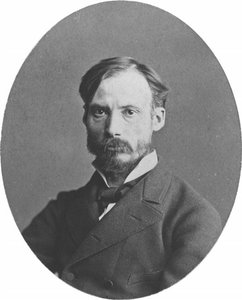
Pierre-Auguste Renoir (1841–1919) on loonud teose Coco. See kuulub Impressionism suuntrime. Teos on valmistatud materjalist Drawing. Teos asub Detroit Institute of Arts kogamuses Detroit, USA.
- Drawing
- Detroit Institute of Arts

 Eelvaade

 Käsitsi maalatud õlimaalatsioon
 Saada
 Jaga
 Teave teose kohta


 Laadi alla
 Sarnased teosed
 Röntgenuuring
 Slaidietendus
 KÜSIMUSED JA VASTUSID

 Statistika
Coco lühidalt
- Pealkiri
- Coco
- Kunstnik
- Pierre-Auguste Renoir (1841–1919)
- Kunstnik on sündinud
- Limoges, Prantsusmaa
- Tehnika
- Drawing
- Kus seda näeb
- Detroit Institute of Arts, Detroit, USA
- Suunad
- Impressionism
- Aeglkond
- 19th Century
- Teema
- portrait, man, suit, tie, drawing, black and white
Mida Coco kujutab?
A Study in Quiet Contemplation: Renoir’s “Coco”
Pierre-Auguste Renoir's "Coco," a deceptively simple black and white drawing, is far more than a portrait; it’s a window into the artist’s evolving understanding of form, light, and human emotion. Born in Limoges in 1841, Renoir’s early life was steeped in the practicalities of porcelain painting – a skill he honed before dedicating himself fully to his artistic ambitions. This apprenticeship, however, proved invaluable, fostering an acute observation of detail and a deep appreciation for texture, qualities that would later inform his Impressionistic style. The drawing itself, though lacking specific provenance details, embodies this meticulous approach. It captures a man—likely a friend or acquaintance of Renoir’s—in a moment of quiet introspection. His posture is relaxed yet attentive, his gaze downward suggesting an absorption in thought, perhaps examining something held gently within his hand.
The Impressionistic Palette – Light and Shadow
While rendered in monochrome, “Coco” reveals the hallmarks of Renoir’s developing technique. Notice how he doesn't simply outline the figure; instead, he employs subtle gradations of tone to create a sense of volume and depth. The shading is delicate, almost translucent, mimicking the way light would play across skin and fabric. This masterful manipulation of shadow isn’t merely about depicting form; it’s about capturing the *feeling* of light – its warmth, its diffusion, its ability to transform the mundane into something beautiful. Renoir was deeply influenced by his studies at the Louvre, particularly the works of artists like Ingres and Delacroix, who demonstrated a sophisticated understanding of chiaroscuro—the dramatic contrast between light and dark—a technique he skillfully adapted to his own style.
Symbolism and the Portraiture of Modernity
The subject’s attire – a suit and tie – immediately places “Coco” within the context of late 19th-century Parisian society. This was an era of rapid industrialization, social change, and burgeoning urban life. Portraits like this weren't simply representations of individuals; they were statements about status, profession, and belonging. The man’s downward gaze could be interpreted as a reflection on the complexities of modern existence – the pressures of commerce, the anxieties of a rapidly changing world. Renoir frequently depicted figures engaged in everyday activities, elevating these ordinary moments to the level of art. Here, he invites us to contemplate the quiet dignity and introspection within the commonplace.
A Reproduction for Your Space: Bringing Renoir’s Vision Home
- Authentic Detail: OriginalUniqueArt offers meticulously hand-painted reproductions of “Coco,” ensuring that every nuance of Renoir's original technique is faithfully recreated.
- Premium Materials: Our reproductions are created on archival-quality canvas and utilize museum-grade pigments, guaranteeing lasting beauty and color vibrancy for generations to come.
- Versatile Style: The timeless elegance of “Coco” makes it a perfect addition to a variety of interior design styles – from classic and traditional to contemporary and minimalist. It’s particularly well-suited for studies, libraries, or any space where quiet contemplation is valued.
- Investment in Art History: Owning a OriginalUniqueArt reproduction of “Coco” is not just acquiring a beautiful piece of art; it's investing in a significant work by one of the most beloved Impressionist painters.
Explore our collection of Pierre-Auguste Renoir reproductions today and bring the evocative beauty of "Coco" into your home or office. Each reproduction is a testament to the enduring power of art and the artist’s ability to capture the essence of human experience.
Kumba muuseumis asub teos Coco?
Detroit Institute of Arts
Detroit, USA
Detroit Institute of Arts juured ja ajalugu Detroit Institute of Arts juured ulatuvad ajastupädeva 1883. aastasse, mil kõik sai alguse vaatmatult väikest Euroopa maalide kollektsioonist. Keskilma jõudnud 1885.


Coco kõrge resolutsiooniga pildid

Avalik omanik: kunstnik suri aastal 1919.
Teised laiused, uueste lõikud ja alluding →Pierre-Auguste Renoir, Coco, Detroit Institute of Arts. Avalik omaniklik õigus
Küsimused teemal Coco – vastused
Kust saan näha originaalteost „Coco“, autor Pierre-Auguste Renoir?
Originaalteost „Coco“, autor Pierre-Auguste Renoir hoiustatakse Detroit Institute of Arts, Detroit, USA muuseumis. Reproduktsioon võimaldab teost koduses keskkonnas esitleda.
Millest on teos "Coco" valmistatud?
Teose „Coco“, autor Pierre-Auguste Renoir materjal on Drawing. Reproduktsioonide eesmärk on jälitada selle tehnika välimust.
Mille kohta teos "Coco" on?
„Coco“, autor Pierre-Auguste Renoir kujutab: portrait, man, suit, tie, drawing, black and white, expression, dignified.
Kas teose „Coco“, autor Pierre-Auguste Renoir pilt on vabalt reproduseeritav?
Autoriõiguse teave teose „Coco“, autor Pierre-Auguste Renoir kohta: teos kuulub luba ala avalikus õiguses – selle autoriõigud onหมดunud. See määrab, kas kujundist on lubatud vabadelt reproduktsioone teha.
Kes on teose "Coco" kunstnik?
Teose "Coco" loovija on Pierre-Auguste Renoir. Selle lehe info kirjeldab Pierre-Auguste Renoir algteost.
Millisse kunstisuuna kuulub teos „Coco“, autor Pierre-Auguste Renoir?
Teosest „Coco“, autor Pierre-Auguste Renoir tuntud kunstisuuna on Impressionism. See klassifikatsioon aitab teost paigutada sarnaste kunstnike ja teoste hulka.
Millist etap Pierre-Auguste Renoir loomingus teos "Coco" esindab?
Teos "Coco" kuulub Pierre-Auguste Renoir loomingulise karjääri perioodi Mature Period. See klassifikatsioon seostab teose kunstniku loovliku arenguga.
Miks on teose "Coco" autoriõiguste staatus selline, nagu see on?
Pierre-Auguste Renoir teos "Coco" on avalikus õiguses – selle autoriõigud onหมดunud. Autoriõiguse kaitseajad arvutatakse alates kunstniku surmaõigustest ning Pierre-Auguste Renoir suri aastal 1919.
Kas teost „Coco“, autor Pierre-Auguste Renoir hoiustatakse kunstniku kodumaal?
Ei – teos asub välismaal. Teost "Coco" hoivadatud USA, samal ajal sündis Pierre-Auguste Renoir riigis Prantsusmaa.
Kunstnikust, Pierre-Auguste Renoir
1841–1919, Prantsusmaa
Pierre-Auguste Renoir
Pierre-Auguste Renoiri elu Pierre-Auguste Renoir sündis 25. veebruaril 1841 Prantsusmaa Limoges'is, astudes sisse maailma, mis oli täis praktilist käsitöömeistrlust. Tema isa Léonard Renoir töötas rätseplii, samas kui ema Marguerite Renoir oli modesepp. Tekstiilide ja peente detailide kogemus kodustes kujandas vaikselt tema hilisemat kunstilist tundjust.
Teel Pierre-Auguste Renoir kohta Pierre-Auguste Renoir silmapaistvad teosed
Ka Pierre-Auguste Renoir teosed
 Tants Moulin de la Galette'il1876
 Paadipartii1881
 Noored tüdrukud klaveri ees1892
 Irene Cahen d'Anvers (tuntud ka nimega Väike Irene)1880

Essee teemadel Coco
 Masterpieces of Light: The Top 25 Pierre-Auguste Renoir ArtworksImmerse yourself in the luminous world of Pierre-Auguste Renoir. Explore 25 iconic Impressionist masterpieces, from vibrant portraits to sc…
 Renoir’s Impressionist Masterpieces: A Definitive Guide to Light, Color, and the Art of JoyExplore the luminous world of Pierre-Auguste Renoir. Discover the history, technique, and emotional depth behind his Impressionist masterpi…
 OriginalUniqueArt.com F.A.Q.: How Our Master Artists Hand-Paint Museum-Quality Impressionist ReproductionsDiscover the exquisite craftsmanship behind our museum-quality Impressionist reproductions. From Monet to Renoir, our master artists hand-p…