

 Eelvaade
 Saada
Saada Jaga
Jaga
 Teave teose kohta

 Laadi alla
 Sarnased teosed
 Röntgenuuring
 Slaidietendus
 Statistika
Le Coucher de la mariée
 Akrüülkainal
- Seinakunst
- Rococo Neoclassical
 1767
1767 36.0 x 31.0 cm
 Rahvusgalerii (National Gallery of Canada)
 Loe lähemalt
Giclée / Kunstiprint
Muuseumikvaliteediga giclée- või kangasprint kiire tootmisega ja paindlikud viimistlusvõimalused. ( Osta käsitsi maalitud maal Ülemineks digitaalse pildiga müügi kanalisse)




P118B $10

P118H $10

P118W $10

P438Z $10

P508JH $12

P508YH $12

P805H $10

P805Z $10

P919BZ $10

P919G $10

P919XJ $10

P959ZH $10

P968JZ $12

W106C $8

W218G $10

W218JH $8

W218Y $10

W307PJ $10

W316G $10

W316PJ $8

W316Y $10

W398PJ $8

W4111J $10

W500HY $15

W500JH $15

W692G $12

W849H $8

W940BG $15

W953PJ $8




Vali meie eelmääratud suurused, mis vastavad teose algupärastele proportsioonidele.

Saate sisestada oma mõõdud, et need sobiks konkreetse raami või ruumi sisse. Kui valitud suurus ei vasta originaalteose proportsioonidele, lõigame teose ära või laiendame pilti peegeldatud või ühtlase servaga. Enne tootmisprotsessi algust saadetakse Teie kinnitamiseks digitaalne näidis.
Palun märka, et ekraanil kuvatav eelvaade ei kajasta tegelikku lõigamist või laiendamist. Ainult näidis kujutab täpselt lõplikku kompositsiooni.
Kuigi erimõõdu on saadaval, soovitame originaaproportsioonide säilitamiseks valida mõõt ette määratud nimekirjast.
Ülemaailmne tarne () 2 nädala jooksul, tavalise 4/5 nädala asemel. (17 september)

Tasuta ekspresssaatmine üle maailma

Kõrgekvaliteediline linakangas

Täielik transpordikindlustus

Tollimaksude tagastamise garantii

Värvitoime täpsuse garantii

100 päeva tagastusõigus (ainult tootmisdefektide korral)

100% raha tagasi garantii

Hulgusoodustus
 Klaasivalik on saadaval ainult suuruses kuni 110 cm

Le Coucher de la mariée
Giclée / Kunstiprint
Reproduktsiooni suurus
-


Kogusumma
$ 80
Bringing the Bride to Bed – A Delicate Dance of Rococo Sensuality
Pierre-Antoine Baudouin’s “Bringing the Bride to Bed,” painted in 1767, is more than just a depiction of domestic intimacy; it's a masterful encapsulation of the Rococo aesthetic and a testament to Gavin Hamilton’s fascination with capturing fleeting moments of aristocratic life. Executed in gouache over red chalk and graphite on laid paper, this diminutive watercolor showcases Baudouin’s exceptional skill in rendering subtle tonal variations and conveying emotion through nuanced brushstrokes—a hallmark of his artistic style. The painting transports us back to the opulent salons of Parisian society, where artists like Hamilton sought to elevate everyday scenes into expressions of refined beauty.- Subject Matter: The artwork portrays a group of elegantly dressed individuals gathered around a bed, centered on a woman receiving assistance from her companions. This intimate tableau captures the anticipation and tenderness surrounding marriage proposals or pregnancy announcements – themes prevalent in Rococo art.
- Style & Technique: Baudouin’s technique exemplifies the Rococo style's emphasis on pastel colors, delicate ornamentation, and asymmetrical compositions. The soft hues of pinks, creams, and blues create a dreamy atmosphere, while meticulous detailing—particularly in capturing the textures of fabrics and skin tones—demonstrates Baudouin’s technical prowess.
- Historical Context: Created during Hamilton's time in Rome, “Bringing the Bride to Bed” reflects the broader artistic revival fueled by rediscovered classical antiquities. Hamilton himself was a fervent collector of Roman sculptures and frescoes, influencing his artistic vision and promoting the neoclassical ideals of order and reason alongside the sensual pleasures of Rococo.
- Symbolism: The bed itself symbolizes fertility and new beginnings, reinforced by the presence of supportive figures surrounding the woman. Baudouin subtly conveys this symbolism through careful positioning and facial expressions, inviting viewers to contemplate themes of love, devotion, and familial bonds.
Jean-Pierre-Antoine Tassaert’s Influence – Bridging Artistic Traditions
A Window into Roman Antiquities – Baudouin's Patronage
Emotional Resonance – Capturing a Moment of Delicate Vulnerability
Exploring Further – National Gallery of Canada’s Perspective
Beyond Reproduction – Authenticity and Artistic Legacy
Kunstniku elulugu
The Master of Miniature Pleasures
In the shimmering, decadent atmosphere of mid-18th century Paris, few artists captured the ephemeral essence of Rococo intimacy quite like Pierre-Antoine Baudouin. Born in 1723 to an engraver, Baudouin emerged not merely as a painter, but as a chronicler of the era's most private and whispered moments. His life was deeply entwined with the very fabric of French high society and its artistic elite; through his marriage to Marie-Elisabeth, the daughter of the legendary François Boucher, he became more than just a pupil of the Rococo master—he became an extension of Boucher’s own aesthetic legacy. This connection granted him access to the most refined circles of the French court, where the boundaries between art and life were often blurred by grace, wit, and a touch of scandal.
Baudouin’s artistic development was characterized by a remarkable mastery of delicate mediums. While many of his contemporaries sought the permanence of oil on canvas, Baudouin found his true voice in the ephemeral textures of watercolors, gouache, and crayons. His technique allowed for a luminous, almost translucent quality that perfectly suited his subject matter: idyllic landscapes, soft boudoir scenes, and the playful, often erotic, encounters of the aristocracy. There is a certain breathlessness to his work, a sense that one is catching a fleeting glimpse through a silk curtain. His ability to render the softness of skin, the sheen of satin, and the gentle light of a Parisian afternoon made him a favorite among collectors who sought art that felt as much like a secret as a possession.
A Controversial Legacy of Light and Shadow
Despite his technical brilliance and his prestigious election to the Académie Royale in 1763, Baudouin’s reputation was never without its shadows. He occupied a complex position in the cultural landscape of the 1760s, caught between the frivolous elegance of the Rococo and the rising tide of moralistic scrutiny. The famous critic Denis Diderot, known for his biting assessments of the Salons, famously cast Baudouin in a harsh light. While acknowledging his talent, Diderot condemned him as a "painter-preacher of bad morals," contrasting him unfavorably with Jean-Baptiste Greuze, whom he viewed as a moralizing force. To Diderot, Baudouin’s work—with its focus on rakes and houses of ill repute—represented the decadent decay of a society losing its ethical compass.
This tension between aesthetic pleasure and moral judgment defines much of Baudouin's historical significance. His oeuvre serves as a vital, if controversial, window into the libertine culture of pre-revolutionary France. Whether he was painting a historical subject like his reception piece, Hyperides pleading the cause of Phryne before the Areopagus, or a more intimate miniature, there was always an underlying pulse of worldly sophistication. His life ended prematurely in 1769, amidst rumors that linked his early death to the very lifestyle of pleasure he so exquisitely depicted. Today, Baudouin is remembered not just as a follower of Boucher, but as a singular artist who dared to elevate the miniature and the erotic to a level of profound, delicate artistry, leaving behind a legacy that remains as captivating as it is provocative.

pierre-antoine baudouin
1723 - 1769 , France
Lühikesed faktid
- Artistic Movement Or Style: Neoclassical history painter
- Artists Or Movements Influenced By This Artist:
- Jacques-Louis David
- Thomas Blackwell
- Artists Who Influenced This Artist:
- Agostino Masucci
- Sir Joshua Reynolds
- Date Of Birth: 1723
- Date Of Death: 1798
- Full Name: Gavin Hamilton
- Nationality: Scottish
- Notable Artworks:
- Death of Lucretia
- Homer's Iliad cycle
- Place Of Birth: Lanarkshire, Scotland
Seotud artiklid
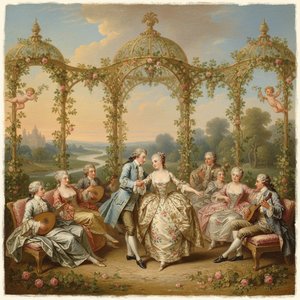
Jean-Baptiste Pater: Rococo Charm & Ephemeral Beauty of 18th-Century France
Explore the captivating world of Jean-Baptiste Pater, a master of Rococo painting. Discover his elegant *fête galante* scenes and shimmering portraits – a glimpse into 18th-century French aristocracy. Learn about his legacy & find high-quality reproductions.
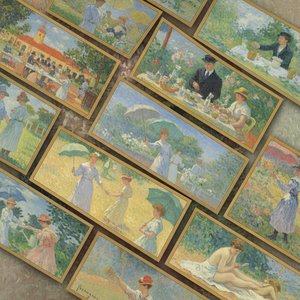
Pierre-Auguste Renoiri 25 parimat teost: Impressiooni ja ilu meistriteosed kodus
Avastage Pierre-Auguste Renoiri 25 parimat teost! Sukelduge impressioonismi maailma, nautides valgusrikkaid maale ja romantikat. Kunstiteosed kodu sisustuseks – eksklusiivne kollektsioon OriginalUniqueArt.com'is. Vaata kohe!

The Rococo Aesthetic: Opulence, Rebellion & the Pursuit of Pleasure in 18th-Century Art
Explore the opulent world of Rococo art! Discover its origins, key artists like Watteau & Boucher, and lasting influence on design. Expert insights for collectors & enthusiasts.
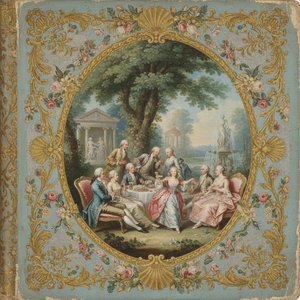
The Rococo Style: Aristocratic Leisure & the Pursuit of Delight in 18th-Century Art
Explore the opulent world of Rococo art! Discover Watteau, Boucher & Nattier's masterpieces. Expert insights for collectors seeking museum-quality reproductions and custom portraits at OriginalUniqueArt.

RoKokoo: 10 Meisterteost, Mis Määritsesid Kunstisuundi | OriginalUniqueArt
Sukeldu RoKokoo maailma! Avasta 10 meistriteost, mis defineerisid kunstisuunda – prantsuse kunstnikud, kuldsed toonid ja luksuslik interjöör. Tutvu lugudega legendaarsete teoste taga & leia inspiratsiooni OriginalUniqueArt.com-ilt!
