
 Eelvaade
 Saada
Saada Jaga
Jaga
 Teave teose kohta
 Juhend

 Laadi alla
 Sarnased teosed
 Röntgenuuring
 Slaidietendus
 KÜSIMUSED JA VASTUSID
 Statistika
The Music Room


 Loe lähemalt
Giclée / Kunstiprint
Muuseumikvaliteediga giclée- või kangasprint kiire tootmisega ja paindlikud viimistlusvõimalused. ( Osta käsitsi maalatud teos Lülita digitaalse pildi juurde)




P118B €10

P118H €10

P118W €10

P438Z €10

P508JH €12

P508YH €12

P805H €10

P805Z €10

P919BZ €10

P919G €10

P919XJ €10

P959ZH €10

P968JZ €12

W106C €8

W218G €10

W218JH €8

W218Y €10

W307PJ €10

W316G €10

W316PJ €8

W316Y €10

W398PJ €8

W4111J €10

W500HY €15

W500JH €15

W692G €12

W849H €8

W940BG €15

W953PJ €8




Vali meie eelmääratud suurused, mis vastavad teose algupärastele proportsioonidele.

Sisestage vajalik laius ja kõrgus, et see sobiks teie raamile või seinale. Trükki saab ainult lõigata, seda ei saa kunagi pildist suuremaks teha, seega ka erineva mustega suurus kaotab osa pildist. Enne trükkimist saadame teile kinnitamiseks digitaalse näidisprojektsiooni. Sellel lehel näidatud pilt ei kujuta reaalset lõiget — seda näitab ainult näidisprojektsioon.
Ülemaailmne tarne () 2 nädala jooksul, tavalise 4/5 nädala asemel. (7 november)

Tasuta ekspresssaatmine üle maailma

Kõrgekvaliteediline lina-kangas

Täielik transpordikindlustus

Tollimaksude tagastamise garantii

Värvitoime täpsuse garantii

100 päeva tagastusõigus (ainult valmistusdefektide korral)

100% raha tagasi garantii

Hulgusoodustus
 Klaasivalik on saadaval ainult kuni 110 cm suuruses teostes

The Music Room
Giclée / Kunstiprint
Reproduktsiooni suurus
-


Koguhind
€ 72
A Moment of Intimacy: Philip Wilson Steer’s “The Music Room”
Philip Wilson Steer's "The Music Room," painted in 1906, isn’t merely a depiction of two women playing the violin; it’s a carefully constructed tableau of serenity and domestic grace, imbued with the subtle nuances of Impressionism. This captivating work offers a glimpse into a world of refined leisure, capturing an ephemeral moment within a richly furnished room—a space that speaks volumes about its inhabitants and the era in which it was created.
Steer, a British painter deeply influenced by the French Impressionists, particularly Monet and Renoir, possessed a remarkable ability to translate light and atmosphere onto canvas. “The Music Room” exemplifies this talent. He masterfully employs broken brushstrokes and delicate layering of color—primarily soft blues, greens, and ochres—to create an illusion of diffused light filtering through the windows. Notice how he doesn’t attempt to render every detail with photographic precision; instead, he prioritizes capturing the *feeling* of the scene – a sense of warmth, quiet contemplation, and understated elegance.
The Scene Unfolds: Composition and Detail
The composition is deceptively simple yet profoundly effective. The two women, positioned in the foreground, are bathed in gentle light, their faces partially obscured, inviting the viewer to project their own emotions onto them. One woman, seated on the floor with a violin resting gracefully in her lap, appears to be leading the music, while the other stands behind her, also holding an instrument. The arrangement feels natural and unforced, as if captured during a spontaneous moment of shared enjoyment. The room itself is meticulously rendered—a luxurious space filled with comfortable furnishings: a plush sofa, a chair draped in velvet, and several framed pictures adorning the walls – each contributing to the overall sense of wealth and refinement.
Steer’s attention to detail is noteworthy. The instruments are depicted with remarkable accuracy, reflecting the craftsmanship of the period. The clock on the wall subtly anchors the scene within a specific time, adding another layer of realism. However, it's the subtle details—the folds in the fabric, the glint of light on polished wood—that truly elevate the painting and draw the viewer into its world.
A Window into Edwardian England
"The Music Room" is firmly rooted in the Edwardian era (1901-1910), a period characterized by social conservatism, burgeoning prosperity, and a renewed interest in art and culture. The painting reflects this atmosphere of restrained elegance and refined leisure—a world where music, literature, and conversation were considered essential components of a cultured life. The room’s furnishings and the women's attire – though not overtly extravagant – suggest a comfortable level of affluence.
Steer was particularly interested in capturing scenes of everyday life, imbuing them with an artistic sensibility. He wasn’t simply painting portraits; he was attempting to convey the *essence* of human experience—the quiet joys and subtle connections that define our lives. “The Music Room” is a testament to his ability to achieve this goal.
Symbolism and Emotional Resonance
Beyond its realistic depiction, "The Music Room" carries symbolic weight. The act of playing music itself represents harmony, connection, and the pursuit of beauty. The intimate setting suggests a shared bond between the women—a moment of companionship and mutual appreciation. The soft lighting and muted colors evoke feelings of tranquility, nostalgia, and perhaps even a touch of melancholy.
Steer’s masterful use of light and color creates an emotional resonance that transcends mere representation. The painting invites us to step into the scene, to imagine ourselves as silent observers of this quiet moment—a reminder of the simple pleasures and enduring beauty found in everyday life. It's a work that speaks to our shared humanity and our appreciation for art’s ability to capture and convey profound emotions.
Korduvad küsimused
Millised värvid domineerivad teoses „The Music Room“, autor Philip Wilson Steer?
Teoses „The Music Room“, autor Philip Wilson Steer on kasutatud Earthy värvipaletti, kus domineerib Rosy Brown (#baa581) värv.
Millist ruumi on „The Music Room“, autor Philip Wilson Steer jaoks soovitatav?
Teose „The Music Room“, autor Philip Wilson Steer paigutamiseks on soovitatav kasutada ruumi Hotel Lobby. See soovituse on tehtud teose sisu, värvide ja meeleolu põhjal.
Millist kintust ja intensiivsust „The Music Room“, autor Philip Wilson Steer näitab?
Teose "The Music Room" värvitoon on kroomi方面 Balanced Soft ja intensiivsuse方面 Balanced.
Kunstniku elulugu
Varajane Elu ja Kunstilised Alused
Philip Wilson Steer, sündinud Birkenheadis 1860. aastal, kasvas kunstnikuperes – tema isa oli portreekunstnik ja pühendunud kunstiõpetaja. See varajane kokkupuude kujundas teda sügavalt ning õpetas tundeid, mis määrasid kogu ta elu tee. Kolimisega Whitchurchi Monmouthi lähedale kolme aasta vanusena tekkis tal side Briti maastikuga, mis kajastus hiljem tema loomingus. Tema formaalne haridus algas Herefordi katedraalikoolis, andes talle vajaliku aluse enne kunstiliste ambitsioonide täielikku pühendumist. Steeri õpingud jätkusid Gloucesteri Kunstikoolis ja South Kensingtoni Joonistuskoolides, kuid tõeliselt muutlikuks osutus tema viibimine Pariisis aastatel 1880–1884. Académie Julian’is õppimine ning hilisem Alexandre Cabaneli juhendamine École des Beaux-Arts'is avas talle maailma täis uusi ideid ja maalimisviise.Impressionismi Omaks Võtmine ja Omapärane Stiil
Pariis kujunes Steeri kunstilise arengu katlakuks. Ta oli sügavalt liigutatud Édouard Manet’ ja James McNeill Whistleri töödest, omandades nende uuenduslikke tehnikaid valguse, värvi ja atmosfääri tabamiseks. See ärkas temas kire impressionismi vastu, kuid ta ei jäljendanud seda kunagi lihtsalt. Steer oskuslikult põimis need Prantsuse mõjud oma sisemiste inglise tundmustega, luues ainulaadse stiili. Tema maalid iseloomustab erakordne võime tabada mööduvaid hetki – päikesevalguse mäng vee peal, ranniku õhu lühiajaline kvaliteet. Ta kasutas lahtisi pintslilööke ja elavaid värve mitte ainult stseenide kujutamiseks, vaid ka emotsioonide äratamiseks ning vahetu tunde loomiseks. Korduvad teemad tema töödes on rannastseenid ja meremaalid, sageli sukeldatud hõbedasesse, läbipaistvasse valgusesse, mis demonstreerib värskuse ja heleduse tabamise meisterlikkust. Varasest perioodist pärinev The Music Room näitab tema kasvavat oskust kompositsioonis ja valguses, samal ajal kui teosed nagu Girls Running: Walberswick Pier purskab Suffolki rannikulinnas valdav energiat ja elujõudu.Kaasaegse Kunsti Pooldaja ja Etaples’i Mõju
Steer ei piirdunud ainult maalimise, vaid kujundas aktiivselt Briti kunstimaastikku. Ta mängis olulist rolli New English Art Club'i asutamisel – organisatsioonis, mis pühendus kaasaegse kunsti väljendusviisi propageerimisele, julge samm ajal, mil traditsioonilised maitsed valitseksid. Selle platvormi ja regulaarsete näituste kaudu Royal Academys, sealhulgas 1889. aasta Londoni Impressionistide Näitusel aitas ta tutvustada uusi ideid ning väljakutseda konventsionaalseid norme. Aega Etaples’i kunstikoloonias 1887. aastal täiendas tema kunstilist visiooni veelgi. See elav kunstnike kogukond pakkus stimuleerivat keskkonda eksperimenteerimiseks ja koostööks, kinnistades tema võimet tabada valgust ja atmosfääri üha nüanssemalt ja oskuslikumalt. Steer ammutas inspiratsiooni mitmekesiste meistrite töödest – John Constable, J.M.W. Turner ja isegi François Boucher –, kuid filtreeris need mõjud alati oma ainulaadse perspektiivi kaudu.Pärand, Tunnustus ja Püsiv Mõju
Philip Wilson Steer maalis viljakalt kuni 1940. aastani, mil terviseprobleemid sundisid teda lõpetama, suri kaks aastat hiljem 81-aastaselt. Tema panus tunnustati tema eluajal laialdaselt, kulmineerides Order of Meriti ordeniga. Tänapäeval on tema teoseid mainekates kogudes üle maailma, sealhulgas Tate Gallery’s ja isegi Uffizi Galeriis – tunnistuseks tema rahvusvahelisele tunnustusele. Peale maalidite ise Steeri pärand ulatub ka tema pika õpetajatööni Slade School of Art'is. Palju aastaid mõjutas ta sügavalt noorte kunstnike põlvkondi, andes mitte ainult tehnilisi oskusi, vaid ka sügava hindamise vaatlusele ja kunstilise aususe suhtes. Tema panus impressionismi arendamisse ja aktsepteerimisse Britannias on ümberlükkamatu, kinnistades ta olulise kujuna Briti kunstiajaloo – maalikunstnikuna, kes suutis edukalt ühendada traditsiooni ja modernsuse, jättes kustumatu jälje Briti kunsti maastikule. Näiteks Convalescent, oma rikkalike tekstuuride ja väljendusliku pilguga, ning The Teme at Ludlow, mis toob esile rahuliku ilu ja meisterlikku pintsliliigutust, võluvad tänapäevani publikut, demonstreerides tema kunstilise visiooni ajatut kvaliteeti.
Philip Wilson Steer
1860 - 1942 , Ühendkuningriik
Lühikest infot
- Artistic Movement Or Style: Impressionism
- Artists Or Movements Influenced By This Artist: ['Briti impressionism']
- Artists Who Influenced This Artist:
- Manet
- Whistler
- Constable
- Date Of Birth: 1860
- Date Of Death: 1942
- Full Name: Philip Wilson Steer
- Nationality: Briti
- Notable Artworks:
- The Music Room
- Girls Running
- Convalescent
- Place Of Birth (City And Country): Birkenhead, Ühendkuningriik
Sarnased artiklid

Impressionism's Masterpieces: 10 Paintings That Defined a Movement | OriginalUniqueArt
Journey through Impressionism's heart with 10 iconic paintings by Monet, Renoir & Degas. Explore light, color & the stories behind these masterpieces. Find museum-quality art reproductions and elevate your home decor on OriginalUniqueArt.com.
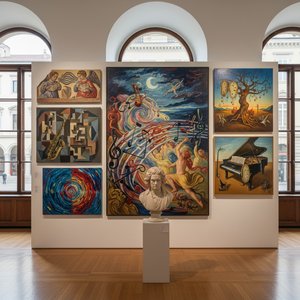
Harmonies on Canvas: Exploring the Visual Representation of Music in Art History
Explore the fascinating history of music's visual representation in art! From ancient symbolism to modern abstraction, discover how artists have captured sound and emotion on canvas. Expert insights & stunning examples.

Paul Cézanne: 25 Meisterteost, mis Muutsid Maailma Kunsti | OriginalUniqueArt
Avastage Paul Cézanne 25 kõige ikoonilisemat teost! Sukeldume postimpressionismi maailma, värviliste still life'ide ja Mont Sainte-Victoire maalide lugudesse. Leidke inspiratsiooni interjööri disainiks OriginalUniqueArt.com-is. Vaadake maali reproduktsioone!

Claude Monet: 25 Meisterteost Valgusest ja Värvidest | OriginalUniqueArt.com
Avastage Claude Monet 25 kõige ikoonilisemat teost! Sukelduge valgusest ja värvidest tulvil impressionismi maailma. Kunstiteosed, maalid ja seinakaunistused OriginalUniqueArt.com-is. Avasta täielik kollektsioon online!

Philip Wilson Steer: Capturing Modern Life & British Impressionism's Essence
Explore the life & art of Philip Wilson Steer, a leading British Impressionist painter. Discover his coastal scenes, influences, and legacy. Expert analysis & high-quality reproductions at OriginalUniqueArt.
