
 Eelvaade
 Saada
Saada Jaga
Jaga
 Teave teose kohta
 Juhend

 Laadi alla
 Sarnased teosed
 Röntgenuuring
 Slaidietendus
 Q&A
Q&A Statistika
Autoportrait


 Loe lähemalt
Giclée / Kunstiprint
Muuseumikvaliteediga giclée- või kangasprint kiire tootmisega ja paindlikud viimistlusvõimalused. ( Osta käsitsi maalatud teos Lülita digitaalse pildi juurde)




P118B €10

P118H €10

P118W €10

P438Z €10

P508JH €12

P508YH €12

P805H €10

P805Z €10

P919BZ €10

P919G €10

P919XJ €10

P959ZH €10

P968JZ €12

W106C €8

W218G €10

W218JH €8

W218Y €10

W307PJ €10

W316G €10

W316PJ €8

W316Y €10

W398PJ €8

W4111J €10

W500HY €15

W500JH €15

W692G €12

W849H €8

W940BG €15

W953PJ €8




Vali meie eelmääratud suurused, mis vastavad teose algupärastele proportsioonidele.

Sisestage vajalik laius ja kõrgus, et see sobiks teie raamile või seinale. Trükki saab ainult lõigata, seda ei saa kunagi pildist suuremaks teha, seega ka erineva mustega suurus kaotab osa pildist. Enne trükkimist saadame teile kinnitamiseks digitaalse näidisprojektsiooni. Sellel lehel näidatud pilt ei kujuta reaalset lõiget — seda näitab ainult näidisprojektsioon.
Ülemaailmne tarne () 2 nädala jooksul, tavalise 4/5 nädala asemel. (31 oktoober)

Tasuta ekspresssaatmine üle maailma

Kõrgekvaliteediline lina-kangas

Täielik transpordikindlustus

Tollimaksude tagastamise garantii

Värvitoime täpsuse garantii

100 päeva tagastusõigus (ainult valmistusdefektide korral)

100% raha tagasi garantii

Hulgusoodustus
 Klaasivalik on saadaval ainult kuni 110 cm suuruses teostes

Autoportrait
Giclée / Kunstiprint
Reproduktsiooni suurus
-


Koguhind
€ 71
Kunstniku elulugu
Perignon Alexis Joseph: A Visionary of 19th-Century French Portraiture
Alexis-Joseph Pérignon (1806 – 1882) stands as a quietly significant figure within the landscape of 19th-century French art, a painter whose evocative portraits and landscapes offer a glimpse into the social fabric and artistic sensibilities of his time. Born in Paris, Pérignon’s early life remains somewhat shrouded in mystery, yet it is clear that he possessed an innate talent for capturing the nuances of human expression and the beauty of the natural world. His career unfolded primarily during the Romantic and Realist periods, a time marked by both fervent emotion and a growing desire to depict reality with increasing accuracy – a tension that profoundly shaped his artistic approach. Pérignon’s formal training is not extensively documented, suggesting he may have initially pursued art independently before entering established studios. However, his work demonstrates a sophisticated understanding of composition, color theory, and the subtle interplay of light and shadow. He was particularly influenced by the Barbizon School, known for its focus on plein air painting and its celebration of rural life, though he never fully embraced the school’s rustic aesthetic. Instead, he skillfully integrated elements of Romanticism – a heightened sense of drama, emotional intensity, and an appreciation for the sublime – into his portraits, imbuing them with a captivating psychological depth.A Palette of Emotion: Style and Technique
Pérignon’s artistic style is characterized by a remarkable sensitivity to detail and a masterful command of tonal values. He favored a muted palette—earthy browns, soft grays, and subtle greens—that allowed his subjects to emerge from the background with an almost ethereal quality. His brushwork was generally smooth and blended, creating a sense of fluidity and movement within the painted surface. He wasn’t interested in flamboyant displays of virtuosity; rather, he sought to capture the essence of his subjects through carefully observed details and subtle gestures. A key element of his technique involved layering thin glazes of paint, building up color gradually to achieve remarkable depth and luminosity. This approach is particularly evident in portraits like “Portrait de Madame Arnould Plessis,” where the delicate rendering of fabric and the nuanced expression on the subject’s face reveal a profound understanding of human psychology.Notable Works and Subjects
Pérignon's oeuvre encompasses both portraiture and landscape painting, though his portraits are undoubtedly his most celebrated achievements. He frequently depicted members of Parisian society—aristocrats, merchants, and intellectuals—capturing their individual personalities with remarkable accuracy. “Autoportrait” offers a particularly intimate glimpse into the artist’s own self-awareness, revealing a thoughtful and introspective gaze. Beyond portraiture, Pérignon produced numerous landscapes, often depicting scenes from rural France – rolling hills, verdant forests, and tranquil waterways. These works demonstrate his ability to translate the beauty of nature onto canvas with sensitivity and precision. “Hortense Schneider dans le rôle de la Folie” is a particularly striking example, blending portraiture with theatricality and hinting at the artist’s interest in exploring themes of identity and performance.Historical Context and Legacy
Pérignon's work reflects the broader cultural shifts occurring during the 19th century. The rise of industrialization and urbanization led to a growing sense of alienation and social unrest, while simultaneously fostering a renewed interest in tradition and the natural world. His art can be seen as a response to these complex forces—a desire to preserve beauty and human connection amidst a rapidly changing society. While he never achieved widespread fame during his lifetime, Pérignon’s work has been increasingly recognized for its quiet elegance, psychological depth, and technical mastery. His paintings are now housed in several museums across France, offering viewers a rare opportunity to connect with the artistic vision of this often-overlooked 19th-century painter. His legacy lies not in grand pronouncements or revolutionary innovations, but rather in his ability to capture the subtle beauty of everyday life and the enduring power of human emotion—a testament to the quiet strength of his art.
Perignon Alexis Joseph
1808 - 1882
Lühikest infot
- Full Name: Alexis Joseph Perignon
- Nationality: French
- Date Of Birth: 1808
- Date Of Death: 1882
- Place Of Birth: Paris, France
- Notable Artworks:
- Autoportrait
- Portrait de Madame Arnould Plessis
- Hortense Schneider dans le rôle de la Folie
- Artistic Movement Or Style: French Impressionism
Sarnased artiklid

19th Century Masterpieces: 10 Paintings That Defined an Era | OriginalUniqueArt
Journey through 19th century art with OriginalUniqueArt! Explore 10 iconic paintings – from Monet & Renoir to Courbet – and discover the stories behind Romanticism, Realism & Impressionism. Find museum-quality reproductions for your home decor. Explore the full collection online!

The Enduring Power of Painting: A Historical & Contemporary Exploration of Form and Emotion
Explore the rich history & enduring techniques of oil painting with OriginalUniqueArt. Discover masterpieces, learn about art collecting, and find authentic handmade reproductions crafted by skilled artists.

The Enduring Legacy of Oil on Canvas: Technique, History & Aesthetic Impact
Explore the rich history & techniques of oil painting – from Renaissance masters to Impressionism. Discover pigments, layering methods, and why this timeless medium endures. Expert insights for artists & art enthusiasts.
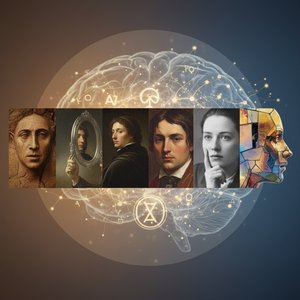
Reflecting the Self: A History of Portraiture & Psychological Insight
Explore the fascinating history of self-portraiture from Renaissance masters like Dürer & Rembrandt to modern interpretations. Discover the psychological insights and artistic techniques behind these iconic works. Expert analysis for art enthusiasts.

Oil on Canvas: A Historical & Technical Exploration of a Timeless Artistic Medium
Explore the rich history & enduring techniques of oil painting on canvas. Discover the science behind its longevity, conservation practices, and contemporary relevance. Expert insights for art enthusiasts.