

 Vaata sisu
 Jaga teost
 Jaga
Jaga
 Detailid
 Õppekate juhend

 Laadi alla
 Sarnased teosed
 Röntgenuuring
 Slaidietendus
 Statistika
VUE DE MOSS


 Loe lähemalt
Giclée / Kunstiprint
Muuseumikvaliteediga giclée- või kangasprint kiire tootmisega ja paindlikud viimistlusvõimalused. ( Telli käsitsi maalitud reproduktsioon Ülemineku digitaalse pildi müügi kanalisse)




P118B €10

P118H €10

P118W €10

P438Z €10

P508JH €12

P508YH €12

P805H €10

P805Z €10

P919BZ €10

P919G €10

P919XJ €10

P959ZH €10

P968JZ €12

W106C €8

W218G €10

W218JH €8

W218Y €10

W307PJ €10

W316G €10

W316PJ €8

W316Y €10

W398PJ €8

W4111J €10

W500HY €15

W500JH €15

W692G €12

W849H €8

W940BG €15

W953PJ €8




Vali meie eelmääratud suurused, mis vastavad teose algupärastele proportsioonidele.

Sisestage vajalik laius ja kõrgus, et see sobiks teie raamile või seinale. Trükki saab ainult lõigata, seda ei saa kunagi pildist suuremaks teha, seega ka differentse vormiga suurus kaotab osa pildist. Enne trükkimist saadame teile kinnitamiseks digitaalse näidisprojektsiooni. Sellel lehel näidatud pilt ei kujuta reaalset lõiget — seda näitab ainult näidisprojekttsioon.
Ülemaailmne tarne () 2 nädala jooksul, tavalise 4/5 nädala asemel. (23 oktoober)

Tasuta ekspresssaatmine üle maailma

Kõrgekvaliteediline lina-kangastest muld

Täielik transpordikindlustus

Tollimaksude tagastamise garantii

Värvitoime täpsuse garantii

100 päeva tagastusõigus (ainult defektide korral)

100% raha tagasi garantii

Hulgusoodustus
 Klaasivalik on saadaval ainult kuni 110 cm suuruses teostes

VUE DE MOSS
Giclée / Kunstiprint
Reproduktsiooni mõõtmed
-


Lõppsumma
€ 70
Peder Balke’s “Vue de Moss”: A Norwegian Soulscape
Peder Balke’s “Vue de Moss,” painted in 1872, isn't merely a depiction of a coastal town; it’s a profound immersion into the heart of Norway – its rugged beauty, its melancholic spirit, and the enduring connection between humanity and the natural world. Born on the remote island of Helgøya in 1804, Balke’s life was inextricably linked to the dramatic landscapes of his homeland, shaping an artistic vision that would become both intensely personal and profoundly influential within the Romantic movement. This particular painting, now housed at the Louvre, offers a captivating glimpse into a world where light, atmosphere, and emotion reign supreme, revealing a masterclass in capturing the essence of Norwegian identity.
The scene unfolds along the harbor of Moss, a bustling port city nestled against the backdrop of the Oslofjord. A prominent sailboat dominates the left foreground, its white sails billowing against a sky pregnant with clouds – a visual anchor that draws the eye into the expansive vista. In the distance, the coastline recedes into a hazy blue, punctuated by the subtle outlines of buildings and the suggestion of rolling hills. Balke eschews meticulous detail in favor of capturing the *feeling* of the scene; the dampness of the air, the vastness of the sea, and the quiet contemplation evoked by the landscape. The composition is deliberately horizontal, emphasizing the scale of nature and inviting the viewer to lose themselves within its embrace.
A Symphony of Color and Light
Balke’s palette is remarkably restrained, dominated by muted blues, grays, browns, and subtle hints of ochre and white. These colors aren't applied with precision but rather blended in loose, gestural strokes – a hallmark of his distinctive technique. The sky, rendered in layers of gray and blue, seems to shift and change with the light, creating an atmospheric depth that is both captivating and slightly unsettling. Notice how he uses darker tones to define the water’s surface, suggesting movement and turbulence beneath the calm exterior. The subtle variations in color create a sense of realism while simultaneously imbuing the scene with a dreamlike quality.
Light plays an absolutely crucial role in “Vue de Moss.” It's not harsh or dramatic but rather diffused and atmospheric – a characteristic that Balke perfected through years of observing the fleeting effects of sunlight on the Norwegian coastline. The light seems to emanate from within the landscape itself, bathing everything in a soft, ethereal glow. This masterful use of light contributes significantly to the painting’s overall mood of tranquility and introspection. The artist skillfully employs atmospheric perspective – objects in the distance appear paler and less distinct, reinforcing the sense of depth and vastness.
Romanticism Rooted in Norwegian Identity
“Vue de Moss” is firmly rooted within the Romantic movement, a period characterized by an emphasis on emotion, imagination, and the sublime power of nature. However, Balke’s work transcends mere imitation; he infuses it with a uniquely Norwegian sensibility. His paintings weren't simply landscapes; they were expressions of national identity, celebrating the rugged beauty and untamed spirit of his homeland. The painting reflects the Romantic fascination with the wild, the solitary, and the spiritual connection between humanity and nature – themes that resonated deeply within Norway’s cultural landscape.
Beyond its aesthetic qualities, “Vue de Moss” carries a subtle undercurrent of melancholy. The overcast sky, the muted colors, and the sense of isolation evoke a feeling of quiet contemplation—a recognition of the beauty and fragility of the natural world. The sailboat, adrift on the horizon, could be interpreted as a symbol of human ambition or perhaps simply a reminder of our smallness in the face of nature’s grandeur. Balke's work invites viewers to pause, reflect, and connect with their own sense of place within the larger context of the natural world.
A Legacy of Vision
Peder Balke remains one of Norway’s most celebrated Romantic painters, his works continuing to captivate audiences today. “Vue de Moss” stands as a testament to his extraordinary talent and his profound understanding of the Norwegian landscape. Whether viewed in person or reproduced, this painting offers a powerful reminder of the enduring beauty and emotional resonance of nature – a timeless masterpiece that speaks to the soul.
Küsimused ja vastused
Millisele kunstnikule on teos "VUE DE MOSS" atribuutseeritud?
Teose "VUE DE MOSS" looja on Peder Balke. Teos on kataloogitud nime Peder Balke all.
Kust saan osta teose „VUE DE MOSS“, autor Peder Balke trükki?
Teose "VUE DE MOSS" trükised on saadaval vormis kunstiprint puuvillalõikel}}^{\text{canvas}}$ või arhiveeritaval kangaspaberil. Tellimusi saab esitada selle Kõlblik kunstutrüki kvaliteetne trükis lehel, oma soovitud suuruses.
Kui karge on teose "VUE DE MOSS" väripalett?
Teose "VUE DE MOSS" värvipalett on koonuse方面 Muted.
Kunstniku elulugu
Norra romantiline visjonäär: Peder Balke elu ja kunst
Peder Andersen Balke, kes sündis 1804 Niira Helgøya vaaginimel saarel, tõusev 19. sajandi maastikutraditsioonis esile kui sügavalt originaalne hääl. Tema elu lugu on pühendunud kunstilisele otsingule, mis toimus maapiirkonna raskete tingimuste ja sotsiaalsete piirangute taustal. Lapsuus Norra maapiirkonna karmis kaunuses sisaldas temasse sügava sidumuse loodusega, mis sai hiljem tema teosest määrava omaduse. Kuigi ta sündis talupoegade peresse, tunnistas tema kogukond tema loomakirjalikku talenti ning ühendas oma ressursid tema kunstipõhjase hariduse toetamiseks – see on tõend sellest, et loovus väärtustati isegi kõige vahemates tingimustes. See varajane julgustus suuntas teda kujuldamise teele, alustades õppimisega Heinrich August Groschi ja Jacob Munchi juures, ning jätkus hiljem Stockholmi Kunstsakademia õpingutega Carl Johan Fahlcrantzi käekäes, täiendades lõpuks oma oskusi koos Johan Christian Dahliga.
Erakordse stiili kujundamine
Balke kunstiline areng oli iseloomulik oma rahutu tehnika ja ekspressiooni uurimine. Ta ei leanine pelgalt visuaalse maailma kopeerimisele, vaid püüdis tabada selle emotsionaalset olemust ja sublime jõudu. Tema maalid on kohe tuvastatavad oma dramaatilise valgustuse poolest, kujutades sageli stseneed, mis on mähitud etereelsetesse kimbadesse või atmosfäärisse kätkedaud pimedusse. See fassinatsioon valgusega – eriti kuuvalguse ja hämarduse lennuka efektidega – sai tema stiili kaubamärgiks. Ta arendas välja eripärase pintstraumide tehnika, mida iseloomustavad tekstuurne puudutamine ja ebatraditsionaalne värvikasutus, luues unistuslikku atmosfääri, mis eristab tema töid tavalisematest romantilistest maastikupindidest. See on, nagu ta ei maalinudki seda, mida ta *nägi*, vaid seda, mida ta looduse ees *tundis*.
eksNorra maastikud: Rahvuslik identiteet kangelendel
Balke on tuntud eelkõige oma emotsionaalselt võimsate Norra maastiku kujelduste poolest, teemaga, millele ta pöörduks oma karjääri jooksul korduvalt. Teosed nagu 1872. aastal maaldud Vue de Christiania (tänapäeval Oslo) pakuvad lummavat vaadet Norra pealinna linnaelule, kuid isegi siin domineerib loodusmaailm, raamistades linnapildi ja meelestades vaatajat selle seosest ümbritsevate metsapiirkondadega. The Harbor at Skjervøy (1846) demonstreerib tema täpsust detailides koos võimega tabada rannadammi puldavärina. Old Trees (1840), oma karmid talvine stseneed ja võimas valgus, on näide tema meisterlikkusest meeleolu ja atmosfääri loomisel. Seascape (1845) ja The North Cape by Moonlight (1848) tõestavad edasi tema võimekust edastada Norra ranniku ja põhja piirkondade karmit kaunust ning metsikut vaimu. Need ei olnud pelgalt pilikusad vaated, vaid lausumised rahvuslikust identiteedist ja tähistus Norra unikaalse looduspärandi kohta.
Beyond the Canvas: Sotsiaalne vastutustund
Peder Balke oli rohkem kui lihtsalt kunstnik; ta oli pühendunud sotsiaalne reformist, kes osales aktiivselt oma ajastu pressivate probleemide lahendamisel. Ta uskus oma ressursside ja mõjuvuse kasutamisse teiste elu parandamiseks, eriti läbi Balkeby projekti – uue Oslo voorum, mis oli loodud pakkuma töötajatele sobivaid elutingimusi. Ta pakkus laenu ja jõustas ranget ehitusregulatsiooni, demonstreerimates praktilist panust sotsiaalsese õiglustunne eest. Lisaks õigustas Balke väsimatult kunstikest toetuse vajadust, nõudes grantide ja pensionide eraldamist nii meestele kui ka naistele, tunnustades loovuse hädavajalikku rolli ühiskonnas. See pühendumus sotsiaalsetele põhjustele paljastab tema kui tema südamlikku ja edasivisi isikust, kes nägi kunsti lahutumatu osana inimliku heaolu saavutamisel.
Uuesti avastamine ja pärand
Hoolimata oma olulistest panustest, jäi Balke töö pärast tema surma 1887. aastal paljuks aastateks tähelepanuta jäänuks. Alles 20. sajandi lõpus ja 21. sajandi alguses hakkas tema unikaalse visiooni uut väärtust tunnustama. Suured näitusid prestiežees institutsioonides, nagu Londoni Riiklik Kunstimuuseum (2014-2015) ja Metropolitan Museum of Art (2017), tõstsidid tema maalid laiemale publikule, tekitades kriitilist tunnustust ja teaduslikku huvi. Täna tunnustatakse Peder Balket Norra kunstilo history piimakujuliseks tegelaseks – kunstnikuks, kelle dramalist maastikud ja emotsionaalne sügavus jätkavad resonanssi vaatajatega. Tema mõju on nähtav järgnevate Põhjamaiade kunstnike töödes, kinnistades tema positsiooni tõelise visjonärina, kes tabas kangelendel Norra hinget.
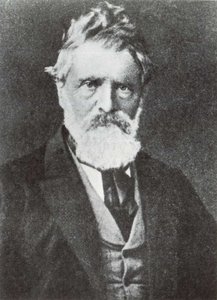
Peder Balke
1804 - 1887 , Norra
Lühikest infot
- Artistic Movement Or Style: Romantiline maastikupaitel
- Artists Or Movements Influenced By This Artist:
- Nordic Art
- Romantism
- Artists Who Influenced This Artist:
- Heinrich Grosch
- Jacob Munch
- Carl Fahlcrantz
- Johan Dahl
- Date Of Birth: 1804
- Date Of Death: 1887
- Full Name: Peder Balke
- Nationality: Norra
- Notable Artworks:
- Vue de Christiania
- Skjervøy sadam
- Vana puud
- Merevaade
- Fredrikshald
- Põhja tipp kuupallusega
- Place Of Birth: Hegøy, Norra
Sarnased artiklid

Romantilise Maastikukunsti 10 Meisterteost: Kunstiteosed Koduks OriginalUniqueArt.com'ist
Avastage 10 romantilise maastikukunsti meistriteost! Tutvuge Caspar David Friedrichi, J.M.W. Turneri ja teiste suurte kunstnike loominguga OriginalUniqueArt.com-is. Leidke täiuslik õlimaal või reproduktsioon koduks – inspireeriv kollektsioon ootab!
Capturing Stillness: A Curated Exploration of the Most Iconic Lake Landscapes in Art History
Journey through art history's most serene lake landscapes. From Romantic vistas to light-drenched Impressionist waters, discover the stories behind these iconic masterpieces and find museum-quality, hand-painted oil reproductions for your private collection.

Johan Christian Dahl: Pioneering Norwegian Romantic Landscape Painting
Explore the life & art of Johan Christian Dahl, Norway's first great Romantic painter. Discover his iconic landscapes, cultural impact, and lasting legacy with OriginalUniqueArt.

John Constable: 25 Suurimat Teost Inglise Maastikumaali Tippu
Avastage John Constable'i 25 suurimat teost! Sukeldu inglise maastikumaali romantismisse, imetlege Dedham Vale ilu ja leia inspiratsiooni kodukaunistuseks. Kvaliteetsed kunstireprodutsioonid OriginalUniqueArt.com-is. Vaata kohe!

Evocations of Place: A Historical Journey Through Landscape Art
Explore the rich history of landscape art with OriginalUniqueArt. Discover renowned artists, movements like Impressionism & Romanticism, and expert guidance for collecting timeless pieces. Find your perfect serene escape today!
