

 Vaata sisu
 Jaga teost
 Jaga
Jaga
 Detailid
 Õppekate juhend

 Laadi alla
 Sarnased teosed
 Röntgenuuring
 Slaidietendus
 Statistika
Self-portrait in red
 Mixed Media
- WallArt
- Contemporary Narrative
 1962
1962- Modern
 152.0 x 152.0 cm
 National Museum of Contemporary Art - Museu do Chiado
 Loe lähemalt
Sellel lehel kuvatav kunstiteos on kaitstud autoriõigusega, mis tähendab, et meil ei ole seaduslikku õigust luua või müüa identset reproduktsiooni. Seda kaitset rakendatakse rahvusvaheliste kokkulepete alusel, nagu näiteks Berne konventsioon ning riiklike seadustega, sealhulgas nendega, mida on sätestatud USA autoriõiguse seadus – 17. peatükk.
Austasena ja seaduslikuna alternatiivina pakume originaalist inspireeritud, käsitsi maalitud isikupärastatud teoseid. Meie osutavad ja professionalsed kunstnikud uurivad hoolikalt originaali stiili, meelemoi ja kunstilist olemust, et luua uus, ainulaadne teos, mis tekitab sama tunnet – olles samal ajal omaette originaalne looming.
See meetod järgib täielikult autoriõiguse reegleid, kuna see ei põhine kaitstud kunstiteose kopeerimisel või dupliteerimisel. Selle asemel on tegu loova reinterpreetatsiooniga – uue maaldisega, mis on algteosest inspireeritud, kuid ei ole sellest identiline.
Käsitsi valmistatud õlimaalireproduktsioon
Meie kunstnike poolt tellimusel valmistatud käsitsi maalitud õli-kainaste teos teie soovitud suuruses ja raamis. ( Lülita trükkitoodetele Ülemineku digitaalse pildi müügi kanalisse)




P118B €10

P118H €10

P118W €10

P438Z €10

P508JH €12

P508YH €12

P805H €10

P805Z €10

P919BZ €10

P919G €10

P919XJ €10

P959ZH €10

P968JZ €12

W106C €8

W218G €10

W218JH €8

W218Y €10

W307PJ €10

W316G €10

W316PJ €8

W316Y €10

W398PJ €8

W4111J €10

W500HY €15

W500JH €15

W692G €12

W849H €8

W940BG €15

W953PJ €8




Vali meie eelmääratud suurused, mis vastavad teose algupärastele proportsioonidele.

Sisestage vajalik laius ja kõrgus, et teos sobiks teie raamile või seinale. Kuna tegu on käsipainatud teosega, siis erineva kujuga suuruse korral võib kunstnik jätta pildi ümber veidi rohkem marginaali või lõigata osa ära — valik on teie. Enne maali alustamist saadame teile kinnitamiseks digitaalse näidisprojektsiooni. Sellel lehel näidatud pilt ei kajasta tegelikku tulemust — seda näitab ainult näidisprojekttsioon.
Pärast tellimust saadab OriginalUniqueArt.com meeskond kliendile e-posti juhised ning esitab eelvaate kavandi
Maailmline tarne 3–4 nädala jooksul tavalise 5 nädala asemel. (22 oktoober). Kvaliteedis kompromisse ei tehta.

Tasuta ekspresssaatmine üle maailma

Kõrgekvaliteediline lina-kangastest muld

Täielik transpordikindlustus

Tollimaksude tagastamise garantii

Värvitoime täpsuse garantii

100 päeva tagastusõigus (ainult defektide korral)

100% raha tagasi garantii

Hulgusoodustus
 Klaasivalik on saadaval ainult kuni 110 cm suuruses teostes

Self-portrait in red
Reproduktsiooni materjal
Reproduktsiooni mõõtmed
-


Lõppsumma
€ 263
Paula Rego's "Self-Portrait in Red": A Fragmented Narrative of Identity
“Self-Portrait in Red,” created by Paula Rego in 1962, is more than just a painting; it’s an immersive experience, a carefully constructed collision of materials and meaning. This work, measuring 152 x 152 cm, immediately draws the viewer into a world where narrative fragments coalesce around a central figure – Rego herself – presenting a deeply personal yet universally resonant exploration of identity, memory, and the complexities of human relationships. The painting’s raw energy stems from its innovative technique: a masterful blend of oil paint and collage, a method Rego would consistently employ throughout her career.
- The Collage Technique: Rego's process involved layering preparatory drawings, sketches, and even seemingly random objects – a bottle, vases, cups, and birds – onto the canvas. These weren’t simply added as decorative elements; they were integral to the composition, each contributing to the overall sense of disarray and layered meaning.
- A Portuguese Context: Born in Lisbon in 1935, Rego's early life was profoundly shaped by the political climate of Portugal under Salazar’s dictatorship. This experience instilled a deep awareness of power dynamics and societal constraints, themes that subtly permeate her work, particularly evident in the fragmented presentation of figures and objects.
- Emotional Resonance: The painting’s emotional impact is immediate and arresting. The vibrant red background acts as both a visual anchor and a source of tension, amplifying the sense of unease and psychological depth. Rego's self-portrait, rendered with a directness that borders on vulnerability, invites viewers to confront uncomfortable truths about themselves and the world around them.
Decoding the Symbolism: Objects as Echoes
The seemingly random objects scattered throughout “Self-Portrait in Red” are far from accidental. They function as potent symbols, echoing Rego’s personal experiences and broader societal concerns. The presence of multiple figures – nine individuals depicted with varying degrees of engagement – suggests a fractured family dynamic, perhaps reflecting the artist's own complex relationships. The bottle, often associated with intoxication or hidden emotions, adds another layer of ambiguity. The vases and cups could represent domesticity, but their scattered arrangement hints at disruption and instability. Even the birds, frequently symbols of freedom and escape, appear trapped within the confines of the composition, mirroring a sense of confinement.
- The Red Background: Beyond its visual impact, the red background symbolizes passion, violence, and perhaps even danger – emotions that Rego often explored in her work.
- Fragmented Figures: The deliberately fragmented figures contribute to the painting’s overall sense of unease and instability, reflecting the artist's interest in exploring psychological states.
Paula Rego: A Pioneer of Narrative Painting
“Self-Portrait in Red” is a quintessential example of Paula Rego’s artistic vision – a bold departure from traditional portraiture that prioritized narrative and emotional truth over idealized representation. Rego's work, deeply rooted in her Portuguese heritage and informed by feminist concerns, challenged conventional notions of beauty and domesticity. Her innovative use of collage, combined with her unflinching exploration of human psychology, established her as one of the most important artists of the late 20th century. Rego’s influence extends beyond the realm of painting; she paved the way for a new generation of artists who embraced experimentation and challenged artistic conventions.
Collecting "Self-Portrait in Red": A Statement of Vision
This hand-painted reproduction captures not only the visual essence of Rego's masterpiece but also its profound emotional and intellectual depth. Whether adorning a private collection or gracing a corporate space, “Self-Portrait in Red” serves as a powerful statement – an appreciation for artistic innovation, a commitment to exploring complex human narratives, and a recognition of Paula Rego’s enduring legacy. Its size (152 x 152 cm) makes it suitable for a variety of interior design settings, while the vibrant colors and intricate details ensure that it will be a focal point in any room.
Küsimused ja vastused
Mis on teose "Self-portrait in red" vorming ja suurus?
Teose "Self-portrait in red" vorming on Square ning originaali mõõdud on 152 x 152 cm. Mõlemad on kasulikud reproduktsiooni planeerimisel.
Mis on teose „Self-portrait in red“, autor Paula Figueiroa Rego domineeriv värv?
Teose "Self-portrait in red" kõige silmapaistvam värv on Driftwood (#a18071). Dominantne värv on kasulik teose sobitamisel interjööriga.
Kes on teose "Self-portrait in red" kunstnik?
Teose "Self-portrait in red" loovis Paula Figueiroa Rego. Selle lehe info kirjeldab Paula Figueiroa Rego algteost.
Kunstniku elulugu
A Tapestry of Shadows and Stories: The Life of Paula Rego
Dame Maria Paula Figueiroa Rego was far more than a mere painter; she was a master storyteller who used the canvas to weave intricate, often unsettling, tales of human experience. Born in Lisbon, Portugal, in 1935, her early life was shaped by the heavy, turbulent atmosphere of a world caught between tradition and political upheaval. This sense of underlying tension would become a permanent resident in her work. As she moved from the sun-drenched landscapes of her Portuguese roots to the academic rigor of the Slade School of Fine Art in London, Rego began to develop a visual language that was uniquely her own—one that blended the folk-inspired motifs of her childhood with a sophisticated, modern psychological depth.
Her artistic evolution is a fascinating journey from the abstract to the profoundly representational. In her early years, she experimented with the abstract trends prevalent in the mid-twuieth century, yet she soon found herself drawn to the power of the figure. She discovered that by utilizing recognizable forms—often inspired by storybooks, folklore, and even the domestic sphere—she could explore much darker, more complex themes. Her preference for pastels over oils allowed her to achieve a specific, tactile quality in her work, creating textures that felt both soft and strangely visceral, much like the dreamlike yet haunting narratives she sought to portray.
Feminism, Folklore, and the Unseen Narrative
At the heart of Rego’s oeuvre lies an unwavering commitment to feminist discourse. She possessed a rare ability to take the domestic, the mundane, and the "feminine" and infuse them with a sense of rebellion and agency. Her paintings often feature women navigating spaces that feel both intimate and claustrophobic, challenging the patriarchal gaze by presenting female characters who are complex, powerful, and sometimes even menacing. Through her work, she gave voice to the marginalized, using surrealist imagery to expose the hidden anxieties and societal pressures placed upon women.
This exploration of identity was deeply intertwined with her use of symbolism. Rego frequently employed animals—most notably rabbits—and elements of folklore to act as metaphors for human behavior and social structures. These figures were rarely mere decorations; they were participants in a larger, often surrealist drama. Her work invites the viewer into a world where the boundaries between reality and myth are blurred, forcing an engagement with the psychological truths that lie beneath the surface of everyday life. It is this ability to evoke such profound emotional responses—ranging from curiosity to deep unease—that defines her unique contribution to contemporary art.
Legacy and Artistic Triumph
The significance of Paula Rego’s career cannot be overstated. As a prominent member of The London Group and an Associate Artist at the National Gallery, she occupied a central position in the British modernist movement. Her accolades were numerous, reflecting her status as one of the most influential artists of her era, including being named a Dame Commander of the Order of the British Empire (DBE). Her exhibitions at prestigious institutions like the Calouste Gulbenkian Foundation and the Tate solidified her reputation on the international stage, ensuring that her vision reached far beyond the borders of the UK and Portugal.
Rego’s legacy is found in the way she transformed the act of painting into an act of social commentary. She left behind a body of work that serves as both a historical record of twentieth-century social shifts and a timeless exploration of the human psyche. Her ability to marry the beautiful with the grotesque, and the domestic with the political, continues to inspire generations of artists who seek to use narrative as a tool for profound discovery. Even after her passing in 2022, her stories remain alive, continuing to haunt, provoke, and captivate all who encounter them.
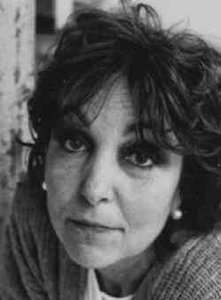
Paula Figueiroa Rego
1935 - 2022
Lühikest infot
- Artistic Movement Or Style: Surrealism, Expressionism, Feminist Art
- Artists Or Movements Influenced By This Artist: ['National Gallery']
- Artists Who Influenced This Artist: ['Carlo Crivelli']
- Date Of Birth: 1935
- Date Of Death: 2022
- Full Name: Maria Paula Figueiroa Rego
- Nationality: Portuguese
- Notable Artworks:
- War
- Untitled (456)
- Nanny, Small Bears and Bogeyman
- Place Of Birth: Lisbon, Portugal
Sarnased artiklid
Mark Rothko 25 Parimat Teost: Emotsionaalsed Värvid ja Sügav Sisu | OriginalUniqueArt
Avastage Mark Rothko 25 parimat teost! Sukelduge ekspressionismi sügavustesse, emotsionaalsetesse värvimaalid ja kunstniku lugudesse. Leidke täiuslik seinakaunistus OriginalUniqueArt.com-ist – kvaliteetsed reproduktsioonid ja interjööride inspiratsioon.

The Magic of Collage: How to Layer Texture and Story into Your Home Decor
Elevate your interiors with the magic of collage. Discover expert tips on layering texture, 3D elements, and personal narratives through mixed media art to create a soulful, sophisticated home decor experience.
Beyond the Brush: An Expert Guide to Mastering Mixed Media Art Techniques and Materiality
Elevate your artistic practice with our expert guide to mastering mixed media art. Discover professional techniques for layering, material integration, and creating structural depth to transform your creative vision into sophisticated, multi-dimensional masterpieces.

Henri Matisse: 25 meistriteost värviküllase kunsti maailmast | OriginalUniqueArt
Avastage Henri Matisse 25 ikoonilist teost! Sukelduge värviküllase Fauvismi maailma, modernse kunsti ajaloosse ja inspireerige oma interjööri. Kvaliteetsed kunstireprodutsioonid OriginalUniqueArt.com-is. Avasta kogu kollektsioon online!

Crimson Threads of Narrative: Exploring Symbolism & Representation in Artworks Featuring the Red Dress
Explore the rich symbolism of the red dress in art history! From ancient power displays to iconic portraits like Cézanne’s 'Madame Cezanne', discover the cultural and artistic significance behind this captivating color. Expert analysis & insights.