

 Eelvaade
 Saada
Saada Jaga
Jaga
 Teave teose kohta
 Juhend

 Laadi alla
 Sarnased teosed
 Röntgenuuring
 Slaidietendus
 Statistika
Teapot
 Modern Ceramics
 10.0 x 24.0 cm
 Berliini Juudi Muuseum
 Loe lähemalt
Sellel lehel kuvatav kunstiteos on kaitstud autoriõigusega, mis tähendab, et meil ei ole seaduslikku õigust luua või müüa identset reproduktsiooni. Seda kaitset rakendatakse rahvusvaheliste kokkulepete alusel, nagu näiteks Berne konventsioon ning riiklike seadustega, sealhulgas nendega, mida on sätestatud USA autoriõiguse seadus – 17. peatükk.
See meetod järgib täielikult autoriõiguse reegleid, kuna see ei põhine kaitstud kunstiteose kopeerimisel või dupliteerimisel. Selle asemel on tegu loova reinterpreetatsiooniga – uue maaldisega, mis on algteosest inspireeritud, kuid ei ole sellest identiline.
Giclée / Kunstiprint
Muuseumikvaliteediga giclée- või kangasprint kiire tootmisega ja paindlikud viimistlusvõimalused. ( Osta käsitsi maalatud teos Lülita digitaalse pildi juurde)




































Vali meie eelmääratud suurused, mis vastavad teose algupärastele proportsioonidele.

Sisestage vajalik laius ja kõrgus, et see sobiks teie raamile või seinale. Trükki saab ainult lõigata, seda ei saa kunagi pildist suuremaks teha, seega ka erineva mustega suurus kaotab osa pildist. Enne trükkimist saadame teile kinnitamiseks digitaalse näidisprojektsiooni. Sellel lehel näidatud pilt ei kujuta reaalset lõiget — seda näitab ainult näidisprojektsioon.
Ülemaailmne tarne () 2 nädala jooksul, tavalise 4/5 nädala asemel. (28 oktoober)

Tasuta ekspresssaatmine üle maailma

Kõrgekvaliteediline lina-kangas

Täielik transpordikindlustus

Tollimaksude tagastamise garantii

Värvitoime täpsuse garantii

100 päeva tagastusõigus (ainult valmistusdefektide korral)

100% raha tagasi garantii

Hulgusoodustus
 Klaasivalik on saadaval ainult kuni 110 cm suuruses teostes

Teapot
Giclée / Kunstiprint
Reproduktsiooni suurus
-


Koguhind
€ 71
Korduvad küsimused
Kust teose „Teapot“, autor Paula Ahronson külastajad pärit on?
Teose "Teapot" jaoks on olemas Statistika leht. See kajastab teose ja kunstniku teiste teoste kuutlikke külastusi riigi ja keele järgi lahutatud statistikaga.
Kui hele on teos "Teapot" üldiselt?
Teose „Teapot“, autor Paula Ahronson tajutav heledus on brilliant. Seda saab kohandada mõeldud ruumi valgusest koos.
Kas teose "Teapot" värvid on tugevad või pehmed?
Teose „Teapot“, autor Paula Ahronson värvid on Monochromatic intensiivsusega.
Kunstniku elulugu
A Pioneer of Israeli Ceramics: The Life and Work of Paula Ahronson
Paula Ahronson (1908-1980) stands as a pivotal figure in the development of modern ceramics in Israel, though her story is one often overshadowed by the broader narratives of art history. Born in Hamburg, Germany, into a long-established Sephardic family, Ahronson’s early life was steeped in the artistic traditions of her region. She pursued studies in applied arts at the Landeskunst-Schule für Kunstgewerbe in Hamburg until 1928, under the guidance of Friedrich Adler, laying a foundation that would later be powerfully reshaped by new cultural contexts. This formal training instilled in her a Bauhaus sensibility – an appreciation for functional design and clean lines – which became a defining characteristic of her work, even as she moved away from its more rigid tenets. A pivotal moment arrived in 1932 when she first encountered Eva Samuel during a trip to Palestine; this meeting would forge a lifelong artistic partnership that fundamentally altered the course of ceramic art in the region.From Germany to Rishon le-Zion: Collaboration and Innovation
The rise of Nazism prompted Ahronson’s immigration to Palestine in June 1933, a decision driven not only by personal safety but also by a burgeoning Zionist commitment. She married Rudi Ahronson in 1934 and settled in Rishon le-Zion, where she joined forces with Eva Samuel to establish the “Kad ve-Sefel” workshop – meaning "Jug and Mug" in Hebrew. This collaboration was born of necessity as much as artistic vision; Palestine lacked a strong tradition of ceramic production, and the two women sought to introduce functional, everyday pottery that would meet the needs of the growing population. Their work deliberately eschewed elaborate ornamentation, favoring instead simple forms, earthy tones, and a focus on usability. The workshop quickly became a hub for innovation, experimenting with local materials and developing unique glazing techniques suited to the arid climate. This wasn’t merely about creating aesthetically pleasing objects; it was about building a new visual culture rooted in the realities of life in Palestine.A Distinctive Aesthetic: Blending Heritage and Environment
Ahronson's ceramics, often characterized by their textured surfaces and subtle turquoise glazes, reflect a fascinating interplay between her German artistic heritage and the landscapes of Palestine. While influenced by the Bauhaus emphasis on functionality, she infused her work with a distinctly Mediterranean sensibility – a warmth and earthiness that distinguished it from the more austere aesthetic of European modernism. The choice of materials was also significant; they actively sought out local clays and experimented with firing techniques to achieve unique effects. Her pieces weren’t simply vessels for practical use but rather embodiments of a new identity, blending tradition and innovation in a way that resonated deeply with the pioneering spirit of early Israeli society. She gave birth to three sons while continuing her artistic endeavors, balancing motherhood with her dedication to ceramics.Legacy and Influence: Teaching and Beyond
Ahronson’s commitment to fostering ceramic arts extended beyond her own workshop. From 1960, she dedicated herself to teaching at the WIZO vocational high school, nurturing a new generation of Israeli ceramicists. She ran her own studio from 1962 to 1971, continuing to refine her techniques and explore new forms. Her influence can be seen in the work of numerous artists who followed in her footsteps, establishing a tradition of functional yet aesthetically compelling ceramics that continues to thrive in Israel today. While she didn’t achieve widespread international recognition during her lifetime, Ahronson's contribution to Israeli art is now increasingly acknowledged as foundational. She passed away in Tel Aviv in 1984, leaving behind a legacy of artistic innovation and a body of work that beautifully captures the spirit of a nation in formation. Her pieces are not merely objects; they are tangible expressions of cultural identity, resilience, and the enduring power of collaboration.
Paula Ahronson
1908 - 1980 , Germany
Lühikest infot
- Full Name: Paula Ahronson
- Nationality: German-Israeli
- Date Of Birth: 1908
- Date Of Death: 1980
- Place Of Birth: Hamburg, Germany
- Notable Artworks: ['Teapot']
- Artistic Movement Or Style: Modern Ceramics
- Artists Who Influenced This Artist: ['Friedrich Adler']
Sarnased artiklid
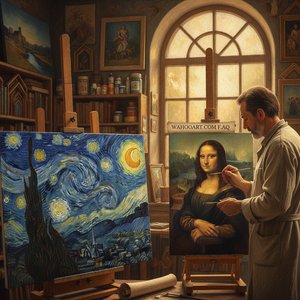
OriginalUniqueArt.com F.A.Q.: Why Our Handmade Oil Reproductions Are Museum-Quality Masterpieces
Discover why elite collectors trust OriginalUniqueArt.com for museum-quality, hand-painted oil reproductions. Explore our bespoke commissioning process, technical mastery of the Old Masters, and expert art consultation services designed to bring timeless beauty into your private collection.