Lülita trükkitoodetele
 Loe lähemalt







































 Kunstiteoste või reproduktsioonide puhul, mille üks külg on üle 105 cm (umbikmolt 41 tolli), saadetakse raam kirjal asendis, la Dismantlitud komplektina. See meetod tagab ohutuse kohaletoimetamisel ja väldib transpordil tekkivaid kahjustusi.


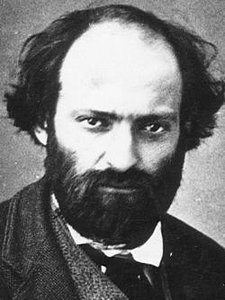
Self-Portrait with Beret: A Glimpse into Cézanne's Introspective World
In the realm of art, few works have captured the essence of introspection and self-discovery as profoundly as Self-Portrait with Beret by Paul Cézanne. Painted in 1900, this oil on canvas masterpiece is a testament to Cézanne's innovative approach to art, blending the boundaries between Impressionism and Cubism.
The Artist's Vision
Cézanne, a French Post-Impressionist painter, was known for his pioneering work that laid the foundation for avant-garde movements of the early 20th century. His self-portraits, in particular, are characterized by their bold brushstrokes and an emphasis on structure over traditional representation. In Self-Portrait with Beret, Cézanne presents himself with a beret, his eyes closed as if lost in thought. The background, though sparse, is rich in geometric elements that add depth to the composition.
Artistic Techniques and Influences
Cézanne's technique of using planes of color and small brushstrokes creates complex fields that draw the viewer into the painting. This method, known as constructive brushstrokes, was a hallmark of his style and influenced generations of artists to come. The self-portrait also reflects Cézanne's commitment to capturing the underlying structure of objects, a principle that would later become a cornerstone of Cubism.
Historical Context & Legacy
The late 19th century saw a shift in art criticism, with many contemporary critics initially misunderstanding and ridiculing Cézanne's work. However, fellow artists like Camille Pissarro and the art dealer Ambroise Vollard recognized his genius early on. The first solo exhibition of Cézanne's work in 1895 at Vollard's Paris gallery marked a turning point, leading to broader recognition of his contributions. Self-Portrait with Beret is not only a profound expression of Cézanne's identity but also a pivotal moment in the transition from Impressionism to modern art. Both Henri Matisse and Pablo Picasso have acknowledged Cézanne as "the father of us all," underscoring his influence on Cubism and subsequent avant-garde movements.
A Timeless Reflection
Self-Portrait with Beret by Paul Cézanne is a masterpiece that encapsulates the artist's innovative spirit and his role in shaping modern art. For those interested in exploring more of Cézanne's work, Self-Portrait with Beret is available for viewing at the Museum Victoria Art Gallery (Bath, United Kingdom). Additionally, Henri Matisse's Le Lièvre and Vincent Van Gogh's Pine Trees in Front of the Wall of the Asylum are notable examples of Post-Impressionist art available on OriginalUniqueArt.com.
- Key Points:
- Cézanne's self-portraits reflect his innovative approach to art.
- The painting showcases Cézanne's technique of constructive brushstrokes.
- It influenced the development of Cubism and modern art movements.
Korduvad küsimused
Mis on teose „Self-Portrait with Beret“, autor Paul Cézanne domineeriv väritoon?
"Self-Portrait with Beret" on kallutunud Kuldne kollane toonivalik toonile.
Millist väripaletti teoses „Self-Portrait with Beret“, autor Paul Cézanne on kasutatud?
Teose "Self-Portrait with Beret" värvid moodustavad Maapõhine paleti. See klassifikatsioon kirjeldab domineerivaid värvigruppe.
Kas teos „Self-Portrait with Beret“, autor Paul Cézanne on värvikas või tumeda toonidega?
Üldiselt on teose "Self-Portrait with Beret" heledus registreeritud väärtusega tasakaalustatud. Perseeitud heledus kirjeldab, kui valguse või tumeda tundub teos olevat.
 Eelvaade
 Saada
Saada Jaga
Jaga
 Teave teose kohta
 Juhend

 Laadi alla
 Sarnased teosed
 Röntgenuuring
 Slaidietendus
 Q&A
Q&A Statistika