Text size

() ·

A painting made for you, by hand

L'Estaque. View through the Trees

Käsitsi valmistatud õlimaalireproduktsioon

Meie kunstnike poolt tellimusel valmistatud käsitsi maalitud õli-kainaste teos teie soovitud suuruses ja raamis. ( Lülita trükkitoodetele Lülita digitaalse pildi juurde)

Kogumisobjekti kirjeldus

Paul Cézanne’s ‘L'Estaque. View through the Trees’ – a revolutionary Post-Impressionist landscape capturing geometric forms and serene Provençal light. Discover this iconic 1879 masterpiece and bring its timeless beauty into your collection.

Kunstniku elulugu

Avasta Paul Cézanne (1839-1906): Postimpressionistlik pioniir, kes ühendas impressionismi ja kubismit. Tutvu geomeetriliste kujudega, stillelifidega ja tema püsiiväljaga kaasaegses kunstis! #Cezanne #Postimpressionism

from ·

Chapter 1

How large should it be?

Slide to change the size; the picture on the left shows the frame at its real width. The proportions of the original are kept.

Standardne suurus
kohandatud
CM
INCH

Vali meie eelmääratud suurused, mis vastavad teose algupärastele proportsioonidele.

laius
kõrgus

Sisestage vajalik laius ja kõrgus, et teos sobiks teie raamile või seinale. Kuna tegu on käsipainatud teosega, siis erineva kujuga suuruse korral võib kunstnik jätta pildi ümber veidi rohkem marginaali või lõigata osa ära — valik on teie. Enne maali alustamist saadame teile kinnitamiseks digitaalse näidisprojektsiooni. Sellel lehel näidatud pilt ei kajasta tegelikku tulemust — seda näitab ainult näidisprojektsioon.

Chapter 2

How should it arrive?

Choose the edges of the stretched canvas

Choose your frame

Corner sample of the WhiteWrap canvas edge finish, stretched on massivpuit bars
White €1
Corner sample of the BlurSideWrap canvas edge finish, stretched on massivpuit bars
Blurside €1
Corner sample of the ExtendedWrap canvas edge finish, stretched on massivpuit bars
Extended €1
Corner sample of the P118B picture frame: vormitud polüstüreen, 5 cm wide and 3 cm thick
P118B €10
Corner sample of the P118H picture frame: vormitud polüstüreen, 5 cm wide and 3 cm thick
P118H €10
Corner sample of the P118W picture frame: vormitud polüstüreen, 5 cm wide and 3 cm thick
P118W €10
Corner sample of the P438Z picture frame: vormitud polüstüreen, 5.5 cm wide and 3.5 cm thick
P438Z €10
Corner sample of the P508JH picture frame: vormitud polüstüreen, 7 cm wide and 3.5 cm thick
P508JH €12
Corner sample of the P508YH picture frame: vormitud polüstüreen, 7 cm wide and 3.5 cm thick
P508YH €12
Corner sample of the P805H picture frame: vormitud polüstüreen, 5 cm wide and 3.5 cm thick
P805H €10
Corner sample of the P805Z picture frame: vormitud polüstüreen, 5 cm wide and 3.5 cm thick
P805Z €10
Corner sample of the P919BZ picture frame: vormitud polüstüreen, 7 cm wide and 3.5 cm thick
P919BZ €10
Corner sample of the P919G picture frame: vormitud polüstüreen, 7 cm wide and 3.5 cm thick
P919G €10
Corner sample of the P919XJ picture frame: vormitud polüstüreen, 7 cm wide and 3.5 cm thick
P919XJ €10
Corner sample of the P959ZH picture frame: vormitud polüstüreen, 5 cm wide and 3 cm thick
P959ZH €10
Corner sample of the P968JZ picture frame: vormitud polüstüreen, 6 cm wide and 4 cm thick
P968JZ €12
Corner sample of the W106C picture frame: massivpuit, 5 cm wide and 3 cm thick
W106C €8
Corner sample of the W218G picture frame: massivpuit, 5 cm wide and 3 cm thick
W218G €10
Corner sample of the W218JH picture frame: massivpuit, 5 cm wide and 3 cm thick
W218JH €8
Corner sample of the W218Y picture frame: massivpuit, 5 cm wide and 3 cm thick
W218Y €10
Corner sample of the W307PJ picture frame: massivpuit, 6 cm wide and 3 cm thick
W307PJ €10
Corner sample of the W316G picture frame: massivpuit, 6 cm wide and 3 cm thick
W316G €10
Corner sample of the W316PJ picture frame: massivpuit, 6 cm wide and 3 cm thick
W316PJ €8
Corner sample of the W316Y picture frame: massivpuit, 6 cm wide and 3 cm thick
W316Y €10
Corner sample of the W398PJ picture frame: massivpuit, 5 cm wide and 3 cm thick
W398PJ €8
Corner sample of the W4111J picture frame: massivpuit, 6.5 cm wide and 3.5 cm thick
W4111J €10
Corner sample of the W500HY picture frame: massivpuit, 7 cm wide and 5 cm thick
W500HY €15
Corner sample of the W500JH picture frame: massivpuit, 7 cm wide and 5 cm thick
W500JH €15
Corner sample of the W692G picture frame: massivpuit, 8 cm wide and 4 cm thick
W692G €12
Corner sample of the W849H picture frame: massivpuit, 5 cm wide and 3 cm thick
W849H €8
Corner sample of the W940BG picture frame: massivpuit, 7.5 cm wide and 4.5 cm thick
W940BG €15
Corner sample of the W953PJ picture frame: massivpuit, 6 cm wide and 3.5 cm thick
W953PJ €8
Corner sample of the H24-GOLD picture frame: kareeritud puit ja gesso, 10 cm wide and 6 cm thick
H24-GOLD €30
Corner sample of the H24-SILVER picture frame: kareeritud puit ja gesso, 10 cm wide and 6 cm thick
H24-SILVER €30
Corner sample of the H36-GOLD picture frame: kareeritud puit ja gesso, 15 cm wide and 6.5 cm thick
H36-GOLD €45
Corner sample of the H36-SILVER picture frame: kareeritud puit ja gesso, 15 cm wide and 6.5 cm thick
H36-SILVER €45
Raami eelvaade
Raamitud

Moulding: . Overall size with the frame: .

Chapter 3

Who paints it, and should anything change?

Examples of what can be changed: Replace face with customer photo; Add pet (e.g., replace cat with dog); Include hidden message in background; Change background landscape or elements.
After order, OriginalUniqueArt.com team will email client for instructions and provide a mockup preview

Maailmline tarne 3–4 nädala jooksul tavalise 5 nädala asemel. (1 november). Kvaliteedis kompromisse ei tehta.

Chapter 4

The finishing touches

A nameplate, as in a museum?

Graveeritud pronksplaadi üksikasjad

This elegant plaque features the artist's name and the title of the artwork, finely engraved for a timeless presentation.

It is made from bronze with a refined, elegant finish. The text is precisely laser-engraved for a sharp and permanent result. Measuring 9x2 cm, the plaque is compact yet easy to read. It's built to be durable and scratch-resistant, offering a professional, museum-quality look. Mounting is simple thanks to the included adhesive backing.

Läbipaistva akrüülplaadi üksikasjad

The plaque includes essential engraved details such as the artist's name, the title of the artwork, the date it was created, the type of media used-like oil on canvas or watercolor-a brief description of the piece, and a QR code that links to the complete artwork information.

It is crafted from clear acrylic, offering a sleek, modern appearance. The text is UV-engraved in black to ensure strong visual contrast. With a size of 10x15 cm, it ensures optimal readability. It comes equipped with two metal hooks for secure wall mounting. The plaque is designed to be weather-resistant, making it suitable for various environments, and it includes interactive features that work seamlessly with smartphone scanning.

Musta akrüülplaadiรายละเอียด (Note: The user provided "Musta akrüülplaadi detailid" as the current translation and asked for an improved version. Since "Musta akrüülplaadi

This elegant plaque includes engraved information such as the artist's name, the title of the artwork, the date it was created, the type of media used (like oil on canvas or watercolor), a short description of the artwork, and a QR code for quick access to more information.

The plaque itself is made from refined black acrylic with a premium finish. The text is laser-engraved in white for high contrast and readability. Its size is 10x15 cm, designed to be easy to read. It comes with two metal hooks for professional mounting. The design is sleek and fits any interior style. It is also weather-resistant and durable, with built-in digital integration for mobile compatibility.

A protective varnish?

When do you need it?

Chapter 5

Your painting, as you ordered it

L'Estaque. View through the Trees

Reproduktsiooni tehnika

Reproduktsiooni suurus

-

Eelistatud tippkunstnik

Rohkem detaile, peenust ja lisatootmisaega

-

Reproduktsiooni raamivalikud

-

-

Kunstiteoste või reproduktsioonide puhul, mille üks külg on üle 105 cm (umbikmolt 41 tolli), saadetakse raam kirjal asendis, la Dismantlitud komplektina. See meetod tagab ohutuse kohaletoimetamisel ja väldib transpordil tekkivaid kahjustusi.

Vajalik professionaalne kokkupanek – see ei ole isetegevusega valmistamiseks mõeldud toode.
Komplekt tuleb kokku panna ja lõvet pingutada kogemusega professionaalse raamija, kasutades puiduliim (ei kuulu komplekti), lõvetpingi ja klempe, et hoida raami kande mustad õigena liimi kuivamisaja jooksul. Vale kokkupanek või ebaühtlane lõvetping võib kunstiteost püsivalt kahjustada ning seda ei katta meie garantii.

  • Kaasatud on kõik tahked puidust liistud, täpselt lõigatud vastavaks suuruseks.

  • Kokku panemiseks kasutatakse lisatud kruvisid ning nurkade liimamiseks vajalikku puuliima, mida ei ole komplektis ja mida peab raamivalmistaja ise hankima.

  • Vajalik on kasutada professionaalseid tööriistu, mis ei kuulu komplekti: lõvetelapide pingist (pingutaja) ja klambreid, et hoida raami puidu nurgas õigena liimi kuivamisaja jooksul.

Oluline:
Nurgaliimamiseks on vaja puiduliim, liimimine peab toimuma klempide all kuni liim on täielikult kuivanud ning kokku monteeritud raami kanga pingutamiseks on vajalik kanga pingutustang. Kumbki neist ei kuulu komplekti. Palun veenduge enne selle suuruse tellimist, et teil on saadaval kogenud professionaalne raamistaja.

Nimesildikiri

-

-

Kaitsevärnitsus

Läikiv lakk (muudab värvid elavamaks ning kaitseb valgust ja niiskust eest)

-

Kohanda oma teost

Näiteid muudatuste kohta: Asenda nägu kliendi fotoga; Lisa lemmikloom (nt asenda kass koeraga); Lisa taustale peidetud sõnum; Muuda tausta maastikku või elemente.

-

Kiire tarne

Ülemaailmne tarne riiki 3–4 nädalaga tavalise 5 nädala asemel. (1 november). Kvaliteedis kompromisse ei tehta.

-

Kiirsaatmine

Ülemaailmne tarne () 5 nädala jooksul. (8 november).

Sisse kuuluv

Koguhind

€ 267

Kogu summa € 267

Klaasivalik on saadaval ainult kuni 110 cm suuruses teostes

Included with every order

  • Tasuta ekspresssaatmine üle maailma
  • Kõrgekvaliteediline lina-kangas
  • Täielik transpordikindlustus
  • Tollimaksude tagastamise garantii
  • Värvitoime täpsuse garantii
  • 100 päeva tagastusõigus (ainult valmistusdefektide korral)
  • 100% raha tagasi garantii
  • Hulgusoodustus

A Glimpse into Modernity: Unveiling Cézanne’s *L'Estaque. View through the Trees*

Paul Cézanne’s *L'Estaque. View through the Trees*, painted in 1879, is far more than a picturesque depiction of a Provençal village; it’s a foundational moment in art history – a pivotal step that bridged the fleeting impressions of Impressionism with the revolutionary explorations of Cubism. This landscape isn’t simply a record of L'Estaque, a small fishing community near Marseille, but rather an intensely personal investigation into how we perceive and represent reality itself. Cézanne doesn’t offer us a grand, sweeping vista; instead, he carefully frames the scene through the dense foliage of the surrounding trees, creating an intimate, almost voyeuristic perspective that draws the viewer directly into the heart of the composition.

Subject & Composition: A Village Seen Anew

The painting immediately presents a serene view of L'Estaque, where whitewashed houses cluster on a gentle hillside, partially obscured by the lush greenery of ancient olive trees and cypress. These trees aren’t merely background elements; they are integral to the composition, acting as a deliberate frame that guides our eye towards the village and the distant horizon. Cézanne masterfully employs geometric shapes – the buildings transform into almost architectural blocks, while the trees become simplified masses of color and form. This conscious rejection of photographic realism is key: it’s about constructing an image based on underlying structure, a fundamental shift in artistic thinking that would profoundly influence generations to come. The flattened perspective, characteristic of Cézanne's approach, further emphasizes this deliberate construction, creating a sense of depth through overlapping planes rather than adhering strictly to traditional linear perspective.

Style & Technique: Pioneering Post-Impressionism

Cézanne’s technique is instantly recognizable – bold, visible brushstrokes that refuse to blend into smooth surfaces. Instead, these marks stand as individual entities, contributing to a dynamic and textured quality. The color palette leans heavily towards cool blues and greens, punctuated by warmer tones in the buildings and foliage, creating a harmonious yet vibrant effect. This isn’t about capturing the fleeting effects of light; it's about solidifying form and permanence. He prioritizes the object itself – its weight, its texture, its essence – over the ephemeral qualities of light and atmosphere, a hallmark of Post-Impressionism. The deliberate application of paint, with its emphasis on structure and form, marks a decisive break from the Impressionist preoccupation with capturing momentary visual sensations.

Historical Context: The Dawn of Modern Art

Painted during a period of immense artistic ferment, *L'Estaque. View through the Trees* represents Cézanne’s courageous departure from traditional landscape painting conventions. He was actively rejecting the academic emphasis on precise representation and idealized beauty. His time spent in L’Estaque, alongside fellow artists like Claude-Émile Schuffenecker, proved crucial to his development of a new visual language – one that would ultimately revolutionize how artists approached their subjects. This work directly influenced subsequent generations of artists, most notably Pablo Picasso and Georges Braque, who would go on to develop Cubism, building upon Cézanne’s explorations of form and space.

Symbolism & Emotional Impact: Tranquility and Structure

While not overtly symbolic in a narrative sense, *L'Estaque. View through the Trees* evokes a profound sense of tranquility and harmony between nature and human settlement. The simplified forms suggest an underlying order and stability – a feeling of quiet contemplation within this peaceful landscape. The trees, acting as a framing device, can be interpreted as Cézanne’s own act of artistic selection and interpretation, filtering reality through his unique vision. The painting's muted color palette and strong geometric forms create a sense of timelessness, inviting the viewer to lose themselves in its beauty and contemplate the fundamental nature of perception.

For Collectors & Designers: A Timeless Investment

*L'Estaque. View through the Trees* remains an incredibly influential work, a cornerstone of modern art. Its enduring appeal lies in its ability to simultaneously represent a specific place and time while also exploring universal themes of perception, form, and structure. A high-quality reproduction would be a stunning addition to any collection, bringing a touch of artistic history and intellectual depth to a home or office space. The painting’s muted color palette and strong geometric forms make it surprisingly versatile, complementing both modern and traditional interiors – from minimalist Scandinavian spaces to more classically styled rooms.

Korduvad küsimused

Kes tegi teose "L'Estaque. View through the Trees" ja millal?

Teose "L'Estaque. View through the Trees" autor on Paul Cézanne ja selle loomisaeg on 1879.

Millissele etapile Paul Cézanne karjääris kuulub teos "L'Estaque. View through the Trees" (1879)?

"L'Estaque. View through the Trees", mis loodi aastal 1879, kuulub Paul Cézanne loomingulise karjääri perioodi Mature Period.

Millised on teose „L'Estaque. View through the Trees“, autor Paul Cézanne proportsioonid ja millised on selle mõõdud?

Teos „L'Estaque. View through the Trees“, autor Paul Cézanne on formaadilt Horisontaalne suund ja mõõtmedelt 44 x 53 cm.

More about this painting

Eelvaade AR-eelvaade Lülita trükkitoodetele Lülita digitaalse pildi juurde Saada
Teave teose kohta Juhend Lisa lemmikutesse Laadi alla Sarnased teosed Röntgenuuring Slaidietendus Q&A Statistika

In numbers

  • 1879the year it was painted
  • 29frames to choose from
  • standard sizes, in its own proportions
  • 5weeks to paint and deliver it
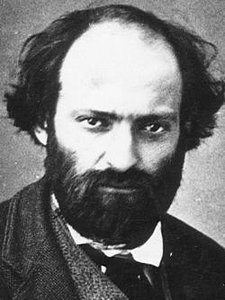
Paul Cézanne

Paul Cézanne

1839 - 1906, Prantsusmaa

Quick facts about Paul Cézanne

  • Artistic Movement Or Style: Postimpressionism
  • Artists Or Movements Influenced By This Artist:
    • Kubism
    • Fauvism
    • Surrealism
  • Artists Who Influenced This Artist:
    • Romanticism
    • Barbizon koolkond
    • Paul Gauguin
    • Georges Seurat
  • Date Of Birth: 1839-01-19
  • Date Of Death: 1906-10-22
  • Full Name: Paul Cézanne
  • Nationality: Prantsuse
  • Notable Artworks:
    • The Pond at Jas de Bouffan
    • Portrait of Émile Zola
    • Forest
    • Mont Sainte-Victoire seeria
    • The Bathers
  • Place Of Birth: Aix-en-Provence, Prantsusmaa

Kunstniku elulugu

Paul Cézanne: Kujude ja värvide revolutsioon

Paul Cézanne, sündinud 1839. aastal Aix-en-Provence'is, Prantsusmaal, on üks olulisemaid tegelasi kunstiajaloos, kes sillutas vahet impressionismi kiirelt muutuvate muljete vahel ja kubismi fragmentaarse vormi poole. Tema tee ei olnud kohene edu; pigem oli see kunstilise uurimistöö aeglane arenemine, märgistatud enesehätta perioodidega ja kriitiliste tagasilöökidega, mis lõppesid pärandiga, mis muutis pöördeliselt kaasaegset kunsti. Sündinud jõuka perekonna – tema isa algul mütsimeister, hiljem pankur – lapsena nautis Cézanne haruldusega finantsilist kindlust, mis võimaldas tal pühenduda oma kirgule ilma kohese ärisuhtsest tuleneva surveta. Kuigi tema isa esialgu soovitas talle õigusteaduslikku karjääri, osutus kunstilise väljenduse tõmme liiga tugevaks ning ta loobus õigusõppest, et pühenduda maalimisega tegelemisele – otsus, mis määras tema elu. Varased mõjud hõlmasid romantismi, mis valitses tema noorusajas, ja Barbizon kooli maastikukunstile pühendumist, kuid just kohtumised kunstnike Paul Gaugenini ja Georges Seurati ning nende innovaatsete värvi- ja vormilähenemistega alustas Cézanne oma eripärase tee rajamist.

Varjust struktuurini: stiili arenemine

Cézanne'i varajased tööd kajastasid sageli romantilise maalikorraldusega seotud dramaatilisi ja emotsionaalselt laetud teemasid – tema lõuandid domineerisid tumedad paletid ja väljendusrõngad. Kuid see algusaeg oli vaid samm edasi palju analüütilisema ja murrangulisema lähenemisviisi suunas. Impressioonistide poolt eelistatud kiirelt muutuvate valguse muljete jäädvastamisest rahulolematuna asus Cézanne otsima aluseks olevate objektide struktuuri mõistmist ja esitamine. Ta püüdis mitte ainult seda, mida ta nägi, vaid ka seda, kuidas ta tajus reaalsust moodustavaid põhivorme. See viis tema looduslike kujude lagundamiseni nende geomeetrilisteks ekvivalentideks – koonused, silindrid ja sfäärid –, eelnenud kubismi revolutsioonile aastakümneid varem. Tema tehnika iseloomustas väikesed, korrata-korrata värviprõõmad, mis hoolikalt kihverti moodustavad keerulisi värvi- ja tekstuurivälju, luues kindluse ja sügavuse tunde, mida maalil varem nähtud pole olnud. Ta ei huvitunud illusiooniruumi loomisega; pigem esitas ta sageli objekte mitmest vaatenurgast korraga, väljakutsetes traditsioonilistele perspektiiviideedele ja sundides vaatajat aktiivselt oma kompositsiooni konstruktiivse iseloomuga suhtlema. See teadlik moonutus ei olnud juhuslik, vaid katse edastada täielikuma arusaamise vormist, esindades mitte ainult ühte hetke ajas, vaid tajude süntesi.

Maastikud, stilleivid ja inimkuju: peamised tööd ja korduvad motiivid

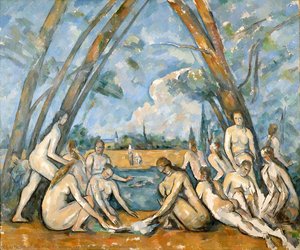
Cézanne'i looming on märkimisväärselt mitmekesine, hõlmates maastikke, stilleiweid, portreede ja ujujate kujutusi, kuid kõiki ühendab tema ainulaadne vormi- ja värvilahendus. Pond at Jas de Bouffan (1880) illustreerib tema maalikunsti, näidates tema võimekust jäädvustada looduse olemust kujude ja toonide hoolika paigutusega. Émile Zola portree (1866) paljastab tema areneva stiili ning annab veenva pilgu tema lähedase sõbra ja kirjaniku intellektuaalsele intensiivsele iseloomule. Tema stilleivid, näiteks õuntest ja muust puuviljast koosnevad, ei ole pelgud esitused objektidest, vaid mahu, valguse ja ruumisuhete uurimised. Mont Sainte-Victoire sarjast sai Cézanne'i obsessioon – korduv motiiv, mis võimaldas tal aastakümnete jooksul pidevalt uurida vormi ja perspektiivi. Need maalijad ei ole pelgud kujutused mäest; need on uuringud selle kohta, kuidas me tajume sügavust, mahu ja valguse ning varju vahelist koosmõju. Lõpuks esindavad tema ujujate seeriat, mis kujutab paljasid tegelasi idüllilistes maastikedes, sügavat uurimist inimkuju ja selle seost loodusega, sageli sisendatud ajatu ja vaikse kaalutlusega.

Innovatsioonist vormitud pärand: Cézanne'i mõju kaasaegsele kunstile

Paul Cézanne'i mõjuga järgnevatele kunstnike põlvkondadele on mõõdetav. Teda peetakse laialdaselt "kaasaegse kunsti isaks" tema murranguliste panuste poolest piltkeelele, mis rajas teed paljudele 20. sajandi suurematele kunstisuundadele. Pablo Picasso ja Georges Braque olid sügavalt võlgnud Cézanne'i geomeetriliste kujude ja mitmekordsete vaatenurgale pööratud tähelepanu, mis said kubismi keskseks põhimõtteks. Tema julge värvitasu ka inspireeris Fauvist liikumist, mida juhtisid kunstnikud nagu Henri Matisse, kes omaks võtsid eredaid, mitte-looduslikke toone. Isegi sürrealistid leidsid kõlakohaks Cézanne'i subjektiivse tajude ja psühholoogilise sügavuse uurimist. Spetsiifiliste liikumiste peale Cézanne'i kunstniku isikliku visiooni rõhutamine ja traditsiooniliste akadeemiliste piirangute keeldumisel vabanetasid põlvekunstnikke uuteks väljendusvormideks. Ta esitas küsimusi ise esindamise definitsiooni kohta, nihutades keskpunkti jäljendamisest visuaalse kogemuse konstruktiivse aluseks oleva struktuuri ja subjektiivse tajude põhjal. Tema surm 1906. aastal ei tähendanud lõppu, vaid algust – uue ajastu koitu kunstiajaloo jaoks, mida kujundas tema revolutsiooniline visioon.

Teave teose kohta

  • Artistic style: Post-impreisionistlik
  • Title: L'Estaque. Vaade puudeni
  • Medium: Õli paberile
  • Subject: Maastik, küla
  • Influences:
    • Impreisionism
    • Kubismi
  • Dimensions: 44 x 53 cm