
 Eelvaade
 Saada
Saada Jaga
Jaga
 Teave teose kohta
 Juhend

 Laadi alla
 Sarnased teosed
 Röntgenuuring
 Slaidietendus
 KÜSIMUSED JA VASTUSID
 Statistika
Venus Disarming Cupid

- 18.0 x 14.0 cm


 Loe lähemalt
Giclée / Kunstiprint
Muuseumikvaliteediga giclée- või kangasprint kiire tootmisega ja paindlikud viimistlusvõimalused. ( Osta käsitsi maalatud teos Lülita digitaalse pildi juurde)




P118B €10

P118H €10

P118W €10

P438Z €10

P508JH €12

P508YH €12

P805H €10

P805Z €10

P919BZ €10

P919G €10

P919XJ €10

P959ZH €10

P968JZ €12

W106C €8

W218G €10

W218JH €8

W218Y €10

W307PJ €10

W316G €10

W316PJ €8

W316Y €10

W398PJ €8

W4111J €10

W500HY €15

W500JH €15

W692G €12

W849H €8

W940BG €15

W953PJ €8




Vali meie eelmääratud suurused, mis vastavad teose algupärastele proportsioonidele.

Sisestage vajalik laius ja kõrgus, et see sobiks teie raamile või seinale. Trükki saab ainult lõigata, seda ei saa kunagi pildist suuremaks teha, seega ka erineva mustega suurus kaotab osa pildist. Enne trükkimist saadame teile kinnitamiseks digitaalse näidisprojektsiooni. Sellel lehel näidatud pilt ei kujuta reaalset lõiget — seda näitab ainult näidisprojektsioon.
Ülemaailmne tarne () 2 nädala jooksul, tavalise 4/5 nädala asemel. (7 november)

Tasuta ekspresssaatmine üle maailma

Kõrgekvaliteediline lina-kangas

Täielik transpordikindlustus

Tollimaksude tagastamise garantii

Värvitoime täpsuse garantii

100 päeva tagastusõigus (ainult valmistusdefektide korral)

100% raha tagasi garantii

Hulgusoodustus
 Klaasivalik on saadaval ainult kuni 110 cm suuruses teostes

Venus Disarming Cupid
Giclée / Kunstiprint
Reproduktsiooni suurus
-


Koguhind
€ 72
The Enigmatic Dance of Desire: Parmigianino’s Venus Disarming Cupid
Parmigianino's "Venus Disarming Cupid," a drawing executed between 1527 and 1530, isn’t merely a depiction of a mythological scene; it’s a profound meditation on love, power, and the very nature of desire. Created during his formative years in Florence and Rome, this work encapsulates the burgeoning Mannerist style – a deliberate departure from the idealized harmony of the High Renaissance, favoring instead an exquisite tension, a heightened drama, and a captivating sense of ambiguity. The sheet itself, a pale pink prepared paper reminiscent of a chiaroscuro woodcut, immediately establishes a mood of restrained elegance, hinting at the intricate layers of meaning concealed within the composition.
At its heart lies Venus, rendered with an almost unsettling sensuality. She’s not the serene goddess of classical sculpture; instead, she's caught in a moment of fierce, volatile emotion. Her pose – a masterful example of the *figura serpentinata*, that sinuous, twisting form so beloved by Mannerist artists – is both arresting and subtly unsettling. The exaggerated curve of her spine, the languid drape of her gown, all contribute to an image brimming with contained energy. Her hand, poised mid-gesture, holds the bow and arrow, a symbol of Cupid’s destructive power, yet she wields it not with aggression, but with a deliberate, almost playful control.
- The Myth Unveiled: The scene draws directly from Ovid's *Metamorphoses*, recounting the moment when Venus, wounded by Cupid’s arrow, retaliates by disarming her son. This isn’t a tale of simple maternal affection; it’s a complex narrative of reciprocal pain and fury – a testament to the consuming nature of love itself.
- A Study in Movement: Parmigianino meticulously explored various poses for Venus's arm, evident in the numerous preparatory sketches that accompanied this drawing. Each iteration reveals his painstaking process of achieving the perfect balance between dynamism and grace, capturing the fleeting quality of emotion.
- The Woodcutter’s Influence: The Budapest sheet’s origin is intriguing; it was likely intended for woodcuts, a technique favored by Parmigianino during his time working with Antonio da Trento. This suggests an awareness of the limitations of drawing as a medium and a desire to translate the image into a more widely accessible format.
Mannerist Sensibilities: A Departure from Tradition
“Venus Disarming Cupid” is a quintessential example of Mannerism’s distinctive aesthetic. Unlike the balanced compositions and harmonious colors of the High Renaissance, Parmigianino embraces distortion, exaggeration, and an unsettling sense of artificiality. The figures are elongated, their proportions subtly skewed, creating a visual tension that mirrors the emotional turmoil depicted. The use of pale pink as a dominant color further contributes to this atmosphere of restrained intensity – it’s not a vibrant, celebratory hue, but rather one imbued with a subtle melancholy.
This departure from classical ideals wasn't simply stylistic; it reflected a broader cultural shift. The Sack of Rome in 1527 had profoundly impacted the Italian Renaissance, shattering the confidence and stability that had characterized the era. Mannerism emerged as a response to this upheaval – a style characterized by uncertainty, anxiety, and a fascination with the grotesque. Parmigianino’s drawing embodies these anxieties, capturing the sense of disorientation and emotional instability that permeated the period.
Symbolic Layers: Beyond the Myth
Beyond its mythological narrative, “Venus Disarming Cupid” is rich in symbolic meaning. The bow and arrow represent not just Cupid's destructive power but also the vulnerability inherent in love – a force capable of inflicting both pleasure and pain. Venus’s act of disarming her son can be interpreted as a rejection of passive acceptance, a declaration of agency in the face of overwhelming emotion. The two Cupids flanking her are themselves symbolic: one appears subdued, perhaps representing the wounded innocence of youth, while the other seems to mirror Venus's defiant stance.
Furthermore, the drawing’s preparatory nature—the numerous sketches and studies—suggest a deeper exploration of the theme. It’s not simply a finished artwork but a testament to Parmigianino’s intellectual engagement with the subject matter, reflecting his meticulous approach to artistic creation.
A Legacy of Grace: Reproduction and Interpretation
Reproductions of “Venus Disarming Cupid” offer a remarkable opportunity to appreciate the nuances of Parmigianino's artistry. The delicate washes, the subtle gradations of tone, and the masterful rendering of form are all best appreciated through high-quality reproductions. This drawing remains a powerful testament to the enduring appeal of Mannerist art – a style that continues to captivate viewers with its exquisite beauty, unsettling intensity, and profound exploration of human emotion. It’s a work that invites contemplation, prompting us to consider the complexities of love, desire, and the ever-shifting boundaries between power and vulnerability.
Korduvad küsimused
Mis on teose „Venus Disarming Cupid“, autor Parmigiano luminants?
Teose „Venus Disarming Cupid“, autor Parmigiano luminants on Soft Shadow. Luminants kirjeldab, kui palju valgust värvid peegeldavad.
Mille teiste nimetega on Parmigiano tuntud?
Parmigiano tuntub ära ka nime all Girolamo Francesco Maria Mazzola, Francesco Mazzola, Le Parmesan.
Mis on teose „Venus Disarming Cupid“, autor Parmigiano tegelik suurus?
Teose „Venus Disarming Cupid“, autor Parmigiano mõõdud on 18 x 14 cm. Reproduktsioone saab tellida muutes mõõtust, säilitades samal ajal samad proportsioonid.
Kunstniku elulugu
Varajane Elu ja Kunstniku Tee
Girolamo Francesco Maria Mazzola, tuntud ajaloo all Parmigianino – “väike mees Parmast” – ilmus renessansi kõrgaegadel, kuid sai kiiresti kasvava mannerismi stiili määrava figuurina. Sündinud Parmas 11. jaanuaril 1503. aastal, tema varajast elu märkis perekondlik kaotus; tema isa, Filippo Mazzola, suri Girolamo olles vaid kahe aastane. Kasvatati onu Michele ja Pier Ilario poolt, kes olid mõlemad tagasihoidliku oskusega kunstnikud, sai noor Parmigianino oma esialgse kunstihariduse selle perekondliku ringis. See alus osutus aga ainult hüppelauaks erakordsele andele, mis peagi ületas isegi tema mentoreid. Hämmastaval 18-aastaselt oli ta juba lõpetanud Bardi altarimaali, teose, mis demonstreeris küpsust ja täiuslikkust, mis ületas tema aastaid, tähistades tõeliselt silmapaistva kunstniku saabumist.Firenze, Rooma ja Mannerismi Visiooni Kujunemine
Parmigianino kunstiline teekond viis ta umbes 1524. aastal Firenzesse, kus ta omandas meistrite nagu Raffaeli ja Leonardo da Vinci mõju, kuigi ta hakkas kiiresti looma oma eristavat rada. Ta esitas paavst Clement VII-le kolm maali, sealhulgas silmatorkava autoportree kumerpeeglis – tunnistus tema tehnilisest oskusest ja kasvavast eneseteadvusest. See tegevus kindlustas tellimusi Roomas, kuid linna kunstiline maastik häiris peagi 1527. aasta rahutu rüüstamine. Sunnitud põgenema, otsis Parmigianino turvasa Bologna linnast, kus ta lõi ühe oma tuntuima teose, *Pühaperekond*. Just sel perioodil kristalliseerus tema signatuurstil: pikendatud vormid, graatsilised poosid ja rafineeritud sensuaalsus said tema kunsti tunnusjoonteks. Ta ei kujutanud lihtsalt reaalsust; ta ümbermõtestas seda elegantsi ja idealiseeritud ilu läbi. See lahknevus kõrge renessansi rõhust naturalismile tähistas teda Mannerismi võtmeuuendajana, kunstiliikumisena, mida iseloomustab selle kunstlikkus, täiuslikkus ja klassikaliste vormide tahtlik moonutamine.Pikendusvormi ja Graatsia Meisterteosed
Parmigianino pärand põhineb suhteliselt väikesel, kuid sügavalt mõjukal teoste kogumil. *Kaela Pikk Madonna* (1534) jääb ehk tema ikoonilisimaks loomiseks. Selle rahutu, kuid lummava kompositsiooni, millel on pikendatud kaelu ja jäsemeid figuurid, väljakutse tavapärastele ilu ja proportsioonide mõistetele. See tahtlik moonutus ei ole lihtsalt stilistiline; see edastab vaimset igatsust ja muuseasjalikku graatsiat. Samuti *Püha Jeremase Visioon* (1527), mis valmis tema viibimise ajal Roomas, demonstreerib tema meisterlikkust anatoomias ja perspektiivis, samal ajal kui ta omaks Mannerismi kalduvust dramaatilistele kompositsioonidele ja emotsionaalsele intensiivsusele. Lisaks nende tähistas maalid paljastavad Parmigianino joonistused erakordset oskust ja tundlikkust. Tema figuuride, drapeeride ja arhitektuuriliste elementide uuringud demonstreerivad tähelepanu detailidele ja sügavat vormi arusaama. Isegi tema vähem tuntud teosed, nagu *Vibu kaardev Amor*, näitavad sama rafineeritud tundlikkust ja tehnilist virtuoossust, mis defineerib tema loomingu.Katkenud Pärand: Parmigianino Viimased Aastad
Traagiliselt katkestati Parmigianino paljulubav karjäär tema enneaegse surma tõttu Casalmaggiore linnas 1540. aastal, olles 37-aastane. Tema surma asjaolud jäävad veidi salapäraseks; mõned jutustavad, et ta langes palavikku ohvriks, samal ajal kui teised viitavad kukkumise tüsistustele. Vaatamata oma lühikesele elule jättis Parmigianino kustutamatu jälje Itaalia renessansi kunstile. Ta on üks Mannerismi olulisemaid esindajaid, mõjutades põlvkondi kunstnikke oma elegantsest stiilist ja uuendusliku lähenemisviisi vormi ja kompositsiooniga. Tema töö võlub tänagi vaatajaid, pakkudes pilku maailma, kus ilu ei jälgita lihtsalt, vaid aktiivselt loodud – tunnistus kunsti visiooni püsivale jõule. Freskod, mille ta jättis Parmas ja Fontanellatos lõpetamata, on valusaid meeldetuletusi sellest, mis oleks võinud olla, kuid isegi nende ebakompleetsetes olekutes paljastavad nad meistri sära, kelle pärand jätkab sajandeid resonantsi.
Parmigiano
1503 - 1540 , Itaalia
Lühikest infot
- Artistic Movement Or Style: Mannerism
- Artists Or Movements Influenced By This Artist: ['Itaalia renessanss']
- Artists Who Influenced This Artist:
- Correggio
- Raphael
- Date Of Birth: 11. jaanuar 1503
- Date Of Death: 1540
- Full Name: Girolamo Francesco Maria Mazzola
- Nationality: Itaallane
- Notable Artworks:
- Madonna with the Long Neck
- Vision of St Jerome
- Self-Portrait
- Place Of Birth: Parma, Itaalia
Sarnased artiklid
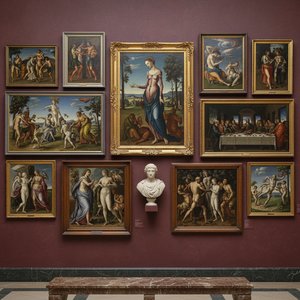
Mannerism's Masters: 10 Artworks That Redefined Renaissance Style | OriginalUniqueArt
Explore 10 defining Mannerism masterpieces – from Pontormo to El Greco. Discover the stories behind these Renaissance paintings, their unique style & symbolism. Find museum-quality art reproductions at OriginalUniqueArt.com and elevate your home decor.

Mannerism: Bridging Renaissance Harmony & Baroque Drama – A Study of Style & Affectation
Explore the fascinating world of Mannerism! Discover its key characteristics, pioneering artists like Pontormo & Bronzino, and its pivotal role in bridging Renaissance harmony to Baroque drama. A comprehensive guide for art enthusiasts.

Mastering the Line: A Comprehensive Expert Guide to Technical Precision and Expressive Depth in Drawing
Elevate your artistic practice with this expert guide to mastering the line. Discover advanced techniques in graphite, charcoal, and contour drawing designed for art students seeking technical precision and expressive depth in their fine art studies.

The Nuances of Graphite: Exploring Emotional Depth & Technical Mastery in Pencil Drawing
Explore the captivating world of graphite drawing! Discover its rich history, master essential techniques like chiaroscuro, and learn how artists evoke emotion through this timeless medium. Expert insights for art enthusiasts.

Sandro Botticelli 25 Parimat Teost: Ilu, Müüdid ja Renessansi Suurmeister OriginalUniqueArt.com-is
Avastage Sandro Botticelli 25 parimat teost! Sukeldume Renessansi ilu, müütide ja Firenze suurmeistri ajatusse maailma. Kvaliteetsed reproduktsioonid ja kunst interjööris – OriginalUniqueArt.com-is. Avasta kõik meistriteosed veebis!
