

 Vaata sisu
 Jaga teost
 Jaga
Jaga
 Detailid
 Õppekate juhend

 Laadi alla
 Sarnased teosed
 Röntgenuuring
 Slaidietendus
 Statistika
Profeeti pea


 Loe lähemalt
Giclée / Kunstiprint
Muuseumikvaliteediga giclée- või kangasprint kiire tootmisega ja paindlikud viimistlusvõimalused. ( Telli käsitsi maalitud reproduktsioon Ülemineku digitaalse pildi müügi kanalisse)




P118B €10

P118H €10

P118W €10

P438Z €10

P508JH €12

P508YH €12

P805H €10

P805Z €10

P919BZ €10

P919G €10

P919XJ €10

P959ZH €10

P968JZ €12

W106C €8

W218G €10

W218JH €8

W218Y €10

W307PJ €10

W316G €10

W316PJ €8

W316Y €10

W398PJ €8

W4111J €10

W500HY €15

W500JH €15

W692G €12

W849H €8

W940BG €15

W953PJ €8




Vali meie eelmääratud suurused, mis vastavad teose algupärastele proportsioonidele.

Saate sisestada oma mõõdud, et need sobiks konkreetse raami või ruumi sisse. Kui valitud suurus ei vasta originaalteose proportsioonidele, lõigame teose ära või laiendame pilti peegeldatud või ühtlase servaga. Enne tootmisprotsessi algust saadetakse Teie kinnitamiseks digitaalne näidis.
Palun märka, et ekraanil kuvatav eelvaade ei kajasta tegelikku lõigamist või laiendamist. Ainult näidis kujutab täpselt lõplikku kompositsiooni.
Kuigi erimõõdu on saadaval, soovitame originaaproportsioonide säilitamiseks valida mõõt ette määratud nimekirjast.
Ülemaailmne tarne () 2 nädala jooksul, tavalise 4/5 nädala asemel. (11 oktoober)

Tasuta ekspresssaatmine üle maailma

Kõrgekvaliteediline lina-kangastest muld

Täielik transpordikindlustus

Tollimaksude tagastamise garantii

Värvitoime täpsuse garantii

100 päeva tagastusõigus (ainult defektide korral)

100% raha tagasi garantii

Hulgusoodustus
 Klaasivalik on saadaval ainult kuni 110 cm suuruses teostes

Profeeti pea
Giclée / Kunstiprint
Reproduktsiooni mõõtmed
-


Lõppsumma
€ 69
A Window into Renaissance Contemplation: Paolo Uccello’s *Head of Prophet* (1443)
This captivating portrait, created in 1443 by Florentine master Paolo Uccello, offers a deeply intimate glimpse into the world of Early Renaissance religious art. Often identified as Saint Augustine, the subject's serene expression and dignified presence invite quiet contemplation – a hallmark of Uccello’s unique artistic vision.Style & Technique: Pioneering Perspective and Luminous Glazing
Uccello was at the forefront of experimentation with perspective during this period, and while not overtly dramatic here due to the close-up composition, his understanding of spatial relationships is subtly present in the carefully constructed circular framing. The head appears almost haloed, not just by divine association but also through Uccello’s masterful use of light and shadow. The technique employed is characteristic of the Early Renaissance: meticulous layering of oil paint – glazing – to achieve a remarkable luminosity and depth of color. Notice how the artist builds up tones to create incredibly realistic skin textures, subtle fabric folds, and the gentle sheen on the subject’s beard. The limited palette, dominated by warm earth tones contrasted with muted greens in the background, further enhances the figure's prominence.Historical Context: Florence & the Rise of Humanism
Paolo Uccello lived during a pivotal moment in Florentine history – a period witnessing the burgeoning Renaissance and the rediscovery of classical learning. He trained under Lorenzo Ghiberti, whose work on the Baptistery doors instilled in him an appreciation for detail and refined craftsmanship. The 15th century also saw the rise of Humanism, which emphasized human intellect and potential alongside religious faith. This is reflected in Uccello’s portraits; they are not merely iconic representations but seem to capture a sense of individual personality and inner life. The Spedale di San Paolo, where this work resides, was itself undergoing transformations during this era, reflecting the broader cultural shifts.Symbolism & Iconography: Divine Wisdom Embodied
The subject’s identity as Saint Augustine is strongly suggested by his aged features and contemplative gaze. Augustine, a prominent philosopher and theologian, represents intellectual rigor and spiritual insight. The circular composition itself can be interpreted symbolically – representing eternity or the divine realm. The halo, though partially obscured, signifies sanctity and grace. Uccello doesn’t present Augustine as an aloof figure but rather as a relatable human being imbued with profound wisdom.Emotional Impact & Interior Design Considerations
This *Head of Prophet* evokes a sense of peaceful contemplation and quiet dignity. Its restrained palette and intimate scale make it suitable for a variety of interior settings, from traditional libraries to modern living spaces.- Its warm tones would complement neutral color schemes.
- The portrait’s circular format lends itself well to gallery walls or as a focal point above a fireplace.
- As a high-quality reproduction, it offers an accessible way to bring the beauty and intellectual depth of the Early Renaissance into your home.
Küsimused ja vastused
Kui palju valgust tundub värvid teosele "Profeeti pea" peegeldatav olevat?
Teose „Profeeti pea“, autor Paolo Uccello luminants on Helevus ja tasakaal. Luminants kirjeldab, kui palju valgust värvid peegeldavad.
Millal loodi teos "Profeeti pea"?
Teose „Profeeti pea“, autor Paolo Uccello loomimisaeg on 1443.
Milleks on „Profeeti pea“, autor Paolo Uccello mõeldud?
Teose „Profeeti pea“, autor Paolo Uccello reproduktsiooni kasutamist on soovitatav Aktsent jaoks. See soovituse on tulenev teose motiivist, meelelojast ja värvigabast.
Milline paigutus sobib teose „Profeeti pea“, autor Paolo Uccello formaadile?
Formaat (Ruuduline) ja soovitatav ruum (Elutuba) on kaks teosest „Profeeti pea“, autor Paolo Uccello saadud paigutusandmet.
Kes lõi "Profeeti pea"?
Teose "Profeeti pea" loovis Paolo Uccello. Selle lehe info kirjeldab Paolo Uccello algteost.
Mis vanuses loos Paolo Uccello teose "Profeeti pea"?
Kui teos "Profeeti pea" loodi aastal 1443, oli Paolo Uccello (sündinud aastal 1397) 46 aastane.
Milline palett ja domineeriv värv määravad teose "Profeeti pea"?
Teose "Profeeti pea" värvigamma on määratud Muldne paletiga, mille domineeriv värv on Pähklipuu (#6f5639).
Kunstniku elulugu
Florencia Visioonär: Paolo Uccello Elu ja Kunst
Paolo Uccello, sündinud Paolo di Dono 1397. aastal Firenze lähedal asuvate künniste vahel, on üks kõige võluvamini salaperasemaid vararenessanssi tegelasi. Tema hüüdnimi – „Uccello“ ehk „lind“ – viitab mängulisele loomusele ja kunstilisele kaldusele kujutada lindude maailma, kuid see peidab endas meelt, mis on sügavalt kaasatud oma aja kasvavatesse intellektuaalsetesse vooludesse. Ta ei olnud lihtsalt maalija; ta oli pioniir, lõuendi matemaatik, kes püsis avama visuaalse ruumi saladusi ja tõlkima need hingustöös kunstiteosteks. Tema isa, Dono di Paolo, praktiseeris topeltkutset juuksur-kirurgina, samas kui tema ema, Antonia, pärit Firenze aadlikust perekonnast – see sugupuudus võis noore Paolosse nii praktilise mõistliku meeleseisu kui ka peenete esteetiliste väärtuste arukuse. Aastatel 1412–1416 veetis Uccello oma vormivat aega Lorenzo Ghiberti õpilasena, kelle töökojaga oli kunstiline innovatsiooni keemistemperatuur, keskendudes Firenze ristiperele suurejooneliste pronksuste loomisele. See varajane kokkupuude süvendas teda valitsevas gooti stiilis, millel on dekoratiivse elegantsi ja narratiivse selguse rõhk, kuid see tekitas temas ka soovi ületada kindlustatud piire.Perspektiivi Tõuamine: Matemaatiline Meel mängib
Uccello kunstiline areng ei seisnud lihtsalt tehnika omandamises; see oli juhitud pöörasest uudishimust põhimõtete vastu, mis reguleerivad tajusid. Ta muutus matemaatikaga haaratuks, eriti geomeetria ja perspektiiviga, mitte abstraktsete distsipliinidena, vaid tööriistadena, et avada tõelisem esitlus reaalsusest. Kuigi Filippo Brunelleschi saab sageli krediidi lineaarperspektiivi avastamise eest, oli Uccello nende seas esimene, kes rakendas seda süstemaatiliselt maalimisega, arvutades hoolikalt kaduvad punktid ja ortogonaalid luues sügavuse illusiooni, mis puudus varem kunstis. See ei seisnud lihtsalt tehnilise täpsusega; Uccello jaoks sai perspektiivist vahend narratiivi struktureerimiseks, dramaatilise suurendamiseks ja kompositsioonide andmiseks korra ja intellektuaalse jõu tunnet. Tema fanaatilisus piiris obsessiivsusega, nagu Giorgio Vasari on rääkinud, kes kirjeldas Uccellot öösel hilja vaimustuses kaduvate punktide ja ruumisuhete peale mõtlemisest. See pühendumus, kuigi mõnikord eksentriliselt tajutav, muutis lõpuks maali revolutsiooniliseks ja rajas tee tulevastele kunstnike põlvedele.Illusiooni Meisterteosed: Peamised Tööd ja Stilistlikud Tunnused
Uccello teos on üsna väike, kuid seda iseloomustab eripärane stiil, mis segab gooti elegantsi renessanssi innovatsiooniga. San Romano lahing, kolme paneeli sari, mille tellis Firenze võidu mälestamiseks, seisab võib-olla tema kõige tähistatumana saavutuse. Need pole lihtsalt sõjastseenid; need on dünaamilised kompositsioonid, mis on täis keerlevaid tegelasi, fragmentaarseid relvastusi ja dramaatiliselt lühendatud oda – kõik esitatud elavates värvitoonides ja korraldatud hoolikalt arvutatud perspektiivi järgi. Neitsi Maarja sünd näitab Uccello meistruses lineaarperspektiivis, luues veenva sügavuse illusiooni kitsaskohas ruumis, samas kui tema Püha Georg ja draakon esitleb silmapaistvat kujutust legendaarsest pühast, mida iseloomustavad julged värvid ja stiliseeritud vormid. Isegi töödes nagu Neeme ja Paadi, San Miniato al Monte freskode osa, on Uccello fanaatilisus arhitektuurses detailis ja keerulistes kompositsioonides selgelt näha. Tema stiil avaldab jätkuvalt:- Elav palett ja värvi julge kasutamine.
- Lineaarperspektiivi rõhk, mida mõnikord dramaatilise efekti saavutamiseks piirini viiakse.
- Tegelased stiliseeritud ja dekoratiivsed mustrid, mis meenutavad gooti kunsti.
- Sügav fanaatilisus geomeetriliste kujude ja ruumisuhete suhtes.
Pärand ja mõju: Püsiv mõju kunstiajalukku
Paolo Uccello panus renessanssi ulatub palju kaugemale tema individuaalsetest maalidest. Tema pioniiri perspektiivi uurimine muutis fundamentaalselt kunstiajaloo käiku, mõjutes lugematuid kunstnikke, kes järgnesid talle. Albrecht Dürer, tuntud saksa trükkimise ja maali meister, oli Uccello tööga sügavalt inspireeritud, pühendades end perspektiivi uuringutele ja integreerides selle põhimõtteid oma kunstilisse praktikasse. Kuigi Uccello stiil jäi kogu karjääri jooksul üsna idiosünkraatlikuks – gooti rafineerituse ja renessanssi innovatsiooni ainulaadne segu – kindlustas tema põhiline lähenemine ruumile ja vormile oma koha lääne kunsti arendamisel olulisena. Ta suri 1475. aastal Firenzes, jättes maha pärandi mitte ainult kaunite maalide näol, vaid ka intellektuaalse uudishimu ja kunstilise julge meeleolu näol. Tema töö jätkab imestust ja austamist tekitades, tuletades meile meelde, et tõeline kunst ei seisagi ainult selles, mida näeme, vaid milles kuidas me seda näeme.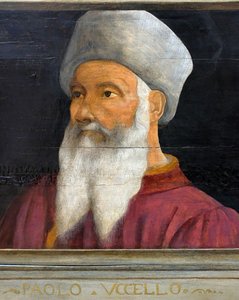
Paolo Uccello
1397 - 1475 , Itaalia
Lühikest infot
- Artistic Movement Or Style: Vararenessanss
- Artists Or Movements Influenced By This Artist: ['Albrecht Dürer']
- Artists Who Influenced This Artist:
- Lorenzo Ghiberti
- Donatello
- Date Of Birth: 1397
- Date Of Death: 1475
- Full Name: Paolo Uccello
- Nationality: Itaalia
- Notable Artworks:
- San Romano lahing
- Neitsi Maarja sündimine
- Püha Jüri ja draakon
- Lõvi ja Noa laev
- Place Of Birth: Pratovecchio, Itaalia
Sarnased artiklid

Mastering Devotion: The Most Iconic Depictions of Saint Jerome in Art History
Explore the profound iconography of Saint Jerome through art history's most iconic masterpieces. From Renaissance serenity to Baroque drama, discover how legendary painters captured divine devotion in breathtaking oil paintings and fine art reproductions.
Divine Masterpieces: Exploring the Power and Beauty of Saint Artworks
Discover the profound beauty of Saint Artworks. Explore the history, symbolism, and luminous mastery of Renaissance religious masterpieces through an expert art-historical lens.
Paolo Veronese: A Renaissance Master of Color, Composition, and Venetian Splendor
Explore the vibrant world of Paolo Veronese, a Renaissance master renowned for his opulent compositions, masterful use of color, and dramatic Venetian scenes. Discover key artworks & legacy.
Martin Johnson Heade: Luminism, American Identity & the Poetic Still Life
Explore the captivating world of Martin Johnson Heade, a master of Luminism. Discover his serene landscapes, vibrant still lifes & profound connection to American identity. Learn about his techniques and legacy.
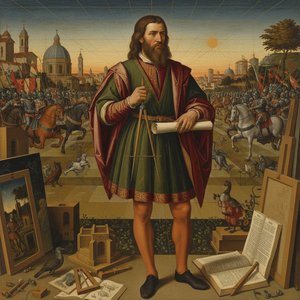
Paolo Uccello: Pioneering Perspective & the Renaissance Pursuit of Visual Truth
Explore the revolutionary art of Paolo Uccello, a Florentine Renaissance master who pioneered perspective. Discover his iconic paintings like 'St. George & The Dragon' and learn about his lasting influence on art history.


