Lülita trükkitoodetele
 Loe lähemalt







































 Kunstiteoste või reproduktsioonide puhul, mille üks külg on üle 105 cm (umbikmolt 41 tolli), saadetakse raam kirjal asendis, la Dismantlitud komplektina. See meetod tagab ohutuse kohaletoimetamisel ja väldib transpordil tekkivaid kahjustusi.


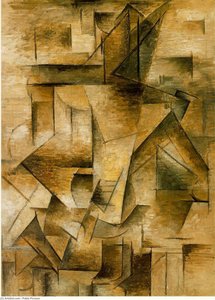
Pablo Picasso’s ‘Portrait of Dora Maar’: A Window into Turmoil
Pablo Picasso's “Portrait of Dora Maar,” painted in 1937, is far more than just a likeness; it’s a raw and intensely personal exploration of love, obsession, and the anxieties simmering beneath the surface of a world on the brink. This captivating oil painting, measuring 92 x 65 cm and currently residing in the Musée d'art Moderne de la Ville de Paris, offers a profound glimpse into Picasso’s tumultuous inner life and his complex relationship with the enigmatic photographer Dora Maar. The work is a cornerstone of Surrealist portraiture, showcasing Picasso’s masterful manipulation of form and color to convey not just appearance, but also psychological depth and emotional turmoil.A Collision of Worlds: Style and Technique
Picasso's approach to “Portrait of Dora Maar” exemplifies his signature Cubist style, yet it transcends mere replication. He doesn’t simply depict Maar; he dissects her form, presenting multiple perspectives simultaneously – a profile view alongside a frontal one, creating a sense of fractured reality. This technique, characteristic of the period, reflects the fragmentation of experience and the subjective nature of perception. The use of sharp, angular lines contributes to this unsettling effect, while bold blocks of color—primarily reds, blues, and browns—intensify the emotional impact. Picasso’s masterful application of thick impasto paint adds a tactile quality to the canvas, further emphasizing the fragmented nature of the image. Notice how he deliberately avoids smooth transitions, leaving visible brushstrokes that contribute to the painting's dynamic energy. This isn’t a polished, idealized portrait; it’s an intensely felt one.Symbolism Woven into the Canvas
The painting is rich with symbolic elements, offering layers of interpretation beyond a simple representation of Dora Maar. The most striking feature is undoubtedly her red fingernails – a deliberate and provocative detail that has been interpreted in various ways: as a symbol of defiance, passion, or even warning. The ‘prison-like’ structure of her chair, rendered with rigid lines and a confining space, hints at the constraints she may have felt within their relationship, or perhaps reflects Picasso's own anxieties about control. The background, dominated by a simplified window frame and a brick wall, adds to this sense of confinement. A subtle bee-like form near Maar’s ear has been suggested as representing industry, productivity, or even a stinging presence in Picasso’s life – a reminder of the sharp edges of their passionate but often volatile connection. The overall composition evokes a feeling of unease and instability, mirroring the emotional turbulence within the painting itself.Historical Context and Emotional Resonance
“Portrait of Dora Maar” was created during a pivotal moment in history—1937, the year Picasso painted his monumental anti-war masterpiece, *Guernica*. The anxieties surrounding the impending World War II undoubtedly influenced the painting’s somber mood and fragmented form. Maar herself embodies the sense of uncertainty and disruption that characterized Europe at the time. Beyond its historical significance, the portrait possesses a profound emotional resonance. It's a haunting depiction of a complex relationship marked by passion, jealousy, and ultimately, heartbreak. The painting invites viewers to contemplate not only Picasso’s artistic genius but also his deeply flawed humanity—a man capable of both extraordinary creativity and destructive obsession. It remains a powerful testament to the enduring power of art to capture the complexities of human emotion and experience.- Style: Surrealism, Cubism
- Technique: Oil on canvas, Impasto
- Dimensions: 92 x 65 cm
- Current Location: Musée d'art Moderne de la Ville de Paris, France
Korduvad küsimused
Kuidas ma saan alla laadida teose „Dora Maari portree“, autor Pablo Picasso pildi?
Teose „Dora Maari portree“, autor Pablo Picasso digitaalset pilti saab alla laadida selle teose Laadi alla lehelt: kõrge resolutsiooniga digitaalse pildi allalaadimine.
Millal ja millise kunstisuuna kuulub teos "Dora Maari portree"?
Teos "Dora Maari portree" loodi aastal 1937 ning see kuulub Kubism suunasse. Aasta ja stiil anavad teosele kunstiajalist konteksti.
Mille kohta teos "Dora Maari portree" on?
Teemad, mis teoses „Dora Maari portree“, autor Pablo Picasso esinevad, hõlmavad portree, surrealism, picasso, dora maar, kubism, pinge, psühholoogiline, fragmenteeritud. Koos need kokkuvõtavad teose sisu.
 Eelvaade
 Saada
Saada Jaga
Jaga
 Teave teose kohta
 Juhend

 Laadi alla
 Sarnased teosed
 Röntgenuuring
 Slaidietendus
 KÜSIMUSED JA VASTUSID
 Statistika