
 Vaata sisu
 Jaga teost
 Jaga
Jaga
 Detailid
 Õppekate juhend

 Laadi alla
 Sarnased teosed
 Röntgenuuring
 Slaidietendus
 Statistika
Emblem


 Loe lähemalt
Käsitsi valmistatud õlimaalireproduktsioon
Meie kunstnike poolt tellimusel valmistatud käsitsi maalitud õli-kainaste teos teie soovitud suuruses ja raamis. ( Lülita trükkitoodetele Ülemineku digitaalse pildi müügi kanalisse)




P118B €10

P118H €10

P118W €10

P438Z €10

P508JH €12

P508YH €12

P805H €10

P805Z €10

P919BZ €10

P919G €10

P919XJ €10

P959ZH €10

P968JZ €12

W106C €8

W218G €10

W218JH €8

W218Y €10

W307PJ €10

W316G €10

W316PJ €8

W316Y €10

W398PJ €8

W4111J €10

W500HY €15

W500JH €15

W692G €12

W849H €8

W940BG €15

W953PJ €8




Vali meie eelmääratud suurused, mis vastavad teose algupärastele proportsioonidele.

Sisestage vajalik laius ja kõrgus, et teos sobiks teie raamile või seinale. Kuna tegu on käsipainatud teosega, siis erineva kujuga suuruse korral võib kunstnik jätta pildi ümber veidi rohkem marginaali või lõigata osa ära — valik on teie. Enne maali alustamist saadame teile kinnitamiseks digitaalse näidisprojektsiooni. Sellel lehel näidatud pilt ei kajasta tegelikku tulemust — seda näitab ainult näidisprojekttsioon.
Pärast tellimust saadab OriginalUniqueArt.com meeskond kliendile e-posti juhised ning esitab eelvaate kavandi
Maailmline tarne 3–4 nädala jooksul tavalise 5 nädala asemel. (24 oktoober). Kvaliteedis kompromisse ei tehta.

Tasuta ekspresssaatmine üle maailma

Kõrgekvaliteediline lina-kangastest muld

Täielik transpordikindlustus

Tollimaksude tagastamise garantii

Värvitoime täpsuse garantii

100 päeva tagastusõigus (ainult defektide korral)

100% raha tagasi garantii

Hulgusoodustus
 Klaasivalik on saadaval ainult kuni 110 cm suuruses teostes

Emblem
Reproduktsiooni materjal
Reproduktsiooni mõõtmed
-


Lõppsumma
€ 286
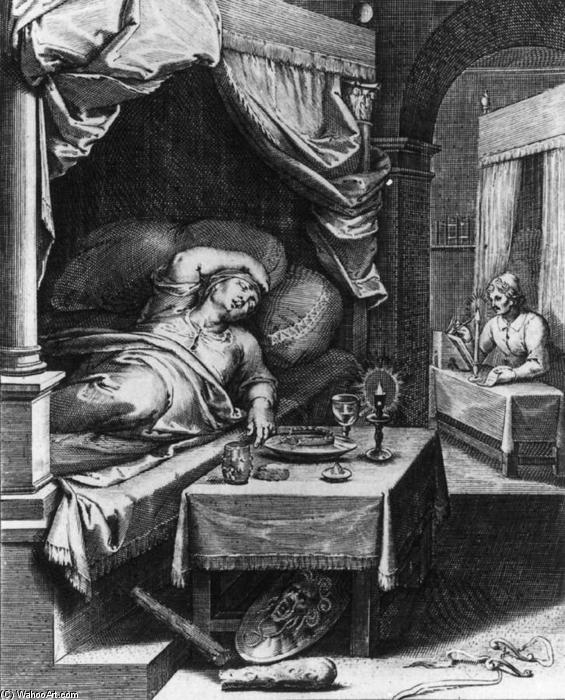
Otto van Veen’s Emblem: A Baroque Meditation on Grief
The engraving “Emblem,” created by Otto van Veen in 1607, stands as a testament to the artistic fervor of the Baroque period—a time marked by dramatic emotion and opulent visual grandeur. More than just a depiction of imagery, it's an immersive experience into the spiritual anxieties of its era, skillfully rendered with meticulous detail and imbued with profound symbolic resonance. This artwork resides within the North Carolina Museum of Art’s collection (Object Number: NCMA 1987.36), offering visitors a glimpse into the artistic sensibilities of Flemish Baroque art. ### Artistic Style and Technique – The Language of Emotion Van Veen's approach to engraving exemplifies the stylistic conventions prevalent during his time. Characterized by thick, expressive linework—primarily hatching and cross-hatching—the artist prioritizes conveying emotion over strict realism. Unlike Renaissance artists who sought idealized representations, Baroque painters like Van Veen embraced dramatic chiaroscuro (light and shadow), amplifying visual impact and fostering a palpable sense of sorrow. The engraving utilizes a burin tool to carve lines into a metal plate, transferring ink onto paper with remarkable precision—a technique that allowed for nuanced tonal gradations and heightened textural qualities. This careful execution contributes significantly to the artwork’s overall mood and reinforces its thematic concerns. ### Historical Context – Faith Amidst Turbulent Times “Emblem” emerged during a period of intense religious upheaval in Europe, specifically within the Low Countries. The Protestant Reformation had irrevocably fractured Christendom, sparking conflicts between Catholic and Protestant factions. Van Veen's artistic milieu was profoundly influenced by this turbulent landscape; he worked alongside humanist thinkers like Dominicus Lampsonius and Jean Ramée who championed classical learning and challenged traditional dogma. This intellectual climate fostered a preoccupation with mortality—a central theme explored in “Emblem”—reflecting anxieties about divine judgment and the fragility of human existence. The engraving’s solemn composition speaks to the spiritual fervor of its time, mirroring broader societal concerns regarding faith and morality. ### Symbolism – Death, Mourning, and Divine Lamentation The artwork's visual elements are laden with symbolic significance. At its core lies a reclining figure—likely representing Christ—surrounded by attendants who convey grief and sorrow. The opulent drapery and furnishings serve as emblems of wealth and status, yet simultaneously underscore the pervasive atmosphere of loss. The pyramidal structure of the image draws the viewer’s gaze upwards towards the central figure, emphasizing spiritual contemplation. Furthermore, the scene evokes themes of biblical lamentation—a common motif in Baroque art—reflecting a belief in divine compassion amidst human suffering. Each carefully positioned element contributes to the artwork's overarching narrative and invites viewers to contemplate profound existential questions. ### Emotional Impact – A Window into Baroque Soul Ultimately, “Emblem” succeeds in capturing the emotional intensity characteristic of Baroque art. The dramatic lighting casts deep shadows that heighten the mood of despair, while the meticulous linework conveys a palpable sense of sorrow and solemnity. Viewing this engraving is akin to stepping into a darkened chapel—a space designed for contemplation and reverence. It’s an artwork that transcends mere visual representation; it communicates profound spiritual truths through masterful technique and evocative imagery. Like Gerard Seghers' “Christ and the Penitent Sinners,” (NCMA 1987.36), “Emblem” exemplifies the Baroque preoccupation with conveying emotion and exploring themes of faith and mortality—a legacy that continues to inspire artists and collectors today.Küsimused ja vastused
Kas "Emblem" on üks Otto Van Veen populaarsemaid teoseid?
Teos "Emblem" on klassifitseeritud kategooriasse Recognized.
Millest on teos "Emblem" valmistatud?
Teose „Emblem“, autor Otto Van Veen materjal on Engraving. Reproduktsioonide eesmärk on jälitada selle tehnika välimust.
Kas saan tellida teose "Emblem" õli-reproduktsiooni?
Teose „Emblem“, autor Otto Van Veen käsitsi maaldatud reproduktsiooni saab tellada otse selle Käsitsi maalatud reproduktsioon lehelt: käsitsi maalatud õlireproduktsioon linaelapale, valmistatud tellimusest.
Kunstniku elulugu
Sild, mis on uurtas Renaissance ja Barokk: Otto van Veeni maailm
Otto van Veen, nimi, mis koidab kajaid 16. sajandi lõpus ja 17. sajandi alguses, võtab kunstiloostikus vastu uimastav vääratuspositsiooni. Sündinud umbes 1556. aastal Hollandi Leidens, kõrge positsiooniga peresse — tema isa oli burgomeister — oli Van Veeni elu täis muutlikke lojaalsusi ja kunstilist evolutsiooni. Tema noorenust aastatel haaras madalmaid religioosne pinge, mis kujundas sügavalt tema tulevikku. Pereli koli Antwerpisse aastal 1572, ajutult tõusva protestantlikkuse lainete eest kaitumiseks oma katolikul usul, ei olnud pelgalt geograafiline nihe, vaid murdepunkt tema intellektuaalses ja kunstilises kujunduses. See liikumine tõi teda kokku mõjukate isikutega nagu Dominicus Lampsonius ja Jean Ramée, laidades aluse karjäärile, mis oli täis humanistlikke ideaale ja klassikalist õppekindlust. Tema järgnev reis Rooma umbes aastal 1574 või 1575 tõtus võtmatuks; süvenedes Itaalia Renessansi südamesse, imetas ta endasse stiililisi nüansse, mis määrasid tema täiskasvanud töö — elegantsi, peenud kompositsiood ja manierismi iseloomuliku rõhuasetuse idealiseeritud vormidele. Kuigi teadlased vaidlevad tema Rooma õpetuse täpse ulatuse üle, viidates mõnele uurijale tema perioodile Federico Zuccari juures, on selle mõju vältimatu.Patroonlus, pedagoogika ja meistri kujundamine
Pärast Itaaliast naasmist tõi Van Veen end kiiresti tuntuks nõutud kunstnikuna. Tema talent kindlustas talle Brüsselis as到的 koht süüdlikuna Parma hertogi, Aleksander Farnese, lõuna-Hollandi kuberina. See patroonlus pakkus mitte ainult finantsstabiilsust, vaid ka ligipääsu sofisteeritud kunstilisele keskkonnale ja võimalusi suurem Maßiga tellimustele. Aastal 1593 sai ta meistriks Antwerpi Püha Luku guildis, kinnitades oma professionaalset positsiooni. Kuid Van Veeni pärand ulatub kaugele tema enda maalidest; see on lahutumatu seotud ühe kunstilo history üks kõige kuulsama meistri karjääriga: Peter Paul Rubensiga. Umbes aastatel 1594 või 1595 kuni 1598 teenis Van Veen Rubensile õpetajana, sisestades noorele kunstnikule rangusa klassikalise hariduse ja sügava austuse humanistlikke printsiipe vastu. See mentorlus oli määrav, kujundades Rubensi intellektuaalset raamistust ja kunstilist tundlikkust, luues aluse tema tulevikule. Van Veen ei edastanud pelgalt tehnilisi oskusi; ta kultiveeris maailmapilti, mis rõhutas kunsti, kirjanduse ja filosoofia integratsiooni — see on Rubensi produktiivse loovuse üks tunnusjooneid. Sellel perioodil võttis Van Veen ette ka arvukaid religioosseid tellimusi, kaunistades kirikuid altarilaudade ja laipadega, demonstreerides oma mitmekülgsust ja kasvavat mainet oskusliku ning usaldusväärse kunstnikuna.Manieristlik tundlikkus ja embleemide keel
Van Veeni kunstiline stiil on kindlalt juurdunud manierismis — esteetikas, mida iseloomustavad pikunenenud figuurid, graatsiosed asendid, keerulised kompositsioonid ja peenud palett. Tema maalid kiirgab sageli elegantsi ja intellektuaalse mõttelise süvenemise õhku. Teda tuntigi kui pictor doctus – õppinud maalari – ning see nimetus peegeldab tema pühendumust humanistiliste teemade kaasasviimisele oma töödes. Lisaks maalidimisele panustas Van Veen oluliselt kasvavas embleemiraamatute valdkonda — populaarsesse žanrisse, mis ühendas pildid ja tekstid moraalsete ning filosoofiliste sõnumite edastamiseks. Tema teosed Quinti Horatii Flacci Emblemata (1607), Amorum Emblemata (1608) ja Amoris Divini Emblemata (1615) on selle vormi esile tõstvad näited, demonstreerides tema oskust nii kunstniku kui ka teadlane rollis. Eriti Amorum Emblemata saavutas laia mõju, toimides mudelina hilisemate embleemiraamatute jaoks ja inspireerides kunstnereid erinevates valdkondades. Selle kirjeldused, kus puttid esitasid klassikalise kirjanduse ja müütoloogia kohtusid koos nutikate motodega, tabasid Renessansi humanismi vaimu ja selle kummardust armule — nii maailmasslikule kui ka jumalikule.Hilisemad aastad ja igav pärand
Isegi kui kunstiline maitse hakkas suunuma Barroki dünaamika poole, jätkas Van Veen oma eduga. Ta säilitas sidemed suurhertukad Albert ja Isabella koodiga, kuigi ilma ametliku õukonna ametikohata. Oluliseks tegevuseks sel perioodil oli ka kaksteist maali sarj, mis kujutasid armeid roomlaste ja bataavikute vahel, tellimusena Hollandi Riigiparlamendilt, tuginedes tema varasematele graafikatöödele. See projekt demonstreer tavad tema võimet kohanduda muutuvate poliitiliste ol circumstances ja vastata erinevatele kunstilistele nõudmistele. Kogu oma karjääri vältel oli Van Veen aktiivne osa Antwerpi kunstikeskkonnas, teenides nii Püha Luku guildi kui ka romanistide dekaanina (1602 ja 1606). Ta tuli suurepärase kunstilise talenteeritud perest; tema vend Gijsbert oli kogenud graveerija, tütar Gertruid jälgi maalikunstnikuna ning mitmed vennapoiad töötasid pastellartistidena. Otto van Veen surmas Brüsselis aastal 1629, jättes jälgide taha pärandi, mis ulatus kaugele tema enda teosest. Kuulus hollandlane kunstilo ajaloolane Arnold Houbraken tunnustas teda oma ajastu kõige muljvutavama kunstniku ja teadlaseks, lisades isegi tema portree nii mõjuva teose De Groote Schouburgh der Nederlantsche Konstschilders en Schildersessen pealkirjapagale. Tema igav pärand ei peitu mitte ainult tema enda kunstilistes saavutustes, vaid ka tema võtmetähtsusega rollis õpetajana ja mentorina — eriti Peter Paul Rubensile — ning tema panuses oma ajastu intellektuaalsetesse ja kunstilistesse vooludes. Ta seisab kui kordumatult oluline tegelane, sild, mis ühendab Renaissance ja Baroque perioode, kehastades humanistliku kunstniku ideaale ja jättes temmatemat jälje flamimale maali ajalule.
Otto Van Veen
1556 - 1629 , Madalmaatsia
Lühikest infot
- Artistic Movement Or Style: Mannerism
- Artists Or Movements Influenced By This Artist: ['Peter Paul Rubens']
- Artists Who Influenced This Artist: ['Federico Zuccari']
- Date Of Birth: 1556
- Date Of Death: 1629
- Full Name: Otto van Veen
- Nationality: Flemish
- Notable Artworks:
- Batavians Defeating Romans
- Peace Negotiations
- Brinno Raised upon Shield
- Amorum Emblemata
- Place Of Birth: Leiden, Netherlands
Sarnased artiklid

Rembrandti 25 meistriteost: Valgus ja varjud Hollandi kuldajast kunstikollektsioonis
Avastage Rembrandti 25 meistriteost! Hollandi kuldajastu barokkmaalid, portreed ja ajaloolised stseenid. Leidke inspiratsiooni interjööri kujunduseks või soetage luksuslik Rembrandt reproduktsioon OriginalUniqueArt.com-ist. Avastage kogu kollektsioon veebis!

Baroki võlm: kuidas valgus ja drama 17. sajandi kunstis emotsioone liigutavad
Avastage baroki dramaatika ja valgus-varjo meistrikunst. Sukelduge 17. sajandi kunstihõngusse juba täna.

Engraving's Golden Age: 10 Masterpieces That Redefined Art | OriginalUniqueArt
Journey through art history with our Top 10 Legendary Engravings! Explore masterpieces by Dürer, Rembrandt & Goya. Discover the stories behind these iconic prints and find museum-quality reproductions for your home at OriginalUniqueArt.com.

Baroque Classicism: The Grandeur of Order and Drama in 17th-Century Art History
Explore the profound elegance of Baroque Classicism. Discover how 17th-century masters synthesized dramatic emotion with classical order through the lens of the Counter-Reformation and the works of legends like Carlo Maratta and Andrea Sacchi.
Masterpieces of the 17th Century: Art, History & Decor Inspiration | OriginalUniqueArt
Journey through 17th century art with masterpieces by Rembrandt, Vermeer & Caravaggio. Explore Baroque paintings, Dutch Golden Age techniques & timeless beauty. Find museum-quality reproductions and elevate your home decor on OriginalUniqueArt.com.