
 Eelvaade
 Saada
Saada Jaga
Jaga
 Teave teose kohta

 Laadi alla
 Sarnased teosed
 Röntgenuuring
 Slaidietendus
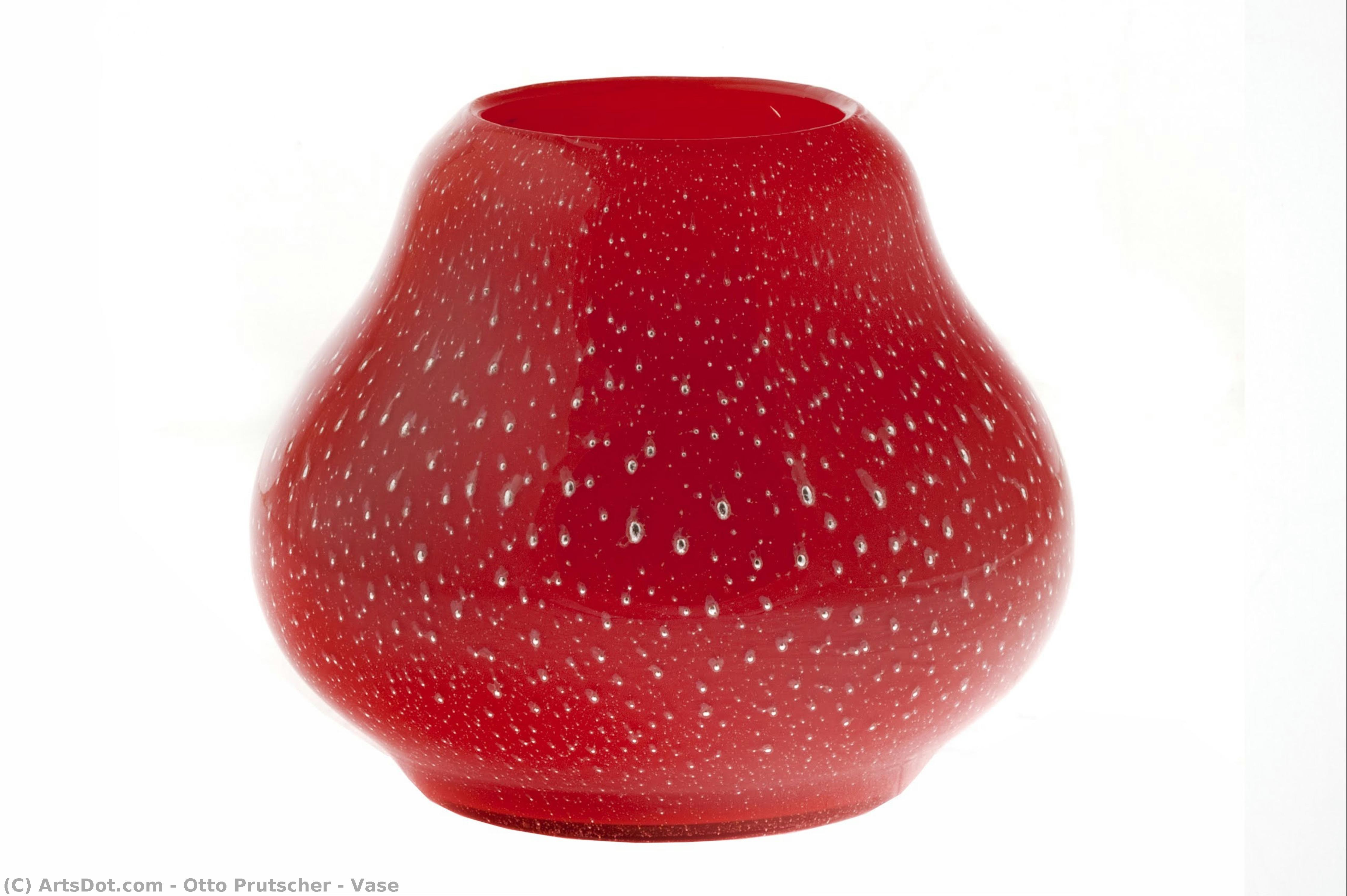
Vase
 1908
1908 6.0 x 12.0 cm
 Національний музей декоративних мистецтв Мадрида
 Loe lähemalt
Ostke kõrglahutusel ja täiustatud digitaalne pilt, mis on oluliselt parem kui veebilehel näidatud eelvaade.
Iga fail on meie spetsialistide poolt hoolikalt ette valmistatud, kasutades kaasaegseid tööriistu ja professionaalset käsitsi retušeerimist. Tagame, et igal pildil on erakordne selgus, täpne värvitäpsus ja peen detail.
Lõplik fail saadetakse e-posti teel 72 tunni jooksul, olles optimeeritud koheseks kasutamiseks professionaalsetes, toimetuslikes ja trüki keskkondades. See on sama kvaliteet, mida usaldavad tipptasemel disainistuudiod, kirjastused ja galeriid.
Digitaalne kunstiteos
Laadi alla kõrge resolutsiooniga fail isiklikuks vaatamiseks, trükkimiseks ja loomingulisteks projektideks. ( Osta print Osta käsitsi maalitud maal)
Sisse kuulub iga digitaalse pildi tellimusega
Eksperdi digitaalne kohaletoimetamine, garanteeritud
Valides OriginalUniqueArt.com, ei saa sa lihtsalt pilti – saad professionaalselt parandatud digitaalse teose, mida on valmistatud täpsusega ja mis on toetatud rahuldamatusgarantiiga. Siin on kõik, mis sinu tellimusega automaatselt kaasneb:

Kiire digitaalne saatmine
Teie kõrge resolutsiooniga digitaalne pildifail saadetakse teile e-posti 72 tunni jooksul pärast tellimist – kohe kasutamiseks valmis.

Tehisintellektiga täiustatud digitaalne fail
Teie teos on professionaalselt optimeeritud arenenud tehisintellekti tööriistade ja käsitsi redigeerimise abil, tagades maksimaalse detailitaseme, selguse ja värvitäpsuse.

Tasuta eluaegne uuesti saatmine
Kas kustutasid faili kogukalu unustamisel või kustutamisel? Puudub mure – saad selle uuesti igal ajal ilma lisatasuta.

Puuduvad importimaksed – alati
Nautige oma teoseid koheselt ilma tolli-, maksude või tarnimaskuludeta – digiletchargused on alati maksuvabadud.

Värvitäpsuse garantii
Me tagame, et teie digitaalne pilt kajastaks originaali värve professionaalsete tööriistade ja värvihalduse abil võimalikult täpselt.

60-päevane rahulolu garantii
Kui te ei ole oma digipildiga rahul, parandame seda või tagastame 100% summast 60 päeva jooksul – küsimusi ei esita.

100% raha tagastamise garantii
Ei ole rahul? Saate täielise tagastaja 60 päeva jooksul pärast digitaalse faili kättesaamist – küsimata.

Suurema tellimuse soodustused
Osta 3 pilti, säästa 10% - Osta 5, säästa 15% - Osta 10+, säästa 20%. Sobib suurepäraselt loomingulisteks projektideks, galeriideks ja agentuurideks.
Kunstniku biograafia
A Pioneer of Viennese Modernism: The Life and Legacy of Otto Prutscher
Otto Prutscher, born in Vienna in 1880 and passing away in 1949, stands as a pivotal yet often-underappreciated figure in the evolution of Austrian design. He wasn’t merely an architect; he was a versatile artist who seamlessly blended tradition with burgeoning modernity, leaving an indelible mark on everything from grand architectural projects to the delicate curves of glassware and the intricate patterns adorning textiles. Prutscher embodied the spirit of Vienna at the turn of the 20th century—a city brimming with artistic innovation, intellectual ferment, and a desire to forge a new aesthetic identity. His early education at the Fachschule für Holzindustrie and subsequently at the Kunstgewerbeschule (School of Applied Arts) laid the foundation for his multifaceted career. Crucially, it was under the tutelage of Josef Hoffmann that Prutscher’s artistic sensibilities were truly shaped, instilling in him a commitment to quality craftsmanship and a keen awareness of prevailing architectural trends.Early Influences and Artistic Development
Prutscher's formative years coincided with the rise of the Vienna Secession, a movement that challenged the conservative norms of the established art world. While not a founding member, he wholeheartedly embraced its principles—a rejection of historical eclecticism in favor of a more streamlined, functional aesthetic. His initial designs reflected this influence, often characterized by geometric forms and a restrained elegance. However, Prutscher wasn’t content to simply replicate Hoffmann's style; he embarked on a journey of artistic exploration that led him to incorporate classical motifs and indigenous patterns into his work. This unique synthesis became a hallmark of his oeuvre, distinguishing him from his contemporaries. His participation in the 1900 Paris Exposition and the 1902 Turin Exposition served as crucial platforms for showcasing his burgeoning talent and establishing his reputation within the international art community. These early exhibitions weren’t just opportunities to display finished products; they were vital moments of exchange, allowing Prutscher to absorb new ideas and refine his artistic vision.A Prolific Creator: Architecture, Interiors, and Applied Arts
The sheer breadth of Prutscher's creative output is astonishing. He designed over 50 buildings, conceptualized nearly 50 exhibitions, crafted interiors for countless shops and cafés in Vienna, and produced an estimated 300 interior designs. Beyond that, he created more than 200 individual pieces and sets of furniture. This remarkable productivity was facilitated by his collaborative approach—he frequently worked with over 200 companies to bring his designs to life, most notably the Wiener Werkstätte (Vienna Workshop), Backhausen, and Augarten. Prutscher’s involvement extended beyond mere design; he also dedicated himself to education, teaching at institutions like the Graphische Lehr- und Versuchsanstalt and later returning to the Kunstgewerbeschule as an instructor. He wasn't simply creating objects; he was shaping a generation of artists and designers. His work spanned a vast range of mediums—from glassware and textiles to metalwork, silverware, and jewelry—demonstrating his mastery of diverse techniques and materials.The Legacy of a Universal Designer
Otto Prutscher’s significance lies not in any single iconic masterpiece but rather in the pervasive influence he exerted on Viennese Modernism. He was a true “Universal Designer,” capable of seamlessly transitioning between architectural plans, interior schemes, and intricate decorative details. His designs weren't merely aesthetically pleasing; they were imbued with a sense of functionality and practicality, reflecting his belief that art should enhance everyday life. He skillfully navigated the complex relationship between tradition and innovation, creating works that were both rooted in Austrian heritage and forward-looking in their aesthetic sensibility.- Vienna Secession Influence: Embraced the movement’s rejection of historical eclecticism.
- Collaborative Spirit: Worked with over 200 companies, including Wiener Werkstätte and Backhausen.
- Educational Role: Taught at prominent art institutions, shaping future generations of designers.
- Versatility in Mediums: Mastered glassware, textiles, metalwork, furniture design, and more.

Otto Prutscher
1880 - 1949 , Austria
Lühikesed faktid
- Artistic Movement Or Style: Post-Impressionism
- Artists Or Movements Influenced By This Artist:
- Fauves
- Expressionism
- Artists Who Influenced This Artist:
- Jean-François Raffaëlli
- Anton Mauve
- Date Of Birth: March 30, 1853
- Date Of Death: July 29, 1890
- Full Name: Vincent Willem van Gogh
- Nationality: Dutch
- Notable Artworks:
- Sunflowers
- Bedroom in Arles
- The Starry Night
- Wheatfield with Crows
- Place Of Birth: Netherlands

