

 Eelvaade
 Saada
Saada Jaga
Jaga
 Teave teose kohta

 Laadi alla
 Sarnased teosed
 Röntgenuuring
 Slaidietendus
L'HIVER


 Loe lähemalt
Giclée / Kunstiprint
Muuseumikvaliteediga giclée- või kangasprint kiire tootmisega ja paindlikud viimistlusvõimalused. ( Osta käsitsi maalitud maal Osta pilt)




P118B $10

P118H $10

P118W $10

P438Z $10

P508JH $12

P508YH $12

P805H $10

P805Z $10

P919BZ $10

P919G $10

P919XJ $10

P959ZH $10

P968JZ $12

W106C $8

W218G $10

W218JH $8

W218Y $10

W307PJ $10

W316G $10

W316PJ $8

W316Y $10

W398PJ $8

W4111J $10

W500HY $15

W500JH $15

W692G $12

W849H $8

W940BG $15

W953PJ $8




Vali meie eelmääratud suurused, mis vastavad teose algupärastele proportsioonidele.

Saate sisestada oma mõõdud, et need sobiks konkreetse raami või ruumi sisse. Kui valitud suurus ei vasta originaalteose proportsioonidele, lõigame teose ära või laiendame pilti peegeldatud või ühtlase servaga. Enne tootmisprotsessi algust saadetakse Teie kinnitamiseks digitaalne näidis.
Palun märka, et ekraanil kuvatav eelvaade ei kajasta tegelikku lõigamist või laiendamist. Ainult näidis kujutab täpselt lõplikku kompositsiooni.
Kuigi erimõõdu on saadaval, soovitame originaaproportsioonide säilitamiseks valida mõõt ette määratud nimekirjast.
Ülemaailmne tarne () 2 nädala jooksul, tavalise 4/5 nädala asemel. (21 august)

Tasuta ekspresssaatmine üle maailma

Kõrgekvaliteediline linakangas

Täielik transpordikindlustus

Tollimaksude tagastamise garantii

Värvitoime täpsuse garantii

60-päevane tagastusõig: ainult tootmisdefektide korral

100% raha tagasi garantii

Hulgusoodustus
 Klaasivalik on saadaval ainult suuruses kuni 110 cm

L'HIVER
Giclée / Kunstiprint
Reproduktsiooni suurus
-


Kogusumma
$ 80
Kogumuse kirjeldus
L'HIVER – A Delicate Dance of Light and Illusion
Nicolas Lancret’s “L’Hiver” (The Winter) stands as a quintessential exemplar of Rococo artistry, capturing the ephemeral beauty of Parisian leisure during its golden age. Painted circa 1730-1735, this genre scene transports viewers to a festive winter afternoon where aristocratic figures engage in playful pursuits amidst an exquisitely rendered frozen landscape—a testament to Watteau’s influence and Lancret's masterful execution.Composition & Atmosphere
The painting unfolds with remarkable grace, centering around a monumental fountain adorned with sculptures – likely representing mythological figures – bathed in diffused sunlight. Around this focal point swirl elegantly dressed couples and solitary individuals, creating an impression of movement and conviviality despite the wintry setting. Lancret skillfully employs linear perspective to establish depth, subtly diminishing the size of distant trees and buildings, reinforcing the illusion of space and enhancing the overall sense of tranquility. The artist’s deliberate framing emphasizes the social interaction at the heart of the scene, mirroring Watteau's penchant for capturing fleeting moments of aristocratic life.Color Palette & Brushwork
Lancret’s color palette is restrained yet luminous, prioritizing muted browns, grays, and whites to convey the chill of winter. However, strategic splashes of crimson—perhaps adorning a lady’s gown or highlighting decorative elements—introduce vibrant accents that counteract the coolness of the dominant hues. Delicate brushstrokes contribute significantly to the painting's textural richness; smooth blending is evident in areas depicting clothing and drapery, juxtaposed with coarser strokes delineating tree bark and icy surfaces. This technique imbues the artwork with a palpable sense of atmosphere, mirroring the soft glow of candlelight within the interior spaces depicted.Symbolism & Emotional Resonance
“L’Hiver” transcends mere depiction; it embodies Rococo ideals of pleasure and refined sensibility. The frozen fountain symbolizes resilience amidst adversity—a metaphor for enduring beauty despite seasonal change—while the figures embody aristocratic grace and carefree enjoyment. Lancret's portrayal captures not just a visual spectacle but also an emotional state: nostalgia for youthful exuberance, appreciation for social harmony, and contemplation of the transient nature of life’s joys. Like Watteau before him, Lancret invites viewers to savor the fleeting beauty of the present moment.Technical Considerations & Artistic Legacy
Executed in oil paint on canvas, “L’Hiver” exemplifies Lancret's meticulous attention to detail and his command of artistic technique. The layering of brushstrokes—a hallmark of Rococo painting—creates depth and luminosity, capturing the subtle nuances of light and shadow. Lancret’s work stands as a cornerstone of Parisian Rococo art, securing its place within Watteau’s influential lineage and cementing Lancret's reputation as one of the era’s most accomplished painters. Its enduring appeal lies in its ability to evoke a timeless sense of elegance and delight—a celebration of beauty that continues to inspire admiration centuries later.Kunstniku elulugu
Nicolas Lancret: Rokokoo võlu elulugu
Nicolas Lancret sündis Pariisis aastal 1690. Kuigi tema varajase elu kohta on üksikasjalikke andmeid vähe, teame, et ta sai esialgse koolituse Pierre d’Ulinilt, austatud ajaloolaselt. Pöördepunkt saabus siis, kui ta kohtus Antoine Watteau töödega, mis mõjutasid sügavalt tema kunstilist suunda. Seejärel õppis ta Jean-Baptiste Gilloti juures, kes oli ise Watteau õpilane, kinnitades veelgi oma seost selle mõjukama kunstiliiniga. See koolitusperiood pani aluse Lancret’i eripärasele stiilile, mida iseloomustavad Pariisi ühiskonna kerged kujutised ja *fêtes galantes* pidustuste tähistamine.Varajane Elu ja Koolitus
Lancret'i kunstiline teekond algas Pariisis, kus ta sündis 1690. aastal. Kuigi tema varajase elu kohta on üksikasjalikke andmeid vähe, teame, et ta sai esialgse koolituse Pierre d’Ulinilt, austatud ajaloolaselt. Pöördepunkt saabus siis, kui ta kohtus Antoine Watteau töödega, mis mõjutasid sügavalt tema kunstilist suunda. Seejärel õppis ta Jean-Baptiste Gilloti juures, kes oli ise Watteau õpilane, kinnitades veelgi oma seost selle mõjukama kunstiliiniga. See koolitusperiood pani aluse Lancret’i eripärasele stiilile, mida iseloomustavad Pariisi ühiskonna kerged kujutised ja *fêtes galantes* pidustuste tähistamine. Ta õppis Watteault elegantsi ja graatsiat ning Gillotilt oskust tabada detaile ja luua elavaid stseene. See varajane koolitus aitas Lancretil arendada ainulaadset võimet kujutada inimeste emotsioone ja suhtlusi, mis hiljem said tema tööde tunnusjooneks.Kunstiline Stiil ja Tähtteosed
Lancret sai tuntuks kui suurepärane prantsuse ühiskonna igapäevaelu kujutaja Orleansi hertsogi regentsiaja ja kuninga Louis XV valitsusaja algusaegadel. Tema kunstilist stiili iseloomustavad võluvad ballide, laatade, külapulmade ja muude sotsiaalsete kokkutulekute stseenid, mis peegeldavad tema aja maitseid ja kombeid. Ta paistis silma rokokoo elegantsi ja frilluse vaimu tabamises.- Tähtteosed:
- *Le Déjeuner de Jambon* (Chantilly, Musée Condé, 1735): Tema žanristseenide kvintessentsiaalne näide, mis kujutab elavat hommikusööki singiga.
- *La Servante Justifiée* (1735-1740): Näitab Lancret’i võimet kujutada kodustseenesid huumoriga ja võluväega.
- *Le Jeu des Quatre-Coins*: Mängulise pildi kujutamine populaarsest mängust, mis tabab sotsiaalse suhtluse energiat ja lõbu.
- *Marie-Anne de Camargo* (1730): Portree, mis demonstreerib tema oskust kujutada moes inimesi.
Mõjud ja Pärand
Lancret’i kunstiline stiil sarnaneb selgelt Watteau omaga, mis viib kunstiajaloolased sageli võrdlema kahte kunstnikku. Kuigi mõned kriitikud on pidanud Lancret’i tööd veidi vähem sügavaks kui Watteau oma, on tema võime tabada prantsuse ühiskonna olemust 18. sajandil taganud talle olulise koha kunstiajaloo raames. Tema maale tähistatakse nende kergejõulisuse ja võlu eest, pakkudes väärtuslikku ülevaadet rokokoo perioodi sotsiaalsetest kommetest ja esteetikast. Lancret’i mõju on näha hilisemates kunstnikes nagu François Boucher. Tema teosed asuvad prestiižlikes kogudes üle maailma, sealhulgas Rahvusgaleriis ja Musée d'Orsay’s, tagades tema pärandi jätkuva inspireerimise prantsuse rokokoo kunsti austamisest.Areng ja Ajalooline Tähtsus
Lancret demonstreeris oma karjääri jooksul järkjärgulist arengut oma kunstilises lähenemises. Kuigi alguses oli tugevalt mõjutatud Watteau’st, töötas ta välja eripärasema stiili, mida iseloomustavad elavamad värvid ja suurem harmoonia figuuride ja nende ümbruse vahel. Tema hilisemad teosed, nagu *Montreir de lanterne magique* ja *Family in a Garden*, peetakse tema kunstilise saavutuse tippu, mis näitab kasvavat võimet luua sügavust ja intiimsust oma kompositsioonides. Lancret’i ajalooline tähtsus seisneb tema panuses rokokoo liikumisse ja tema võimes dokumenteerida 18. sajandi Prantsusmaa sotsiaalset elu ja kultuuriväärtusi läbi oma võluvate ja ligipääsetavate maalidena. Tema teosed on olulised ajaloolised allikad, mis annavad meile ülevaate sellest ajastust ja selle inimestest.
Nicolas Lancret
1690 - 1743 , Prantsusmaa
Lühikesed faktid
- Artistic Movement Or Style: Rokokoo
- Artists Or Movements Influenced By This Artist: ['François Boucher']
- Artists Who Influenced This Artist:
- Pierre d’Ulin
- Jean-Baptiste Gillot
- Antoine Watteau
- Date Of Birth: 22. jaanuar 1690
- Date Of Death: 14. september 1743
- Full Name: Nicolas Lancret
- Nationality: Prantslane
- Notable Artworks:
- Le Déjeuner de Jambon
- La Servante Justifiée
- Le Jeu des Quatre-Coins
- Marie-Anne de Camargo
- Place Of Birth: Pariis, Prantsusmaa
Seotud artiklid

The Rococo Aesthetic: Opulence, Rebellion & the Pursuit of Pleasure in 18th-Century Art
Explore the opulent world of Rococo art! Discover its origins, key artists like Watteau & Boucher, and lasting influence on design. Expert insights for collectors & enthusiasts.

The Fête Galante & Beyond: Exploring the Artistic World of Jean-Antoine Watteau
Discover the captivating world of Jean-Antoine Watteau, master of the Fête Galante! Explore his iconic paintings, symbolism, and lasting influence on Rococo art. A deep dive for classic art enthusiasts.

RoKokoo: 10 Meisterteost, Mis Määritsesid Kunstisuundi | OriginalUniqueArt
Sukeldu RoKokoo maailma! Avasta 10 meistriteost, mis defineerisid kunstisuunda – prantsuse kunstnikud, kuldsed toonid ja luksuslik interjöör. Tutvu lugudega legendaarsete teoste taga & leia inspiratsiooni OriginalUniqueArt.com-ilt!
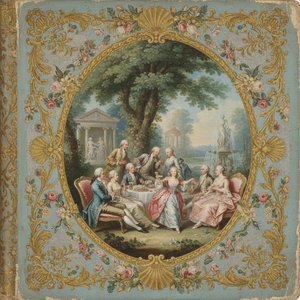
The Rococo Style: Aristocratic Leisure & the Pursuit of Delight in 18th-Century Art
Explore the opulent world of Rococo art! Discover Watteau, Boucher & Nattier's masterpieces. Expert insights for collectors seeking museum-quality reproductions and custom portraits at OriginalUniqueArt.

The Allure of Elegance in Art: A Historical & Aesthetic Exploration of Refinement & Grace
Explore the exquisite world of Rococo art! Discover its history, masters (Watteau, Boucher & more), and defining elegance. Expert insights for collectors seeking museum-quality reproductions & custom portraits.

