Early Renaissance · 1461
Triptych (Nicolas Froment, 1461)
Nicolas Froment (1430–1484) on loonud teose Triptych. See on pärinev 1461 aastast. See kuulub Early Renaissance suuntrime. Teos on valmistatud materjalist Oil On Panel. Teos asub Galleria degli Uffizi kogamuses Firenze, Italia. Mõõdud on 134 × 175 cm.
- 1461
- Oil On Panel
- 134 × 175 cm
- Galleria degli Uffizi, Firenze

 Eelvaade

 Käsitsi maalatud õlimaalatsioon
 Saada
 Jaga
 Teave teose kohta


 Laadi alla
 Sarnased teosed
 Röntgenuuring
 Slaidietendus
 KÜSIMUSED JA VASTUSID

 Statistika
Triptych lühidalt
- Pealkiri
- Triptych
- Kunstnik
- Nicolas Froment (1430–1484)
- Kunstnik on sündinud
- Uzès, Prantsusmaa
- Kuupäev
- 1461
- Tehnika
- Oil On Panel
- Mõõtmed
- 134 × 175 cm
- Kus seda näeb
- Galleria degli Uffizi, Firenze, Italia
- Suunad
- Early Renaissance
- Aeglkond
- Renaissance
- Teema
- triptych, life of christ, crucifixion, resurrection, religious art, biblical scene
Mida Triptych kujutab?
A Divine Narrative in Wood and Pigment
Behold this magnificent triptych, a profound meditation on the life of Jesus Christ, executed by the master hand of Nicolas Froment in 1461. This work is not merely a depiction; it is a devotional journey across three pivotal moments of Christian history—the serene beginnings, the agonizing sacrifice, and the triumphant dawn of resurrection. The sheer narrative scope contained within these panels invites the viewer into an intimate dialogue with sacred storytelling. From the gentle glow surrounding the Nativity scene in the first panel, where Mary cradles the infant Jesus amidst shepherds and angels, to the dramatic tension etched into the crucifixion tableau, and finally to the radiant emergence from the tomb, each segment pulses with untold human drama and divine mystery.
Mastery of the Early Renaissance Style
Nicolas Froment stands at a fascinating crossroads in art history—a painter whose work beautifully bridges the lingering grace of the Gothic tradition with the burgeoning naturalism whispered by Flemish influences. His technique, characteristic of the Second School of Avignon, allows for an astonishing level of detail while maintaining a spiritual resonance. Observe the figures: they are not static icons but breathing participants. The drapery falls with convincing weight, and the faces carry distinct, palpable emotions—a mixture of awe, sorrow, piety, and wonder. This commitment to naturalism, coupled with the vibrant palette achieved through meticulous hand-painting, gives the entire piece an immediate, almost tangible presence that transcends its age.
Symbolism and Emotional Resonance
The symbolism woven throughout this triptych is rich and deeply layered. The progression from birth to death to resurrection encapsulates the core tenets of Christian faith—the cycle of sacrifice leading inevitably to eternal life. Each figure, whether a Roman soldier, a grieving disciple, or an angelic messenger, carries symbolic weight. For the modern collector or decorator, owning such a piece means acquiring more than just art; it is acquiring a focal point for contemplation and spiritual reflection. The vibrant colors are employed not just for beauty, but to heighten the emotional stakes of each scene, drawing the eye through the narrative arc.
A Statement Piece for Any Grand Interior
Measuring 175 x 134 cm, this triptych possesses a commanding presence. It is designed to anchor a significant space—perhaps a grand hall, a library, or a chapel-inspired room. While the original wood paneling speaks of centuries of history, acquiring a high-quality reproduction allows you to integrate this monumental piece of art into your contemporary décor with confidence. The depth and complexity of Froment’s vision ensure that it will remain a captivating centerpiece, drawing admiration for its masterful execution and profound subject matter.
Kumba muuseumis asub teos Triptych?
Galleria degli Uffizi
Firenze, Italia
Galleria degli Uffizi ajalugu ja päritolu Galleria degli Uffizi asub Itaalias, Firenzes. See institutsioon loodi aastal 1560, perioodil, mil algselt kavandas selle Giorgio Vasari Firenzes töötavatele magistraatidele. Ehitise moodustamine toimus aastate 1560 ja 1580 vahel.
 Experience Sandro Botticelli’s ‘Birth of Venus’! A Renaissance masterpiece showcasing classical beauty & grace. Own a stunning reproduction of this iconic artwork – timeless elegance awaits.
The Birth of Venus
artworks_database
/en/art/sandro-botticellSandro Botticelli, 1485
 PrimaveraSandro Botticelli, 1482
 Venus of Urbino
Urbino VenusTizian, 1538
Triptych kõrge resolutsiooniga pildid

Avalik omanik: kunstnik suri aastal 1484.
Teised laiused, uueste lõikud ja alluding →Nicolas Froment, Triptych (1461), Galleria degli Uffizi. Avalik omaniklik õigus
Küsimused teemal Triptych – vastused
Kust saab teose „Triptych“, autor Nicolas Froment täna vaadata?
Originaalteost "Triptych" saab vaadata Galleria degli Uffizi, Firenze, Italia-is.
Mis on teose „Triptych“, autor Nicolas Froment loomisaeg?
Teos „Triptych“, autor Nicolas Froment loodi aastal 1461.
Millises materjalis on teos „Triptych“, autor Nicolas Froment valmistatud?
Teos "Triptych" on valmistatud tehnika Oil On Panel.
Mis on teose „Triptych“, autor Nicolas Froment tegelik suurus?
Teose „Triptych“, autor Nicolas Froment mõõdud on 175 x 134 cm. Reproduktsioone saab tellida muutes mõõtust, säilitades samal ajal samad proportsioonid.
Millised teemad teoses „Triptych“, autor Nicolas Froment esile tõelve?
„Triptych“, autor Nicolas Froment kujutab: triptych, life of christ, crucifixion, resurrection, religious art, biblical scene.
Kas teose „Triptych“, autor Nicolas Froment pilt on vabalt reproduseeritav?
Autoriõiguse teave teose „Triptych“, autor Nicolas Froment kohta: teos kuulub luba ala avalikus õiguses – selle autoriõigud onหมดunud. See määrab, kas kujundist on lubatud vabadelt reproduktsioone teha.
Kes on teose "Triptych" looja?
Teose "Triptych" loovija on Nicolas Froment. Selle lehe info kirjeldab Nicolas Froment algteost.
Millissele stiilile kuulub "Triptych"?
Teos „Triptych“, autor Nicolas Froment kuulub Early Renaissance suunasse. See suund annab teosele stilistilise konteksti.
Millist etap Nicolas Froment loomingus teos "Triptych" esindab?
Teos "Triptych" kuulub Nicolas Froment loomingulise karjääri perioodi Early Renaissance. See klassifikatsioon seostab teose kunstniku loovliku arenguga.
Kunstnikust, Nicolas Froment
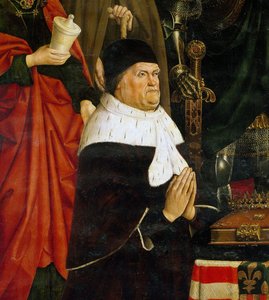
1430–1484, Prantsusmaa
Nicolas Froment
Nicolas Froment: Flaamsi ekko vararenessanssi Proventsis Nicolas Froment (u. 1435–u. 1486) on Avignoni teises koolkonnas asuma keskne figuur, tähistades kriitilist pöördumispunki gootika traditsiooni ja kasvava flaamsi naturalismi vahel Prantsuse kunstis viinse sajandil. Prantsusest Uzèsist pärit Nicolas Fromenti kunstiline teekond koitus ajastul, mida mõjutas sügavalt paavialine mecenatuse toetus ja Itaalia renessanssi ideaalid — dünaamika, mis p ning tõi kaasa stiililisi eksperimente ning kinnitas lõpuks tema staatuse Proventsi ühe kuulsama maali kunstnikuna.
Teel Nicolas Froment kohta Nicolas Froment silmapaistvad teosed
Ka Nicolas Froment teosed
 The Burning Bush (detail)1476
 Matheron Diptych1474
 The Raising of Lazarus1461
 The Pérussis Altarpiece1480

Essee teemadel Triptych
 The Statement Wall: Mastering Large-Scale Art for Commanding InteriorsMaster the art of commanding interiors with our expert guide to large-scale statement walls. Discover how premium, museum-quality oil paint…
 25 Masterpieces by Rogier van der Weyden: The Pinnacle of Emotional ArtImmerse yourself in the profound emotion of Rogier van der Weyden’s greatest works. From Northern Renaissance mastery to exquisite textures…
 25 Masterpieces by Giotto di Bondone: The Father of Renaissance ArtJourney through the revolutionary world of Giotto di Bondone. Explore 25 iconic masterpieces that bridged the Medieval and Renaissance eras…