
 Eelvaade
 Saada
Saada Jaga
Jaga
 Teave teose kohta
 Juhend

 Laadi alla
 Sarnased teosed
 Röntgenuuring
 Slaidietendus
 KÜSIMUSED JA VASTUSID
 Statistika
Christ before Pilate

- 216.0 x 174.0 cm


 Loe lähemalt
Giclée / Kunstiprint
Muuseumikvaliteediga giclée- või kangasprint kiire tootmisega ja paindlikud viimistlusvõimalused. ( Osta käsitsi maalatud teos Lülita digitaalse pildi juurde)




P118B €10

P118H €10

P118W €10

P438Z €10

P508JH €12

P508YH €12

P805H €10

P805Z €10

P919BZ €10

P919G €10

P919XJ €10

P959ZH €10

P968JZ €12

W106C €8

W218G €10

W218JH €8

W218Y €10

W307PJ €10

W316G €10

W316PJ €8

W316Y €10

W398PJ €8

W4111J €10

W500HY €15

W500JH €15

W692G €12

W849H €8

W940BG €15

W953PJ €8




Vali meie eelmääratud suurused, mis vastavad teose algupärastele proportsioonidele.

Sisestage vajalik laius ja kõrgus, et see sobiks teie raamile või seinale. Trükki saab ainult lõigata, seda ei saa kunagi pildist suuremaks teha, seega ka erineva mustega suurus kaotab osa pildist. Enne trükkimist saadame teile kinnitamiseks digitaalse näidisprojektsiooni. Sellel lehel näidatud pilt ei kujuta reaalset lõiget — seda näitab ainult näidisprojektsioon.
Ülemaailmne tarne () 2 nädala jooksul, tavalise 4/5 nädala asemel. (5 november)

Tasuta ekspresssaatmine üle maailma

Kõrgekvaliteediline lina-kangas

Täielik transpordikindlustus

Tollimaksude tagastamise garantii

Värvitoime täpsuse garantii

100 päeva tagastusõigus (ainult valmistusdefektide korral)

100% raha tagasi garantii

Hulgusoodustus
 Klaasivalik on saadaval ainult kuni 110 cm suuruses teostes

Christ before Pilate
Giclée / Kunstiprint
Reproduktsiooni suurus
-


Koguhind
€ 72
The Weight of Judgment: Nicolaes Maes’s ‘Christ Before Pilate’
Nicolaes Maes's “Christ Before Pilate,” painted in 1649-50, isn’t merely a depiction of a biblical scene; it’s a masterclass in conveying psychological drama and the unsettling ambiguity of power. The painting immediately commands attention with its monumental scale – measuring an impressive 216 x 174 cm – drawing the viewer into a meticulously rendered tableau of apprehension and moral conflict. Maes, deeply influenced by Rembrandt's pioneering use of *chiaroscuro*, employs a dramatic interplay of light and shadow to sculpt the figures, creating a palpable sense of unease that permeates the entire composition. The muted palette, dominated by deep blues, browns, and ochres, contributes to this atmosphere of somber contemplation, while strategically placed highlights draw focus to key elements – Christ’s outstretched hands, Pilate's hesitant gaze, and the faces of the onlookers, each reflecting a complex blend of fear, curiosity, and indifference.
- Rembrandt’s Shadow: Maes’s apprenticeship under Rembrandt is undeniably evident. The masterful use of light to define form and create depth echoes Rembrandt's signature style, yet “Christ Before Pilate” possesses a distinctly more intimate and emotionally charged quality than many of the artist’s larger historical scenes.
- The Human Scale: Unlike the grand, theatrical compositions favored by some of his contemporaries, Maes presents this pivotal moment in Christian history with an almost unsettling sense of immediacy. The figures are rendered with remarkable realism, their faces etched with emotion and vulnerability – a deliberate choice that forces the viewer to confront the human cost of judgment.
- Compositional Tension: The arrangement of figures is carefully orchestrated to heighten the drama. Christ, positioned centrally, becomes the focal point of attention, while Pilate’s posture—a mixture of reluctance and resignation—suggests a profound internal struggle. The surrounding crowd, rendered in varying degrees of detail, represents the collective conscience of Jerusalem, caught between loyalty to Roman authority and compassion for the accused.
A Window into 17th-Century Dutch Society
“Christ Before Pilate” offers a fascinating glimpse into the social and religious landscape of 17th-century Holland. The painting reflects the burgeoning interest in biblical narratives within a society grappling with questions of morality, justice, and faith. The inclusion of details like the bowl and cup – symbols of earthly sustenance and ritual – subtly underscores the contrast between the spiritual significance of Christ’s sacrifice and the mundane realities of daily life. Furthermore, the presence of several onlookers—a soldier, a scribe, and a group of citizens—reflects the diverse social strata of Jerusalem at the time, highlighting the universal nature of human judgment and its potential for both righteousness and injustice.
Historical Context:Painted during a period of intense religious debate and political upheaval in Europe, “Christ Before Pilate” speaks to broader anxieties about authority, faith, and the role of the individual. The painting’s enduring appeal lies in its ability to resonate with viewers across centuries, prompting reflection on timeless questions of morality and responsibility.
Symbolism and Emotional Resonance
Beyond its historical context, “Christ Before Pilate” is rich in symbolic meaning. Christ's outstretched hands represent humility, sacrifice, and the acceptance of his fate. Pilate’s hesitant gaze embodies doubt, uncertainty, and the burden of leadership—a recognition that even those entrusted with power are not immune to moral dilemmas. The faces of the onlookers convey a spectrum of emotions – fear, indifference, curiosity, and perhaps even a flicker of hope – reflecting the complex human response to injustice. The painting’s overall effect is profoundly moving, evoking a sense of empathy for both Christ and Pilate, and prompting viewers to contemplate their own roles in the ongoing drama of human judgment.
Bringing ‘Christ Before Pilate’ into Your Space
Reproductions of Nicolaes Maes's “Christ Before Pilate” offer a remarkable opportunity to bring this powerful work of art into your home or office. Available in a range of sizes and framing options, our high-quality reproductions faithfully capture the painting’s dramatic intensity and nuanced details. Whether you are an art collector, an interior designer seeking to create a contemplative atmosphere, or simply someone who appreciates the beauty and emotional depth of classic art, a reproduction of “Christ Before Pilate” is sure to be a treasured addition to your collection. Consider pairing it with complementary colors and textures to enhance its impact – deep blues and browns will evoke the painting’s somber mood, while warm earth tones can create a sense of grounding and stability.
Korduvad küsimused
Kust teose „Christ before Pilate“, autor Nicolaes Maes külastajad pärit on?
Teose „Christ before Pilate“, autor Nicolaes Maes statistika on saadaval teose lehel Statistika: teose kuukaudsed külastused, kunstniku teoste külastused ning viimaste külastajate riikide ja keelte jaotus.
Kas teos "Christ before Pilate" on ilma autoriõigusteta?
Tegijateõiguse osas on teos "Christ before Pilate" kuuluv klassifikatsiooni alla: avalikus õiguses – selle autoriõigud onหมดunud.
Mis tüüpi teos on „Christ before Pilate“, autor Nicolaes Maes?
„Christ before Pilate“, autor Nicolaes Maes on klassifitseeritud kui WallArt. See kategooria kirjeldab originaalteose kunstivormi.
Kunstniku elulugu
Nicolaes Maesi elu ja varjude mäng valgusel
Nicolaes Maes, nimi, mis kõlab pehmelt Hollandi Kuldajastu meistrite hulgas, sündis Dordrechtis 1634. aasta jaanuaris maailmas, mis pulbitse oli kauplemisrikkuse ja kunstilise kihiseva eluga. Tema isa, Gerrit Maes, edukas kangakaupmees ja seebivabrikant, pakkus mugavat üleskasvukohta, võimaldades noorel Nicolaesel pühenduda kasvavale maalimisandele. Kuigi varajased õpetused tulid kohalikult kunstnikult tagasihoidliku kuulsusega, saabus Maesi arengu pöördepunkt 1648. aasta paiku, kui ta reisis Amsterdamisse ja astus Rembrandti van Rijni õpituppa. See õpipõlvesaeg osutus muutmaks, andes talle kestva hindamise valguse ja varju dramaatilise interaktsiooni – *chiaroscuro* – ning meisterliku värvikäsitsemisvõime, mis määrasid tema varased teosed. Mõju oli nii sügav, et algseid maale, näiteks piibellugude kujutisi elusuuruses figuuridega ja rikkalike, säravate toonidega, omistati sageli ekslikult Rembrandtile endale. Need vormivad aastad panid aluse karjäärile, mida iseloomustas nii tehniline briljanss kui ka intiimne arusaam inimestest.Rembrandti varjust iseseisva visiooni juurde
Pärast Dordrechtisse naasmist 1654. aastal hakkas Maes looma oma kunstilist teed, eemaldudes järk-järgult otsesest jäljendamisest endisest õpetajast. Järgnenud kümnendi jooksul toimus nihke väiksema mahuga koduste žanristseenide suunas, säilitades samas elava värvikäsitsemise, mille ta oli omandanud Rembrandti juures olles. Ta pööras oma terava pilgu Hollandi kodanike igapäevaelule, kujutades naisi tavalistes tegevustes – villakeerutamises, pühakirja lugemises, söögi valmistamises – tähelepanuväärse detaili ja tundlikkusega. Eelkõige tekkis fassineatsioon keeruka pitsikunstiga, mis inspireeris arvukalt selle teema variatsioone, millest igaüks on tunnistus Maesi hoolikale vaatlusele ja oskusele. Need maalid ei olnud pelgalt igapäevaelu kujutised; need olid aknad kodusfääri, paljastades vaikset väärikust ja peeneid narratiive, mis on põimitud 17. sajandi Hollandi ühiskonna kangasse. Tema töö sel perioodil demonstreerib võimet tabada mitte ainult *mida* inimesed tegid, vaid ka *kuidas* nad seda tehes tundsid.Amsterdami portreemaalija
Aastal 1673 kolis Maes Amsterdamisse, mis tähistas nii kunstilist ambitsiooni kui ka nutikat kohanemist areneva kunstituruga. Linn, mis alles taastus sõjast Inglismaa ja Prantsusmaaga, pakkus kasvavat nõudlust portreemaalide järele ning Maes kindlustas kiiresti oma koha üheks selle juhtivaks praktikuks. Ta loobus suurel määral oma varasemast žanritööst, keskendudes seevastu Amsterdami silmapaistvate kodanike sarnasuste ja isiksuste tabamisele. Tema portreid iseloomustab rafineeritud elegants ja psühholoogiline ülevaade, mis paljastavad mitte ainult füüsilist sarnasust, vaid ka vihjeid tegelasele ja ühiskondlikule staatusele. Teosed nagu “Gerard Röveri portree, kaupmees ja laevahärra Amsterdamis” on selle oskuse näide, esitledes väärikalt rikkuse ja kodaniku uhkust. Ta osutus osavaks staatuse edasiandmisel peente detailide kaudu – kangaste kvaliteet, rõivaste lõige, istujate kindel poos. See periood tähistas olulist stiililist muutust, liikudes varasemast soojusest ja intiimsusest poliisitud ja täiustatud esteetika suunas.Pärand ja kestev võlu
Nicolaes Maes suri Amsterdamis 1693. aasta detsembris, jättes maha olulise koguse töid, mis jätkavad tänapäeval publikut lummanud. Tema maalid pakuvad hindamatuid ülevaateid Hollandi Kuldajastu sotsiaalsetest kommetest, kodusinterjööridest ja psühholoogilisest keerukusest. Kuigi tema varased teosed kannavad Rembrandti mõju selget jälge, arendas Maes lõpuks eristava stiili, mida iseloomustab tähelepanuväärne detail, elav värvipalett ja tundlik inimkarakteri kujutamine. Tema võime tõsta igapäevaseid stseene ja inimesi kunstilisele tasemele tagab tema koha oma ajastu olulisemate maalikunstnike hulgas. Tänapäeval on tema maalid esindatud mainekates kogudes üle maailma, sealhulgas Rijksmuseum Amsterdamis, National Gallery Londonis ja National Gallery of Art Washingtonis, mis on hõlpsasti saadaval õppimiseks ja hindamiseks platvormidel nagu OriginalUniqueArt.com, tagades selle meisterliku Hollandi kunstniku pärandi säilimise põlvedeks.Tema töö võtmekarakteristikud
- Rembrandti mõju: Varased teosed demonstreerivad tugevat Rembrandti van Rijni mõju, eriti *chiaroscuro* kasutamises ja rikkalikes värvipalettides.
- Žanristseenid: Maes on tuntud oma intiimsete igapäevaelu kujutiste poolest, keskendudes kodusinterjööridele ja tegevustele nagu villakeerutamine, lugemine ja pitsikunst.
- Portreemaalija meisterlikkus: Ta sai Amsterdamis juhtivaks portreemaalijaks, tuntud oma istujate sarnasuste tabamise poolest täpsuse ja elegantsiga.
- Detailne vaatlus: Tema maale iseloomustab hoolikas tähelepanu detailidele, eriti tekstuuride, kangaste ja näoilmete renderdamisel.
- Psühholoogiline ülevaade: Maesil oli märkimisväärne võime edasi anda oma tegelaste sisemaailma ja emotsioone peente žestide ja väljenduste kaudu.
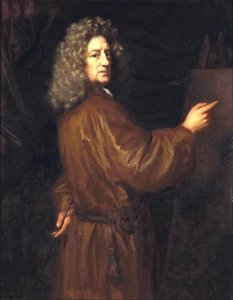
Nicolaes Maes
1634 - 1693 , Holland
Lühikest infot
- Artistic Movement Or Style: Barokk, Kuldajastu
- Artists Or Movements Influenced By This Artist: ['Hollandi žanripildid']
- Artists Who Influenced This Artist: ['Rembrandt van Rijn']
- Date Of Birth: Jaanuar 1634
- Date Of Death: Detsember 1693
- Full Name: Nicolaes Maes
- Nationality: Hollandlane
- Notable Artworks:
- The Reverie
- Card Players
- Catharina Pottey
- Gerard Röver
- Portrait of a Woman
- Place Of Birth (City And Country): Dordrecht, Holland
Sarnased artiklid
Nicolaes Berchem: Dutch Golden Age Pastoralism & the Evolution of Landscape Painting
Explore the captivating world of Nicolaes Berchem, a leading Dutch Golden Age painter. Discover his idyllic landscapes, masterful technique & lasting influence on art history. Learn more at OriginalUniqueArt.

Hollandi Kuldaja Särgas Kunstipärit: 10 Meisterteost Sinu Koduks
Sukeldu Hollandi Kuldaja kunstivorme! Avasta 10 ikoonilist meistriteost – Rembrandt, Vermeer jt. - ning nende ajatu loojatööd. Leia inspiratsiooni interjöörile ja kaunista kodu OriginalUniqueArt.com kvaliteetsete reproduktsioonidega. Uuri kollektsiooni!

Dutch Baroque Masters: 10 Paintings That Shaped an Era | OriginalUniqueArt
Journey through the Golden Age with our guide to the Top 10 Dutch Baroque masterpieces! Explore iconic paintings by Rembrandt, Vermeer & Frans Hals. Find museum-quality art reproductions and elevate your home decor at OriginalUniqueArt.com.

Golden Light & Dutch Skies: The Timeless Magic of Dutch Golden Age Landscapes
Discover the breathtaking beauty of Dutch Golden Age landscapes. Explore the mastery of light, chiaroscuro, and 17th-century realism through an expert art history lens, celebrating the enduring legacy of the Dutch Masters for discerning collectors and art lovers.

Mastering Light & Shadow: A Journey Through the Dutch Golden Age's Luminous Legacy
Embark on a cultural journey through the Dutch Golden Age. Explore the masterful interplay of light and shadow in 17th-century masterpieces, from Rembrandt to Vermeer, and discover how this era of profound realism continues to inspire fine art collectors today.