
 Vaata sisu
 Jaga teost
 Jaga
Jaga
 Detailid
 Õppekate juhend

 Laadi alla
 Sarnased teosed
 Röntgenuuring
 Slaidietendus
 Statistika
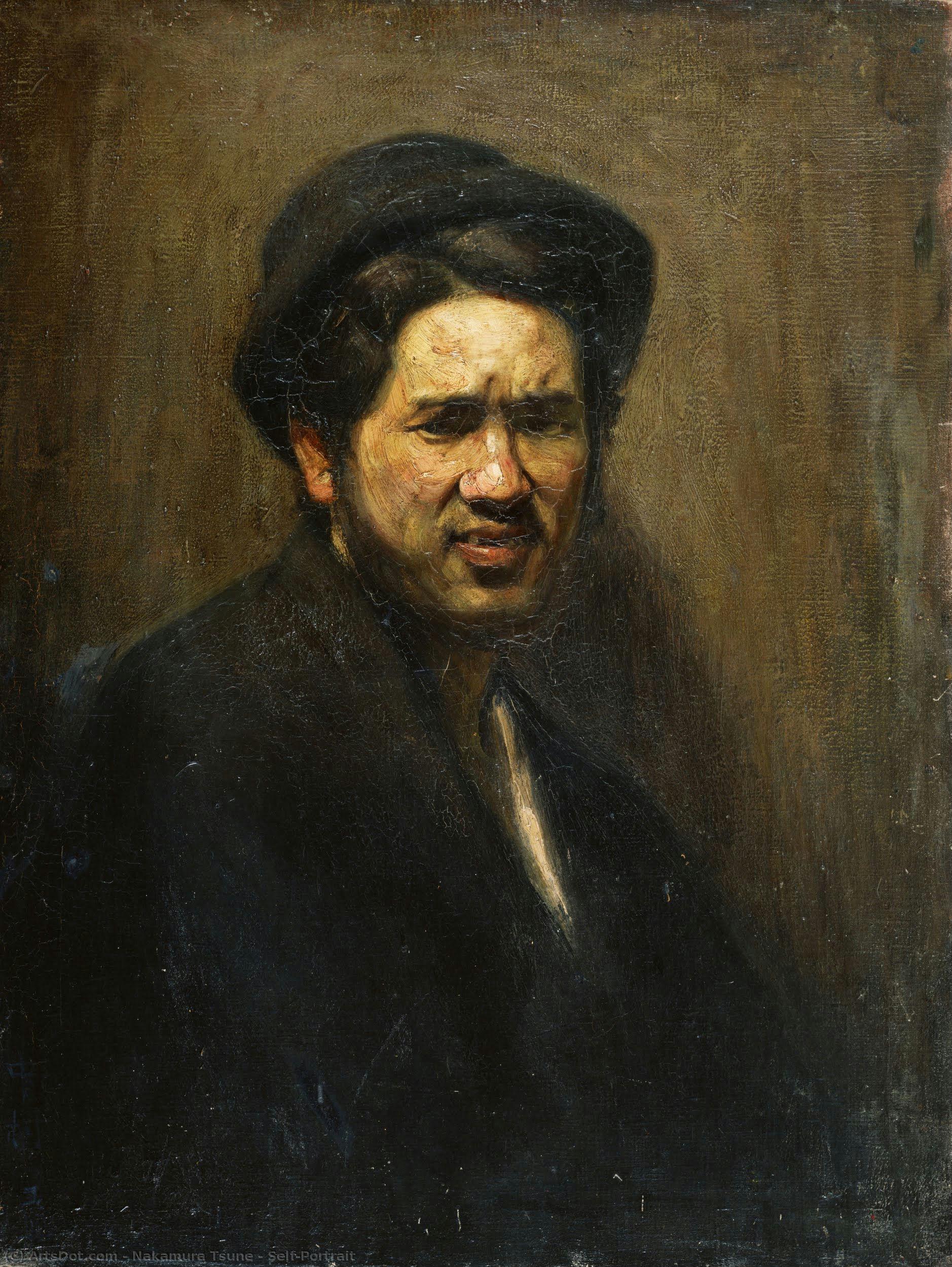
Self-Portrait
 Acrylic On Canvas
- WallArt
 1909
1909 610.0 x 806.0 cm
 Artizon Museum
 Loe lähemalt
Ostke kõrglahutusel ja täiustatud digitaalne pilt, mis on oluliselt parem kui veebilehel näidatud eelvaade.
Iga fail on meie spetsialistide poolt hoolikalt ette valmistatud, kasutades kaasaegseid tööriistu ja professionaalset käsitsi retušeerimist. Tagame, et igal pildil on erakordne selgus, täpne värvitäpsus ja peen detail.
Lõplik fail saadetakse e-posti teel 72 tunni jooksul ning on optimeeritud koheseks kasutamiseks professionaalsetes, toimetuslikes ja trüki keskkondades. See on sama kvaliteet, mida usaldavad tipptasemel disainistuudiod, kirjastused ja galeriid.
Digitaalne pilt
Laadi alla kõrge resolutsiooniga fail isiklikuks vaatamiseks, trükkimiseks ja loomingulisteks projektideks. ( Lülita trükkitoodetele Telli käsitsi maalitud reproduktsioon)
Sisse kuulub iga digitaalse pildi tellimusega
Professionaalne digitaalne kohaletoimetamine, garanteeritud
Valides OriginalUniqueArt.com, ei saa sa lihtsalt pilti – saad professionaalselt parandatud digitaalse teose, mida on valmistatud täpsusega ja mis on toetatud rahuldamatusgarantiiga. Siin on kõik, mis sinu tellimusega automaatselt kaasneb:

Kiire e-posti edastus
Teie kõrge resolutsiooniga digitaalne pildifail saadetakse teile e-posti 72 tunni jooksul pärast tellimist – kohe kasutamiseks valmis.

Tehisintellektiga täiustatud digitaalne fail
Teie teos on professionaalselt optimeeritud arenenud tehisintellekti tööriistade ja käsitsi redigeerimise abil, tagades maksimaalse detailitaseme, selguse ja värvitäpsuse.

Tasuta eluaegne uuesti saatmine
Kas kustutasid faili kogukalu unustamisel või kustutamisel? Puudub mure – saad selle uuesti igal ajal ilma lisatasuta.

Puuduvad importimaksud – alati
Nautige oma teoseid koheselt ilma tolli-, maksude või tarnimaskuludeta – digiletchargused on alati maksuvabadud.

Värvitäpsuse garantii
Me tagame, et teie digitaalne pilt kajastaks originaali värve professionaalsete tööriistade ja värvihalduse abil võimalikult täpselt.

100 päeva rahuldamatuse garantii
Kui te ei ole oma digitaalse pildi eest rahul, siis me parandame seda või tagastame 100% summast 100 päeva jooksul – küsimusteta.

100% raha tagastamise garantii
Ei ole rahul? Saate täielise tagastaja 100 päeva jooksul pärast digitaalse faili kättesaamist – ilma küsimusteta.

Suurema tellimuse soodustused
Osta 3 pilti, säästa 10% - Osta 5, säästa 15% - Osta 10+, säästa 20%. Sobib suurepäraselt loomingulisteks projektideks, galeriideks ja agentuurideks.
A Window into Soul: Examining Nakamura Tsune’s “Self-Portrait”
Nakamura Tsune’s “Self-Portrait,” completed in 1909, stands as a poignant testament to the burgeoning Kanō School aesthetic and a deeply personal exploration of artistic identity. Measuring an impressive 610 x 806 cm on canvas, this monumental work immediately draws the eye with its masterful use of chiaroscuro – dramatic contrasts between light and shadow – reminiscent of Rembrandt’s iconic portraits.
The photograph captures a meticulously rendered depiction of Tsune himself. He is positioned centrally within the frame, bathed in an intense beam of illumination originating from the upper left corner. This deliberate compositional choice isn't merely stylistic; it serves to amplify the figure’s presence and directs the viewer’s gaze directly onto his face, fostering a palpable connection between artist and observer – a hallmark of humanist portraiture prevalent during the early 20th century.
The Kanō School Influence & Artistic Technique
Tsune's style is undeniably rooted in the Kanō School tradition, known for its emphasis on idealized beauty and spiritual contemplation. The artist employs meticulous brushwork—characteristic of Kanō painters—to achieve remarkable textural detail, particularly evident in the folds of his shirt and the subtle nuances of skin tone. Careful layering of pigments creates depth and luminosity, mirroring the influence of Rembrandt’s masterful use of light to convey emotion.
- Brushwork: Precise, layered strokes emulate Kanō School techniques for capturing form and texture.
- Color Palette: Primarily muted tones—browns, ochres, and blacks—reflect the solemn mood and contribute to the overall sense of introspection.
- Composition: Central placement emphasizes the subject’s gaze and reinforces the portrait's communicative power.
Historical Context & Symbolic Resonance
Created during a period of significant artistic experimentation in Japan, “Self-Portrait” reflects the broader cultural anxieties surrounding tuberculosis – Tsune himself suffered from this illness during his formative years. The image transcends mere representation; it embodies a profound engagement with themes of vulnerability and resilience—qualities that resonate powerfully across time.
The stark illumination serves as a visual metaphor for confronting inner darkness, mirroring the artist’s own struggle for self-understanding. Furthermore, Tsune's gaze – unwavering and direct – speaks to an enduring artistic impulse: to capture not just likeness but also spirit—a desire that continues to inspire artists today.
Emotional Impact & Artistic Legacy
"Self-Portrait" transcends its formal qualities to evoke a feeling of quiet contemplation. It invites viewers to consider questions of identity, mortality, and the pursuit of artistic excellence. Like Rembrandt’s portraits before it, Tsune's work remains an enduring symbol of human dignity and artistic introspection—a masterpiece that continues to captivate audiences worldwide.
Küsimused ja vastused
Millises muuseumis on säilitatud originaal "Self-Portrait"?
Originaalteost "Self-Portrait" saab vaadata Artizon Museum, Tokio, Japan-is.
Kas teos „Self-Portrait“, autor Nakamura Tsune on värvitoonilt kerge või tumenev?
Teose „Self-Portrait“, autor Nakamura Tsune eregus on deep_shadow ja luminants on Dark.
Millises suuruses ja mille suunaga on "Self-Portrait" trükkimist soovitatav teha?
Teose "Self-Portrait" puhul on soovitatav trükiรูปแบบ on Large suurusega ja Portrait suunaga.
Kunstniku biograafia
Nakamura Tsune: Life and Legacy
Early Life and Struggles
Nakamura Tsune, a Japanese artist, was born in 1887 in what is now Mito City, Japan. His life began amidst hardship; his father passed away when he was just one year old, followed by the loss of his mother when he was eleven. Despite this tumultuous start, he persevered and pursued his artistic aspirations.
Artistic Aspirations and Training
After graduating from the Nagoya Army Cadet School in 1904, Tsune’s plans for a military career were thwarted by tuberculosis. During his convalescence, he discovered a passion for painting. In 1906, he joined the research institute of the White Horse Society, where he honed his artistic skills and began to develop his unique style.
Notable Works and Exhibitions
Nakamura Tsune’s talent quickly gained recognition. Some of his most celebrated works include:
- Cloudy Morning and Cliffs – Featured in the third Bunten exhibition in 1909, with Cliffs receiving a commendation. This work is now part of the Museum of the Imperial Collections.
- Girl – Awarded a prize at the eighth Bunten exhibition in 1914.
- Other significant works include Dr. Tanakadate and Nude, showcased at the eleventh Bunten exhibition in 1916.
Personal Life and Relationships
In 1913, Sōma Toshiko, daughter of Aizō and Kokkō, became his model. His proposal to her in 1915 faced opposition from her parents, adding another layer of complexity to his personal life. Despite these challenges, he continued to dedicate himself to his art.
Artistic Style and Influences
Nakamura Tsune’s work demonstrates influences from the Kanō School, a traditional Japanese painting style known for its detailed brushwork and classical themes. However, he also incorporated elements of Western artistic techniques, resulting in a unique blend of tradition and modernity. His paintings often feature evocative landscapes and intimate portraits.
Legacy and Passing
Nakamura Tsune’s life was marked by both adversity and artistic achievement. He passed away in 1924 at the age of 37 in his studio in Shimo-ochiai, Shinjuku. His remains were interred at Gion-ji (祇園寺) in Mito the following year. Though his career was cut short, his artistic legacy continues to inspire and captivate art enthusiasts today.
Historical Significance
Tsune’s work provides a glimpse into early 20th-century Japan, reflecting the social changes and artistic experimentation of the era. His ability to blend traditional Japanese aesthetics with Western influences makes him a significant figure in the history of Japanese art.

Nakamura Tsune
1887 - 1924 , Japan
Kiired faktid
- Name: Nakamura Tsune
- Movement: Kanō School
- Birth Date: 1887
- Death Date: 1924
- Birth Place: Mito, Japan
- Nationality: Japanese
- Date Of Birth: 1887
- Date Of Death: 1924
- Notable Works:
- Cloudy Morning and Cliffs
- Girl
- Dr. Tanakadate
- Nude
- Place Of Birth: Mito, Japan