Lülita trükkitoodetele
 Loe lähemalt







































 Kunstiteoste või reproduktsioonide puhul, mille üks külg on üle 105 cm (umbikmolt 41 tolli), saadetakse raam kirjal asendis, la Dismantlitud komplektina. See meetod tagab ohutuse kohaletoimetamisel ja väldib transpordil tekkivaid kahjustusi.


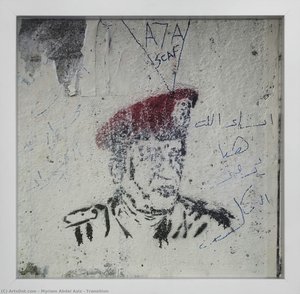
Transition – Myriam Abdel Aziz: A Voice of Resilience Through Photographic Narrative
Myriam Abdel Aziz’s artistic journey began in Cairo, Egypt, in 1976, amidst the fervent energy of the Egyptian Revolution of 2011. This pivotal moment ignited her passion for documentary photography and propelled her into membership with Rawiya Collective—a dedicated group committed to showcasing the narratives of Arab women through powerful visual storytelling. The collective’s ethos profoundly influenced Aziz's artistic vision, fostering a deep appreciation for capturing human experiences authentically and exploring themes like vulnerability, resilience, and subtle societal shifts – elements consistently present in her photographic oeuvre. Early Influences: Abdel Aziz’s fascination with photography stemmed from an admiration for cinematic artistry, particularly Pakistani film posters like “Aandhi Shakar,” which she meticulously recreated as a painting. This initial inspiration instilled in her a stylistic approach characterized by dramatic compositions and stylized map designs—a deliberate choice to convey emotion through visual storytelling. It's this meticulous attention to detail and expressive technique that distinguishes her work from others. “Transition” exemplifies Aziz’s skill in conveying emotion through photographic narrative, mirroring the spirit of her artistic endeavors. The artwork captures a moment frozen in time – a portrait of a man wearing a red hat dominating the central space against a textured wall adorned with layers of graffiti art. This striking juxtaposition speaks volumes about the tensions simmering beneath the surface of Egyptian society during the period following Mubarak’s resignation, when voices clamored for change and representation. Composition: The photograph's composition centers around this commanding figure, symbolizing authority or affiliation within a particular group. Surrounding him are intricate layers of graffiti in Arabic script and other markings—a chaotic yet visually engaging scene that reflects the multifaceted dialogue unfolding across Egyptian society. The textured wall itself serves as an integral element, contributing to the artwork’s gritty aesthetic and emphasizing its immediacy. Color Palette & Lighting: Dominantly monochromatic, the color palette leans heavily on shades of grey, black, and white – a deliberate stylistic choice that amplifies the emotional impact of the image. Subtle tonal variations suggest depth and texture within the graffiti layers, enhancing the overall visual experience. Diffused lighting contributes to the photograph’s flatness, focusing attention on the central subject and reinforcing its solemn mood. Technique & Materials: Aziz employs spray paint and other pigments directly onto the wall surface—a technique emblematic of street art and urban expressionism. The resulting artwork is ephemeral by design, mirroring the transient nature of political protest and highlighting the importance of capturing fleeting moments of social upheaval. Each layer of graffiti represents a deliberate assertion of opinion, creating a powerful visual record of this transformative period.- Size: 40 x 40 cm
- Date: 2011
Korduvad küsimused
Millist atmosfääri toob „Üleminek“, autor Myriam Abdel Aziz sisekujundusse?
Olles meeleoluult Draamatiline, sobib teos "Üleminek" suurepäraselt ruumiks Elutuba.
Kes lõi teose "Üleminek" ja millises stiilis see on?
Teose "Üleminek" on loonud Myriam Abdel Aziz Contemporary Realism stiilis. Kunstnik ja suunamine määratlevad teose traditsiooni.
Kas ma saan teost „Üleminek“, autor Myriam Abdel Aziz enne tellimist eelvaatata?
Teose „Üleminek“, autor Myriam Abdel Aziz eelvaade on saadaval teose Eelvaade lehel.
 Eelvaade
 Saada
Saada Jaga
Jaga
 Teave teose kohta
 Juhend

 Laadi alla
 Sarnased teosed
 Röntgenuuring
 Slaidietendus
 Q&A
Q&A Statistika