
 Eelvaade
 Saada
Saada Jaga
Jaga
 Teave teose kohta

 Laadi alla
 Sarnased teosed
 Röntgenuuring
 Slaidietendus
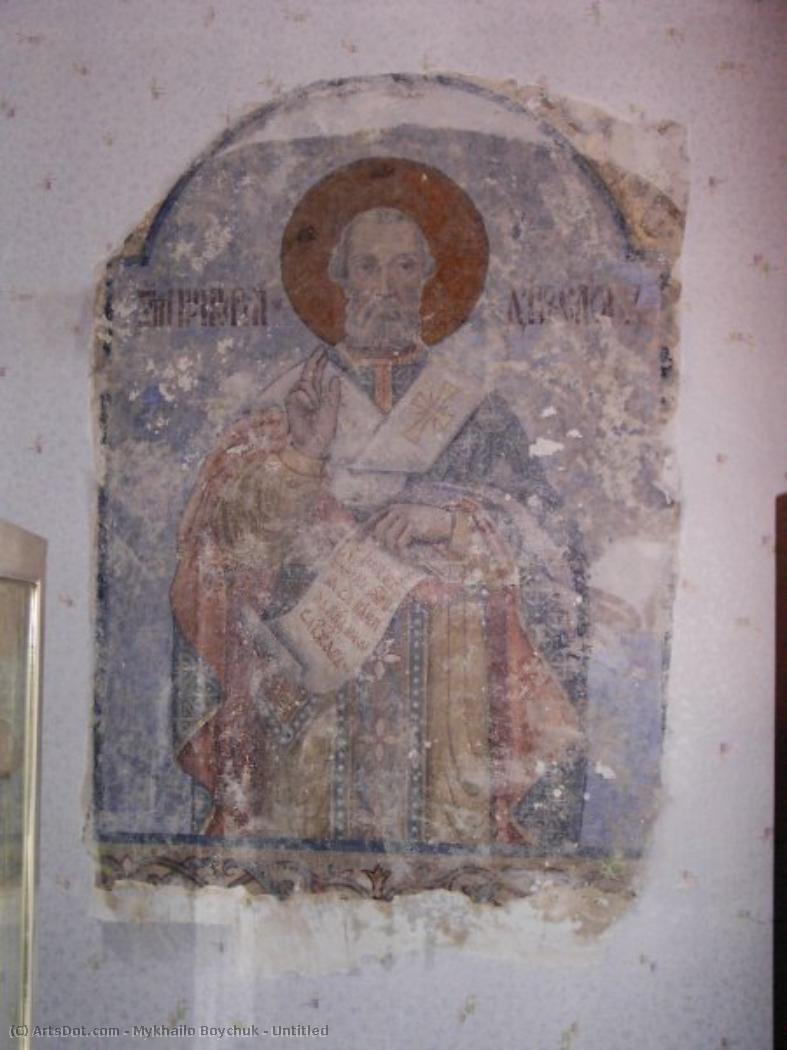
Untitled


 Loe lähemalt
Käsitsi valmistatud õlimaalireproduktsioon
Meie kunstnike poolt tellimusel valmistatud käsitsi maalitud õli-kainaste teos teie soovitud suuruses ja raamis. ( Lülita trükile Vaata pilti)




































Vali meie eelmääratud suurused, mis vastavad teose algupärastele proportsioonidele.

Sa võite sisestada oma mõõtmed konkreetse raami või ruumi sobivuse tagamiseks. Kui teie valitud suurus ei vasta originaalpildi proportsioonidele, siis kärvime kunstiteost või laiendame maali täiendavate käsitsi maalitud elementidega. Enne tootmise algust saadetakse teile heakskiitmiseks digitaalne eelvaade.
Palun pidage meeles, et ekraanil kuvatav eelvaade ei kajasta tegelikku kärpimist või laiendamist. Ainult eelvaade näitab täpselt lõplikku kompositsiooni.
Kuigi on saadaval kohandatud suurused, soovitame originaalproportsioonide säilimiseks valida mõõdud eelmääratletud nimekirjast.
Pärast tellimust saadab OriginalUniqueArt.com meeskond kliendile e-posti juhised ning esitab eelvaate kavandi.
Maailmline tarne 3–4 nädala jooksul tavalise 5 nädala asemel. (5 august). Kvaliteedis kompromisse ei tehta.

Tasuta ekspresssaatmine üle maailma

Kõrgekvaliteediline linakangas

Täielik transpordikindlustus

Tollimaksude tagastamise garantii

Värvitoime täpsuse garantii

60-päevane tagastusõig: ainult tootmisdefektide korral

100% raha tagasi garantii

Hulgusoodustus
 Klaasivalik on saadaval ainult suuruses kuni 110 cm

Untitled
Reproduktsiooni tehnika
Reproduktsiooni suurus
-


Kogusumma
$ 300
Kunstniku elulugu
Mykhailo Boychuk: The Byzantine Soul of Ukrainian Monumental Art
Mykhailo Lvovych Boychuk (1882 – 1937) stands as a singular figure in Ukrainian art history—a painter who wrestled with the monumental spirit of Byzantium and fused it with the revolutionary fervor of Soviet Ukraine. Born Romanivka, now Ternopil Oblast, he emerged from humble beginnings to become one of the most influential artists of his generation, shaping the visual landscape of his nation during a turbulent period. His legacy continues to inspire admiration for its uncompromising vision and enduring artistic power.Early Life & Artistic Formation
Boychuk’s formative years were steeped in Ukrainian peasant culture, yet he possessed an innate inclination towards art from a young age. Studying under Yulian Pankevych in Lviv instilled in him the foundational principles of Western European painting—particularly Impressionism—before he ventured to Kraków Academy of Fine Arts where he honed his skills and graduated in 1905. Further explorations into Viennese and Munich artistic traditions broadened his horizons, exposing him to diverse stylistic approaches that would ultimately inform his distinctive oeuvre. The Salon des Indépendants in Paris in 1910 marked a pivotal moment, showcasing Boychuk’s groundbreaking frescoes alongside those of fellow artists Félix Vallotton, Paul Sérusier, and Maurice Denis—a collective known as the Boychukists—who championed a revival of Byzantine art as a catalyst for national renewal.The Boychukist Style & Byzantine Influence
Boychuk's artistic philosophy centered on a deliberate return to the grandeur and spiritual depth of Byzantine iconography. He argued that this tradition represented the purest expression of Ukrainian identity, rejecting Western academic conventions in favor of monumental synthesis—a technique characterized by flattened planes, bold color palettes, and stylized figures imbued with symbolic resonance. This approach wasn’t merely stylistic; it was a deeply considered response to the intellectual currents of his time, reflecting anxieties about national decline amidst the pressures of European modernity. The Boychukist group actively sought to reinterpret biblical narratives through this Byzantine lens, producing works that conveyed profound emotional intensity and unwavering faith.Monumental Commissions & Artistic Achievements
Boychuk’s artistic reputation soared during the 1920s as he undertook ambitious commissions for Soviet Ukraine—primarily fresco cycles adorning churches and civic buildings across Kyiv and Kharkiv. His monumental paintings tackled themes of heroism, sacrifice, and revolutionary idealism, embodying the aspirations of a nation striving to forge its own path amidst the upheavals of the Russian Revolution. Among his most celebrated achievements are the frescoes in St. Volodymyr Cathedral in Kyiv—a breathtaking testament to Byzantine artistic principles executed with unparalleled skill and conviction—and the monumental mural depicting “The Triumph of Lenin” in Kharkiv’s Kharkiv Philharmonic Hall, a striking example of Soviet propaganda art infused with Boychuk's distinctive stylistic vision.Tragic Fate & Enduring Legacy
Despite his considerable success as an artist and educator, Boychuk’s life was tragically cut short during the Great Purge of 1937—a period of political repression orchestrated by Joseph Stalin. Along with his wife, Sofia Nalepinska—also a talented painter—he was executed without trial, silencing one of Ukraine's most luminous artistic voices. However, Boychuk’s influence endured through his students—including Tymofiy Boychuk and Ivan Padalka—who continued to champion his stylistic principles and contribute to Ukrainian art. Today, Mykhailo Boychuk remains revered as a visionary artist who dared to reimagine national identity through the timeless language of Byzantine art—a testament to the enduring power of artistic conviction and the tragic loss of a brilliant creative mind. His works continue to inspire awe and contemplation, cementing his place as one of Ukraine’s foremost cultural icons.
Mykhailo Boychuk
1882 - 1937 , Ukraine
Lühikesed faktid
- Artistic Movement Or Style: Monumentalism; Byzantine-inspired frescoes & mosaics
- Artists Or Movements Influenced By This Artist: ['Boychukism']
- Artists Who Influenced This Artist:
- Yulian Pankevych
- Félix Vallotton
- Paul Sérusier
- Maurice Denis
- Date Of Birth: Romanivka, Ukraine (1882)
- Date Of Death: Kyiv (1937)
- Full Name: Mykhailo Lvovych Boychuk
- Nationality: Ukrainian
- Notable Artworks:
- Harvest
- Untitled
- Prophet Elijah
- Place Of Birth: Romanivka, Austria-Hungary

