
 Eelvaade
 Saada
Saada Jaga
Jaga
 Teave teose kohta
 Juhend

 Laadi alla
 Sarnased teosed
 Röntgenuuring
 Slaidietendus
 Q&A
Q&A Statistika
Mood

- 40.0 x 27.0 cm


 Loe lähemalt
Sellel lehel kuvatav kunstiteos on kaitstud autoriõigusega, mis tähendab, et meil ei ole seaduslikku õigust luua või müüa identset reproduktsiooni. Seda kaitset rakendatakse rahvusvaheliste kokkulepete alusel, nagu näiteks Berne konventsioon ning riiklike seadustega, sealhulgas nendega, mida on sätestatud USA autoriõiguse seadus – 17. peatükk.
See meetod järgib täielikult autoriõiguse reegleid, kuna see ei põhine kaitstud kunstiteose kopeerimisel või dupliteerimisel. Selle asemel on tegu loova reinterpreetatsiooniga – uue maaldisega, mis on algteosest inspireeritud, kuid ei ole sellest identiline.
Giclée / Kunstiprint
Muuseumikvaliteediga giclée- või kangasprint kiire tootmisega ja paindlikud viimistlusvõimalused. ( Osta käsitsi maalatud teos Lülita digitaalse pildi juurde)




P118B €10

P118H €10

P118W €10

P438Z €10

P508JH €12

P508YH €12

P805H €10

P805Z €10

P919BZ €10

P919G €10

P919XJ €10

P959ZH €10

P968JZ €12

W106C €8

W218G €10

W218JH €8

W218Y €10

W307PJ €10

W316G €10

W316PJ €8

W316Y €10

W398PJ €8

W4111J €10

W500HY €15

W500JH €15

W692G €12

W849H €8

W940BG €15

W953PJ €8




Vali meie eelmääratud suurused, mis vastavad teose algupärastele proportsioonidele.

Sisestage vajalik laius ja kõrgus, et see sobiks teie raamile või seinale. Trükki saab ainult lõigata, seda ei saa kunagi pildist suuremaks teha, seega ka erineva mustega suurus kaotab osa pildist. Enne trükkimist saadame teile kinnitamiseks digitaalse näidisprojektsiooni. Sellel lehel näidatud pilt ei kujuta reaalset lõiget — seda näitab ainult näidisprojektsioon.
Ülemaailmne tarne () 2 nädala jooksul, tavalise 4/5 nädala asemel. (1 november)

Tasuta ekspresssaatmine üle maailma

Kõrgekvaliteediline lina-kangas

Täielik transpordikindlustus

Tollimaksude tagastamise garantii

Värvitoime täpsuse garantii

100 päeva tagastusõigus (ainult valmistusdefektide korral)

100% raha tagasi garantii

Hulgusoodustus
 Klaasivalik on saadaval ainult kuni 110 cm suuruses teostes

Mood
Giclée / Kunstiprint
Reproduktsiooni suurus
-


Koguhind
€ 71
A Pastoral Symphony: The Soul of Rural Life in 'Mood'
In the quiet corners of art history, few works capture the rhythmic heartbeat of the countryside as tenderly as Miloš Alexander Bazovský’s Mood. This evocative painting serves as a window into a bygone era, inviting the viewer to step into a landscape where time seems to slow to the pace of grazing livestock and drifting clouds. The composition centers on a weathered barn, its doorway acting as a silent portal to the mysteries of farm life. Surrounding this architectural anchor, a collection of cows and a solitary horse are scattered across the terrain, their presence lending a sense of profound peace and continuity to the scene. Above, the delicate silhouettes of birds in flight break the stillness of the sky, adding a layer of dynamic grace to an otherwise tranquil tableau.
The technique employed by Bazovský reflects his deep-seated connection to the Slovak landscape, utilizing a style that balances representational clarity with an atmospheric, almost poetic, softness. Through careful brushwork, the artist achieves a remarkable sense of depth; the animals in the foreground possess a tactile presence, while those receding toward the horizon melt into the hazy warmth of the rural afternoon. This mastery of light and shadow does more than just define shapes—it creates a palpable atmosphere, or as the title suggests, a specific mood that resonates with the nostalgia of pastoral existence. For the discerning collector or interior designer, this piece offers a sophisticated way to introduce organic warmth and a sense of historical groundedness into a modern living space.
The Legacy of a Slovak Master
To understand the emotional weight of Mood, one must look toward the life of its creator. Miloš Alexander Bazovský was not merely an observer of nature; he was a voice for the very essence of Slovak heritage. Growing up in Turán nad Váhom, his artistic identity was forged in the fertile soil of tradition and the rhythms of the land. His work often transcends simple landscape painting to become a form of cultural preservation, capturing the dignity of folk life and the enduring beauty of the regional landscape. In this particular piece, we see the culmination of that lifelong devotion—a painting that does not just depict animals and structures, but celebrates the symbiotic relationship between humanity, fauna, and the earth.
For those seeking to adorn their homes with art that tells a story, a reproduction of Mood provides more than just visual decoration. It brings into a room a sense of serenity and a connection to the timeless cycles of nature. Whether placed in a sunlit study or as a focal point in a contemporary gallery-style living room, the painting acts as an emotional anchor, offering a moment of reflection and a quiet escape from the frenetic pace of modern life. It is a testament to Bazovský’s ability to find the extraordinary within the ordinary, turning a simple farmyard scene into a lasting masterpiece of emotive storytelling.
Korduvad küsimused
Kuidas kunstiliikumine ja ajastu kohtuvad teoses „Mood“, autor Miloš Alexander Bazovský?
Teos „Mood“, autor Miloš Alexander Bazovský kuulub Contemporary Realism suunasse ning on loodud autori Modernism ajastul.
Kas teose "Mood" värvid on tugevad või pehmed?
Teose „Mood“, autor Miloš Alexander Bazovský värvid on Vivid intensiivsusega.
Kust saan osta teose „Mood“, autor Miloš Alexander Bazovský käsitsi maalatud reproduktsiooni?
Teose „Mood“, autor Miloš Alexander Bazovský käsitsi maalatud koopiaid müüakse saidil see veebileht: käsitsi maalatud õlireproduktsioon linaelapale, neid saab tellida selle lehelt Käsitsi maalatud reproduktsioon.
Kunstniku elulugu
Miloš Alexander Bazovský: Slovaki maapiirkonna hääl
Miloš Alexander Bazovský (1899–1968) seisab 20. sajandi Slovakia kunstis kui hiigiline kujundaja, maaliartist, kelle vaim on sügavalt juurdunud tema kodumaa traditsioonidesse ja maastikutesse. Sagades oma ajastu ühe enimmatest silmapaistvatest häältest, ületab Bazovský looming enam kui peldaalt esitlust; ta suutsis tabada Slovakia maaelu olemuse võrratu tundlikkuse ja sugestiivse jõuga. Sündinud 1lama 11. jaanuaril 1899 Slovakias, Turán nad Váhom, hariduse ja kultuuriga seotud peresse, kujunes Bazovský kunstiline teekond läbi tema intimituse maaparandusega ja selle rahust. Tema pärand elab mitte ainult tema lummavate maalide kaudu, vaid ka kui elutähtis side Slovakia kultuuripärandiga.Varajane elu ja kunstiline kujundamine
Bazovský varajane elu instлlitsis temasse sügava austuse looduse vastu ja maaelu rütmide vastu. Ta alustas oma kunstilist haridus之路 Peštis, pöhendades hiljem oma oskusi Pragus – linnas, mis oli selle perioodi ajal tuntud kui Euroopa kunsti ja intellektuaalse arutelu karge keskpunkt. See kokkupuude erinevate kunstisuunteni – ekspressionismist kuni kubismini – mõjutas ilma kahtluseta tema arenevale stiilile, kuigi ta lõpuks kujundas unikaalse tee, mis oli kindlalt juurdunud Slovakia identiteedisse. Oluliselt oli transformatiivset rolli mängitud ka Bazovský reisidel üle kogu Slovakia. Ta sülmis endesse külaelanute elu, jälgides hoolikalt nende kombeid, ametite harutusi ja igapäevaseid rutiine. Need kogemused said tema kunstilise visiooni vundamendiks, suunates tema teemade valimist ja kujustades maaelu eripärasil viisil.Erinev kunstiline stiil: Rahvakultuur ja regionaalne omadust
Bazovský kunstiline stiil on kohe tuvastatav oma sügavalt juurdunud regionaalsuse poolest. Ta vältis suuri narratiive või idealiseeritud maastikke, eelistades Selle asemel Slovakia talupoalaste, põllumeeste ja käsitööliste igapäevaelu portreerimist. Tema maalid on täidetud tegelastega, kes on hõivatud tuttavade tegevustega – karjakarja hooldus, töö põlludel, toidu valmistamine, pidustused – esitatud märkimisväärse realismi ja empaatiaga. Tema värvipalett on tavaliselt mullane – oker, pruun, roheline ja sinine – peegeldades Slovakia maapiirkonna värve. Tema stiili võtmeelement on *impasto* kasutamine, rakendades paksult värvi, et luua tekstureeritud pindu, mis tunduvad elus pulsivad. See tehnika lisab tema töödele puudutustest saadava kvaliteedi, kutsumates vaatajat tundma peagi mulda karke tekstuur või ahi soojust. Bazovskävi kompositsioonid on sageli lihtsad ja puhtad, rõhutades tema teemade väärikust ja vastupidavust.Olulised teosed ja tunnustus
Pafalt kuulsud teosed Bazovský loendis on „Maja“ (1949–1953), lummav kujutis väikesest rannakülast, mis on kaetud kuldse valgusega; „Pesukadud“ (1935), mis tabab naiste vaikset väärikust jõe ääres tehes oma igapäevast tööd; ning „Stilleben kandelaberiga ja rohelise kannuga“, lihtne kompositsioon, mis paljastab tema täpsuse detailide suhtes ja võime anda tavalistele esemetele sümbolilist tähendust. Tema maalid ei ole lihtsalt stseenide kujutused, vaid aknad konkreetsetesse kultuurilistesse kontekstidesse, pakkudes vaadet Slovakia maapiirkondade väärtustele, usule ja traditsioonidele. Tema töö leidis olulist tunnust tema elupaiga jooksul, sealhulgas sooloexpositsioonid Bratislavai Slovaki Riiklikus Kunstimuuseumis (1960 ja 1999) ning retrospektiivsed näitusid Martinis Turieci galeriis ja Trnavas Jan Koniareki galeriis. Ta osales ka rahvusvaatelistel biennaalidel, nagu IV Bienal Do Museu De Arte Moderna De São Paulo (1ud 1957) ja 33. Veneetsia biennaal (1966).Pärand ja ajalooline tähendus
Miloš Alexander Bazovský panus Slovaki kunstile on sügav. Ta teenis kui kriitiline side traditsioonilise rahvakultuuri ja modernse kunstilise avalduse vahel, säilitades ja t celebrating oma riigi rikkalikku pärandi. Tema töö pakub puudutav peegeldust identiteedi, kogukonna ja inimeste ning nende maa vahelise igavene sideme teemadel. Tema maalid on nüüd säilitatud prominentsetes kogumikes üle Slovaki, sealhulamt Slovaki Riiklikus Kunstimuuseumis, M. A. Bazovský galeriis Trenčínis ja Jan Koniareki galeriis Trnavas. Tema pärand jätkub inspireerimas nii kunstnikke kui ka teadlasi, tagades, et tema hääl – maapiirkonna Slovaki hääl – kõlab ka järgnevates põlvedes. Lisauuringuid on võimalik leida allast OriginalUniqueArt.com ja Wikipedia.
Miloš Alexander Bazovský
1899 - 1968 , Slovakkia
Lühikest infot
- Artistic Movement Or Style: Rahvaelu maalid, Realism
- Artists Or Movements Influenced By This Artist: ['']
- Artists Who Influenced This Artist: ['']
- Date Of Birth: 11. jaanuar 1899
- Date Of Death: 15. detsember 1968
- Full Name: Miloš Alexander Bazovský
- Nationality: Slovak
- Notable Artworks:
- Maja
- Demänová küla
- Stilleben küünlakuga
- Place Of Birth: Turany nad Váhom, Slovakia
Sarnased artiklid

Romantilise Maastikukunsti 10 Meisterteost: Kunstiteosed Koduks OriginalUniqueArt.com'ist
Avastage 10 romantilise maastikukunsti meistriteost! Tutvuge Caspar David Friedrichi, J.M.W. Turneri ja teiste suurte kunstnike loominguga OriginalUniqueArt.com-is. Leidke täiuslik õlimaal või reproduktsioon koduks – inspireeriv kollektsioon ootab!
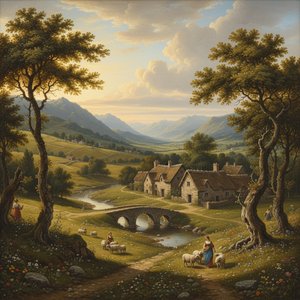
Evoking Arcadia: A Historical & Aesthetic Exploration of Rural Landscape Art
Explore the rich history of pastoral landscape art, from classical Arcadia to Impressionism & beyond. Discover key artists, movements, and how to collect serene rural scenes for your home. Expert insights at OriginalUniqueArt.

Cultivating Visions: A Historical Journey Through Rural Landscapes in Art
Explore the rich history of rural landscape painting with OriginalUniqueArt. Discover Impressionist masterpieces, key artists & movements. Find your perfect serene artwork and bring nature's beauty home.

John Constable: 25 Suurimat Teost Inglise Maastikumaali Tippu
Avastage John Constable'i 25 suurimat teost! Sukeldu inglise maastikumaali romantismisse, imetlege Dedham Vale ilu ja leia inspiratsiooni kodukaunistuseks. Kvaliteetsed kunstireprodutsioonid OriginalUniqueArt.com-is. Vaata kohe!

Evocations of Place: A Historical Journey Through Landscape Art
Explore the rich history of landscape art with OriginalUniqueArt. Discover renowned artists, movements like Impressionism & Romanticism, and expert guidance for collecting timeless pieces. Find your perfect serene escape today!