
 Eelvaade
 Saada
Saada Jaga
Jaga
 Teave teose kohta
 Juhend

 Laadi alla
 Sarnased teosed
 Röntgenuuring
 Slaidietendus
 KÜSIMUSED JA VASTUSID
 Statistika
Torn Out in the Spring. Triptych part 2


 Loe lähemalt
Sellel lehel kuvatav kunstiteos on kaitstud autoriõigusega, mis tähendab, et meil ei ole seaduslikku õigust luua või müüa identset reproduktsiooni. Seda kaitset rakendatakse rahvusvaheliste kokkulepete alusel, nagu näiteks Berne konventsioon ning riiklike seadustega, sealhulgas nendega, mida on sätestatud USA autoriõiguse seadus – 17. peatükk.
See meetod järgib täielikult autoriõiguse reegleid, kuna see ei põhine kaitstud kunstiteose kopeerimisel või dupliteerimisel. Selle asemel on tegu loova reinterpreetatsiooniga – uue maaldisega, mis on algteosest inspireeritud, kuid ei ole sellest identiline.
Giclée / Kunstiprint
Muuseumikvaliteediga giclée- või kangasprint kiire tootmisega ja paindlikud viimistlusvõimalused. ( Osta käsitsi maalatud teos Lülita digitaalse pildi juurde)




P118B €10

P118H €10

P118W €10

P438Z €10

P508JH €12

P508YH €12

P805H €10

P805Z €10

P919BZ €10

P919G €10

P919XJ €10

P959ZH €10

P968JZ €12

W106C €8

W218G €10

W218JH €8

W218Y €10

W307PJ €10

W316G €10

W316PJ €8

W316Y €10

W398PJ €8

W4111J €10

W500HY €15

W500JH €15

W692G €12

W849H €8

W940BG €15

W953PJ €8




Vali meie eelmääratud suurused, mis vastavad teose algupärastele proportsioonidele.

Sisestage vajalik laius ja kõrgus, et see sobiks teie raamile või seinale. Trükki saab ainult lõigata, seda ei saa kunagi pildist suuremaks teha, seega ka erineva mustega suurus kaotab osa pildist. Enne trükkimist saadame teile kinnitamiseks digitaalse näidisprojektsiooni. Sellel lehel näidatud pilt ei kujuta reaalset lõiget — seda näitab ainult näidisprojektsioon.
Ülemaailmne tarne () 2 nädala jooksul, tavalise 4/5 nädala asemel. (11 november)

Tasuta ekspresssaatmine üle maailma

Kõrgekvaliteediline lina-kangas

Täielik transpordikindlustus

Tollimaksude tagastamise garantii

Värvitoime täpsuse garantii

100 päeva tagastusõigus (ainult valmistusdefektide korral)

100% raha tagasi garantii

Hulgusoodustus
 Klaasivalik on saadaval ainult kuni 110 cm suuruses teostes

Torn Out in the Spring. Triptych part 2
Giclée / Kunstiprint
Reproduktsiooni suurus
-


Koguhind
€ 73
A Fragmented Spring – Unveiling Mikhail Ardashnikov’s “Torn Out in the Spring”
Mikhail Ardashnikov's "Torn Out in the Spring," part of a larger triptych, is not merely a cityscape; it’s an immersive journey into the layered narratives of memory, myth, and the enduring pulse of Russian cultural heritage. Created in 2019, this work immediately draws the eye with its vibrant palette and dynamic composition, yet it's the subtle complexities beneath the surface that truly captivate. Ardashnikov, a St. Petersburg-based artist deeply rooted in historical research and a fascination with archetypal symbols, has crafted a scene brimming with both recognizable urban life and potent, almost dreamlike imagery.
The painting depicts a bustling city street, rendered with a confident, slightly abstracted style reminiscent of early 20th-century Russian realist painters. Buildings rise in the background, their forms echoing architectural traditions while simultaneously possessing an otherworldly quality. A prominent clock tower dominates the scene, its hands frozen at a specific moment – perhaps signifying a suspended time, a captured memory. Scattered throughout are details that hint at a deeper symbolic resonance: birds soaring above, dogs patrolling the streets, and figures engaged in everyday activities. These elements aren’t simply decorative; they contribute to a complex tapestry of meaning.
The Language of Symbolism – Myth and Memory
Ardashnikov's work is profoundly influenced by Russian folklore and historical narratives. The triptych as a whole, and “Torn Out in the Spring” specifically, can be interpreted through the lens of the *Skazka* tradition—Russian fairy tales that often blend reality with magic and symbolism. The presence of birds, frequently associated with freedom and spiritual insight in Russian art, suggests a yearning for transcendence within the confines of urban life. Similarly, the dogs, traditionally guardians and symbols of loyalty, might represent the enduring connection to ancestral roots amidst the rapid changes of modernity.
The title itself, “Torn Out in the Spring,” evokes a sense of disruption and revelation. Spring is a time of rebirth and renewal, but "torn out" implies something lost or fragmented—a memory unearthed, a truth exposed. This duality reflects Ardashnikov’s broader exploration of how personal experience intersects with collective history. The painting feels like a visual excavation, as if the artist is carefully piecing together fragments of the past to reveal a hidden narrative.
Technique and Material – A Layered Approach
Ardashnikov employs a mixed technique, combining elements of oil paint with other materials on paper. This layering creates a rich textural surface, inviting close inspection. The brushstrokes are visible, lending a sense of immediacy and spontaneity to the work while simultaneously contributing to its overall depth. The use of color is particularly striking – bold blues and greens contrast with warmer earth tones, creating a dynamic visual tension. It’s clear that Ardashnikov isn't simply replicating reality; he’s actively shaping it through his artistic choices.
Emotional Resonance – A Window into the Soul
"Torn Out in the Spring" is more than just a depiction of a city street; it’s an invitation to contemplate the nature of time, memory, and identity. The painting possesses a quiet intensity, drawing the viewer into its world with a subtle yet powerful emotional pull. There's a sense of melancholy interwoven with hope, suggesting that even in the midst of urban chaos, there remains a connection to something deeper—to our past, our heritage, and our own inner landscapes. Reproductions of this piece offer a remarkable opportunity to bring this evocative atmosphere into any space, serving as both a conversation starter and a source of contemplative beauty.
Korduvad küsimused
Kuidas teose "Torn Out in the Spring. Triptych part 2" stiil seotub selle looja ajaga?
Teos "Torn Out in the Spring. Triptych part 2" kuulub Contemporary Symbolism suunale ning selle looja tegutses Kaasaegne ajastul.
Kes on teose "Torn Out in the Spring. Triptych part 2" autor ja millises stiilis see on kujutatud?
Teose "Torn Out in the Spring. Triptych part 2" taga on kunstnik Mikhail Ardashnikov ja Contemporary Symbolism suundumus.
Mis vanuses loos Mikhail Ardashnikov teose "Torn Out in the Spring. Triptych part 2"?
Mikhail Ardashnikov loobus teose "Torn Out in the Spring. Triptych part 2" 56 aasta vanuses. Kunstnik on sündinud aastal 1963 ning teos on dateeritud 2019.
Sarnased artiklid
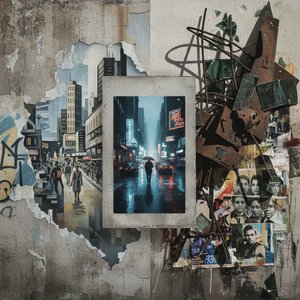
Concrete Visions: Exploring Representations of Urban Life in Modern & Contemporary Art
Explore the evolution of cityscape painting from Realism to contemporary art. Discover key artists & invest in timeless urban visions with OriginalUniqueArt's expert guidance and museum-quality reproductions.

Francis Baconi 25 meistriteost: Emotsioonid ja kunstiline sügavus teie interjööris
Avastage Francis Baconi 25 võimsamat teost! Sukelduge ekspressionismi, figuurikunsti ja šoki maailma. Luksuslikud reproduktsioonid & interjööridisaini inspiratsioon OriginalUniqueArt.com-is. Vaadake kollektsiooni!
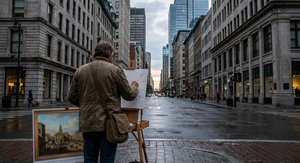
Urban Visions: A Historical & Artistic Exploration of the Cityscape in Painting
Explore the evolution of cityscape painting from historical maps to Impressionist masterpieces. Discover artists like Caillebotte & Utrillo. Find museum-quality reproductions at OriginalUniqueArt.

Concrete Visions: Exploring the Urban Landscape in Painting – From Realism to Contemporary Art
Explore the evolution of cityscape painting from Realism to contemporary art with OriginalUniqueArt. Discover key artists & invest in timeless urban visions. Expert guidance, museum-quality reproductions.
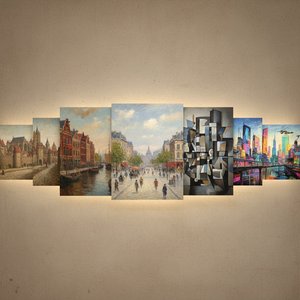
Urban Visions: A Historical & Artistic Exploration of the Cityscape in Painting
Explore the evolution of cityscape painting from historical maps to Impressionist masterpieces. Discover artists like Caillebotte, Utrillo & Matsumoto Shunsuke. Find museum-quality reproductions at OriginalUniqueArt.