Early Netherlandish Painting · 1485
Vanity (Hans Memling, 1485)
Hans Memling (1435–1494) on loonud teose Vanity. See on pärinev 1485 aastast. See kuulub Early Netherlandish Painting suuntrime. Teos on valmistatud materjalist Oil. Teos asub Musée des Beaux-Arts de Strasbourg kogamuses Strasbourg, Prantsusmaa. Mõõdud on 22 × 14 cm.
- 1485
- Oil
- 22 × 14 cm
- Musée des Beaux-Arts de Strasbourg

 Eelvaade

 Käsitsi maalatud õlimaalatsioon
 Saada
 Jaga
 Teave teose kohta


 Laadi alla
 Sarnased teosed
 Röntgenuuring
 Slaidietendus
 KÜSIMUSED JA VASTUSID

 Statistika
Vanity lühidalt
- Pealkiri
- Vanity
- Kunstnik
- Hans Memling (1435–1494)
- Kunstnik on sündinud
- Seligenstadt, Saksamaa
- Kuupäev
- 1485
- Tehnika
- Oil
- Mõõtmed
- 22 × 14 cm
- Kus seda näeb
- Musée des Beaux-Arts de Strasbourg, Strasbourg, Prantsusmaa
- Aeglkond
- Renaissance
- Teema
- vanity, mirror, reflection, symbolism, mortality, salvation
Mida Vanity kujutab?
Hans Memling’s “Vanity”: A Mirror to Mortality
In the realm of Early Netherlandish painting, few works possess the haunting beauty and profound contemplation of Hans Memling's "Vanity," a small yet remarkably powerful oil on wood panel housed within the Musée des Beaux-Arts in Strasbourg. Measuring just 22 x 14 cm, this intimate piece transcends its modest size to deliver a complex meditation on human nature, mortality, and the elusive pursuit of earthly pleasure. It’s part of a larger triptych, “Earthly Vanity and Divine Salvation,” a visual narrative that invites viewers to confront their own desires and aspirations alongside the promise of spiritual redemption.
At first glance, "Vanity" presents a deceptively simple scene: a young woman stands before a mirror, her reflection gazing back at her with an expression of serene contemplation. She is adorned with a delicate necklace – a potent symbol of material wealth and worldly possessions – yet her gaze remains fixed on the image presented to her. However, the painting’s true depth lies in its carefully orchestrated symbolism. A dog sits attentively on the left, while two cats occupy the right side, adding layers of interpretation to the composition. Crucially, a bird is positioned near the center, often interpreted as representing the soul, poised between the allure of earthly pleasures and the potential for spiritual ascension.
The historical context surrounding “Vanity” is fascinatingly debated among art historians. Initially attributed to Hans Memling himself, the painting was later reassigned to Simon Marmion in 1890 by Wilhelm von Bode. A thorough examination conducted in 1994 definitively confirmed Memling’s authorship, solidifying its place as a cornerstone of his artistic legacy. This attribution is particularly significant because it highlights the meticulous detail and emotional resonance characteristic of Memling's work – qualities that distinguish him from many of his contemporaries. The painting exemplifies his mastery of oil painting techniques, particularly in the remarkably realistic rendering of the woman’s reflection within the mirror, a feat achieved through careful layering and blending of colors.
The Language of Symbols
“Vanity” is not merely a portrait; it's a carefully constructed allegory. The mirror itself serves as a central metaphor – a potent symbol of self-reflection, but also of the transience of earthly beauty. Memling masterfully uses light and shadow to emphasize this duality, creating an atmosphere that is both alluring and melancholic. The woman’s long, flowing hair contributes to her elegant appearance, yet it also hints at the fleeting nature of youth and beauty. The presence of the dog and cats further enriches the symbolism, suggesting a contemplation on loyalty, instinct, and perhaps even the duality of human nature – the animal within us.
The necklace, a clear representation of material wealth, stands in stark contrast to the spiritual themes explored through the bird and the overall composition. Memling’s deliberate arrangement of these elements creates a visually engaging image that compels viewers to consider the relative importance of earthly possessions versus spiritual values. The painting isn't simply about vanity; it’s an invitation to examine one’s own motivations and desires, prompting a deeper understanding of the human condition.
A Testament to Early Netherlandish Art
“Vanity” stands as a remarkable example of the artistic innovations that defined Early Netherlandish painting. Memling's work embodies the period’s emphasis on realism, meticulous detail, and symbolic depth – qualities that set it apart from its Italian counterparts. The use of oil paints allowed for unprecedented levels of subtlety and nuance in color and texture, contributing to the painting’s luminous quality and lifelike appearance. It is a testament to Memling's ability to convey complex moral themes through visually striking compositions.
Bringing “Vanity” Home
At OriginalUniqueArt, we are dedicated to preserving the artistic legacy of masters like Hans Memling. Our skilled artisans meticulously recreate "Vanity" in exquisite detail, ensuring that every nuance and subtlety of the original is faithfully reproduced. Whether you’re an art enthusiast, a collector seeking a unique addition to your collection, or simply someone drawn to the beauty and contemplation of this timeless masterpiece, our hand-painted reproductions offer an unparalleled opportunity to own a piece of history. Explore the full reproduction here.
Furthermore, you can delve deeper into the world of “Earthly Vanity and Divine Salvation” through this comprehensive article: Wikipedia Article. And for a closer look at Memling’s life and work, visit the Hans Memling: Vanity page on OriginalUniqueArt.
Kumba muuseumis asub teos Vanity?
Musée des Beaux-Arts de Strasbourg
Strasbourg, Prantsusmaa
Palatslik teekond läbi Alsaci kunstiajalu Strasbourgi Beleaukunstimuuseum on palju enema kui pelgalt kangaste ja kivi hoiutuspaik; see on Alsaci hinge elav kehastus, sügav väärtustekindvus sajandite pikkuse kultuurilise vahetuse ja loovuse evolutsiooni vastu. Ihtuslikus Palais Rohanis, mille karistas 18. sajandil kardinal Rohan Bourboni suuruses sümbolina, kutsub muuseum külastajaid vastu võtmale unustamatule uuringule Euroopa maalidustuse ajaloos.


Vanity kõrge resolutsiooniga pildid

Protected by copyright: these files are for personal reference, not a licence to republish.
Hans Memling, Vanity (1485), Musée des Beaux-Arts de Strasbourg.
Küsimused teemal Vanity – vastused
Kust saan näha originaalteost „Vanity“, autor Hans Memling?
Originaalteost "Vanity" saab vaadata Musée des Beaux-Arts de Strasbourg, Strasbourg, Prantsusmaa-is.
Mis aastal loodi teos „Vanity“, autor Hans Memling?
Teose „Vanity“, autor Hans Memling loomimisaastaks on märgitud 1485.
Millises materjalis on teos „Vanity“, autor Hans Memling valmistatud?
Teos "Vanity" on valmistatud tehnika Oil.
Mis on originaalteose „Vanity“, autor Hans Memling mõõdud?
Teose "Vanity" originaalmõõdud on 22 x 14 cm. Algdimensioonid on kasulik viide reproduktsiooni suuruse valimisel.
Millised teemad teoses „Vanity“, autor Hans Memling esile tõelve?
Teose "Vanity" teemad on vanity, mirror, reflection, symbolism, mortality, salvation, dog, cats.
Kas teose „Vanity“, autor Hans Memling pilt on vabalt reproduseeritav?
Teos „Vanity“, autor Hans Memling on lubaõiguslikult on endiselt autoriõiguse all under kaitse. See staatus reguleerib teose pildi reprodüseerimise võimalusi.
Millisele kunstnikule on teos "Vanity" atribuutseeritud?
Teose "Vanity" autoriks on mõeldud Hans Memling.
Millissele kunstisuunale kuulub teos „Vanity“, autor Hans Memling?
Teos „Vanity“, autor Hans Memling kuulub Early Netherlandish Painting suunasse. See suund annab teosele stilistilise konteksti.
Kuhu Hans Memling loomingulisse perioodi kuulub teos "Vanity"?
Teos "Vanity" kuulub Hans Memling loomingulise karjääri perioodi Mature Period. See klassifikatsioon seostab teose kunstniku loovliku arenguga.
Kunstnikust, Hans Memling

1435–1494, Saksamaa
Hans Memling
Varajane elu, pere ja õpingud Hans Memlingi lugu algab Maine piirkonnas, kus ta sündis umbes aastal 1430. Tema esimesed eluaastad möödusid Seligenstadtis, lähedal Frankfurtile – kohas, mis jääks hiljem kaugele flamlantsest maastikust, mida ta hakkas oma koduks pidama. Enne kui ta jõudis oma jasaid pärliks teha Põhja-Euroopa suuretes linnades, peadis ta õppima oma käsitöö salajaid. Ta otsis esmordialist õpetust Mainzi või Kölni töötoadest, kus aastatepikkuse kannatliku töö ja tähelepaneliku vaatluse läbi laid his tehnilise meisterlikkuse alus.
Ka Hans Memling teosed
 Viimne Hõrk Triptsoon1471
 Piinamõtted: Kristuse kannatuste stseenid (vasak pool)1470
 Mary elu maastikud1480
 Passion (Greverade) Altarpiece (central panel)1491
Essee teemadel Vanity
 25 Masterpieces by Rogier van der Weyden: The Pinnacle of Emotional ArtImmerse yourself in the profound emotion of Rogier van der Weyden’s greatest works. From Northern Renaissance mastery to exquisite textures…
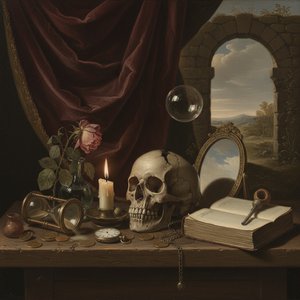 The Memento Mori Aesthetic: Decoding the Profound Symbolism of Vanitas ArtExplore the profound symbolism of Vanitas art. From Dutch Golden Age masterpieces to the haunting beauty of Memento Mori, uncover how class…
 10 Iconic Early Netherlandish Masterpieces That Changed Art HistoryJourney through the Northern Renaissance with our guide to 10 Early Netherlandish masterpieces. From Jan van Eyck to Rogier van der Weyden,…