
 Eelvaade
 Saada
Saada Jaga
Jaga
 Teave teose kohta

 Laadi alla
 Sarnased teosed
 Röntgenuuring
 Slaidietendus
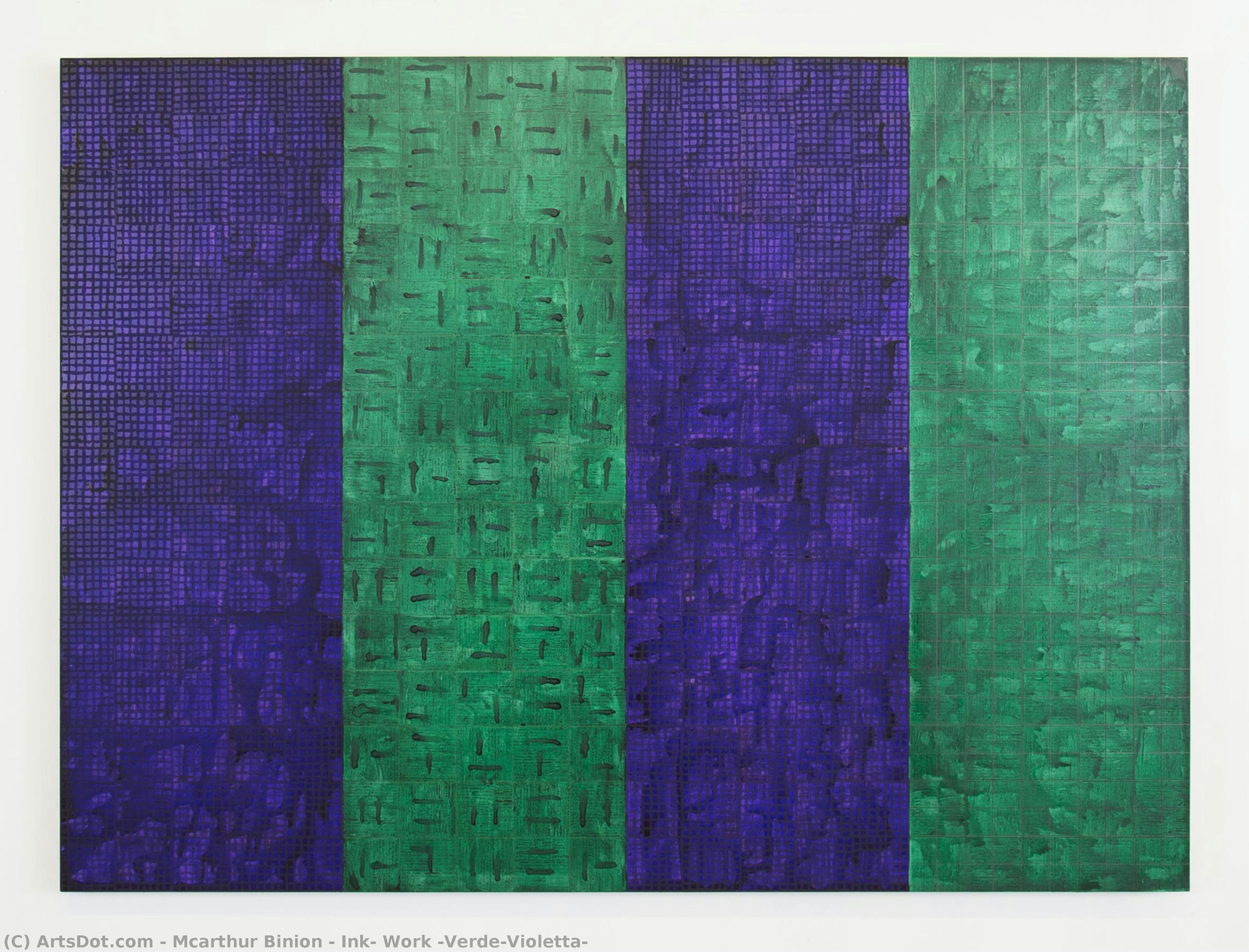
Ink: Work (Verde/Violetta)
 Ink
Ink- WallArt
- Abstract Expressionism
 2018
2018- Contemporary
 152.0 x 203.0 cm
 THAT'S CONTEMPORARY
 Loe lähemalt
Giclée / Kunstiprint
Muuseumikvaliteediga giclée- või kangasprint kiire tootmisega ja paindlikud viimistlusvõimalused. ( Osta käsitsi maalitud maal Osta pilt)




































Vali meie eelmääratud suurused, mis vastavad teose algupärastele proportsioonidele.

Saate sisestada oma mõõdud, et need sobiks konkreetse raami või ruumi sisse. Kui valitud suurus ei vasta originaalteose proportsioonidele, lõigame teose ära või laiendame pilti peegeldatud või ühtlase servaga. Enne tootmisprotsessi algust saadetakse Teie kinnitamiseks digitaalne näidis.
Palun märka, et ekraanil kuvatav eelvaade ei kajasta tegelikku lõigamist või laiendamist. Ainult näidis kujutab täpselt lõplikku kompositsiooni.
Kuigi erimõõdu on saadaval, soovitame originaaproportsioonide säilitamiseks valida mõõt ette määratud nimekirjast.
Ülemaailmne tarne () 2 nädala jooksul, tavalise 4/5 nädala asemel. (15 august)

Tasuta ekspresssaatmine üle maailma

Kõrgekvaliteediline linakangas

Täielik transpordikindlustus

Tollimaksude tagastamise garantii

Värvitoime täpsuse garantii

60-päevane tagastusõig: ainult tootmisdefektide korral

100% raha tagasi garantii

Hulgusoodustus
 Klaasivalik on saadaval ainult suuruses kuni 110 cm

Ink: Work (Verde/Violetta)
Giclée / Kunstiprint
Reproduktsiooni suurus
-


Kogusumma
$ 80
Kogumuse kirjeldus
A Symphony of Color and Geometry
In the captivating realm of contemporary abstraction, Ink: Work (Verde/Violetta) emerges as a mesmerizing exploration of color theory and structural rhythm. Created in 2018 by the esteemed American artist Mcarthur Binion, this piece serves as a vibrant window into a meticulously organized universe. The composition is a masterful dance of contrasting hues, where deep violets and lush greens collide with unexpected splashes of blue and sun-drenched yellow. Rather than presenting a singular focal point, the artwork invites the eye to wander through a complex mosaic of panels and small, rhythmic squares that create an illusion of infinite depth. Each section of the canvas acts as a distinct chamber of light and shadow, pulling the viewer into a meditative state of discovery.
The technique employed in this work speaks to Binion’s profound academic lineage, rooted in his training at the prestigious Cranbrook Academy of Art. There is a palpable sense of texture that transcends the flat surface of the canvas; the way the colors interact suggests a layered, almost architectural approach to painting. The artist utilizes the medium of ink and pigment to build a grid-like structure that feels both organic and calculated. This interplay between the rigid geometry of the squares and the fluid, bleeding edges of the color fields creates a tension that is central to the piece's allure. It is an exercise in controlled chaos, where every stroke contributes to a larger, harmonious equilibrium.
The Language of Abstract Expressionism
To understand Ink: Work (Verde/Violetta), one must look toward the legacy of Abstract Expressionism, a movement that Binion breathes new life into through his unique lens of identity and inner landscapes. While the post-war masters often focused on raw, gestural emotion, Binion refines this energy into a more structured, contemplative form. The symbolism within the work is not found in recognizable figures, but in the psychological weight of the palette itself. The deep purples evoke a sense of mystery and introspection, while the verdant greens provide a grounding, naturalistic counterpoint. This duality reflects the artist's ongoing exploration of the tension between the internal self and the external world.
For the discerning collector or interior designer, this artwork offers more than mere decoration; it provides an emotional anchor for a space. The scale of 152 x 203 cm allows the piece to command a room, acting as a sophisticated centerpiece that can transform a minimalist gallery setting or add a layer of intellectual depth to a luxurious residential lounge. Because the work balances vibrant energy with a structured, rhythmic composition, it possesses a rare versatility—it is both stimulating to the senses and soothing to the mind. Owning a high-quality reproduction of such a piece means bringing a fragment of Binion’s profound journey through color and form into one's own environment, fostering an atmosphere of continuous inspiration.
Kunstniku elulugu
The Soul in the Surface: The Abstract Journey of Mcarthur Binion
In the quiet, textured depths of contemporary American abstraction, the work of Mcarthur Binion emerges as a profound meditation on the unseen. Born in 1946 in Macon, Mississippi, Binion’s artistic lineage is rooted in the rich, soulful traditions of the American South, yet his visual language speaks a universal dialect of emotion and form. His formal education provided the rigorous scaffolding necessary for his later explorations; after earning his bachelor’s degree from Wayne State University in Detroit in 1971, he moved to the prestigious Cranbrook Academy of Art in Bloomfield Hills, Michigan, to complete his master's degree. This academic journey through the heart of the American industrial and artistic landscape allowed him to synthesize a technical mastery of medium with a deep, philosophical inquiry into the nature of perception.
Binion’s practice is far from a mere exercise in decoration; it is an intentional descent into the psychological. Eschewing the literalism of representational art, he embraces the tenets of Abstract Expressionism to map the contours of the human spirit. His preferred medium—ink on canvas—allows for a unique interplay of transparency and density. Through meticulous mixed-media techniques, Bin ar creates surfaces that possess a physical weight, where layers of pigment and texture invite the viewer to linger. In works such as Ink: Work (Verde/Violetta), one encounters vibrant, clashing hues of green and purple that do not simply sit upon the canvas but seem to pulse with an internal life, capturing what the artist describes as deep emotional landscapes.
Memory, Identity, and the Grid
A defining characteristic of Binion’s oeuvre is his ability to transform abstract geometry into deeply personal narratives. He is perhaps most renowned for his "family portraits," a series that challenges the very definition of portraiture. Rather than rendering recognizable features, Binion utilizes textured grids and deliberate voids to evoke the essence of familial connection and the fragmented nature of memory. These pieces function as emotional blueprints, where the space between lines represents the unspoken bonds and the silences that define our closest relationships. This approach finds a parallel in his "interior landscapes," where color palettes are chosen not for their descriptive accuracy, but for their ability to evoke specific moods and atmospheric pressures of the inner self.
The structural integrity of his work often draws from the minimalist traditions of Josef Albers and Barnett Newman. By adopting a reductive aesthetic, Binion strips away the superfluous to focus on the fundamental elements of color, line, and space. This is strikingly evident in pieces like Ink: Work (Blanco/Cobalto), where the use of white space and structured grids creates a sense of profound stillness. In these moments, the artist achieves a delicate balance between the tension of the composition and the serenity of the void, proving that abstraction can be as much about what is withheld as what is presented.
Legacy and Contemporary Resonance
As a figure within the landscape of contemporary American art, Mcarthur Binion occupies a space where history meets introspection. His significance lies in his ability to bridge the gap between the monumental scale of mid-century Color Field Painting and the intimate, often fragmented experience of modern identity. His work serves as a reminder that abstraction is not an escape from reality, but a deeper immersion into it. Through his mastery of texture and his fearless use of color, Binion continues to push the boundaries of how we perceive the intersection of personal history and universal emotion, leaving behind a body of work that remains as vital and evocative as the landscapes of the mind themselves.

mcarthur binion
1946 - , United States of America
Lühikesed faktid
- Artistic Movement Or Style: Abstract
- Date Of Birth: 1946
- Full Name: mcarthur binion
- Nationality: American
- Notable Artworks:
- Ink: Work (Blanco/Cobalto)
- DNA:Splops:II
- Ink: Work (Verde/Violetta)
- Place Of Birth: Macon, United States
Seotud artiklid
Verdant Visions: Exploring the Symbolism & Aesthetic Impact of Green in Art History
Explore the rich history & symbolism of green in art! Discover iconic paintings, techniques, and how to bring verdant harmony into your home with OriginalUniqueArt's expert guide.

Kandinsky's Masterpieces: 25 Paintings That Define Abstract Art | OriginalUniqueArt
Journey through Wassily Kandinsky's 25 most iconic abstract paintings. Explore his revolutionary use of color, form & spiritual expressionism. Find museum-quality Kandinsky reproductions and elevate your home decor with OriginalUniqueArt.com. Discover all masterpieces on OriginalUniqueArt.com!

Abstract Ekspressionismi 10 Meisterteost: Kunsti ja Sisustamise Klassikat
Sukeldu abstraktse ekspressionismi maailma! Avasta 10 legendaarset kunstiteost – Pollock, Rothko jt. – ja nende loo. Leia inspiratsiooni interjööriks ning kaunista kodu OriginalUniqueArt.com kvaliteetsete reproduktsioonidega. Uuri kollektsiooni!

Geomeetrilise Abstraktsiooni 10 Meisterteost: Kunst ja Kodukaunistus OriginalUniqueArt.com-is
Avastage geomeetrilise abstraktsiooni 10 suurteost – Kandinsky, Mondrian ja teised. Lugege kunstiteoste lugusid ning leidke inspiratsiooni kodukaunistuseks OriginalUniqueArt.com-is! Kunstikollektsioon ja reprodutsioonid.
Dark Olive Green Masterpieces: 10 Iconic Paintings & Decor Ideas
Explore 10 iconic paintings where dark olive green reigns supreme! From Van Gogh to Rembrandt, discover art history's most captivating masterpieces & the stories behind them. Find museum-quality reproductions and curated decor ideas at .

