
 Eelvaade
 Saada
Saada Jaga
Jaga
 Teave teose kohta
 Juhend

 Laadi alla
 Sarnased teosed
 Röntgenuuring
 Slaidietendus
 KÜSIMUSED JA VASTUSID
 Statistika
Grape Harvest at Neukastel


 Loe lähemalt
Giclée / Kunstiprint
Muuseumikvaliteediga giclée- või kangasprint kiire tootmisega ja paindlikud viimistlusvõimalused. ( Osta käsitsi maalatud teos Lülita digitaalse pildi juurde)




P118B €10

P118H €10

P118W €10

P438Z €10

P508JH €12

P508YH €12

P805H €10

P805Z €10

P919BZ €10

P919G €10

P919XJ €10

P959ZH €10

P968JZ €12

W106C €8

W218G €10

W218JH €8

W218Y €10

W307PJ €10

W316G €10

W316PJ €8

W316Y €10

W398PJ €8

W4111J €10

W500HY €15

W500JH €15

W692G €12

W849H €8

W940BG €15

W953PJ €8




Vali meie eelmääratud suurused, mis vastavad teose algupärastele proportsioonidele.

Sisestage vajalik laius ja kõrgus, et see sobiks teie raamile või seinale. Trükki saab ainult lõigata, seda ei saa kunagi pildist suuremaks teha, seega ka erineva mustega suurus kaotab osa pildist. Enne trükkimist saadame teile kinnitamiseks digitaalse näidisprojektsiooni. Sellel lehel näidatud pilt ei kujuta reaalset lõiget — seda näitab ainult näidisprojektsioon.
Ülemaailmne tarne () 2 nädala jooksul, tavalise 4/5 nädala asemel. (4 november)

Tasuta ekspresssaatmine üle maailma

Kõrgekvaliteediline lina-kangas

Täielik transpordikindlustus

Tollimaksude tagastamise garantii

Värvitoime täpsuse garantii

100 päeva tagastusõigus (ainult valmistusdefektide korral)

100% raha tagasi garantii

Hulgusoodustus
 Klaasivalik on saadaval ainult kuni 110 cm suuruses teostes

Grape Harvest at Neukastel
Giclée / Kunstiprint
Reproduktsiooni suurus
-


Koguhind
€ 72
A Glimpse of Rural Life: Max Slevogt’s “Grape Harvest at Neukastel”
Max Slevogt's "Grape Harvest at Neukastel," painted in 1916, isn’t merely a depiction of agricultural labor; it’s a vibrant distillation of the German Impressionist spirit – a fleeting moment captured with an almost feverish intensity of light and color. Nestled within the walls of the Museum Folkwang in Essen, Germany, this oil on canvas transports us to a specific place and time: the rolling hills of Bavaria during a summer harvest. The painting immediately draws the eye with its bold palette – deep greens, ochre yellows, and cerulean blues coalesce into a landscape brimming with life and energy. Slevogt masterfully employs broken brushstrokes, characteristic of Impressionism, to create an illusion of movement and light, as if we too are swept along by the activity unfolding before us.
The scene itself is deceptively simple: a group of figures, numbering perhaps twelve or thirteen, work diligently in the vineyards. They aren’t idealized portraits; rather, Slevogt presents them with an honest immediacy, their faces etched with the effort of the day's labor. Notice how he captures the interplay of light and shadow on their clothing, reflecting the sun’s warmth and creating a sense of depth within the composition. The inclusion of horses – essential to the harvest process – adds another layer of rustic charm and reinforces the painting’s connection to rural life. The distant mountains, rendered in hazy blues and purples, provide a dramatic backdrop, anchoring the scene within its geographical context.
The Influence of Paris: A Shift Towards Plein Air
Slevogt's artistic journey was profoundly shaped by his time spent in Paris during the late 1880s. Initially trained in the more traditional style of Munich Academy, where darker tones and academic subjects were favored, he found himself captivated by the Impressionist movement’s emphasis on capturing fleeting moments of light and color *en plein air* – directly from nature. This pivotal experience led to a dramatic stylistic transformation. As documented in his biography, Slevogt abandoned the muted palettes of his early work for brighter, more vibrant hues, mirroring the techniques he observed among artists like Manet.
The “Grape Harvest” exemplifies this shift perfectly. The painting’s luminosity and sense of immediacy are a direct result of Slevogt's commitment to *plein air* painting. He wasn’t interested in creating a meticulously detailed representation; instead, he sought to capture the essence of the scene – its atmosphere, light, and emotional impact – with rapid brushstrokes and a focus on color relationships. This approach aligns him firmly within the broader Impressionist movement, which prioritized capturing subjective experience over objective reality.
Symbolism and the Rhythm of Labor
Beyond its visual appeal, “Grape Harvest at Neukastel” carries subtle symbolic weight. The act of harvesting grapes is a deeply rooted tradition in Bavaria, representing not just sustenance but also community, hard work, and connection to the land. Slevogt’s depiction suggests a harmonious collaboration between people and nature – a celebration of rural life and its rhythms. The figures working together, their movements seemingly synchronized with the sun's trajectory, evoke a sense of shared purpose and collective effort.
Furthermore, the painting can be interpreted as a reflection on the passage of time. The harvest season marks the end of summer and the beginning of autumn, symbolizing transition and renewal. Slevogt’s skillful use of light and shadow further emphasizes this theme, creating an atmosphere that is both vibrant and melancholic – a poignant reminder of the ephemeral beauty of nature.
A Legacy in Reproduction: Bringing “Neukastel” Home
Today, reproductions of "Grape Harvest at Neukastel" are readily available through platforms like OriginalUniqueArt.com, offering art enthusiasts the opportunity to bring a piece of this captivating artwork into their own homes. The meticulous detail and vibrant colors of these hand-painted reproductions faithfully capture the essence of Slevogt’s original masterpiece. Whether adorning a living room wall or gracing an entryway, this painting serves as a timeless reminder of the beauty of rural life and the enduring legacy of German Impressionism.
Korduvad küsimused
Kas on "Grape Harvest at Neukastel" kuulus German Impressionism suunaga teos?
Teos "Grape Harvest at Neukastel" on kataloogis German Impressionism suunaga teoste seas registreeritud kui Recognized.
Kust saab teose „Grape Harvest at Neukastel“, autor Max Slevogt täna vaadata?
Originaalteost "Grape Harvest at Neukastel" saab vaadata Museum Folkwang, Essen, Saksamaa-is.
Milleks on teose „Grape Harvest at Neukastel“, autor Max Slevogt reproduktsiooni soovitatud kasutada?
Prindi "Grape Harvest at Neukastel" soovituslik kasutus on Statement.
Kunstniku elulugu
Max Slevogti valgusrikas pärand
Max Slevogt seisab saksa impressionistliku maali kunstis kui vundamentaalne tegelane, olles tuntud oma meistralike maastikukujutuste ja võime poolest tabada looduse lennukat ilu suurepärase tundlikkusega. 1868. aastal Bavarias asuvas Landshutis sündinud kunstnik alustas teekonda, mis viis teda tumedadest toonitud akadémilistest joonistustest kuni vibrantsete linate kuni, mis on täis valgust ja värvi—stiilne muutmine, mis oli sümboliks laiemale liikumisele, mis kujundas sajandite vahetusel Euroopa kunsti. Tema varajased aastad veeti oskuste terastamiseks Müncheni akadeemias, kus ta alguses uuris tumemaid palette ja tehnikuid, mis olid mõjutatud tollalist akadémilist stiilist.
Kuid murdelis kohtumine Pariisis aastal 1889 süütele plaan air maali armastuse ning tutvustas teda revolutsionaarsete ideadega, mida edaldasid kunstnikud nagu Édouard Manet. See kohtumine Prantsuse avantgardiga tõi tema pintoonidesse uue elu, õhutades teda omaksindama plein air ehk õues maali tehnikat ning otsima maastikul toimuvat valgusla cosa lennukat tantsu. Tema töö hakkas pulsama atmosfäärisest elujõust, liikudes eemale rangetest stuudiokompositsioonidest suunates ennast spontaansemale ja sensorsemale suhtlemisele terealusega.
Valgus ja maastik meistralikult
Kuigi Slevogti viljakas looming hõlbas erinevaid žanre, sealhulgas illustratsiooni, portreendamist ja žanriteenid, domineerisid tema suurepärases teoses consistently maastikud. Ta saavutas erilist kuulsust Bavaria alpiregioonide, eriti Neukasteli, emotsionaalsete kujutuste poolest, mis sai tema elukaasajaks ja püsivaks inspiratsiooniallikuks. Tema linate on tuntud oma võime poolest tabada valgusest ja varjust peeneid nüansse, näidates hoolikat tähelepanu tekstuurile ja värvile, mis eristab teda paljudest tema kaaslaskunstnikest.
Kunstniku tehniline areng on märgatud mitme võtmeomadusega:
- Dynaamiline pintoon: Üleminek kontrollitud akadémilistest tõmbetest fluidsemale ja energilisemale värvikandmisele.
- Kroomiline sära: Ühäles kasvav sõltuvus vibrantsele paletile, et edastada päikesevalguse soojust ja hämarduse kargust.
- Atmosfääriline sügavus: Pehmete servade ja valguse difusiooni kasutamine, et taaselda niiskuse, udu ja õhu tunnet stseenis.
Lisaks oma maastikude rahustavale ilule omastas Slevogt märkimisväärset võimet tabada inimloo raskust. Tema hilisemad teosed peegeldavad sügavamat ja tumedamat suhtumist maailmaga, sealhulgas emotsionaalselt võimsat Egiptuse kujutamist ning Esimeste maailmasõdude õuduste esitamist. See võime liikuda idüllilisest kuni sügavani demonstreerib emotsionaalset laiusust, mis määrab tema suuruse.
Kultuuriline mõju ja ajalooline tähendus
Lisaks oma isikliketele kunstilistele saavutustele kinnistas Slevogti osalemine kultuurilinstitutsioonides tema positsiooni Weemari Saksamaa intellektuaalses maastikus. Kui ta oli Berliini secessiooni ja Prüssia Kunstiakadeemia prominentne liige, oli ta selle ajastu kõige olulisemate esteetiliste debattide südamel. Ta omakasutas avantgardset vaimu, säilitades samal ajal kindlust oma traditsioonilistele kunstipõhimõtetele, mis võimaldas tal sild ehitada klassikalise koolituse ja modernse innovatsiooni vahel.
Tema mitmekülgsus ulatus isegi esinduskunstini; märkimisväärselt kujutas ta lavakujundusi Mozartile Don Giovanni, näidates oma võimet tõlkida maalist visiooni teatriruumi. Ka läbi ajakirjade nagu Simplicissimus ja läbi oma püsiva mõju saksa impressionismile, jättis Max Slevogt kunstilukule temmatest kordumatut jälge. Ta on püsti jäänud tähistatud kuju, kelle töö jätkub resoneerimas igaühega, keda liigutab valgus, värv ja looduse igavene vaim.

Max Slevogt
1868 - 1932 , Saksamaa
Lühikest infot
- Artistic Movement Or Style: Impressionism
- Artists Or Movements Influenced By This Artist: ['Berliini Secession']
- Artists Who Influenced This Artist: ['Edouard Manet']
- Date Of Birth: 1868
- Date Of Death: 1932
- Full Name: Max Slevogt
- Nationality: Saksa
- Notable Artworks:
- Viinamarusõtkus Neukastelis
- Kuunvalgus Neukastelis - Vaade Madenburgile kuuvalguses
- Maalstukupildid Godramsteinis - Pilved mööduvad
- Place Of Birth: Landshut, Saksamaa
Sarnased artiklid

Oil on Canvas: A Historical & Technical Exploration of a Timeless Artistic Medium
Explore the rich history & enduring techniques of oil painting on canvas. Discover the science behind its longevity, conservation practices, and contemporary relevance. Expert insights for art enthusiasts.
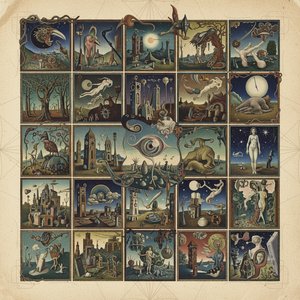
Max Ernsti 25 parimat teost: Surrealismi meistriteosed teie interjööri
Avastage Max Ernsti 25 parimat teost! Sukelduge surrealismi ja dadaismi maailma, tutvuge kunstniku lugude ja tehnikatega. Leidke täiuslik maali oma interjööri OriginalUniqueArt.com-ist – kvaliteetsed kunstireprodutsioonid ja kollektsioonid.

The Enduring Power of Painting: A Historical & Contemporary Exploration of Form and Emotion
Explore the rich history & enduring techniques of oil painting with OriginalUniqueArt. Discover masterpieces, learn about art collecting, and find authentic handmade reproductions crafted by skilled artists.

The Enduring Legacy of Oil on Canvas: Technique, History & Aesthetic Impact
Explore the rich history & techniques of oil painting – from Renaissance masters to Impressionism. Discover pigments, layering methods, and why this timeless medium endures. Expert insights for artists & art enthusiasts.

The Soul of Impressionism: Why Oil on Canvas Captures Eternal Light and Timeless Emotion
Discover the enchanting alchemy of Impressionism. Explore how the mastery of oil on canvas, through glazing and impasto, captures eternal light and emotion. Perfect for lovers of Monet and Van Gogh seeking the profound depth of hand-painted fine art.