Lülita trükkitoodetele
 Loe lähemalt







































 Kunstiteoste või reproduktsioonide puhul, mille üks külg on üle 105 cm (umbikmolt 41 tolli), saadetakse raam kirjal asendis, la Dismantlitud komplektina. See meetod tagab ohutuse kohaletoimetamisel ja väldib transpordil tekkivaid kahjustusi.


A Dreamscape Rendered in Stone and Shadow
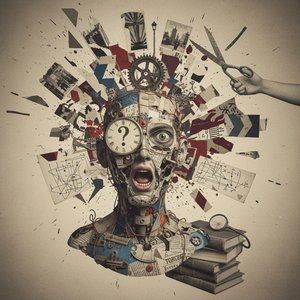
Max Ernst’s “untitled (2301)” stands as a cornerstone of Surrealist art, embodying the movement's fascination with subconscious imagery and challenging conventional perceptions of reality. Created around 1921, this enigmatic collage—a testament to Ernst’s innovative approach—captures the spirit of Dada and Surrealism’s rebellious quest for artistic expression beyond rational constraints.
Style and Technique: Collage as Chance Encounter
Ernst pioneered collage, elevating it from mere assemblage to a deliberate exploration of juxtaposition. He meticulously crafted this artwork by combining photographic reproductions with pencil sketches mounted on paperboard—a technique he termed “the chance encounter of two distant realities.” This method reflects Ernst’s belief that art should transcend logic and tap into the realm of dreams and irrational associations, mirroring the core tenets of Surrealism.
Historical Context: Dada's Legacy
Emerging from the disillusionment following World War I, Dada rejected artistic conventions and embraced absurdity as a form of protest. Ernst’s involvement with the Cologne Dada group solidified his commitment to challenging societal norms and disrupting established aesthetic hierarchies. “untitled (2301)” embodies this spirit, reflecting Dada's rejection of reason and embracing spontaneity—a deliberate defiance against the perceived orderliness of bourgeois culture.
Symbolism: Organic Forms and Mechanical Hybridity
The artwork’s visual language is rife with symbolic references. Ernst employs earthy tones and muted colors to create an atmosphere of mystery, punctuated by splashes of red and blue that inject tension into the composition. Dominating the scene are sculptures and statues—some rendered in stone or other materials—representing a blend of organic forms and mechanical elements. The central figure embodies this duality, symbolizing humanity’s relationship with technology and nature.
Emotional Impact: A Journey Into the Unconscious
"untitled (2301)" compels viewers to confront unsettling juxtapositions and ambiguous imagery—inviting contemplation on themes of anxiety, transformation, and the subconscious mind. Ernst's masterful manipulation of texture and color contributes to the artwork’s emotional resonance, transporting the audience into a dreamlike space where logic yields to intuition. It serves as an enduring reminder that art can provoke profound introspection and illuminate hidden dimensions of human experience.
For exquisite reproductions of “untitled (2301)” and other masterpieces by Max Ernst, explore OriginalUniqueArt.com. Discover more about Ernst’s artistic journey on Artists Database and delve into his influence on Yves Tanguy & Urs Fischer at Artists Database. Learn more about Max Ernst’s life and work on Artist Database or visit his Wikipedia page.
Korduvad küsimused
Kas saan tellida teose "untitled (2301)" õli-reproduktsiooni?
Teos "untitled (2301)" on saadaval kujundisena käsitsi maalatud õlireproduktsioon linaelapale. Tellimust saab esitada selle Käsitsi maalatud reproduktsioon lehel, kus on võimalik valida erinevad suurused.
Millise riigi kunstilihubast pärineb Surrealist Art teos "untitled (2301)"?
Teos "untitled (2301)" ühendab oma looja sünneloolise piirkonna ja Saksamaa läbi Surrealist Art suunaga.
Milline on teose "untitled (2301)" atmosfäär?
Teose „untitled (2301)“, autor Max Ernst meeleolu on kirjeldatud kui Mystical. See klassifikatsioon võib aidata leida teosele sobiva sisekujunduse.
 Eelvaade
 Saada
Saada Jaga
Jaga
 Teave teose kohta
 Juhend

 Laadi alla
 Sarnased teosed
 Röntgenuuring
 Slaidietendus
 KÜSIMUSED JA VASTUSID
 Statistika