Menüü
Text size

() ·

A painting made for you, by hand

Trois cyprès faciles

Käsitsi valmistatud õlimaalireproduktsioon

Meie kunstnike poolt tellimusel valmistatud käsitsi maalitud õli-kainaste teos teie soovitud suuruses ja raamis. ( Lülita trükkitoodetele Lülita digitaalse pildi juurde)

Kogumisobjekti kirjeldus

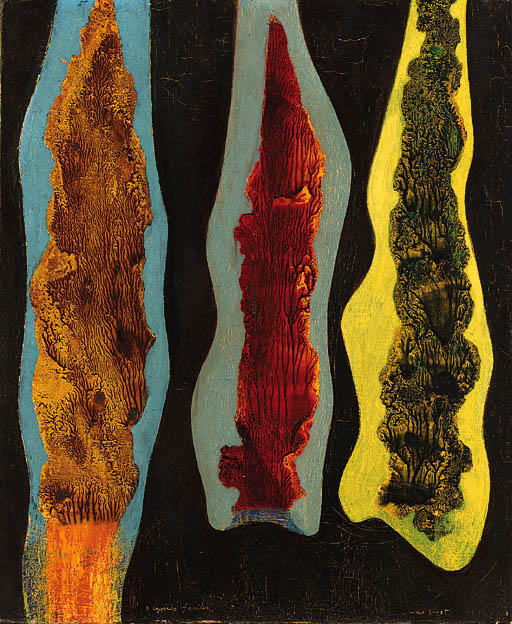
Explore 'Trois cyprès faciles' by Max Ernst! A surreal oil painting featuring swirling forms & vibrant colors in an expressionistic style. Discover a dynamic, abstract masterpiece.

Kunstniku elulugu

Avasta Max Ernsti (1891–1976) sürreaalne maailm! Saksa-amrilane oli Dada ja sürrealismi pioneer, tuntud oma frotaaži, kollaažide ja unenäolike maalidega. Tutvuge tema teoste psühholoogiliste teemadega!

from ·

Chapter 1

How large should it be?

Slide to change the size; the picture on the left shows the frame at its real width. The proportions of the original are kept.

Standardne suurus
kohandatud
CM
INCH

Vali meie eelmääratud suurused, mis vastavad teose algupärastele proportsioonidele.

laius
kõrgus

Sisestage vajalik laius ja kõrgus, et teos sobiks teie raamile või seinale. Kuna tegu on käsipainatud teosega, siis erineva kujuga suuruse korral võib kunstnik jätta pildi ümber veidi rohkem marginaali või lõigata osa ära — valik on teie. Enne maali alustamist saadame teile kinnitamiseks digitaalse näidisprojektsiooni. Sellel lehel näidatud pilt ei kajasta tegelikku tulemust — seda näitab ainult näidisprojektsioon.

Chapter 2

How should it arrive?

Choose the edges of the stretched canvas

Choose your frame

Corner sample of the WhiteWrap canvas edge finish, stretched on massivpuit bars
White €1
Corner sample of the BlurSideWrap canvas edge finish, stretched on massivpuit bars
Blurside €1
Corner sample of the ExtendedWrap canvas edge finish, stretched on massivpuit bars
Extended €1
Corner sample of the P118B picture frame: vormitud polüstüreen, 5 cm wide and 3 cm thick
P118B €10
Corner sample of the P118H picture frame: vormitud polüstüreen, 5 cm wide and 3 cm thick
P118H €10
Corner sample of the P118W picture frame: vormitud polüstüreen, 5 cm wide and 3 cm thick
P118W €10
Corner sample of the P438Z picture frame: vormitud polüstüreen, 5.5 cm wide and 3.5 cm thick
P438Z €10
Corner sample of the P508JH picture frame: vormitud polüstüreen, 7 cm wide and 3.5 cm thick
P508JH €12
Corner sample of the P508YH picture frame: vormitud polüstüreen, 7 cm wide and 3.5 cm thick
P508YH €12
Corner sample of the P805H picture frame: vormitud polüstüreen, 5 cm wide and 3.5 cm thick
P805H €10
Corner sample of the P805Z picture frame: vormitud polüstüreen, 5 cm wide and 3.5 cm thick
P805Z €10
Corner sample of the P919BZ picture frame: vormitud polüstüreen, 7 cm wide and 3.5 cm thick
P919BZ €10
Corner sample of the P919G picture frame: vormitud polüstüreen, 7 cm wide and 3.5 cm thick
P919G €10
Corner sample of the P919XJ picture frame: vormitud polüstüreen, 7 cm wide and 3.5 cm thick
P919XJ €10
Corner sample of the P959ZH picture frame: vormitud polüstüreen, 5 cm wide and 3 cm thick
P959ZH €10
Corner sample of the P968JZ picture frame: vormitud polüstüreen, 6 cm wide and 4 cm thick
P968JZ €12
Corner sample of the W106C picture frame: massivpuit, 5 cm wide and 3 cm thick
W106C €8
Corner sample of the W218G picture frame: massivpuit, 5 cm wide and 3 cm thick
W218G €10
Corner sample of the W218JH picture frame: massivpuit, 5 cm wide and 3 cm thick
W218JH €8
Corner sample of the W218Y picture frame: massivpuit, 5 cm wide and 3 cm thick
W218Y €10
Corner sample of the W307PJ picture frame: massivpuit, 6 cm wide and 3 cm thick
W307PJ €10
Corner sample of the W316G picture frame: massivpuit, 6 cm wide and 3 cm thick
W316G €10
Corner sample of the W316PJ picture frame: massivpuit, 6 cm wide and 3 cm thick
W316PJ €8
Corner sample of the W316Y picture frame: massivpuit, 6 cm wide and 3 cm thick
W316Y €10
Corner sample of the W398PJ picture frame: massivpuit, 5 cm wide and 3 cm thick
W398PJ €8
Corner sample of the W4111J picture frame: massivpuit, 6.5 cm wide and 3.5 cm thick
W4111J €10
Corner sample of the W500HY picture frame: massivpuit, 7 cm wide and 5 cm thick
W500HY €15
Corner sample of the W500JH picture frame: massivpuit, 7 cm wide and 5 cm thick
W500JH €15
Corner sample of the W692G picture frame: massivpuit, 8 cm wide and 4 cm thick
W692G €12
Corner sample of the W849H picture frame: massivpuit, 5 cm wide and 3 cm thick
W849H €8
Corner sample of the W940BG picture frame: massivpuit, 7.5 cm wide and 4.5 cm thick
W940BG €15
Corner sample of the W953PJ picture frame: massivpuit, 6 cm wide and 3.5 cm thick
W953PJ €8
Corner sample of the H24-GOLD picture frame: kareeritud puit ja gesso, 10 cm wide and 6 cm thick
H24-GOLD €30
Corner sample of the H24-SILVER picture frame: kareeritud puit ja gesso, 10 cm wide and 6 cm thick
H24-SILVER €30
Corner sample of the H36-GOLD picture frame: kareeritud puit ja gesso, 15 cm wide and 6.5 cm thick
H36-GOLD €45
Corner sample of the H36-SILVER picture frame: kareeritud puit ja gesso, 15 cm wide and 6.5 cm thick
H36-SILVER €45
Raami eelvaade
Raamitud

Moulding: . Overall size with the frame: .

Chapter 3

Who paints it, and should anything change?

Examples of what can be changed: Replace face with customer photo; Add pet (e.g., replace cat with dog); Include hidden message in background; Change background landscape or elements.
After order, OriginalUniqueArt.com team will email client for instructions and provide a mockup preview

Maailmline tarne 3–4 nädala jooksul tavalise 5 nädala asemel. (29 oktoober). Kvaliteedis kompromisse ei tehta.

Chapter 4

The finishing touches

A nameplate, as in a museum?

Graveeritud pronksplaadi üksikasjad

This elegant plaque features the artist's name and the title of the artwork, finely engraved for a timeless presentation.

It is made from bronze with a refined, elegant finish. The text is precisely laser-engraved for a sharp and permanent result. Measuring 9x2 cm, the plaque is compact yet easy to read. It's built to be durable and scratch-resistant, offering a professional, museum-quality look. Mounting is simple thanks to the included adhesive backing.

Läbipaistva akrüülplaadi üksikasjad

The plaque includes essential engraved details such as the artist's name, the title of the artwork, the date it was created, the type of media used-like oil on canvas or watercolor-a brief description of the piece, and a QR code that links to the complete artwork information.

It is crafted from clear acrylic, offering a sleek, modern appearance. The text is UV-engraved in black to ensure strong visual contrast. With a size of 10x15 cm, it ensures optimal readability. It comes equipped with two metal hooks for secure wall mounting. The plaque is designed to be weather-resistant, making it suitable for various environments, and it includes interactive features that work seamlessly with smartphone scanning.

Musta akrüülplaadiรายละเอียด (Note: The user provided "Musta akrüülplaadi detailid" as the current translation and asked for an improved version. Since "Musta akrüülplaadi

This elegant plaque includes engraved information such as the artist's name, the title of the artwork, the date it was created, the type of media used (like oil on canvas or watercolor), a short description of the artwork, and a QR code for quick access to more information.

The plaque itself is made from refined black acrylic with a premium finish. The text is laser-engraved in white for high contrast and readability. Its size is 10x15 cm, designed to be easy to read. It comes with two metal hooks for professional mounting. The design is sleek and fits any interior style. It is also weather-resistant and durable, with built-in digital integration for mobile compatibility.

A protective varnish?

When do you need it?

Chapter 5

Your painting, as you ordered it

Trois cyprès faciles

Reproduktsiooni tehnika

Reproduktsiooni suurus

-

Eelistatud tippkunstnik

Rohkem detaile, peenust ja lisatootmisaega

-

Reproduktsiooni raamivalikud

-

-

Kunstiteoste või reproduktsioonide puhul, mille üks külg on üle 105 cm (umbikmolt 41 tolli), saadetakse raam kirjal asendis, la Dismantlitud komplektina. See meetod tagab ohutuse kohaletoimetamisel ja väldib transpordil tekkivaid kahjustusi.

Vajalik professionaalne kokkupanek – see ei ole isetegevusega valmistamiseks mõeldud toode.
Komplekt tuleb kokku panna ja lõvet pingutada kogemusega professionaalse raamija, kasutades puiduliim (ei kuulu komplekti), lõvetpingi ja klempe, et hoida raami kande mustad õigena liimi kuivamisaja jooksul. Vale kokkupanek või ebaühtlane lõvetping võib kunstiteost püsivalt kahjustada ning seda ei katta meie garantii.

  • Kaasatud on kõik tahked puidust liistud, täpselt lõigatud vastavaks suuruseks.

  • Kokku panemiseks kasutatakse lisatud kruvisid ning nurkade liimamiseks vajalikku puuliima, mida ei ole komplektis ja mida peab raamivalmistaja ise hankima.

  • Vajalik on kasutada professionaalseid tööriistu, mis ei kuulu komplekti: lõvetelapide pingist (pingutaja) ja klambreid, et hoida raami puidu nurgas õigena liimi kuivamisaja jooksul.

Oluline:
Nurgaliimamiseks on vaja puiduliim, liimimine peab toimuma klempide all kuni liim on täielikult kuivanud ning kokku monteeritud raami kanga pingutamiseks on vajalik kanga pingutustang. Kumbki neist ei kuulu komplekti. Palun veenduge enne selle suuruse tellimist, et teil on saadaval kogenud professionaalne raamistaja.

Nimesildikiri

-

-

Kaitsevärnitsus

Läikiv lakk (muudab värvid elavamaks ning kaitseb valgust ja niiskust eest)

-

Kohanda oma teost

Näiteid muudatuste kohta: Asenda nägu kliendi fotoga; Lisa lemmikloom (nt asenda kass koeraga); Lisa taustale peidetud sõnum; Muuda tausta maastikku või elemente.

-

Kiire tarne

Ülemaailmne tarne riiki 3–4 nädalaga tavalise 5 nädala asemel. (29 oktoober). Kvaliteedis kompromisse ei tehta.

-

Kiirsaatmine

Ülemaailmne tarne () 5 nädala jooksul. (5 november).

Sisse kuuluv

Koguhind

€ 265

Kogu summa € 265

Klaasivalik on saadaval ainult kuni 110 cm suuruses teostes

Included with every order

  • Tasuta ekspresssaatmine üle maailma
  • Kõrgekvaliteediline lina-kangas
  • Täielik transpordikindlustus
  • Tollimaksude tagastamise garantii
  • Värvitoime täpsuse garantii
  • 100 päeva tagastusõigus (ainult valmistusdefektide korral)
  • 100% raha tagasi garantii
  • Hulgusoodustus

A Visionary Landscape: Decoding Max Ernst’s *Trois cyprès faciles*

This captivating work by Max Ernst, *Trois cyprès faciles*, plunges viewers into a realm where the boundaries between reality and dream dissolve. Executed with Ernst's signature blend of abstraction and surrealist sensibility, this painting is not merely an image but an invitation to explore the depths of the subconscious. The artwork presents three towering, organic forms against a stark black backdrop – shapes that evoke both natural growth and otherworldly presence.

Style & Technique: A Masterclass in Surreal Expressionism

Ernst’s style here is deeply rooted in Surrealism, a movement he profoundly influenced as a pioneer of Dadaism. However, *Trois cyprès faciles* also displays strong elements of expressionistic abstraction. The swirling textures and vibrant color gradients within each form are achieved through a masterful application of oil paint – likely utilizing palette knife techniques to build up thick impasto. This tactile quality isn’t just visual; it invites the viewer to almost *feel* the energy emanating from the canvas. The flattened perspective further enhances the dreamlike quality, removing any sense of traditional spatial depth and focusing attention on the forms themselves.

Historical Context: Ernst & The Surrealist Revolution

Max Ernst (1891-1976) was a pivotal figure in 20th-century art. Disillusioned by the horrors of World War I, he embraced Dadaism’s anti-rational stance before becoming a leading light of the Surrealist movement in Paris during the 1920s and beyond. Ernst sought to unlock the creative potential of the unconscious mind, employing techniques like frottage (rubbing) and collage to generate unexpected imagery. *Trois cyprès faciles* exemplifies this exploration, moving away from representational forms towards a more intuitive and symbolic language.

Symbolism & Interpretation: Unlocking Hidden Meanings

The title itself – translating to “Three Easy Cypresses” – is deceptively simple. While cypresses are often associated with cemeteries and mourning in some cultures, Ernst’s interpretation feels far removed from such literal readings. The swirling forms could symbolize the turbulent forces of nature, the chaotic energy of the unconscious, or even the process of transformation itself. The vibrant colors—though not explicitly defined—suggest a range of emotions, from fiery passion to serene contemplation. Ultimately, the symbolism remains open-ended, encouraging individual interpretation and personal connection with the artwork.

Emotional Impact & Interior Design Considerations

*Trois cyprès faciles* is an emotionally resonant piece that evokes feelings of mystery, wonder, and perhaps even a touch of unease. Its dynamic composition and bold use of color make it a striking focal point for any space.
  • In a modern living room, the painting’s abstract nature would complement minimalist furniture and create a sophisticated atmosphere.
  • For collectors seeking investment-worthy pieces, Ernst's legacy ensures lasting value and prestige.
  • Its dark background makes it particularly effective when paired with lighter wall colors to enhance contrast and visual impact.
This artwork is more than just a decorative element; it’s a conversation starter, an intellectual challenge, and a window into the fascinating world of Surrealist thought.

Korduvad küsimused

Kuidas teose „Trois cyprès faciles“, autor Mak Ernst värvikompositsioon on üles ehitatud?

Teose „Trois cyprès faciles“, autor Mak Ernst värvikompositsioon ühendab endas Statement kontrasti ja Softly Mixed Palette harmooniat.

Milline toon on teoses „Trois cyprès faciles“, autor Mak Ernst domineeriv?

"Trois cyprès faciles" on kallutunud Ochre to Sepia toonile.

Millist tunnet edastab „Trois cyprès faciles“, autor Mak Ernst?

Teose „Trois cyprès faciles“, autor Mak Ernst edastatud meeleolu on Mystical ning selle emotsionaalne toon on Mysterious.

More about this painting

Eelvaade AR-eelvaade Lülita trükkitoodetele Lülita digitaalse pildi juurde Saada
Teave teose kohta Juhend Lisa lemmikutesse Laadi alla Sarnased teosed Röntgenuuring Slaidietendus Q&A Statistika

In numbers

  • 29frames to choose from
  • standard sizes, in its own proportions
  • 5weeks to paint and deliver it

About the original

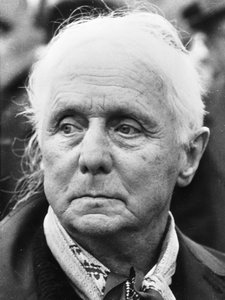
Mak Ernst

Mak Ernst

1891 - 1976, Saksamaa

Quick facts about Mak Ernst

  • Artistic Movement Or Style: Dada, Sürrealism
  • Artists Or Movements Influenced By This Artist:
    • Sürrealism
    • Dada
  • Artists Who Influenced This Artist:
    • Pablo Picasso
    • Vincent van Gogh
    • Paul Gauguin
    • Giorgio de Chirico
  • Date Of Birth: 1891. aprill 2.
  • Date Of Death: 1976. aprill 1.
  • Full Name: Max Ernst
  • Nationality: Saksakasvatuseline, Ameerika, Prantsuse
  • Notable Artworks:
    • Ofrenda funeraria
    • The Equivocal Woman
    • L'Ange du foyer
  • Place Of Birth: Brühl, Saksamaa

Kunstniku elulugu

Maksi Ernsti Elu: Sürrealismi ja Vabaduse Tõus

Max Ernst, sündinud Maximilian Maria Ernst 1. aprillil 1891 Brühli linnas, Saksamaal, oli kunstnik, kelle tee ei kulgenud tavapärase kunstiõpingu teed, vaid eneseotsingute ja katsetamise teed, mis viisid teda sürrealismi südameni. Tema isa, kurtide kooli õpetaja ja harrastuskunstnik, andis talle nii maailma tundlikkust kui ka vaimustamist konventsiooniliste normidega vastuolus. See sisemine pingelangus kujundas Ernsti loomingut läbi terve elukäigu.

Ülikooliaeg Bonnis, kus Ernst õppis filosoofiat, kunstiajalugu, kirjandust, psühholoogiat ja psühhiaatriat, ei olnud pelgud akadeemilised tegevused, vaid sügavalt tema hilisemat kunstitööd mõjutanud alus. Ta ei tahtnud lihtsalt õppida *kui* maalida, vaid *miks*. See intellektuaalne uudishimu viis ta Picasso, Van Goghi ja Gauguini loominguni, mis muutis tema kunstilist suunda pöördeliselt. Modernismi seemned olid külvatud.

Dadaismist Sürrealismi Vabastuseni

Esimine maailmasõda oli Ernsti elus murdepunkt. Esilinna ja läänerinde sõdurina saadud kogemused raputasid teda sügavalt, tekitades skeptitsismi voolavaste struktuuride suhtes ning soovi uute väljendusvormide järele. See pettumus leidis vilja maad kasvavas dadaismis, mida Ernst omakasvuliselt omaks võttis tagasi pöördudes Kölnisse 1918. aastal. Hans Arpiga koos sai temast keskjooneline tegelane Kölni dadaistide rühmituses, mis hüljaski traditsioonilised kunstivormid ning võttis omaks absurdi, juhuse ja ratsionaalsuse puudumise.

Kuid dadaism oli vaid samm edasi. 1920ndate alguses siirdus Ernst Pariisi ja liitus sürrealistidega, kelle eesotsas oli André Breton. See tähistas nihkumist unenägede valda, teadvuse sügavustesse ning irratsionaalsusse. Psühhoanalüütiku Sigmund Freudi ideede mõjul püüdis Ernst avada inimhinge peidupoolte kunstniku vahendusel. Ta ei tahtnud kujutada reaalsust nii nagu see näib, vaid paljastada psühholoogilisi jõude, mis seda vormistavad.

Uued Tehnikad: Frottage, Grattage ja Kollaaž

Ernsti kunstiline innovatsioon ulatub teemade taha; ta oli pidev eksperimenteerija. Ta ei võtnud lihtsalt kasutusele olemasolevaid meetodeid – ta leiutas uusi. Ilmselt tema kuulsaim panus on frottage, tehnika, kus paberile hõõrutakse harjaga tekstuuri pindadele, et luua ootamatuid ja väljendusrikkaid kujundeid. See meetod, mis sündis igavuse hetkel vaadates puusüsi struktuuri, võimaldas tal pääseda teadvusetta sügavustesse ning genereerida vorme, mida ta ei saanud teadlikult kontrollida. Lähedane tehnika oli grattage, kus värvi kraabitakse lõuendi pinnale, paljastades alumisi kihte.

Ta kasutas ka virtuoosselt kollaaži, koostades erinevaid elemente – ajakiri pilte, teaduslikke illustratsioone, fotosid – sürrealistlikesse kompositsioonidesse, mis esitasid väljakutseid konventsionaalsetele kujutamisviisidele. Need tehnikad ei olnud pelgud stiilivalikuid; nad olid lahutamatult seotud tema teadvusetuse uurimisega ja sooviga rikkuda traditsioonilisi kunstivorme. Tema maalidel esinevad sageli korduvad sümbolid: linnud (eriti tema alter ego Loplop), hüljatud maastikud, häirivad ühendused ning leviv saladus.

Pärand ja Jõudlus

Teise maailmasõja puhkem sundis Ernstit lahkuma Euroopast, leides varju Ameerika Üriikides. Ta jätkas maalimist ja uute tehnikatega katsetamist ka pagenduses, pöördudes sõdadevahelisel perioodil tagasi Prantsusmaale, kus ta jäi aktiivseks kuni surmani 1st aprillil 1976 Pariisis. Tema mõju järgnevatele kunstnike põlvedele on mõõdistamatu.

Max Ernsti panus dadaismi ja sürrealismi oli ülimat tasemega. Ta esitas väljakutseid kunstivormidele, süvenes teadvuse sügavustesse ning leiutas uuendavaid tehnikaid, mis jätkuvad inspireerivat kunstnikke tänapäevani. Ta ei olnud pelgud maalikunstnik; ta oli avastaja, provokaator ja visionär, kes laiendas kunsti piire iseendale.

  • Peamised teosed: The Entire City, Euclides, Of This Men Shall Know Nothing, Forest and Dove
  • Mõjud: Pablo Picasso, Vincent van Gogh, Paul Gauguin, Sigmund Freud, Giorgio de Chirico
  • Voolud: Dadaism, Sürrealism

Teave teose kohta

  • influences:
    • Joan Miró
    • Ernst
  • movement:
    • Surrealism
    • Expressionism
    • Abstraction
  • subject: Ambiguous, abstract forms evoking feelings and sensations
  • medium: oil paint on canvas

Kunstiteaduse kvartett

Iga küsimuse kohta on ainult üks õige vastus.

Küsimus 1:
To which artistic movements is Max Ernst's 'Trois cyprès faciles' most closely associated?
Küsimus 2:
What is a prominent characteristic of the *technique* used in 'Trois cyprès faciles'?
Küsimus 3:
The composition of 'Trois cyprès faciles' can be described as:
Küsimus 4:
What is the overall *subject matter* of 'Trois cyprès faciles'?
Küsimus 5:
Which artist is mentioned as a stylistic reference point for Ernst's work?