

 Vaata sisu
 Jaga teost
 Jaga
Jaga
 Detailid
 Õppekate juhend

 Laadi alla
 Sarnased teosed
 Röntgenuuring
 Slaidietendus
 Statistika
After Us Motherhood
 Oil On Canvas
- WallArt
- Surrealist Symbolism
 1927
1927- Modern
 146.0 x 114.0 cm
 Loe lähemalt
Sellel lehel kuvatav kunstiteos on kaitstud autoriõigusega, mis tähendab, et meil ei ole seaduslikku õigust luua või müüa identset reproduktsiooni. Seda kaitset rakendatakse rahvusvaheliste kokkulepete alusel, nagu näiteks Berne konventsioon ning riiklike seadustega, sealhulgas nendega, mida on sätestatud USA autoriõiguse seadus – 17. peatükk.
See meetod järgib täielikult autoriõiguse reegleid, kuna see ei põhine kaitstud kunstiteose kopeerimisel või dupliteerimisel. Selle asemel on tegu loova reinterpreetatsiooniga – uue maaldisega, mis on algteosest inspireeritud, kuid ei ole sellest identiline.
Giclée / Kunstiprint
Muuseumikvaliteediga giclée- või kangasprint kiire tootmisega ja paindlikud viimistlusvõimalused. ( Telli käsitsi maalitud reproduktsioon Ülemineku digitaalse pildi müügi kanalisse)




P118B €10

P118H €10

P118W €10

P438Z €10

P508JH €12

P508YH €12

P805H €10

P805Z €10

P919BZ €10

P919G €10

P919XJ €10

P959ZH €10

P968JZ €12

W106C €8

W218G €10

W218JH €8

W218Y €10

W307PJ €10

W316G €10

W316PJ €8

W316Y €10

W398PJ €8

W4111J €10

W500HY €15

W500JH €15

W692G €12

W849H €8

W940BG €15

W953PJ €8




Vali meie eelmääratud suurused, mis vastavad teose algupärastele proportsioonidele.

Saate sisestada oma mõõdud, et need sobiks konkreetse raami või ruumi sisse. Kui valitud suurus ei vasta originaalteose proportsioonidele, lõigame teose ära või laiendame pilti peegeldatud või ühtlase servaga. Enne tootmisprotsessi algust saadetakse Teie kinnitamiseks digitaalne näidis.
Palun märka, et ekraanil kuvatav eelvaade ei kajasta tegelikku lõigamist või laiendamist. Ainult näidis kujutab täpselt lõplikku kompositsiooni.
Kuigi erimõõdu on saadaval, soovitame originaaproportsioonide säilitamiseks valida mõõt ette määratud nimekirjast.
Ülemaailmne tarne () 2 nädala jooksul, tavalise 4/5 nädala asemel. (11 oktoober)

Tasuta ekspresssaatmine üle maailma

Kõrgekvaliteediline lina-kangastest muld

Täielik transpordikindlustus

Tollimaksude tagastamise garantii

Värvitoime täpsuse garantii

100 päeva tagastusõigus (ainult defektide korral)

100% raha tagasi garantii

Hulgusoodustus
 Klaasivalik on saadaval ainult kuni 110 cm suuruses teostes

After Us Motherhood
Giclée / Kunstiprint
Reproduktsiooni mõõtmed
-


Lõppsumma
€ 69
A Dreamscape of Instinct: Decoding Max Ernst’s Surreal Vision
In the hauntingly beautiful canvas of “After Us Motherhood,” painted in 1927, Max Ernst invites us to abandon the safety of rational thought and surrender to the unsettling logic of the subconscious. This striking work is far more than a mere visual spectacle; it is a profound invitation into the realm of Surrealism, where the boundaries between the organic and the monstrous begin to dissolve. At first glance, the viewer is arrested by a dreamlike tableau: a baby perched atop a table, surrounded by a menagerie of animals and shadowed by the looming presence of a dragon. This paradoxical juxtaposition of extreme vulnerability and primal power creates an immediate emotional tension, pulling the observer into a psychological labyrinth where every element whispers of hidden truths.
The painting serves as a visceral reaction to the societal upheavals of the post-World War I era. Emerging from the trauma of global conflict, Ernst utilized the spirit of Dadaism—a movement defined by its rejection of logic and traditional aesthetics—to protest a world he perceived as broken. Through this lens, “After Us Motherhood” becomes a meditation on creation and destruction. The baby, representing innocence and the primal instinct for survival, sits elevated, perhaps signifying a resilient hope amidst chaos. Yet, the surrounding birds, often symbols of freedom and rebirth, are scattered in positions that suggest instability, while the dragon embodies the darker, more predatory aspects of human nature and the anxieties of mortality.
Mastery of Texture and the Language of the Unconscious
Technically, Ernst’s mastery of oil paint is central to the artwork's immersive impact. He achieved a remarkable textural depth through meticulous layering and blending, creating a surface that feels both tactile and emotionally resonant. His approach was deeply influenced by his interest in psychoanalytic theories, particularly those of Sigmund Freud. By employing techniques that allowed for a degree of automatism—letting unconscious impulses guide the brush—Ernst created textures that mirror the unpredictable nature of dreams. The swirling vortex of organic forms, rendered in a palette of evocative oranges, blues, and yellows against a stark, dark background, forces the eye to navigate a landscape where form is constantly shifting.
For the discerning collector or interior designer, this piece offers more than just aesthetic beauty; it provides a focal point of profound intellectual depth. The painting’s ability to provoke thought and challenge assumptions makes it an extraordinary addition to any curated space. Whether placed in a contemporary gallery setting or a sophisticated residential study, “After Us Motherhood” acts as a portal, stimulating conversation and reflection. It is a work that does not merely sit upon a wall but breathes with the restless energy of the human psyche, making it an enduring masterpiece for those who seek art that resonates with the complexities of the modern soul.
Küsimused ja vastused
Kes lõi "After Us Motherhood"?
Teose "After Us Motherhood" looja on Mak Ernst. Teos on kataloogitud nime Mak Ernst all.
Mis vanuses loos Mak Ernst teose "After Us Motherhood"?
Kui teos "After Us Motherhood" loodi aastal 1927, oli Mak Ernst (sündinud aastal 1891) 36 aastane.
Millist atmosfääri toob ruumi „After Us Motherhood“, autor Mak Ernst reproduktsioon?
Olles meeleoluult Mystical, soovitatakse teost "After Us Motherhood" ruumiks Living Room.
Millal loodi teos "After Us Motherhood"?
Teose „After Us Motherhood“, autor Mak Ernst loomimisaeg on 1927.
Kellele on teos „After Us Motherhood“, autor Mak Ernst kingitusena soovitatav?
Kingituseks on Mother's Day jaoks soovitatav teos „After Us Motherhood“, autor Mak Ernst. Sobib ideaalselt ka teisteks sündmusteks.
Mis on teose „After Us Motherhood“, autor Mak Ernst üldine meeleolu?
Teose „After Us Motherhood“, autor Mak Ernst meeleolu on kirjeldatud kui Mystical. See klassifikatsioon võib aidata leida teosele sobiva sisekujunduse.
Kas on "After Us Motherhood" kuulus Surrealist Symbolism suunaga teos?
Teos „After Us Motherhood“, autor Mak Ernst on klassifitseeritud tasemele Iconic ning kuulub Surrealist Symbolism suunasse.
Kunstniku elulugu
Maksi Ernsti Elu: Sürrealismi ja Vabaduse Tõus
Max Ernst, sündinud Maximilian Maria Ernst 1. aprillil 1891 Brühli linnas, Saksamaal, oli kunstnik, kelle tee ei kulgenud tavapärase kunstiõpingu teed, vaid eneseotsingute ja katsetamise teed, mis viisid teda sürrealismi südameni. Tema isa, kurtide kooli õpetaja ja harrastuskunstnik, andis talle nii maailma tundlikkust kui ka vaimustamist konventsiooniliste normidega vastuolus. See sisemine pingelangus kujundas Ernsti loomingut läbi terve elukäigu.
Ülikooliaeg Bonnis, kus Ernst õppis filosoofiat, kunstiajalugu, kirjandust, psühholoogiat ja psühhiaatriat, ei olnud pelgud akadeemilised tegevused, vaid sügavalt tema hilisemat kunstitööd mõjutanud alus. Ta ei tahtnud lihtsalt õppida *kui* maalida, vaid *miks*. See intellektuaalne uudishimu viis ta Picasso, Van Goghi ja Gauguini loominguni, mis muutis tema kunstilist suunda pöördeliselt. Modernismi seemned olid külvatud.
Dadaismist Sürrealismi Vabastuseni
Esimine maailmasõda oli Ernsti elus murdepunkt. Esilinna ja läänerinde sõdurina saadud kogemused raputasid teda sügavalt, tekitades skeptitsismi voolavaste struktuuride suhtes ning soovi uute väljendusvormide järele. See pettumus leidis vilja maad kasvavas dadaismis, mida Ernst omakasvuliselt omaks võttis tagasi pöördudes Kölnisse 1918. aastal. Hans Arpiga koos sai temast keskjooneline tegelane Kölni dadaistide rühmituses, mis hüljaski traditsioonilised kunstivormid ning võttis omaks absurdi, juhuse ja ratsionaalsuse puudumise.
Kuid dadaism oli vaid samm edasi. 1920ndate alguses siirdus Ernst Pariisi ja liitus sürrealistidega, kelle eesotsas oli André Breton. See tähistas nihkumist unenägede valda, teadvuse sügavustesse ning irratsionaalsusse. Psühhoanalüütiku Sigmund Freudi ideede mõjul püüdis Ernst avada inimhinge peidupoolte kunstniku vahendusel. Ta ei tahtnud kujutada reaalsust nii nagu see näib, vaid paljastada psühholoogilisi jõude, mis seda vormistavad.
Uued Tehnikad: Frottage, Grattage ja Kollaaž
Ernsti kunstiline innovatsioon ulatub teemade taha; ta oli pidev eksperimenteerija. Ta ei võtnud lihtsalt kasutusele olemasolevaid meetodeid – ta leiutas uusi. Ilmselt tema kuulsaim panus on frottage, tehnika, kus paberile hõõrutakse harjaga tekstuuri pindadele, et luua ootamatuid ja väljendusrikkaid kujundeid. See meetod, mis sündis igavuse hetkel vaadates puusüsi struktuuri, võimaldas tal pääseda teadvusetta sügavustesse ning genereerida vorme, mida ta ei saanud teadlikult kontrollida. Lähedane tehnika oli grattage, kus värvi kraabitakse lõuendi pinnale, paljastades alumisi kihte.
Ta kasutas ka virtuoosselt kollaaži, koostades erinevaid elemente – ajakiri pilte, teaduslikke illustratsioone, fotosid – sürrealistlikesse kompositsioonidesse, mis esitasid väljakutseid konventsionaalsetele kujutamisviisidele. Need tehnikad ei olnud pelgud stiilivalikuid; nad olid lahutamatult seotud tema teadvusetuse uurimisega ja sooviga rikkuda traditsioonilisi kunstivorme. Tema maalidel esinevad sageli korduvad sümbolid: linnud (eriti tema alter ego Loplop), hüljatud maastikud, häirivad ühendused ning leviv saladus.
Pärand ja Jõudlus
Teise maailmasõja puhkem sundis Ernstit lahkuma Euroopast, leides varju Ameerika Üriikides. Ta jätkas maalimist ja uute tehnikatega katsetamist ka pagenduses, pöördudes sõdadevahelisel perioodil tagasi Prantsusmaale, kus ta jäi aktiivseks kuni surmani 1st aprillil 1976 Pariisis. Tema mõju järgnevatele kunstnike põlvedele on mõõdistamatu.
Max Ernsti panus dadaismi ja sürrealismi oli ülimat tasemega. Ta esitas väljakutseid kunstivormidele, süvenes teadvuse sügavustesse ning leiutas uuendavaid tehnikaid, mis jätkuvad inspireerivat kunstnikke tänapäevani. Ta ei olnud pelgud maalikunstnik; ta oli avastaja, provokaator ja visionär, kes laiendas kunsti piire iseendale.
- Peamised teosed: The Entire City, Euclides, Of This Men Shall Know Nothing, Forest and Dove
- Mõjud: Pablo Picasso, Vincent van Gogh, Paul Gauguin, Sigmund Freud, Giorgio de Chirico
- Voolud: Dadaism, Sürrealism
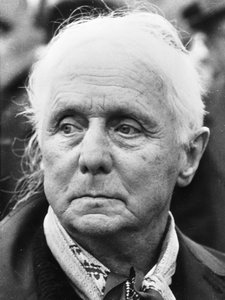
Mak Ernst
1891 - 1976 , Saksamaa
Lühikest infot
- Artistic Movement Or Style: Dada, Sürrealism
- Artists Or Movements Influenced By This Artist:
- Sürrealism
- Dada
- Artists Who Influenced This Artist:
- Pablo Picasso
- Vincent van Gogh
- Paul Gauguin
- Giorgio de Chirico
- Date Of Birth: 1891. aprill 2.
- Date Of Death: 1976. aprill 1.
- Full Name: Max Ernst
- Nationality: Saksakasvatuseline, Ameerika, Prantsuse
- Notable Artworks:
- Ofrenda funeraria
- The Equivocal Woman
- L'Ange du foyer
- Place Of Birth: Brühl, Saksamaa
Sarnased artiklid

Beyond Reality: A Definitive Guide to the Dreamlike World of Surrealism and Its Artistic Legacy
Embark on a journey through the subconscious with our expert guide to Surrealism. Discover the profound symbolism of masters like Dalí and Ernst, exploring how dreamlike imagery reshaped art history and continues to inspire collectors and enthusiasts worldwide.
Surrealismi 10 Meisterteost: Kunsti, Mis Muigasid Reaalsust
Sukeldu sürreaalsesse maailma! Avasta 10 meistriteost, mis defineerisid sürrealismi liikumist – Dalí, Magritte jt. Kunstiajalugu ja inspiratsioon interjööriks OriginalUniqueArt.com-il. Uuri täielik kollektsioon veebis!
Max Ernsti 25 parimat teost: Surrealismi meistriteosed teie interjööri
Avastage Max Ernsti 25 parimat teost! Sukelduge surrealismi ja dadaismi maailma, tutvuge kunstniku lugude ja tehnikatega. Leidke täiuslik maali oma interjööri OriginalUniqueArt.com-ist – kvaliteetsed kunstireprodutsioonid ja kollektsioonid.
Dreamscapes & Disrupted Realities: Exploring Surrealism's Enduring Influence
Explore the fascinating world of Surrealism! Discover its origins, key artists like Dalí & Magritte, and enduring influence on art & culture. Expert insights & high-quality reproductions at OriginalUniqueArt.
Feathered Visions: A Historical & Artistic Exploration of Birds in Painting
Explore the rich history of birds in painting! Discover symbolism, artistic movements & master artists like Audubon. High-quality reproductions available at OriginalUniqueArt.


