

 Vaata sisu
 Jaga teost
 Jaga
Jaga
 Detailid
 Õppekate juhend

 Laadi alla
 Sarnased teosed
 Röntgenuuring
 Slaidietendus
 Statistika
Self-Portrait with Trumpet
 Oil On Canvas
- WallArt
- Expressionist Portraiture
 1938
1938- Modern
 101.0 x 110.0 cm
 Loe lähemalt
Käsitsi valmistatud õlimaalireproduktsioon
Meie kunstnike poolt tellimusel valmistatud käsitsi maalitud õli-kainaste teos teie soovitud suuruses ja raamis. ( Lülita trükkitoodetele Ülemineku digitaalse pildi müügi kanalisse)




P118B €10

P118H €10

P118W €10

P438Z €10

P508JH €12

P508YH €12

P805H €10

P805Z €10

P919BZ €10

P919G €10

P919XJ €10

P959ZH €10

P968JZ €12

W106C €8

W218G €10

W218JH €8

W218Y €10

W307PJ €10

W316G €10

W316PJ €8

W316Y €10

W398PJ €8

W4111J €10

W500HY €15

W500JH €15

W692G €12

W849H €8

W940BG €15

W953PJ €8




Vali meie eelmääratud suurused, mis vastavad teose algupärastele proportsioonidele.

Sisestage vajalik laius ja kõrgus, et teos sobiks teie raamile või seinale. Kuna tegu on käsipainatud teosega, siis erineva kujuga suuruse korral võib kunstnik jätta pildi ümber veidi rohkem marginaali või lõigata osa ära — valik on teie. Enne maali alustamist saadame teile kinnitamiseks digitaalse näidisprojektsiooni. Sellel lehel näidatud pilt ei kajasta tegelikku tulemust — seda näitab ainult näidisprojekttsioon.
Pärast tellimust saadab OriginalUniqueArt.com meeskond kliendile e-posti juhised ning esitab eelvaate kavandi
Maailmline tarne 3–4 nädala jooksul tavalise 5 nädala asemel. (25 oktoober). Kvaliteedis kompromisse ei tehta.

Tasuta ekspresssaatmine üle maailma

Kõrgekvaliteediline lina-kangastest muld

Täielik transpordikindlustus

Tollimaksude tagastamise garantii

Värvitoime täpsuse garantii

100 päeva tagastusõigus (ainult defektide korral)

100% raha tagasi garantii

Hulgusoodustus
 Klaasivalik on saadaval ainult kuni 110 cm suuruses teostes

Self-Portrait with Trumpet
Reproduktsiooni materjal
Reproduktsiooni mõõtmed
-


Lõppsumma
€ 263
Max Beckmann's 'Self-Portrait with Trumpet': A Study in Disquiet
Max Beckmann’s 1938 ‘Self-Portrait with Trumpet’ is not merely a representation of the artist; it’s a raw, unsettling exploration of identity and disillusionment rendered with the characteristic intensity of his expressionist style. Completed during a period of profound personal and artistic transformation, this oil on canvas offers a glimpse into Beckmann's evolving worldview – one shaped by the trauma of World War I and a growing sense of alienation from the societal norms of his time. The painting’s immediate impact lies in its unsettling composition: a man, clad in a striking red garment, stares directly at the viewer with an almost accusatory gaze. His posture is rigid, conveying a palpable tension, while the trumpet he holds to his lips suggests both aspiration and perhaps a desperate attempt to find solace or expression within a world seemingly devoid of meaning.
- Subject & Composition: The central figure dominates the canvas, immediately drawing the viewer into a confrontation. The inclusion of the bottle and cup adds layers of complexity, hinting at themes of indulgence, contemplation, and perhaps even self-medication – common anxieties reflected in Beckmann’s oeuvre.
- Technique & Materials: Executed in oil on canvas, the painting showcases Beckmann's masterful control over texture and color. Thick impasto strokes build a sense of physicality, while his use of muted reds, browns, and blues creates an atmosphere of brooding melancholy. The deliberate distortion of perspective further amplifies the emotional impact.
Echoes of Medieval Iconography & Artistic Influences
Beckmann’s artistic development was profoundly influenced by a deep engagement with medieval art, particularly stained glass and late Gothic painting. This fascination is evident in the flattened perspectives, symbolic imagery, and almost ritualistic quality of ‘Self-Portrait with Trumpet.’ He drew heavily from artists like Rembrandt, whose use of chiaroscuro – the dramatic interplay of light and shadow – resonates powerfully within this work, as well as the Northern European masters Bosch and Grünewald, known for their unsettling depictions of human folly and spiritual struggle. Cézanne’s influence is also discernible in Beckmann's exploration of form and space, while Van Gogh’s emotional intensity undoubtedly contributed to his own expressive approach.
Historical Context & The Artist's Psyche
Painted in 1938, a year marked by rising political tensions in Germany, the painting reflects the anxieties of the era. Beckmann’s experiences as a medical orderly during World War I left an indelible mark on his psyche, contributing to his later artistic preoccupation with themes of suffering, loss, and the dehumanizing effects of conflict. The self-portrait can be interpreted as a deeply personal statement – a struggle to reconcile his own identity with the fractured realities of the modern world. It’s a testament to Beckmann's courage in confronting difficult truths about himself and humanity.
A Timeless Expression of Human Condition
'Self-Portrait with Trumpet' transcends its historical context, offering a timeless meditation on the human condition. Its raw emotional power and unsettling imagery continue to resonate with viewers today, solidifying Beckmann’s place as one of the most significant artists of the 20th century. This meticulously crafted reproduction captures not just an image but the very essence of Beckmann's artistic vision – a poignant reminder of our shared vulnerability and the enduring search for meaning in a chaotic world.
Küsimused ja vastused
Millist emotsiooni „Self-Portrait with Trumpet“, autor Max Beckmann edastab?
Teose „Self-Portrait with Trumpet“, autor Max Beckmann kirjeldatud emotsionaalne toon on Melancholic. See kokkuvõtab tunnet, mida teos väljendab.
Milline rahvuslik päritolu seisab teose "Self-Portrait with Trumpet" Expressionist Portraiture taga?
Teos "Self-Portrait with Trumpet" ühendab oma looja sünneloolise piirkonna kaudimisi Expressionist Portraiture suunaga, tuues selle kokku Eesti riigiga.
Kust saan osta teose „Self-Portrait with Trumpet“, autor Max Beckmann trükki?
Teose „Self-Portrait with Trumpet“, autor Max Beckmann trüket saab tellida otse selle Kõlblik kunstutrüki kvaliteetne trükis lehelt: kunstiprint puuvillalõikel}}^{\text{canvas}}$ või arhiveeritaval kangaspaberil.
Kunstniku elulugu
Varajane Elu ja Kunstiline Areng
Max Beckmann, tuntud saksa maalikunstnik, graafik, skulptor ja kirjanik sündis 12. veebruaril 1884 Leipzigus Saksamaal. Tema kunstiline teekond algas akadeemiliselt korrektsete kujutustega, mis hiljem muutusid moonutatud figuurideks ja ruumideks, peegeldades tema muutunud inimkäsitusest pärast teenimist meditsiiniordinaarina Esimeses maailmasõjas. Sõja šokk ja kaotused jätsid kustutamatu jälje Beckmanni psüühikale ning see kajastus tema loomingus – varem rahuliku ja konventsionaalse stiili asemele tuli dünaamiline, ärev ja sümbolistlik väljendusviis. Noore kunstniku varased teosed näitasid huvi realismile ja impressionismile, kuid sõja järgne periood tõi kaasa otsingud uute vormide ja sisude poole. Ta katsetas erinevate tehnikatega, sealhulgas litograafia ja puugravüüriga, et leida kõige sobivama viisi oma tunnete ja mõtete väljendamiseks.Kunstiline Stiil ja Mõjud
Beckmanni stiili juured on keskaaja vitraažikunstis, kuid ta sai inspiratsiooni ka paljudest teistest kunstnikutest, sealhulgas Cézanne'st, Van Goghist, Blakest, Rembrandist ja Rubensist. Ta ammutas inspiratsiooni ka Põhja-Euroopa kunstnikutelt hiliskeskajast ja vararenessanssist, nagu Bosch, Bruegel ja Matthias Grünewald. Tema loomingus on näha nii renessansi maalikunstnike detailirohkust kui ka ekspressionismi dünaamilist energiat. Beckmanni teosed iseloomustavad tugevad jooned, intensiivsed värvid ja keerukad kompositsioonid. Ta kasutas sümbolismit laialt oma töödes, et väljendada eksistentsiaalseid teemasid nagu surm, vägivald, religioon ja inimkonna olukord maailmas. Tema looming on tihti interpreteeritud kui kriitika saksa ühiskonnale ja poliitikale 1920ndatel aastatel.Olulised Teosed ja Näitused
* The Bark (omandatud Berliini Rahvusgaleriis) – üks Beckmanni varaseid olulisi teoseid, mis näitab tema muutuvat stiili ja huvi psühholoogiliste teemade vastu. * Self-Portrait in Tuxedo (ostetud 1928. aastal) – isiklik ja intensiivne portree, mis peegeldab kunstniku sisemist maailma ja eneseotsinguid. * Retrospektiivid Städtische Kunsthalle Mannheimis (1928) ja Baselis ning Zürichis (1930) – need näitused kinnistasid Beckmanni positsiooni Saksamaa olulisima kunstnikuna. Tema loomingut hakati laialdasemalt tunnustama ja hindama nii kodumaal kui ka välismaal.Hiljem Elu ja Pagulus
Beckmanni õnnelikud päevad muutusid keeruliseks Adolf Hitleri võimuletulekuga, mis viis tema vallandamiseni Frankfurdi kunstikoolist ja üle 500 teose konfiskeerimiseni. Ta elas kümme aastat isesegatud paguluses Amsterdamis, ootamata Ameerika viisa saamist. Pagulus oli Beckmanni jaoks raske periood, kuid see aitas tal ka arendada oma loomingut ja leida uusi väljendusviise. Hollandi kunstipärand mõjutas tema hilisemaid teoseid ning ta katsetas erinevate kompositsioonide ja värvilahendustega. Amsterdamis loodud teosed on tihti interpreteeritud kui peegeldus paguluse tunnetest ja lootusetusest.Pärand
* Õpetas Washingtoni ülikooli kunstikoolides St. Louis's ja Brooklyni muuseumis – Beckmanni õpetajatööd aitasid kaasa noorte kunstnike arengule Ameerikas. * Esimene retrospektiiv Ühendriikides toimus 1948. aastal Saint Louisi linna kunstimuuseumis – see näitus tutvustas Beckmanni loomingut laiemale publikule ja kinnistas tema positsiooni rahvusvahelise kunstimaailmas. * Max-Slevogt Galerie, Saksamaa, sisaldab tema teoste kollektsiooni – galerii pakub võimalust tutvuda Beckmanni loomingu erinevate perioodidega ja mõista tema kunstilist arengut. Põhilised kuupäevad: * sündinud: 12. veebruar 1884 * surnud: 27. detsember 1950
Max Beckmann
1884 - 1950 , Eesti
Lühikest infot
- Artistic Movement Or Style: Ekspressionism
- Artists Or Movements Influenced By This Artist:
- Rembrandt
- Bosch
- Artists Who Influenced This Artist:
- Cézanne
- Van Gogh
- Date Of Birth: 12. veebruar 1884
- Date Of Death: 27. detsember 1950
- Full Name: Max Carl Friedrich Beckmann
- Nationality: Saksamaa
- Notable Artworks:
- The Bark
- Self-Portrait in Tuxedo
- Place Of Birth (City And Country): Leipzig, Saksamaa
Sarnased artiklid

Giclée Prints: Archival Quality & Aesthetic Nuances for the Discerning Collector
Explore the world of giclée prints with OriginalUniqueArt. Learn about archival quality, aesthetic nuances & investment potential. Expert guidance for discerning art collectors seeking museum-quality reproductions and lasting value.
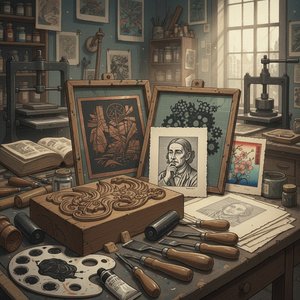
The Enduring Legacy of Printmaking: Techniques, Themes & Artistic Innovation Across Centuries
Explore the rich history of printmaking with OriginalUniqueArt. Discover techniques from intaglio to lithography, learn about collecting valuable prints & find museum-quality reproductions. Expert insights for art enthusiasts and collectors.

Crimson Threads of Narrative: Exploring Symbolism & Representation in Artworks Featuring the Red Dress
Explore the rich symbolism of the red dress in art history! From ancient power displays to iconic portraits like Cézanne’s 'Madame Cezanne', discover the cultural and artistic significance behind this captivating color. Expert analysis & insights.

The Enduring Legacy of Fine Art Prints: Technique, History & Aesthetic Impact
Explore the rich history & techniques of fine art prints. Discover investment potential, assess authenticity, and learn how to preserve your collection with expert guidance. Trusted insights for discerning collectors.

Echoes of Time: Exploring the Enduring Appeal & Historical Context of Vintage Art Prints
Explore the captivating world of vintage art prints! Discover their history, collecting tips & enduring appeal. Expert insights on chromolithography and building a legacy collection with OriginalUniqueArt.


