
 Eelvaade
 Saada
Saada Jaga
Jaga
 Teave teose kohta
 Juhend

 Laadi alla
 Sarnased teosed
 Röntgenuuring
 Slaidietendus
 KÜSIMUSED JA VASTUSID
 Statistika
The Crucifixion

- 269.0 x 307.0 cm


 Loe lähemalt
Giclée / Kunstiprint
Muuseumikvaliteediga giclée- või kangasprint kiire tootmisega ja paindlikud viimistlusvõimalused. ( Osta käsitsi maalatud teos Lülita digitaalse pildi juurde)




P118B €10

P118H €10

P118W €10

P438Z €10

P508JH €12

P508YH €12

P805H €10

P805Z €10

P919BZ €10

P919G €10

P919XJ €10

P959ZH €10

P968JZ €12

W106C €8

W218G €10

W218JH €8

W218Y €10

W307PJ €10

W316G €10

W316PJ €8

W316Y €10

W398PJ €8

W4111J €10

W500HY €15

W500JH €15

W692G €12

W849H €8

W940BG €15

W953PJ €8




Vali meie eelmääratud suurused, mis vastavad teose algupärastele proportsioonidele.

Sisestage vajalik laius ja kõrgus, et see sobiks teie raamile või seinale. Trükki saab ainult lõigata, seda ei saa kunagi pildist suuremaks teha, seega ka erineva mustega suurus kaotab osa pildist. Enne trükkimist saadame teile kinnitamiseks digitaalse näidisprojektsiooni. Sellel lehel näidatud pilt ei kujuta reaalset lõiget — seda näitab ainult näidisprojektsioon.
Ülemaailmne tarne () 2 nädala jooksul, tavalise 4/5 nädala asemel. (9 november)

Tasuta ekspresssaatmine üle maailma

Kõrgekvaliteediline lina-kangas

Täielik transpordikindlustus

Tollimaksude tagastamise garantii

Värvitoime täpsuse garantii

100 päeva tagastusõigus (ainult valmistusdefektide korral)

100% raha tagasi garantii

Hulgusoodustus
 Klaasivalik on saadaval ainult kuni 110 cm suuruses teostes

The Crucifixion
Giclée / Kunstiprint
Reproduktsiooni suurus
-


Koguhind
€ 72
A Vision of Suffering: The Isenheim Altarpiece’s Central Panel
Matthias Grünewald's “The Crucifixion,” a cornerstone of the Isenheim Altarpiece, isn’t merely a depiction of a religious scene; it’s an immersive experience of profound sorrow and spiritual intensity. Completed around 1512-1516 for the Unterlinden Museum in Colmar, France, this panel transcends traditional iconography to deliver a visceral portrayal of Christ's agony – a testament to Grünewald’s mastery of late medieval German art. The painting immediately commands attention with its stark contrasts: the deep, bruised blues and purples of the background against the pallid flesh tones of the central figure, creating an atmosphere thick with despair. It’s a scene deliberately designed to evoke empathy, not through idealized beauty, but through unflinching realism.
Grünewald eschewed the polished elegance favored by Renaissance Italy, instead embracing the expressive power and emotional depth characteristic of Northern European art. He prioritized conveying feeling over precise anatomical detail, resulting in a Christ whose body is contorted with pain, his muscles strained, and his face etched with an almost unbearable suffering. The artist’s use of impasto – thick layers of paint applied directly to the panel – adds texture and dynamism to the scene, emphasizing the physicality of Christ's torment. The rough, unfinished quality of the brushstrokes contributes to a sense of immediacy, as if we are witnessing this event unfold before our very eyes.
Symbolism Woven into Suffering
Beyond its immediate emotional impact, “The Crucifixion” is rich in symbolic meaning. The figure of Christ isn’t presented as a noble martyr but as a profoundly human being experiencing the full weight of his sacrifice. To his left, John the Evangelist, depicted with an expression of anguish and grief, supports the Virgin Mary, who herself embodies sorrow. The presence of Saint Sebastian, traditionally associated with healing through suffering, and Saint Anthony, contemplating God’s will, further underscores the theme of redemption through pain. The lamb at the foot of the cross, a potent symbol of Christ as “the Lamb of God,” reinforces this central theological message.
The inclusion of figures like Mary Magdalene, kneeling in despair, highlights the universal human experience of loss and suffering connected to Christ’s death. Even the background landscape—a desolate, almost apocalyptic scene—contributes to the overall sense of foreboding and spiritual crisis. Grünewald masterfully integrates these symbolic elements into a single, unified composition, creating an artwork that speaks volumes about faith, sacrifice, and the enduring power of human emotion.
Technique and Context: A Masterpiece Forged in Darkness
The Isenheim Altarpiece was created during a period of significant religious upheaval in Europe. The Black Death had ravaged the continent, leaving behind widespread death, disease, and social disruption. This context profoundly shaped Grünewald’s artistic vision. The altarpiece was intended for a hospital dedicated to St. Anthony, where patients suffered from various ailments, including ergotism (St. Anthony's Fire), a debilitating illness characterized by hallucinations and convulsions. The painting’s raw emotional intensity and unflinching depiction of suffering were precisely what the patients needed – a visual reminder of their own mortality and the promise of salvation.
Grünewald employed oil paint on wood, a technique that allowed for rich colors and detailed textures. The use of grisaille (monochrome painting) in the outer panels—featuring saints depicted in shades of gray—contrasts sharply with the vibrant colors of the central panel, further emphasizing its dramatic impact. The altarpiece’s complex folding mechanism – allowing it to be displayed in three different configurations – was a groundbreaking innovation for its time, adding another layer of visual and spiritual complexity.
A Legacy of Emotional Resonance
“The Crucifixion” remains one of the most powerful and moving religious paintings ever created. Its enduring appeal lies not only in Grünewald’s technical skill but also in his ability to capture the essence of human suffering with such profound honesty and empathy. Reproductions of this masterpiece continue to inspire awe and contemplation, offering viewers a glimpse into the heart of medieval faith and artistic expression. It stands as a poignant reminder of Christ's sacrifice and the enduring power of art to connect us to our deepest emotions and spiritual longings.
Korduvad küsimused
Milline „The Crucifixion“, autor Matthias Grünewald trükkimõõt sobib soovitud ruumile?
Teose „The Crucifixion“, autor Matthias Grünewald soovitatav trükimõõt Living Room jaoks on Large.
Mis on originaalteose „The Crucifixion“, autor Matthias Grünewald tehnika ja suurus?
Teose „The Crucifixion“, autor Matthias Grünewald tehnika on Oil On Canvas ning selle mõõdud on 269 x 307 cm.
Millist emotsionaalset toonikut saadab endale kuulutada teose "The Crucifixion" Late Medieval Northern Renaissance stiil?
Late Medieval Northern Renaissance suunangu raames on teos "The Crucifixion" üles seabetud Melancholic toonil.
Kunstniku elulugu
Matthias Grünewaldi Elu ja Pärand
Matthias Grünewald, kodanikunimega Mathis Gothart Neithardt, sündis umbes 1470-1475. aastal Würzburgis Saksamaal ning oli Saksa renessansi oluline figuur. Aastatel, mil Itaalia renessanssi ideed üha rohkem levisid, jäi Grünewald sügavalt juurdunud Kesk-Euroopa hiliskeskaajase kunstipärandisse. Tema varasest elust on vähe teada, kuid on teada, et ta sai kunstniku väljaõppe, tõenäoliselt kohalikes töötubades. Ta ei olnud lihtsalt maalija; Grünewald oli tunnetuste ja vaimsete pingete väljendaja, kes oma loomingus otsis uusi viise religioossete ideede edasiandmiseks.
Kunstiline Areng ja Mõjutused
Grünewaldi kunstilist arengut kujundas valdav Põhja-Euroopa traditsioon, mis rõhutati realism, emotsionaalset intensiivsust ja detailset tähelepanu. Tema tööle on avaldanud mõju Albrecht Dürer ja Martin Schongauer, kuid ta rajas oma unikaalse tee, mida iseloomustas dramaatiline väljendus ja elav värvipalett. Ta ei olnud otseselt seotud Itaalias valitsenud humanismi ringkondadega; tema kunst teenis peamiselt religioosseid eesmärke, peegeldades oma aja vaimseid ärevusi. Tema loomingus puudub itaalia renessansi idealiseeritud ilu ja proportsioonide täiuslikkus – selle asemel leidub ausat inimliku kannatuse ja usu võitlust.
Peamised Teosed ja Kunstiline Stiil
- Isenheimi altarimaal (1512-1516): See meistriteos, mis asub Colmari Musée d'Unterlindenis, peetakse Grünewaldi suurimaks saavutuseks. Maal kujutab Kristuse elu stseene vapustava realismiga, keskendudes eriti kannatusele ja lunastusele.
- Ristilöömine (umbes 1502-1503): Varane teos, mis demonstreerib tema arenevat stiili, näidates intensiivset emotsiooni ja anatoomilisi detaile.
- Neitsi Maarja kuulutus (1512-14): Isenheimi altarimaali jaoks tehtud uuring, mis paljastab tema hoolikat planeerimisprotsessi.
- Mooses (1511): Joonistus, mis rõhutab Grünewaldi oskust tabada väljendusrikkaid figuure ja dramaatilisi poose.
Grünewaldi stiili iseloomustavad:
- Dramaatiline kompositsioon: Ta kasutas dünaamilist paigutust emotsionaalse mõju suurendamiseks.
- Elav värvipalett: Tema intensiivse, sageli kontrastsete värvide kasutamine lõi võimsa visuaalse kogemuse.
- Kannatuse realistlik kujutamine: Grünewald ei kartnud kujutada religioossete narratiividega seotud füüsilist ja emotsionaalset valu. Tema teosed on ausad, kohati šokeerivad oma otsekohesuselt.
- Väljendusrikkad figuurid: Tema figuuridel on tugevad emotsioonid ja psühholoogiline sügavus.
Ajalooline Tähtsus ja Pärand
Grünewaldi töö on tunnistuseks Kesk-Euroopa kunstitraditsiooni püsivast jõust Saksamaal renessansi ajal. Ta sillutas lüüni hiliskeskaajase stiili ja tekkiva renessansi vahel, luues unikaalse visuaalse keele, mis resoneeris tema kaasaegsetega. Tema mõju on näha hilisemates saksa kunstnikes, kes jätkasid religioosse innukuse ja emotsionaalse intensiivsuse teemasid. Kuigi sajandeid pärast tema surma 1528. aastal oli ta suurel määral unustatud, koges Grünewald 19. sajandil renessansi ning tänapäeval tunnustatakse teda kui Saksa renessansi olulist maalikunstnikku. Tema kunst võlub jätkuvalt vaatajaid oma toore emotsiooni, tehnilise briljantsi ja sügava vaimse sügavusega.
Lisalugemist
Avastage rohkem Matthias Grünewaldi elu ja teoseid aadressil: OriginalUniqueArt

Matthias Grünewald
1480 - 1528 , Saksamaa
Lühikest infot
- Kunstiliikumine: Saksa renessanss
- Mõjutanud Kunstnikud:
- Albrecht Dürer
- Martin Schongauer
- Rahvus: Saksa
- Surma Aeg: 1528
- Sünniaeg: umbes 1470-1475
- Sünnikoht: Würzburg, Saksamaa
- Tuntud Teosed:
- Isenheim Altar
- Ristilöömine
- Täisnimi: Matthias Grünewald
- Väljamõjutatud Kunstnikud: Hilised saksa kunstnikud
Sarnased artiklid
Põhja Renessansi 10 Meisterteost: Kunsti ja Sisustamise Klassikat
Avasta Põhja Renessansi 10 ikoonilist meistriteost! Van Eyck, Dürer ja Holbein – nende teoste lugu, kunstnikud ja värvid. Leia inspiratsiooni sisustamiseks ning kaunista oma kodu renessanssi klassikaga. Uuri täielik kollektsioon OriginalUniqueArt.com-is!
Illuminating Belief: A Visual Exploration of Faith Across Artistic Movements & Historical Contexts
Explore the rich history of faith through art! Discover Renaissance masterpieces, iconic artists & religious symbolism with expert analysis from OriginalUniqueArt. Perfect for collectors and enthusiasts.

The Northern Renaissance: A Flourishing of Realism, Religious Reform & Artistic Innovation
Explore the Northern Renaissance! Discover Jan van Eyck's innovations, religious shifts, & key artists of this influential period. Expert analysis and insights into Early Netherlandish painting at OriginalUniqueArt.
Northern Mannerism: The Dramatic Evolution of Renaissance Art and the Mastery of Elegant Distortion
Explore the dramatic evolution of Northern Mannerism. Discover how masters like Bosch and Grünewald transitioned from Renaissance harmony to profound, elegant distortion through an expert analysis of symbolism, emotional intensity, and artistic innovation.
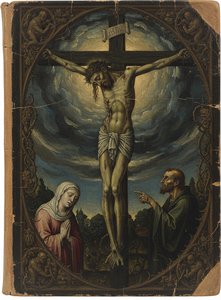
Matthias Grünewald: Devotion, Distortion & Spiritual Turmoil in Renaissance Art
Explore the profound religious art of Matthias Grünewald, master of the Isenheim Altarpiece. Discover his unique expressionism, symbolism & lasting impact on Renaissance painting. A guide for collectors and enthusiasts.


