

 Vaata sisu
 Jaga teost
 Jaga
Jaga
 Detailid
 Õppekate juhend

 Laadi alla
 Sarnased teosed
 Röntgenuuring
 Slaidietendus
 Statistika
The Annunciation
 Oil On Panel
- Northern Renaissance
 1515
1515 269.0 x 141.0 cm
 Musée d’Unterlinden
 Loe lähemalt
Käsitsi valmistatud õlimaalireproduktsioon
Meie kunstnike poolt tellimusel valmistatud käsitsi maalitud õli-kainaste teos teie soovitud suuruses ja raamis. ( Lülita trükkitoodetele Ülemineku digitaalse pildi müügi kanalisse)




P118B €10

P118H €10

P118W €10

P438Z €10

P508JH €12

P508YH €12

P805H €10

P805Z €10

P919BZ €10

P919G €10

P919XJ €10

P959ZH €10

P968JZ €12

W106C €8

W218G €10

W218JH €8

W218Y €10

W307PJ €10

W316G €10

W316PJ €8

W316Y €10

W398PJ €8

W4111J €10

W500HY €15

W500JH €15

W692G €12

W849H €8

W940BG €15

W953PJ €8




Vali meie eelmääratud suurused, mis vastavad teose algupärastele proportsioonidele.

Sisestage vajalik laius ja kõrgus, et teos sobiks teie raamile või seinale. Kuna tegu on käsipainatud teosega, siis erineva kujuga suuruse korral võib kunstnik jätta pildi ümber veidi rohkem marginaali või lõigata osa ära — valik on teie. Enne maali alustamist saadame teile kinnitamiseks digitaalse näidisprojektsiooni. Sellel lehel näidatud pilt ei kajasta tegelikku tulemust — seda näitab ainult näidisprojekttsioon.
Pärast tellimust saadab OriginalUniqueArt.com meeskond kliendile e-posti juhised ning esitab eelvaate kavandi
Maailmline tarne 3–4 nädala jooksul tavalise 5 nädala asemel. (25 oktoober). Kvaliteedis kompromisse ei tehta.

Tasuta ekspresssaatmine üle maailma

Kõrgekvaliteediline lina-kangastest muld

Täielik transpordikindlustus

Tollimaksude tagastamise garantii

Värvitoime täpsuse garantii

100 päeva tagastusõigus (ainult defektide korral)

100% raha tagasi garantii

Hulgusoodustus
 Klaasivalik on saadaval ainult kuni 110 cm suuruses teostes

The Annunciation
Reproduktsiooni materjal
Reproduktsiooni mõõtmed
-


Lõppsumma
€ 263
The Annunciation: A Renaissance Echo of Divine Grace
Matthias Grünewald’s “The Annunciation,” painted in 1515, isn't merely a depiction of a biblical moment; it’s a profound meditation on faith, humility, and the unfolding mystery of God’s plan. Housed within the Musée d’Unterlinden in Colmar, France, this masterpiece transcends its historical context to resonate powerfully with viewers centuries later. Grünewald, a pivotal figure bridging the late medieval and early Renaissance periods, deliberately eschewed the prevailing Italian humanist style, instead drawing upon the rich traditions of Northern European art—a lineage characterized by intense emotionality, meticulous detail, and an unwavering focus on religious narrative.
The scene itself is deceptively simple: the Archangel Gabriel stands to Mary’s right, his flowing robes a vibrant crimson that speaks both of divine authority and passionate urgency. He extends his hand, presenting a lily—a potent symbol of purity and virginity, inextricably linked with Mary's role as the Mother of God. Mary, kneeling gracefully on the left, is rendered in shades of serene blue, reflecting her humility and acceptance of this extraordinary destiny. The architectural setting, reminiscent of a Gothic cathedral’s archway, provides a sense of sacred space—a stage for this pivotal encounter.
A Symphony of Color and Light
Grünewald's mastery lies not just in his composition but also in his innovative use of color and light. The palette is deliberately restrained, dominated by the complementary hues of red and blue – a deliberate choice that amplifies their symbolic weight. The strong, directional light source, originating from the upper left corner, dramatically illuminates Mary’s face, emphasizing her vulnerability and receptiveness to the divine message. This carefully orchestrated lighting creates a palpable sense of depth and drama, drawing the viewer's eye directly to the central figures.
Furthermore, Grünewald employs a technique known as *sfumato*, subtly blurring edges and creating atmospheric effects—a hallmark of Renaissance painting that he skillfully adapted to his own style. This adds an ethereal quality to the scene, suggesting the otherworldly nature of the event unfolding before us. The meticulous detail evident in the drapery, the intricate patterns on the clothing, and the subtle modeling of the figures speaks to Grünewald’s exceptional technical skill and unwavering commitment to realism.
Symbolism Woven into Every Detail
Beyond the immediate narrative, “The Annunciation” is rich with symbolic meaning. The dove hovering above Mary represents the Holy Spirit—the divine breath that will bring forth Christ. The architectural setting itself alludes to the sacredness of the event and the importance of God’s presence in human life. Even the positioning of Gabriel and Mary within the archway can be interpreted symbolically, representing harmony and balance – a visual embodiment of the theological concept of *coincidence of opposites*.
The lily held by Gabriel is not merely a floral emblem; it's a potent reminder of Mary’s virginity and her role as the vessel through which Christ will be born. The careful rendering of each element—from the angel’s wings to Mary’s expression—contributes to a complex tapestry of meaning that invites contemplation and interpretation.
A Timeless Masterpiece: Reproductions Available
“The Annunciation” remains a profoundly moving work of art, captivating viewers with its beauty, drama, and spiritual depth. High-quality reproductions are now available through OriginalUniqueArt, allowing art enthusiasts to bring this iconic masterpiece into their homes or offices. These meticulously crafted oil paintings faithfully capture the essence of Grünewald’s original—a testament to his artistic genius and a timeless reminder of the miracle at the heart of Christian faith. For those seeking to delve deeper into the world of Matthias Grünewald, we encourage you to explore the resources linked below, including detailed images, artist biographies, and related works.
- The Annunciation (detail): /en/art/matthias-grunewald-the-annunciation-detail-8XZGPE-en/
- The Annunciation: /en/art/matthias-grunewald-the-annunciation-8XZGPD-en/
- Matthias Grünewald: /en/artists/matthias-grunewald-en/
- Explore the collection at: https://OriginalUniqueArt.com
- Learn more about the Musée d’Unterlinden: https://en.wikipedia.org/wiki/Mus%C3%A9e_d%27Unterlinden
Küsimused ja vastused
Millissele perioodile Matthias Grünewald karjäärist kuulub teos "The Annunciation"?
Matthias Grünewald loomingus kuulub teos "The Annunciation" perioodi Late Renaissance. See etap aitab seda võrdida kunstniku teiste töödega.
Mis on teose „The Annunciation“, autor Matthias Grünewald tegelik suurus?
Teose „The Annunciation“, autor Matthias Grünewald registreeritud mõõdud on 269 x 141 cm. Reproduktsioone saab tellida muudes mõõdus, säilitades samad proportsioonid.
Millised on teose „The Annunciation“, autor Matthias Grünewald proportsioonid ja millised on selle mõõdud?
Teose „The Annunciation“, autor Matthias Grünewald mõõtmed on 269 x 141 cm ja selle formaat on Tall.
Kunstniku elulugu
Matthias Grünewaldi Elu ja Pärand
Matthias Grünewald, kodanikunimega Mathis Gothart Neithardt, sündis umbes 1470-1475. aastal Würzburgis Saksamaal ning oli Saksa renessansi oluline figuur. Aastatel, mil Itaalia renessanssi ideed üha rohkem levisid, jäi Grünewald sügavalt juurdunud Kesk-Euroopa hiliskeskaajase kunstipärandisse. Tema varasest elust on vähe teada, kuid on teada, et ta sai kunstniku väljaõppe, tõenäoliselt kohalikes töötubades. Ta ei olnud lihtsalt maalija; Grünewald oli tunnetuste ja vaimsete pingete väljendaja, kes oma loomingus otsis uusi viise religioossete ideede edasiandmiseks.
Kunstiline Areng ja Mõjutused
Grünewaldi kunstilist arengut kujundas valdav Põhja-Euroopa traditsioon, mis rõhutati realism, emotsionaalset intensiivsust ja detailset tähelepanu. Tema tööle on avaldanud mõju Albrecht Dürer ja Martin Schongauer, kuid ta rajas oma unikaalse tee, mida iseloomustas dramaatiline väljendus ja elav värvipalett. Ta ei olnud otseselt seotud Itaalias valitsenud humanismi ringkondadega; tema kunst teenis peamiselt religioosseid eesmärke, peegeldades oma aja vaimseid ärevusi. Tema loomingus puudub itaalia renessansi idealiseeritud ilu ja proportsioonide täiuslikkus – selle asemel leidub ausat inimliku kannatuse ja usu võitlust.
Peamised Teosed ja Kunstiline Stiil
- Isenheimi altarimaal (1512-1516): See meistriteos, mis asub Colmari Musée d'Unterlindenis, peetakse Grünewaldi suurimaks saavutuseks. Maal kujutab Kristuse elu stseene vapustava realismiga, keskendudes eriti kannatusele ja lunastusele.
- Ristilöömine (umbes 1502-1503): Varane teos, mis demonstreerib tema arenevat stiili, näidates intensiivset emotsiooni ja anatoomilisi detaile.
- Neitsi Maarja kuulutus (1512-14): Isenheimi altarimaali jaoks tehtud uuring, mis paljastab tema hoolikat planeerimisprotsessi.
- Mooses (1511): Joonistus, mis rõhutab Grünewaldi oskust tabada väljendusrikkaid figuure ja dramaatilisi poose.
Grünewaldi stiili iseloomustavad:
- Dramaatiline kompositsioon: Ta kasutas dünaamilist paigutust emotsionaalse mõju suurendamiseks.
- Elav värvipalett: Tema intensiivse, sageli kontrastsete värvide kasutamine lõi võimsa visuaalse kogemuse.
- Kannatuse realistlik kujutamine: Grünewald ei kartnud kujutada religioossete narratiividega seotud füüsilist ja emotsionaalset valu. Tema teosed on ausad, kohati šokeerivad oma otsekohesuselt.
- Väljendusrikkad figuurid: Tema figuuridel on tugevad emotsioonid ja psühholoogiline sügavus.
Ajalooline Tähtsus ja Pärand
Grünewaldi töö on tunnistuseks Kesk-Euroopa kunstitraditsiooni püsivast jõust Saksamaal renessansi ajal. Ta sillutas lüüni hiliskeskaajase stiili ja tekkiva renessansi vahel, luues unikaalse visuaalse keele, mis resoneeris tema kaasaegsetega. Tema mõju on näha hilisemates saksa kunstnikes, kes jätkasid religioosse innukuse ja emotsionaalse intensiivsuse teemasid. Kuigi sajandeid pärast tema surma 1528. aastal oli ta suurel määral unustatud, koges Grünewald 19. sajandil renessansi ning tänapäeval tunnustatakse teda kui Saksa renessansi olulist maalikunstnikku. Tema kunst võlub jätkuvalt vaatajaid oma toore emotsiooni, tehnilise briljantsi ja sügava vaimse sügavusega.
Lisalugemist
Avastage rohkem Matthias Grünewaldi elu ja teoseid aadressil: OriginalUniqueArt

Matthias Grünewald
1480 - 1528 , Saksamaa
Lühikest infot
- Kunstiliikumine: Saksa renessanss
- Mõjutanud Kunstnikud:
- Albrecht Dürer
- Martin Schongauer
- Rahvus: Saksa
- Surma Aeg: 1528
- Sünniaeg: umbes 1470-1475
- Sünnikoht: Würzburg, Saksamaa
- Tuntud Teosed:
- Isenheim Altar
- Ristilöömine
- Täisnimi: Matthias Grünewald
- Väljamõjutatud Kunstnikud: Hilised saksa kunstnikud
Sarnased artiklid
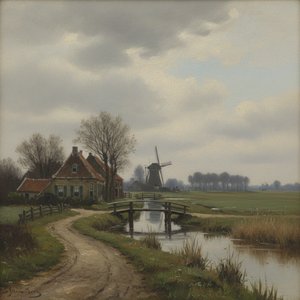
Jacob Henricus Maris: A Master of Dutch Atmospheric Realism & the Intimate Landscape
Explore the captivating world of Jacob Henricus Maris, a leading figure of the Dutch Hague School. Discover his atmospheric landscapes, signature brushstrokes & lasting influence on 19th-century art. Learn more at OriginalUniqueArt.
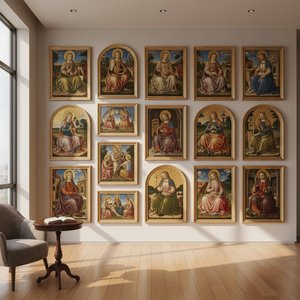
Fra Angelico: 25 meistriteost, mis täidavad kodu vaimsust ja ilu
Avastage Fra Angelico 25 võrratut meistriteost! Sukelduge renessansi kunstimaailma, religioossete freskode ja altarimaalide lummusesse. Leidke inspiratsiooni kodukaunistuseks OriginalUniqueArt.com-is – kvaliteetsed reproduktsioonid otse teie seinale. Vaadake kogu kollektsiooni online!
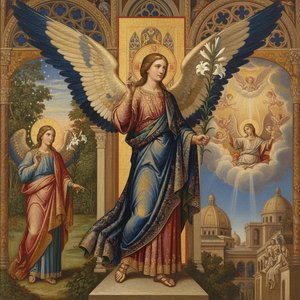
Divine Messengers: A Curated Guide to the Iconography of Angel Gabriel in Art History
Explore the profound beauty of Angel Gabriel in art history. From Renaissance masterpieces to Baroque splendor, our expert guide delves into the sacred iconography and timeless techniques of these divine messengers for the discerning art enthusiast.

Dante Gabriel Rossetti 25 parimat teost: kunstiline pärand ja kodukaunistuse inspiratsioon
Avastage Dante Gabriel Rossetti 25 parimat teost! Sukeldume viktoriaanliku romantika ja Pre-Raphaelite kunstiliikumise maailma. Leidke inspiratsiooni kodukaunistuseks ning ostke kvaliteetseid Rossetti reproduktsioone OriginalUniqueArt.com-is. Avastage kogu kollektsioon online!
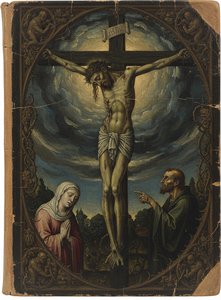
Matthias Grünewald: Devotion, Distortion & Spiritual Turmoil in Renaissance Art
Explore the profound religious art of Matthias Grünewald, master of the Isenheim Altarpiece. Discover his unique expressionism, symbolism & lasting impact on Renaissance painting. A guide for collectors and enthusiasts.


