
 Eelvaade
 Saada
Saada Jaga
Jaga
 Teave teose kohta
 Juhend

 Laadi alla
 Sarnased teosed
 Röntgenuuring
 Slaidietendus
 KÜSIMUSED JA VASTUSID
 Statistika
St Sebastian

- 232.0 x 76.0 cm


 Loe lähemalt
Giclée / Kunstiprint
Muuseumikvaliteediga giclée- või kangasprint kiire tootmisega ja paindlikud viimistlusvõimalused. ( Osta käsitsi maalatud teos Lülita digitaalse pildi juurde)




P118B €10

P118H €10

P118W €10

P438Z €10

P508JH €12

P508YH €12

P805H €10

P805Z €10

P919BZ €10

P919G €10

P919XJ €10

P959ZH €10

P968JZ €12

W106C €8

W218G €10

W218JH €8

W218Y €10

W307PJ €10

W316G €10

W316PJ €8

W316Y €10

W398PJ €8

W4111J €10

W500HY €15

W500JH €15

W692G €12

W849H €8

W940BG €15

W953PJ €8




Vali meie eelmääratud suurused, mis vastavad teose algupärastele proportsioonidele.

Sisestage vajalik laius ja kõrgus, et see sobiks teie raamile või seinale. Trükki saab ainult lõigata, seda ei saa kunagi pildist suuremaks teha, seega ka erineva mustega suurus kaotab osa pildist. Enne trükkimist saadame teile kinnitamiseks digitaalse näidisprojektsiooni. Sellel lehel näidatud pilt ei kujuta reaalset lõiget — seda näitab ainult näidisprojektsioon.
Ülemaailmne tarne () 2 nädala jooksul, tavalise 4/5 nädala asemel. (6 november)

Tasuta ekspresssaatmine üle maailma

Kõrgekvaliteediline lina-kangas

Täielik transpordikindlustus

Tollimaksude tagastamise garantii

Värvitoime täpsuse garantii

100 päeva tagastusõigus (ainult valmistusdefektide korral)

100% raha tagasi garantii

Hulgusoodustus
 Klaasivalik on saadaval ainult kuni 110 cm suuruses teostes

St Sebastian
Giclée / Kunstiprint
Reproduktsiooni suurus
-


Koguhind
€ 72
A Vision of Martyrdom and Grace
In the quiet corridors of the Musée d'Unterlinden, there exists a painting that does not merely depict a scene, but breathes with the raw, unshielded intensity of human suffering and divine resilience. Matthias Grünewald’s St Sebastian, completed around 1515, is far more than a religious icon; it is a profound psychological landscape. At first glance, the viewer is struck by the visceral reality of the figure—a man caught in the agonizing intersection of physical torment and spiritual transcendence. Unlike many Renaissance depictions that favor idealized, classical beauty, Grünewald embraces a Northern European tradition of unflinching realism. The saint’s body, pierced by arrows, serves as a canvas for an exploration of pain, yet there is an undeniable elegance in his posture that suggests a soul already beginning its ascent toward the divine.
The composition is a masterclass in dramatic tension and atmospheric depth. Grünewald utilizes a somber, dark interior to push the figure of St. Sebastian into the immediate foreground, creating an intimacy that feels almost intrusive. Light plays a pivotal role here, streaming from a window on the left to sculpt the musculature of the torso and illuminate the wounds with a haunting clarity. This use of chiaroscuro—the dramatic interplay of light and shadow—does more than create three-dimensional form; it directs the viewer's emotional journey, pulling our eyes toward the crimson marks of martyrdom. The presence of a delicate vase of flowers on the periphery offers a poignant contrast, a fleeting whisper of natural beauty set against the heavy, eternal weight of the saint's sacrifice.
The Language of Symbolism and Technique
To gaze upon this masterpiece is to read a complex language of symbols deeply rooted in the late medieval and early Northern Renaissance consciousness. Each arrow embedded in the flesh is not merely a weapon of execution but a symbol of the piercing nature of faith and the shared suffering of Christ. The vibrant yet subdued palette, dominated by earthy tones and punctuated by sudden, startling flashes of red, mirrors the biological reality of blood and wound. Grünew nwald’s technique involves a meticulous layering of oil paint that creates an illusionistic surface, allowing the textures of skin, fabric, and light to feel palpably real. His brushwork, while precise in anatomical detail, possesses a rhythmic energy that captures the very vibration of life under duress.
For the discerning collector or interior designer, a reproduction of this work offers more than mere decoration; it provides a focal point of profound intellectual and emotional gravity. The painting’s ability to command a room lies in its duality—it is simultaneously unsettling and deeply comforting. It invites contemplation on themes of endurance, the beauty found within struggle, and the transformative power of devotion. Whether placed in a curated gallery setting or as a centerpiece in a sophisticated study, St Sebastian serves as a timeless testament to the human spirit's capacity to endure the unimaginable and emerge with a quiet, luminous dignity.
Korduvad küsimused
Millal loodi teos "St Sebastian"?
Teos „St Sebastian“, autor Matthias Grünewald loodi aastal 1515.
Kust teose „St Sebastian“, autor Matthias Grünewald külastajad pärit on?
Teose "St Sebastian" jaoks on olemas Statistika leht. See kajastab teose ja kunstniku teiste teoste kuutlikke külastusi riigi ja keele järgi lahutatud statistikaga.
Kas saan teost "St Sebastian" lähemalt uurida?
Teost "St Sebastian" saab uurida kiht kihti teose Röntgenuuring lehel, mis on restauraatori valgelaudast inspireeritud interaktiivne vaatur, pakkudes kujundist üksteist optilist lugemist.
Kunstniku elulugu
Matthias Grünewaldi Elu ja Pärand
Matthias Grünewald, kodanikunimega Mathis Gothart Neithardt, sündis umbes 1470-1475. aastal Würzburgis Saksamaal ning oli Saksa renessansi oluline figuur. Aastatel, mil Itaalia renessanssi ideed üha rohkem levisid, jäi Grünewald sügavalt juurdunud Kesk-Euroopa hiliskeskaajase kunstipärandisse. Tema varasest elust on vähe teada, kuid on teada, et ta sai kunstniku väljaõppe, tõenäoliselt kohalikes töötubades. Ta ei olnud lihtsalt maalija; Grünewald oli tunnetuste ja vaimsete pingete väljendaja, kes oma loomingus otsis uusi viise religioossete ideede edasiandmiseks.
Kunstiline Areng ja Mõjutused
Grünewaldi kunstilist arengut kujundas valdav Põhja-Euroopa traditsioon, mis rõhutati realism, emotsionaalset intensiivsust ja detailset tähelepanu. Tema tööle on avaldanud mõju Albrecht Dürer ja Martin Schongauer, kuid ta rajas oma unikaalse tee, mida iseloomustas dramaatiline väljendus ja elav värvipalett. Ta ei olnud otseselt seotud Itaalias valitsenud humanismi ringkondadega; tema kunst teenis peamiselt religioosseid eesmärke, peegeldades oma aja vaimseid ärevusi. Tema loomingus puudub itaalia renessansi idealiseeritud ilu ja proportsioonide täiuslikkus – selle asemel leidub ausat inimliku kannatuse ja usu võitlust.
Peamised Teosed ja Kunstiline Stiil
- Isenheimi altarimaal (1512-1516): See meistriteos, mis asub Colmari Musée d'Unterlindenis, peetakse Grünewaldi suurimaks saavutuseks. Maal kujutab Kristuse elu stseene vapustava realismiga, keskendudes eriti kannatusele ja lunastusele.
- Ristilöömine (umbes 1502-1503): Varane teos, mis demonstreerib tema arenevat stiili, näidates intensiivset emotsiooni ja anatoomilisi detaile.
- Neitsi Maarja kuulutus (1512-14): Isenheimi altarimaali jaoks tehtud uuring, mis paljastab tema hoolikat planeerimisprotsessi.
- Mooses (1511): Joonistus, mis rõhutab Grünewaldi oskust tabada väljendusrikkaid figuure ja dramaatilisi poose.
Grünewaldi stiili iseloomustavad:
- Dramaatiline kompositsioon: Ta kasutas dünaamilist paigutust emotsionaalse mõju suurendamiseks.
- Elav värvipalett: Tema intensiivse, sageli kontrastsete värvide kasutamine lõi võimsa visuaalse kogemuse.
- Kannatuse realistlik kujutamine: Grünewald ei kartnud kujutada religioossete narratiividega seotud füüsilist ja emotsionaalset valu. Tema teosed on ausad, kohati šokeerivad oma otsekohesuselt.
- Väljendusrikkad figuurid: Tema figuuridel on tugevad emotsioonid ja psühholoogiline sügavus.
Ajalooline Tähtsus ja Pärand
Grünewaldi töö on tunnistuseks Kesk-Euroopa kunstitraditsiooni püsivast jõust Saksamaal renessansi ajal. Ta sillutas lüüni hiliskeskaajase stiili ja tekkiva renessansi vahel, luues unikaalse visuaalse keele, mis resoneeris tema kaasaegsetega. Tema mõju on näha hilisemates saksa kunstnikes, kes jätkasid religioosse innukuse ja emotsionaalse intensiivsuse teemasid. Kuigi sajandeid pärast tema surma 1528. aastal oli ta suurel määral unustatud, koges Grünewald 19. sajandil renessansi ning tänapäeval tunnustatakse teda kui Saksa renessansi olulist maalikunstnikku. Tema kunst võlub jätkuvalt vaatajaid oma toore emotsiooni, tehnilise briljantsi ja sügava vaimse sügavusega.
Lisalugemist
Avastage rohkem Matthias Grünewaldi elu ja teoseid aadressil: OriginalUniqueArt

Matthias Grünewald
1480 - 1528 , Saksamaa
Lühikest infot
- Kunstiliikumine: Saksa renessanss
- Mõjutanud Kunstnikud:
- Albrecht Dürer
- Martin Schongauer
- Rahvus: Saksa
- Surma Aeg: 1528
- Sünniaeg: umbes 1470-1475
- Sünnikoht: Würzburg, Saksamaa
- Tuntud Teosed:
- Isenheim Altar
- Ristilöömine
- Täisnimi: Matthias Grünewald
- Väljamõjutatud Kunstnikud: Hilised saksa kunstnikud
Sarnased artiklid

Alte Pinakothek: 25 meistriteost Münchenis – Kunstikollektsioon teie interjööri
Avastage Alte Pinakothek Müncheni 25 suurimat meistriteost! Sukeldume renessansi, baroki ja klassikalise kunsti maailma. Leonardo da Vinci, Rubens ja teised – leidke inspiratsiooni interjööri kujunduseks OriginalUniqueArt.com-is. Vaadake kollektsiooni!
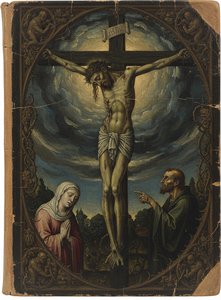
Matthias Grünewald: Devotion, Distortion & Spiritual Turmoil in Renaissance Art
Explore the profound religious art of Matthias Grünewald, master of the Isenheim Altarpiece. Discover his unique expressionism, symbolism & lasting impact on Renaissance painting. A guide for collectors and enthusiasts.

El Greco 25 parimat teost: Hingemattev kunst kollektsioon OriginalUniqueArt.com-is
Avastage El Greco 25 parimat teost! Sukelduge hispaania renessansi ja baroki maailma. Vaadake ikoonilisi maale nagu St Sebastian, Laagendatud Maria ja palju muud. Leidke täiuslik kunstiteos oma kodule OriginalUniqueArt.com-is – kvaliteetsed reproduktsioonid ja inspiratsioon interjööridisainiks. Avastage kogu
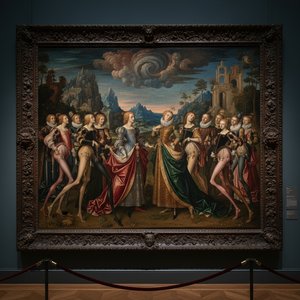
Northern Mannerism: The Dramatic Evolution of Renaissance Art and the Mastery of Elegant Distortion
Explore the dramatic evolution of Northern Mannerism. Discover how masters like Bosch and Grünewald transitioned from Renaissance harmony to profound, elegant distortion through an expert analysis of symbolism, emotional intensity, and artistic innovation.

The Northern Renaissance: A Flourishing of Realism, Religious Reform & Artistic Innovation
Explore the Northern Renaissance! Discover Jan van Eyck's innovations, religious shifts, & key artists of this influential period. Expert analysis and insights into Early Netherlandish painting at OriginalUniqueArt.


