() ·

A painting made for you, by hand

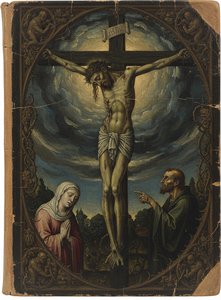
Crucifixion

Käsitsi valmistatud õlimaalireproduktsioon

Meie kunstnike poolt tellimusel valmistatud käsitsi maalitud õli-kainaste teos teie soovitud suuruses ja raamis. ( Lülita trükkitoodetele Lülita digitaalse pildi juurde)

Kogumisobjekti kirjeldus

Experience Matthias Grünewald's powerful 'Crucifixion' (1501), a stark black & white drawing from the Isenheim Altarpiece, showcasing intense emotion and masterful realism of Christ’s suffering.

Kunstniku elulugu

Avastage Matthias Grünewaldi dramaatilist Saksamaa renessansi kunsti! Tuntud Isenheimi altarimaali ja emotsionaalselt võimsa religioosse maalimise poolest. Tutvuge tema unikaalse stiiliga saidil OriginalUniqueArt.

from ·

Chapter 1

How large should it be?

Slide to change the size; the picture on the left shows the frame at its real width. The proportions of the original are kept.

Standardne suurus
kohandatud
CM
INCH

Vali meie eelmääratud suurused, mis vastavad teose algupärastele proportsioonidele.

laius
kõrgus

Sisestage vajalik laius ja kõrgus, et teos sobiks teie raamile või seinale. Kuna tegu on käsipainatud teosega, siis erineva kujuga suuruse korral võib kunstnik jätta pildi ümber veidi rohkem marginaali või lõigata osa ära — valik on teie. Enne maali alustamist saadame teile kinnitamiseks digitaalse näidisprojektsiooni. Sellel lehel näidatud pilt ei kajasta tegelikku tulemust — seda näitab ainult näidisprojektsioon.

Chapter 2

How should it arrive?

Choose the edges of the stretched canvas

Choose your frame

Corner sample of the WhiteWrap canvas edge finish, stretched on massivpuit bars
White €1
Corner sample of the BlurSideWrap canvas edge finish, stretched on massivpuit bars
Blurside €1
Corner sample of the ExtendedWrap canvas edge finish, stretched on massivpuit bars
Extended €1
Corner sample of the P118B picture frame: vormitud polüstüreen, 5 cm wide and 3 cm thick
P118B €10
Corner sample of the P118H picture frame: vormitud polüstüreen, 5 cm wide and 3 cm thick
P118H €10
Corner sample of the P118W picture frame: vormitud polüstüreen, 5 cm wide and 3 cm thick
P118W €10
Corner sample of the P438Z picture frame: vormitud polüstüreen, 5.5 cm wide and 3.5 cm thick
P438Z €10
Corner sample of the P508JH picture frame: vormitud polüstüreen, 7 cm wide and 3.5 cm thick
P508JH €12
Corner sample of the P508YH picture frame: vormitud polüstüreen, 7 cm wide and 3.5 cm thick
P508YH €12
Corner sample of the P805H picture frame: vormitud polüstüreen, 5 cm wide and 3.5 cm thick
P805H €10
Corner sample of the P805Z picture frame: vormitud polüstüreen, 5 cm wide and 3.5 cm thick
P805Z €10
Corner sample of the P919BZ picture frame: vormitud polüstüreen, 7 cm wide and 3.5 cm thick
P919BZ €10
Corner sample of the P919G picture frame: vormitud polüstüreen, 7 cm wide and 3.5 cm thick
P919G €10
Corner sample of the P919XJ picture frame: vormitud polüstüreen, 7 cm wide and 3.5 cm thick
P919XJ €10
Corner sample of the P959ZH picture frame: vormitud polüstüreen, 5 cm wide and 3 cm thick
P959ZH €10
Corner sample of the P968JZ picture frame: vormitud polüstüreen, 6 cm wide and 4 cm thick
P968JZ €12
Corner sample of the W106C picture frame: massivpuit, 5 cm wide and 3 cm thick
W106C €8
Corner sample of the W218G picture frame: massivpuit, 5 cm wide and 3 cm thick
W218G €10
Corner sample of the W218JH picture frame: massivpuit, 5 cm wide and 3 cm thick
W218JH €8
Corner sample of the W218Y picture frame: massivpuit, 5 cm wide and 3 cm thick
W218Y €10
Corner sample of the W307PJ picture frame: massivpuit, 6 cm wide and 3 cm thick
W307PJ €10
Corner sample of the W316G picture frame: massivpuit, 6 cm wide and 3 cm thick
W316G €10
Corner sample of the W316PJ picture frame: massivpuit, 6 cm wide and 3 cm thick
W316PJ €8
Corner sample of the W316Y picture frame: massivpuit, 6 cm wide and 3 cm thick
W316Y €10
Corner sample of the W398PJ picture frame: massivpuit, 5 cm wide and 3 cm thick
W398PJ €8
Corner sample of the W4111J picture frame: massivpuit, 6.5 cm wide and 3.5 cm thick
W4111J €10
Corner sample of the W500HY picture frame: massivpuit, 7 cm wide and 5 cm thick
W500HY €15
Corner sample of the W500JH picture frame: massivpuit, 7 cm wide and 5 cm thick
W500JH €15
Corner sample of the W692G picture frame: massivpuit, 8 cm wide and 4 cm thick
W692G €12
Corner sample of the W849H picture frame: massivpuit, 5 cm wide and 3 cm thick
W849H €8
Corner sample of the W940BG picture frame: massivpuit, 7.5 cm wide and 4.5 cm thick
W940BG €15
Corner sample of the W953PJ picture frame: massivpuit, 6 cm wide and 3.5 cm thick
W953PJ €8
Corner sample of the H24-GOLD picture frame: kareeritud puit ja gesso, 10 cm wide and 6 cm thick
H24-GOLD €30
Corner sample of the H24-SILVER picture frame: kareeritud puit ja gesso, 10 cm wide and 6 cm thick
H24-SILVER €30
Corner sample of the H36-GOLD picture frame: kareeritud puit ja gesso, 15 cm wide and 6.5 cm thick
H36-GOLD €45
Corner sample of the H36-SILVER picture frame: kareeritud puit ja gesso, 15 cm wide and 6.5 cm thick
H36-SILVER €45
Raami eelvaade
Raamitud

Moulding: . Overall size with the frame: .

Chapter 3

Who paints it, and should anything change?

Examples of what can be changed: Replace face with customer photo; Add pet (e.g., replace cat with dog); Include hidden message in background; Change background landscape or elements.
After order, OriginalUniqueArt.com team will email client for instructions and provide a mockup preview

Maailmline tarne 3–4 nädala jooksul tavalise 5 nädala asemel. (2 november). Kvaliteedis kompromisse ei tehta.

Chapter 4

The finishing touches

A nameplate, as in a museum?

Graveeritud pronksplaadi üksikasjad

This elegant plaque features the artist's name and the title of the artwork, finely engraved for a timeless presentation.

It is made from bronze with a refined, elegant finish. The text is precisely laser-engraved for a sharp and permanent result. Measuring 9x2 cm, the plaque is compact yet easy to read. It's built to be durable and scratch-resistant, offering a professional, museum-quality look. Mounting is simple thanks to the included adhesive backing.

Läbipaistva akrüülplaadi üksikasjad

The plaque includes essential engraved details such as the artist's name, the title of the artwork, the date it was created, the type of media used-like oil on canvas or watercolor-a brief description of the piece, and a QR code that links to the complete artwork information.

It is crafted from clear acrylic, offering a sleek, modern appearance. The text is UV-engraved in black to ensure strong visual contrast. With a size of 10x15 cm, it ensures optimal readability. It comes equipped with two metal hooks for secure wall mounting. The plaque is designed to be weather-resistant, making it suitable for various environments, and it includes interactive features that work seamlessly with smartphone scanning.

Musta akrüülplaadiรายละเอียด (Note: The user provided "Musta akrüülplaadi detailid" as the current translation and asked for an improved version. Since "Musta akrüülplaadi

This elegant plaque includes engraved information such as the artist's name, the title of the artwork, the date it was created, the type of media used (like oil on canvas or watercolor), a short description of the artwork, and a QR code for quick access to more information.

The plaque itself is made from refined black acrylic with a premium finish. The text is laser-engraved in white for high contrast and readability. Its size is 10x15 cm, designed to be easy to read. It comes with two metal hooks for professional mounting. The design is sleek and fits any interior style. It is also weather-resistant and durable, with built-in digital integration for mobile compatibility.

A protective varnish?

When do you need it?

Chapter 5

Your painting, as you ordered it

Crucifixion

Reproduktsiooni tehnika

Reproduktsiooni suurus

-

Eelistatud tippkunstnik

Rohkem detaile, peenust ja lisatootmisaega

-

Reproduktsiooni raamivalikud

-

-

Kunstiteoste või reproduktsioonide puhul, mille üks külg on üle 105 cm (umbikmolt 41 tolli), saadetakse raam kirjal asendis, la Dismantlitud komplektina. See meetod tagab ohutuse kohaletoimetamisel ja väldib transpordil tekkivaid kahjustusi.

Vajalik professionaalne kokkupanek – see ei ole isetegevusega valmistamiseks mõeldud toode.
Komplekt tuleb kokku panna ja lõvet pingutada kogemusega professionaalse raamija, kasutades puiduliim (ei kuulu komplekti), lõvetpingi ja klempe, et hoida raami kande mustad õigena liimi kuivamisaja jooksul. Vale kokkupanek või ebaühtlane lõvetping võib kunstiteost püsivalt kahjustada ning seda ei katta meie garantii.

  • Kaasatud on kõik tahked puidust liistud, täpselt lõigatud vastavaks suuruseks.

  • Kokku panemiseks kasutatakse lisatud kruvisid ning nurkade liimamiseks vajalikku puuliima, mida ei ole komplektis ja mida peab raamivalmistaja ise hankima.

  • Vajalik on kasutada professionaalseid tööriistu, mis ei kuulu komplekti: lõvetelapide pingist (pingutaja) ja klambreid, et hoida raami puidu nurgas õigena liimi kuivamisaja jooksul.

Oluline:
Nurgaliimamiseks on vaja puiduliim, liimimine peab toimuma klempide all kuni liim on täielikult kuivanud ning kokku monteeritud raami kanga pingutamiseks on vajalik kanga pingutustang. Kumbki neist ei kuulu komplekti. Palun veenduge enne selle suuruse tellimist, et teil on saadaval kogenud professionaalne raamistaja.

Nimesildikiri

-

-

Kaitsevärnitsus

Läikiv lakk (muudab värvid elavamaks ning kaitseb valgust ja niiskust eest)

-

Kohanda oma teost

Näiteid muudatuste kohta: Asenda nägu kliendi fotoga; Lisa lemmikloom (nt asenda kass koeraga); Lisa taustale peidetud sõnum; Muuda tausta maastikku või elemente.

-

Kiire tarne

Ülemaailmne tarne riiki 3–4 nädalaga tavalise 5 nädala asemel. (2 november). Kvaliteedis kompromisse ei tehta.

-

Kiirsaatmine

Ülemaailmne tarne () 5 nädala jooksul. (9 november).

Sisse kuuluv

Koguhind

€ 267

Kogu summa € 267

Klaasivalik on saadaval ainult kuni 110 cm suuruses teostes

Included with every order

  • Tasuta ekspresssaatmine üle maailma
  • Kõrgekvaliteediline lina-kangas
  • Täielik transpordikindlustus
  • Tollimaksude tagastamise garantii
  • Värvitoime täpsuse garantii
  • 100 päeva tagastusõigus (ainult valmistusdefektide korral)
  • 100% raha tagasi garantii
  • Hulgusoodustus

A Glimpse into the Soul of a Master: The Crucifixion by Matthias Grünewald

Matthias Grünewald’s “Crucifixion,” painted around 1501, isn't merely a depiction of a pivotal moment in Christian history; it’s an immersive experience—a visceral plunge into the depths of human suffering and profound spiritual contemplation. Born in Würzburg around 1470, Grünewald stood as a bridge between the vibrant hues and dynamic compositions of the late medieval period and the burgeoning realism of the early Renaissance. Unlike his Italian contemporaries who embraced classical ideals, Grünewald remained firmly rooted in the traditions of Northern Europe, imbuing his work with an intensely emotional quality that continues to resonate centuries later. This particular “Crucifixion” – a panel from the Isenheim Altarpiece – is a testament to this devotion, a stark and unforgettable image born not of idealized beauty but of raw, unvarnished truth.

The painting immediately commands attention with its deliberate monochrome palette. Shades of grey—ranging from near-white highlights on Christ’s body to deep, impenetrable blacks in the shadows—create an atmosphere of profound solemnity and dramatic intensity. This restricted color scheme isn't a limitation; it’s a strategic choice that amplifies the emotional impact, stripping away any distractions and forcing the viewer to confront the brutal reality of the scene. The composition itself is powerfully vertical, emphasizing the height of the cross—a symbol of both Christ’s sacrifice and humanity’s fall. Christ's torso and limbs are centrally positioned, drawing the eye directly to his suffering, while the truncated base of the cross subtly suggests a sense of confinement and vulnerability.

The Language of Line and Texture: Technique and Craftsmanship

Grünewald’s mastery lies not just in his understanding of color and composition but also in his meticulous technique. The painting is executed primarily through hatching and cross-hatching—a method of creating tonal variations by layering lines of differing densities. This painstaking process generates a remarkable sense of texture, allowing the artist to convincingly simulate the rough grain of the wooden cross, the folds of Christ’s loincloth, and even the thorny crown piercing his head. The musculature of Christ's body is rendered with astonishing anatomical accuracy, reflecting Grünewald’s deep observation of human form—a hallmark of Northern Renaissance art. The strong, defined lines delineate every contour, creating a sense of both vulnerability and immense strength.

Furthermore, the artist employs subtle shifts in value to create depth and volume. The highlights on Christ's body draw attention to his wounds, while the shadows accentuate the contours of his form, lending him an almost sculptural quality. The overall effect is one of intense realism—a deliberate departure from the idealized representations common in Italian Renaissance art. This commitment to portraying suffering with unflinching honesty speaks volumes about Grünewald’s artistic vision and his profound engagement with the subject matter.

Symbolism, Suffering, and Spiritual Resonance

Beyond its technical brilliance, “The Crucifixion” is rich in symbolic meaning. The starkness of the image—the absence of color, the brutal depiction of Christ’s suffering—serves to heighten the emotional impact and underscore the profound spiritual weight of the scene. Christ's emaciated body, riddled with wounds and pierced by nails, embodies the ultimate sacrifice for humanity’s sins. The surrounding figures – Saint Sebastian, Saint Anthony, Mary Magdalene, and John the Baptist – each contribute to the narrative, representing themes of martyrdom, compassion, repentance, and divine grace. The inclusion of John the Baptist pointing towards Christ is a clear reference to the Gospel accounts, emphasizing the significance of his sacrifice as the fulfillment of prophecy.

The painting’s origins within the Isenheim Altarpiece—a work designed for a hospital dedicated to treating plague sufferers—add another layer of meaning. Grünewald's choice of monochrome and his unflinching portrayal of suffering were intended to provide comfort and solace to those afflicted with illness, reminding them that Christ shared in their pain and offered hope amidst despair. “The Crucifixion” is therefore not simply a historical depiction but a powerful meditation on faith, suffering, and redemption—a timeless masterpiece that continues to move viewers centuries after its creation.

Further Research: For more detailed information, consider visiting the National Gallery of Art’s website for a high-resolution image and accompanying text. You can also explore Wikipedia’s entry on Matthias Grünewald for biographical details and historical context, or delve into articles like “Crucifixion, by Matthias Grünewald” on Christian Century.

Korduvad küsimused

Kust saan leida sarnaseid teoseid kui „Crucifixion“, autor Matthias Grünewald?

Teosed, mis sarnanevad teosega „Crucifixion“, autor Matthias Grünewald, on koondatud selle teose lehel Sarnased teosed.

Millist tehnikat teose "Crucifixion" valmistamisel kasutati ja millal see loodi?

Teos "Crucifixion" valmis aastal 1502, kasutades Acrylic On Canvas tehnikat. Materjal ja kuupäev kirjeldavad, kuidas ja millal originaal on valminud.

Kas teose „Crucifixion“, autor Matthias Grünewald autoriõigused lubavad selle reproduktsiooni?

Teos „Crucifixion“, autor Matthias Grünewald, mis asub Staatliche Kunsthalle Karlsruhe kogumuses, kuulub lubaõigusliku ala kategoria avalikus õiguses – selle autoriõigud onหมดunud. See staatus määravad, kas teose reproduktsioone on lubatud valmistada.

More about this painting

Eelvaade AR-eelvaade Lülita trükkitoodetele Lülita digitaalse pildi juurde Saada
Teave teose kohta Juhend Lisa lemmikutesse Laadi alla Sarnased teosed Röntgenuuring Slaidietendus Q&A Statistika

In numbers

  • 1502the year it was painted
  • 29frames to choose from
  • standard sizes, in its own proportions
  • 5weeks to paint and deliver it
Matthias Grünewald

Matthias Grünewald

1480 - 1528, Saksamaa

Quick facts about Matthias Grünewald

  • Kunstiliikumine: Saksa renessanss
  • Mõjutanud Kunstnikud:
    • Albrecht Dürer
    • Martin Schongauer
  • Rahvus: Saksa
  • Surma Aeg: 1528
  • Sünniaeg: umbes 1470-1475
  • Sünnikoht: Würzburg, Saksamaa
  • Tuntud Teosed:
    • Isenheim Altar
    • Ristilöömine
  • Täisnimi: Matthias Grünewald
  • Väljamõjutatud Kunstnikud: Hilised saksa kunstnikud

Kunstniku elulugu

Matthias Grünewaldi Elu ja Pärand

Matthias Grünewald, kodanikunimega Mathis Gothart Neithardt, sündis umbes 1470-1475. aastal Würzburgis Saksamaal ning oli Saksa renessansi oluline figuur. Aastatel, mil Itaalia renessanssi ideed üha rohkem levisid, jäi Grünewald sügavalt juurdunud Kesk-Euroopa hiliskeskaajase kunstipärandisse. Tema varasest elust on vähe teada, kuid on teada, et ta sai kunstniku väljaõppe, tõenäoliselt kohalikes töötubades. Ta ei olnud lihtsalt maalija; Grünewald oli tunnetuste ja vaimsete pingete väljendaja, kes oma loomingus otsis uusi viise religioossete ideede edasiandmiseks.

Kunstiline Areng ja Mõjutused

Grünewaldi kunstilist arengut kujundas valdav Põhja-Euroopa traditsioon, mis rõhutati realism, emotsionaalset intensiivsust ja detailset tähelepanu. Tema tööle on avaldanud mõju Albrecht Dürer ja Martin Schongauer, kuid ta rajas oma unikaalse tee, mida iseloomustas dramaatiline väljendus ja elav värvipalett. Ta ei olnud otseselt seotud Itaalias valitsenud humanismi ringkondadega; tema kunst teenis peamiselt religioosseid eesmärke, peegeldades oma aja vaimseid ärevusi. Tema loomingus puudub itaalia renessansi idealiseeritud ilu ja proportsioonide täiuslikkus – selle asemel leidub ausat inimliku kannatuse ja usu võitlust.

Peamised Teosed ja Kunstiline Stiil

  • Isenheimi altarimaal (1512-1516): See meistriteos, mis asub Colmari Musée d'Unterlindenis, peetakse Grünewaldi suurimaks saavutuseks. Maal kujutab Kristuse elu stseene vapustava realismiga, keskendudes eriti kannatusele ja lunastusele.
  • Ristilöömine (umbes 1502-1503): Varane teos, mis demonstreerib tema arenevat stiili, näidates intensiivset emotsiooni ja anatoomilisi detaile.
  • Neitsi Maarja kuulutus (1512-14): Isenheimi altarimaali jaoks tehtud uuring, mis paljastab tema hoolikat planeerimisprotsessi.
  • Mooses (1511): Joonistus, mis rõhutab Grünewaldi oskust tabada väljendusrikkaid figuure ja dramaatilisi poose.

Grünewaldi stiili iseloomustavad:

  • Dramaatiline kompositsioon: Ta kasutas dünaamilist paigutust emotsionaalse mõju suurendamiseks.
  • Elav värvipalett: Tema intensiivse, sageli kontrastsete värvide kasutamine lõi võimsa visuaalse kogemuse.
  • Kannatuse realistlik kujutamine: Grünewald ei kartnud kujutada religioossete narratiividega seotud füüsilist ja emotsionaalset valu. Tema teosed on ausad, kohati šokeerivad oma otsekohesuselt.
  • Väljendusrikkad figuurid: Tema figuuridel on tugevad emotsioonid ja psühholoogiline sügavus.

Ajalooline Tähtsus ja Pärand

Grünewaldi töö on tunnistuseks Kesk-Euroopa kunstitraditsiooni püsivast jõust Saksamaal renessansi ajal. Ta sillutas lüüni hiliskeskaajase stiili ja tekkiva renessansi vahel, luues unikaalse visuaalse keele, mis resoneeris tema kaasaegsetega. Tema mõju on näha hilisemates saksa kunstnikes, kes jätkasid religioosse innukuse ja emotsionaalse intensiivsuse teemasid. Kuigi sajandeid pärast tema surma 1528. aastal oli ta suurel määral unustatud, koges Grünewald 19. sajandil renessansi ning tänapäeval tunnustatakse teda kui Saksa renessansi olulist maalikunstnikku. Tema kunst võlub jätkuvalt vaatajaid oma toore emotsiooni, tehnilise briljantsi ja sügava vaimse sügavusega.

Lisalugemist

Avastage rohkem Matthias Grünewaldi elu ja teoseid aadressil: OriginalUniqueArt

Teave teose kohta

  • Medium: Drawing/Engraving
  • Notable elements: Dramatic shading, realism
  • Artistic style: Expressionism, detailed
  • Dimensions: 531 x 320 cm
  • Location: Museums (various)
  • Title: Crucifixion

Kunstiteaduse kvartett

Iga küsimuse kohta on ainult üks õige vastus.

Küsimus 1:
What is the primary subject matter of Matthias Grünewald’s ‘Crucifixion’?
Küsimus 2:
What artistic tradition heavily influenced Matthias Grünewald’s style, as evidenced in ‘Crucifixion’?
Küsimus 3:
The monochrome color palette of ‘Crucifixion’ primarily serves to:
Küsimus 4:
What is the significance of the use of hatching and cross-hatching in ‘Crucifixion’?
Küsimus 5:
Considering the historical context of the Isenheim Altarpiece, what was a primary purpose of Grünewald’s work?