
 Eelvaade
 Saada
Saada Jaga
Jaga
 Teave teose kohta

 Laadi alla
 Sarnased teosed
 Röntgenuuring
 Slaidietendus
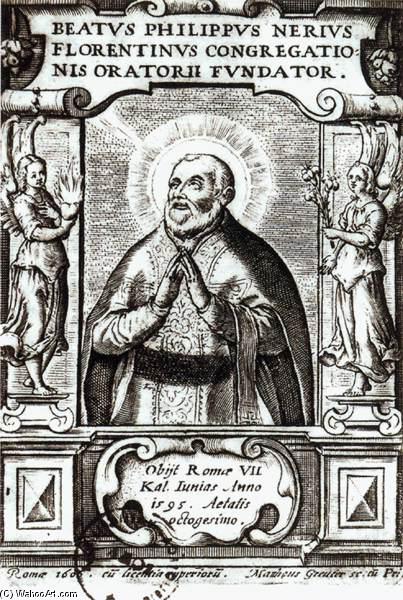
Beatus Philippus Nerius
 1606
1606 85.0 x 40.0 cm
 Biblioteca Vallicelliana
 Loe lähemalt
Ostke kõrglahutusel ja täiustatud digitaalne pilt, mis on oluliselt parem kui veebilehel näidatud eelvaade.
Iga fail on meie spetsialistide poolt hoolikalt ette valmistatud, kasutades kaasaegseid tööriistu ja professionaalset käsitsi retušeerimist. Tagame, et igal pildil on erakordne selgus, täpne värvitäpsus ja peen detail.
Lõplik fail saadetakse e-posti teel 72 tunni jooksul, olles optimeeritud koheseks kasutamiseks professionaalsetes, toimetuslikes ja trüki keskkondades. See on sama kvaliteet, mida usaldavad tipptasemel disainistuudiod, kirjastused ja galeriid.
Digitaalne kunstiteos
Laadi alla kõrge resolutsiooniga fail isiklikuks vaatamiseks, trükkimiseks ja loomingulisteks projektideks. ( Osta print Osta käsitsi maalitud maal)
Sisse kuulub iga digitaalse pildi tellimusega
Eksperdi digitaalne kohaletoimetamine, garanteeritud
Valides OriginalUniqueArt.com, ei saa sa lihtsalt pilti – saad professionaalselt parandatud digitaalse teose, mida on valmistatud täpsusega ja mis on toetatud rahuldamatusgarantiiga. Siin on kõik, mis sinu tellimusega automaatselt kaasneb:

Kiire digitaalne saatmine
Teie kõrge resolutsiooniga digitaalne pildifail saadetakse teile e-posti 72 tunni jooksul pärast tellimist – kohe kasutamiseks valmis.

Tehisintellektiga täiustatud digitaalne fail
Teie teos on professionaalselt optimeeritud arenenud tehisintellekti tööriistade ja käsitsi redigeerimise abil, tagades maksimaalse detailitaseme, selguse ja värvitäpsuse.

Tasuta eluaegne uuesti saatmine
Kas kustutasid faili kogukalu unustamisel või kustutamisel? Puudub mure – saad selle uuesti igal ajal ilma lisatasuta.

Puuduvad importimaksed – alati
Nautige oma teoseid koheselt ilma tolli-, maksude või tarnimaskuludeta – digiletchargused on alati maksuvabadud.

Värvitäpsuse garantii
Me tagame, et teie digitaalne pilt kajastaks originaali värve professionaalsete tööriistade ja värvihalduse abil võimalikult täpselt.

60-päevane rahulolu garantii
Kui te ei ole oma digipildiga rahul, parandame seda või tagastame 100% summast 60 päeva jooksul – küsimusi ei esita.

100% raha tagastamise garantii
Ei ole rahul? Saate täielise tagastaja 60 päeva jooksul pärast digitaalse faili kättesaamist – küsimata.

Suurema tellimuse soodustused
Osta 3 pilti, säästa 10% - Osta 5, säästa 15% - Osta 10+, säästa 20%. Sobib suurepäraselt loomingulisteks projektideks, galeriideks ja agentuurideks.
Kunstniku biograafia
Matthias Grünewald: A Soul Painted in Shadow and Light
The name Matthias Grünewald resonates through the corridors of art history, primarily due to his singular contribution to the late Gothic and early Renaissance periods – a profound ability to imbue religious imagery with an unprecedented level of emotional realism. Born around 1470 in Essen, Germany, and tragically dying in 1528 in Nuremberg, Grünewald’s life was marked by both artistic brilliance and personal hardship. His journey from a relatively obscure workshop assistant to one of the most celebrated artists of his era is a testament to his unwavering dedication and unique vision. He wasn't merely a painter; he was a storyteller who used color, texture, and composition to wrestle with profound theological questions and convey the raw, visceral experience of faith.
Grünewald’s early career unfolded within the bustling workshop of Theophilus Haarhaus in Cologne. This formative period exposed him to the prevailing artistic trends of the time – primarily the opulent, stylized imagery characteristic of late Gothic art. However, it was during his apprenticeship that he began to develop a distinct style, characterized by an intense use of color and a willingness to depict figures with unsettling honesty. His early works, such as the St. Sebastian (circa 1498), already hinted at the dramatic intensity that would define his later career. These pieces demonstrated a departure from the idealized representations common in contemporary art, showcasing wounds, fatigue, and a palpable sense of suffering – elements that would become central to his artistic language.
The Isenheim Altarpiece: A Masterpiece of Suffering
Grünewald’s most enduring legacy is undoubtedly the Isenheim Altarpiece (circa 1512-1516), a monumental work housed in the Unterlinden Museum in Colmar, France. Commissioned for the St. Anthony's Hospital in Isenheim, Alsace – a facility dedicated to treating patients afflicted with tuberculosis and other skin diseases – this polyptych is an extraordinary exploration of suffering, redemption, and divine compassion. The altarpiece’s complex structure—featuring fifteen panels that could be arranged in multiple configurations—allowed for a dynamic interplay between the sacred and the profane. The central panel depicts Christ resurrected, surrounded by the Virgin Mary, John the Baptist, and Saint Sebastian, all bearing visible signs of illness and torment. This unflinching portrayal of physical suffering was revolutionary for its time, directly confronting viewers with the realities of human mortality and the transformative power of faith.
The use of color in the Isenheim Altarpiece is particularly striking. Grünewald employed a palette dominated by deep reds, blues, and greens – colors associated with both suffering and vitality. The vibrant hues were applied with thick impasto, creating a tactile surface that emphasized the physicality of the figures. Furthermore, the altarpiece’s iconography is rich in symbolism, drawing upon biblical narratives, medieval legends, and contemporary medical knowledge. The inclusion of Saint Sebastian, martyred for his faith, served as a poignant reminder of the sacrifices made in the name of Christianity. The depiction of the Virgin Mary holding a skull – a memento mori—underscores the inevitability of death and the importance of preparing for the afterlife.
Technique and Influences
Grünewald’s artistic style was shaped by a confluence of influences, including his early training in Cologne, the works of Hieronymus Bosch (whose depictions of hellish landscapes and tormented figures profoundly impacted Grünewald's vision), and the emerging trends of the Early Renaissance. He skillfully combined Gothic techniques – such as detailed drapery and expressive gestures—with innovative approaches to color and composition. His use of oil paint, though relatively new at the time, allowed him to achieve a greater degree of luminosity and depth than was possible with traditional tempera paints. Grünewald’s meticulous attention to detail is evident in every aspect of his work, from the intricate folds of the figures' garments to the subtle nuances of expression on their faces.
Legacy and Historical Significance
Despite a relatively short career, Matthias Grünewald left an indelible mark on the history of art. The Isenheim Altarpiece remains one of the most powerful and moving religious paintings ever created, continuing to captivate viewers with its raw emotional intensity and profound spiritual message. Grünewald’s willingness to confront difficult themes—such as suffering, death, and disease—broke new ground in the depiction of religious imagery, paving the way for future generations of artists who sought to express their faith through a more personal and emotionally resonant style. His influence can be seen in the works of Albrecht Dürer, Lucas Cranach the Elder, and other Northern Renaissance painters. Grünewald’s legacy endures not only as a master painter but also as a visionary artist who dared to look beyond idealized representations and capture the essence of human experience with unflinching honesty.

matthias greuter
1564 - 1638
Lühikesed faktid
- Artistic Movement Or Style: Early Baroque
- Artists Or Movements Influenced By This Artist: ['Mannerist prints']
- Artists Who Influenced This Artist:
- Peter Oliver
- Tempesta
- Date Of Birth: 1564/66
- Date Of Death: 1638
- Full Name: Matthaeus Greuter
- Nationality: German & Italian
- Notable Artworks:
- Isenheim Altarpiece
- Cartographical prints
- Sunspot engravings
- Place Of Birth: Strasbourg, France

