
 Vaata sisu
 Jaga teost
 Jaga
Jaga
 Detailid
 Õppekate juhend

 Laadi alla
 Sarnased teosed
 Röntgenuuring
 Slaidietendus
 Statistika
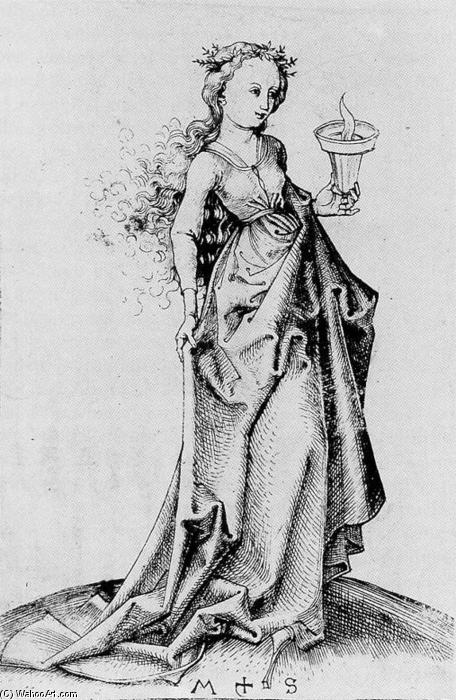
The Second Wise Virgin
 Engraving
- WallArt
- Northern Renaissance
 Renaissance
 118.0 x 77.0 cm
 Szépművészeti Múzeum
 Loe lähemalt
Käsitsi valmistatud õlimaalireproduktsioon
Meie kunstnike poolt tellimusel valmistatud käsitsi maalitud õli-kainaste teos teie soovitud suuruses ja raamis. ( Lülita trükkitoodetele Ülemineku digitaalse pildi müügi kanalisse)




P118B €10

P118H €10

P118W €10

P438Z €10

P508JH €12

P508YH €12

P805H €10

P805Z €10

P919BZ €10

P919G €10

P919XJ €10

P959ZH €10

P968JZ €12

W106C €8

W218G €10

W218JH €8

W218Y €10

W307PJ €10

W316G €10

W316PJ €8

W316Y €10

W398PJ €8

W4111J €10

W500HY €15

W500JH €15

W692G €12

W849H €8

W940BG €15

W953PJ €8




Vali meie eelmääratud suurused, mis vastavad teose algupärastele proportsioonidele.

Sa võite sisestada oma mõõtmed konkreetse raami või ruumi sobivuse tagamiseks. Kui teie valitud suurus ei vasta originaalpildi proportsioonidele, siis kärvime kunstiteost või laiendame maali täiendavate käsitsi maalitud elementidega. Enne tootmise algust saadetakse teile heakskiitmiseks digitaalne eelvaade.
Palun pidage meeles, et ekraanil kuvatav eelvaade ei kajasta tegelikku kärpimist või laiendamist. Ainult eelvaade näitab täpselt lõplikku kompositsiooni.
Kuigi on saadaval kohandatud suurused, soovitame originaalproportsioonide säilimiseks valida mõõdud eelmääratletud nimekirjast.
Pärast tellimust saadab OriginalUniqueArt.com meeskond kliendile e-posti juhised ning esitab eelvaate kavandi
Maailmline tarne 3–4 nädala jooksul tavalise 5 nädala asemel. (13 oktoober). Kvaliteedis kompromisse ei tehta.

Tasuta ekspresssaatmine üle maailma

Kõrgekvaliteediline lina-kangastest muld

Täielik transpordikindlustus

Tollimaksude tagastamise garantii

Värvitoime täpsuse garantii

100 päeva tagastusõigus (ainult defektide korral)

100% raha tagasi garantii

Hulgusoodustus
 Klaasivalik on saadaval ainult kuni 110 cm suuruses teostes

The Second Wise Virgin
Reproduktsiooni materjal
Reproduktsiooni mõõtmed
-


Lõppsumma
€ 259
A Beacon of Faith Amidst London’s Dusk: Examining Martin Schongauer's “The Second Wise Virgin”
Martin Schongauer’s engraving, "The Second Wise Virgin," completed around 1490-91, stands as a testament to the meticulous craftsmanship and profound symbolic resonance characteristic of the Northern Renaissance. Produced during a period marked by burgeoning humanist thought and artistic innovation—particularly influenced by the stylistic legacy of Rogier van der Weyden—this artwork captures a pivotal moment in Christian narrative: the rehearsal for the Lord Mayor’s Procession, an annual celebration commemorating the election of London's new leader. More than just a depiction of ceremonial ritual, Schongauer’s image delves into themes of piety, preparedness, and divine grace, rendered with breathtaking detail and imbued with a palpable sense of solemn beauty.Composition and Technique: A Symphony of Line
The engraving’s central focus is undeniably the figure of a woman holding aloft a lamp illuminated by candlelight—a motif instantly recognizable as representing wisdom and righteousness. Schongauer skillfully employs hatching and cross-hatching techniques to sculpt the contours of her gown, conveying texture and volume with remarkable precision. Fine lines dominate the composition, meticulously delineating architectural elements like Westminster Abbey’s tower under scaffolding and St Margaret's Church’s Royal Standard banner—symbols of authority and tradition. The artist’s masterful control over line creates a sense of depth and perspective, drawing the viewer into the scene and emphasizing the importance of the central figure. Furthermore, the inclusion of smaller rowing boats and figures adds to the overall dynamism of the composition, mirroring the movement of the procession itself.Historical Context: Renaissance Ritual and Symbolic Representation
Schongauer’s work emerged from a vibrant intellectual milieu where artists wrestled with reconciling classical ideals of beauty and proportion with Christian dogma. The engraving reflects the broader preoccupation with portraying biblical narratives in an emotionally resonant manner—a trend championed by artists like Michelangelo—and underscores the enduring power of visual storytelling to convey spiritual truths. The rehearsal for the Lord Mayor’s Procession served as a tangible expression of civic pride and religious devotion, highlighting the role of faith in shaping public life during the fifteenth century. Schongauer's depiction captures this atmosphere perfectly, presenting it with an unwavering commitment to realism and artistic excellence.Symbolism: Light, Faith, and Anticipation
The lamp held by the woman transcends mere visual representation; it embodies the essence of divine illumination—a cornerstone of Christian theology. Its flickering candlelight symbolizes faith’s steadfast glow amidst uncertainty, mirroring the anticipation felt by those awaiting the solemn inauguration ceremony. The architectural backdrop—Westminster Abbey and St Margaret's Church—represents established institutions upholding religious tradition and authority. These elements converge to communicate a profound message about preparedness for judgment and the enduring significance of spiritual virtue.Emotional Impact: Tranquility and Reverence
“The Second Wise Virgin” exudes an aura of serenity and reverence, reflecting Schongauer’s artistic vision and capturing the spirit of his time. The woman's dignified posture conveys composure and piety—qualities deemed essential for achieving salvation according to medieval Christian thought. The engraving’s monochrome palette enhances its solemn mood, emphasizing the purity of form and the subtlety of shading. Ultimately, Schongauer’s masterpiece invites contemplation on themes of faith, virtue, and the enduring beauty of artistic craftsmanship—a timeless testament to the transformative power of visual art.Küsimused ja vastused
Kust saab teose kunsti „The Second Wise Virgin“, autor Martin Schongauer täna vaadata?
Teos „The Second Wise Virgin“, autor Martin Schongauer on näitustel Szépművészeti Múzeum, Budapest, Hungary. Muuseumi keterangane viitab originaalteosele, mitte reproduktsioonidele.
Kas saan näha teose „The Second Wise Virgin“, autor Martin Schongauer röntgenpilti?
Teost "The Second Wise Virgin" saab uurida kiht kihti teose Röntgenkiirgus lehel, mis on interaktiivne vaatur, mida on inspireerinud restauraatori valgilaud ja mis pakub kujundist üksteist optilist lugemist.
Mis on originaalteose „The Second Wise Virgin“, autor Martin Schongauer tehnika ja suurus?
Teose „The Second Wise Virgin“, autor Martin Schongauer tehnika on Engraving ning selle mõõdud on 118 x 77 cm.
Milline palett ja domineeriv värv määravad teose "The Second Wise Virgin"?
Teose „The Second Wise Virgin“, autor Martin Schongauer värvitoon: Neutrals palett, mille domineerib Putty (#d7d7d7).
Milline suurus on soovituslik teosele "The Second Wise Virgin" ruumis Living Room?
Soovitatav kombinatsioon teosele „The Second Wise Virgin“, autor Martin Schongauer: Medium trükis Living Room-s.
Kust saan osta teose „The Second Wise Virgin“, autor Martin Schongauer käsitsi maalatud reproduktsiooni?
Teose „The Second Wise Virgin“, autor Martin Schongauer käsitsi maalatud reproduktsioone müüakse saidil see veebileht: käsitsi maalatud õlireproduktsioon linaelapale, tellimiseks kasutada see leht.
Mille nimetatud või alternatiivsete nimed on Martin Schongauer?
Kunstnik Martin Schongauer tuntub ära ka nime all Martini Schongauer, Hübsch Martin, Caspar Schongaueri Poeg, Martin Schön.
Kuidas teose „The Second Wise Virgin“, autor Martin Schongauer meeleolu on kirjeldatud?
Teose "The Second Wise Virgin" atmosfäär on Serene."
Kunstniku elulugu
Martin Schongauer: Põhjarenessansi Meister ja Graafika Uuendaja
Martin Schongauer, kes sündis umbes 1450. aastal Colmar’is (praegune Prantsusmaa), oli oluline figuur põhjarenessansi graafikakunstis. Ta kasvas kunstnikuperekonnas; tema isa Caspar Schongauer oli kullassepp, kes oli kolis Colmari Augsburgist (Saksamaa) umbes 1440. aastal. See perekondlik taust mõjutas oluliselt Martini varast kunstilist õpetust, kuna kullasepatöö andis tugeva aluse täpsetele detailidele ja metallitöövõtetele – oskused, mida oli võimalik otse graveerimisele üle kanda. Schongaueri perekonna juured Saksamaal ja isa kutse olid määrava tähtsusega tema kunstilise tee kujunemisel.
Koolitus ja Kunstiline Areng
1465. aastal käis Schongauer lühikest aega Leipzigi ülikoolis, kuid ta loobus peagi akadeemilisest karjäärist, et pühenduda täielikult kunstile. Ta õppis alguses maalikunstnik Caspar Isenmanni juures, kohaliku meistri juures, keda mõjutas varane madalamaa maalimine, eriti Rogier van der Weydeni töö. See varajane kokkupuude madalamaa realismiga ja detailitähelepanuga sai Schongaueri enda stiili tunnusjooneks. Tema õpetaja Isenmann aitas tal arendada täpsust ja realistlikku väljendusviisi, mis eristasid tema hilisemaid teoseid.
Kunstiline Stiil ja Mõjud
Schongaueri kunstistiili iseloomustab selge, organiseeritud gooti esteetika, mis on segunenud põhjarenessansi tekkivate mõjude hulga. Ta ei saanud otsest itaalia mõju, vaid ammutas inspiratsiooni saksa ja varasemast madalamaa traditsioonist. Tema töö näitab täpsset detaili, väljendusrikkaid figuure ja keerukat kompositsiooniarusaama. Schongaueri loomingus kohtuvad gooti kunstilise vormikujunduse ranged reeglid ja uue humanismi vaim, mis rõhutab inimese emotsioone ja individuaalsust.
- Põhijooned: Täpne graveerimine, realistlikud kujutised, dramaatilised narratiivid, gooti struktuur
- Mõjud: Rogier van der Weyden, Caspar Isenmann, saksa gooti traditsioonid
Peamised Saavutused ja Teosed
Schongauer on kõige paremini tuntud oma 116 graveeringu poolest, mis on kõik tähistatud tema monogrammiga. Need trükid levisid laialdaselt Euroopas, mõjutades oluliselt graafikatehnikate arengut ja kunstilisi stiile. Tema graveeringud kujutasid sageli religioosseid stseene, portreid ja allegoorilisi teemasid. Schongaueri looming ei piirdunud pelgalt tehnilise meisterlikkusega; tema trükid olid ka olulised kultuurilised objektid, mis aitasid levitada uusi ideid ja kunstilisi vorme.
- Roosipuu Madonna (1473): Oluline maali näidis, mis demonstreerib tema oskust kujutada õrnu detaile ja emotsionaalset sügavust.
- Graveeringud: Sealhulgas *Püha Antoniuse kiusamine*, *Karjaste kummardamine* ja arvukad teised, mis demonstreerivad tema meisterlikkust graveerimistehnikas. Tema graveeringute valik on eriti tähelepanuväärne oma narratiivse jõu ja psühholoogilise sügavuse poolest.
Ajalooline Tähtsus ja Pärand
Martin Schongaueri mõju kunstimaailmale oli oluline. Ta oli üks esimesi saksa kunstnikke, kes saavutas rahvusvahelise tunnustuse graveerijana. Tema trükid olid väga nõutud ja laialdaselt kopeeritud, levitades tema kunstilist stiili üle Euroopa. On dokumenteeritud, et Michelangelo ise uuris ja kopeeris ühte Schongaueri graveeringut – *Püha Antoniuse katsetust* – mis demonstreerib suurt austust, mida hilisemad meistrid Schongaueri suhtes tundsid. Tema looming oli sillaks gooti kunsti ja renessansi vahel, sillutades teed kunstnikele nagu Albrecht Dürer.
Schongaueri innovatiivne graveerimistehnikate kasutamine ja pühendumine kunstilisele detailile jättis püsiva pärandi graafikakunstisse ja põhjapoolse Euroopa kunsti ajalukku. Tema looming on jätkuvalt allikas inspiratsiooni ja imetlust kunstiajaloolastele ja kunstihuvilistele üle maailma.
Surm
Martin Schongauer suri Breisachis 2. veebruaril 1491, jättes maha tähelepanuväärse loomingu, mida jätkuvalt tähistatakse selle kunstilise väärtuse ja ajaloolise tähtsuse eest.

Martin Schongauer
1450 - 1491 , Saksamaa
Lühikest infot
- Kunstiliikumine: Põhja-renessanss
- Mõjutajad: ['Rogier van der Weyden']
- Mõjutatud Kunstnikud: ['Michelangelo']
- Rahvus: Saksa
- Surma Aeg: 2. veebruar 1491
- Sündimiskoht: Colmar, Prantsusmaa
- Sünniaeg: u 1450
- Tuntud Teosed: ['Madonna roosaias']
- Täisnimi: Martin Schongauer
Sarnased artiklid

The Intricate World of Engraving: A Historical Survey of Technique, Artistic Expression & Enduring Legacy
Explore the rich history of engraving with OriginalUniqueArt. Discover techniques, iconic artists like Dürer & Callot, collecting tips, and expert guidance for preserving your art investment. Learn about intaglio printing & more!

Giclée Prints: Archival Quality & Aesthetic Nuances for the Discerning Collector
Explore the world of giclée prints with OriginalUniqueArt. Learn about archival quality, aesthetic nuances & investment potential. Expert guidance for discerning art collectors seeking museum-quality reproductions and lasting value.
Giclée Prints Explained: The Ultimate Guide to Museum-Quality Art Reproductions
Master the nuances of Giclée printing with our expert guide. Discover how pigment-based inks and museum-grade substrates create fade-resistant, high-fidelity art reproductions designed for discerning collectors seeking unparalleled quality and longevity.

Engraving: A Historical Survey of Technique, Artistic Expression & Enduring Legacy
Explore the rich history of engraving with OriginalUniqueArt. Discover techniques, iconic artists like Dürer & Callot, collecting tips, and expert guidance for preserving your art investment. Learn about intaglio printing & more!

Engraving's Golden Age: 10 Masterpieces That Redefined Art | OriginalUniqueArt
Journey through art history with our Top 10 Legendary Engravings! Explore masterpieces by Dürer, Rembrandt & Goya. Discover the stories behind these iconic prints and find museum-quality reproductions for your home at OriginalUniqueArt.com.
