Surrealistlik ekspressionism · 1944
Pöörbluse mereäärs (Mark Rothko, 1944)
Mark Rothko (1903–1970) on loonud teose Pöörbluse mereäärs. See on pärinev 1944 aastast. See kuulub Surrealistlik ekspressionism suuntrime. See on valmistatud materjalist Õlimaal kangaruumil.
- 1944
- Õlimaal kangaruumil

 Eelvaade

 Käsitsi maalatud õlimaalatsioon
 Saada
 Jaga
 Teosest infokaart


 Laadi alla
 Sarnased teosed
 Röntgenuuring
 Slaidietendus
 KÜSIMUSED JA VASTUSID

 Statistika
Pöörbluse mereäärs lühidalt
- Pealkiri
- Pöörbluse mereäärs
- Kunstnik
- Mark Rothko (1903–1970)
- Kunstniku sünnukoht
- Daugavpils, Läti
- Kuupäev
- 1944
- Materjalid
- Õlimaal kangaruumil
- Liikumine
- Surrealistlik ekspressionism
- Teema
- värvifoorne, surrealism, figuurid, maastik, unenägu, abstraktsioon
Mida Pöörbluse mereäärs kujutab?
The Genesis of a Dream: Mark Rothko and *Slow Swirl at the Edge of the Sea*
Mark Rothko’s *Slow Swirl at the Edge of the Sea*, painted in 1944, isn't merely a depiction of a seascape; it’s an immersion into a realm of profound emotion and subconscious exploration. Born Markus Yakovlevich Rothkowitz in Dvinsk, Latvia – a place steeped in both cultural richness and historical anxieties – Rothko carried within him the echoes of displacement and loss, themes that would become central to his artistic vision. His early years, marked by the uncertainties of Jewish life under Tsarist rule, instilled a sensitivity to human suffering, a deeply felt empathy that resonated throughout his oeuvre. The 1913 immigration to Portland, Oregon, represented not just a geographical shift but a cultural upheaval, forcing assimilation and shaping his perspective on identity. This early experience of loss, coupled with the challenges of finding his place in a new land, fueled a lifelong quest for meaning – a search that finds its most potent expression in works like *Slow Swirl*. The painting itself emerged during a period of intense artistic experimentation, as Rothko moved away from representational forms and embraced abstraction, seeking to convey universal emotions through pure color and shape.
- Early Influences: Rothko’s formative years in Latvia exposed him to both Jewish traditions and the political unrest of the era.
- Portland's Impact: The move to Portland fostered a sense of displacement and shaped his understanding of cultural identity.
- The Seeds of Abstraction: The 1940s witnessed Rothko’s shift towards pure abstraction, driven by a desire to express profound emotional states.
Color as Emotion: Deconstructing the Composition
At first glance, *Slow Swirl at the Edge of the Sea* appears deceptively simple – a collection of amorphous shapes and blocks of color arranged on a canvas. However, beneath this surface lies a meticulously constructed composition designed to evoke a specific emotional response. Rothko’s technique is characterized by thin layers of translucent paint, applied with a delicate touch, creating an almost ethereal quality. The rectangular forms are not sharply defined; instead, they bleed into one another, suggesting fluidity and movement – the “slow swirl” of the title itself. The dominant hues—ranging from deep blues and greens to muted purples and reds—are deliberately chosen for their evocative power. Rothko himself described his process as seeking to create a “visual equivalent of music,” aiming to bypass conscious thought and directly access the viewer’s emotions. The bird figures, positioned strategically within the composition, are not literal representations but rather symbolic anchors, adding layers of mystery and intrigue. The placement of these figures suggests a sense of longing or perhaps even a yearning for transcendence.
Rothko's use of thin paint layers creates an almost luminous effect, allowing the colors to bleed into one another and evoke a sense of depth and atmosphere.Symbolism and Interpretation: A Journey Within
The symbolism within *Slow Swirl at the Edge of the Sea* is deliberately ambiguous, inviting multiple interpretations. The “sea” itself can be seen as representing the subconscious – a vast, unexplored territory filled with both beauty and danger. The swirling forms suggest movement, transformation, and perhaps even the cyclical nature of life and death. The bird figures, recurring motifs in Rothko’s work, often symbolize freedom, spirituality, or the human desire for transcendence. Some art historians have linked them to ancient mythology, referencing themes of rebirth and immortality. The presence of two human figures, subtly integrated into the composition, adds a layer of narrative complexity – are they lovers? Lost souls? Or simply witnesses to this emotional landscape? Rothko intentionally avoided providing definitive answers, preferring to allow viewers to project their own experiences and emotions onto the canvas.
The Legacy of *Slow Swirl*: A Timeless Exploration
*Slow Swirl at the Edge of the Sea* stands as a pivotal work in Mark Rothko’s oeuvre and a cornerstone of Abstract Expressionism. Its enduring appeal lies in its ability to bypass rational thought and directly engage with the viewer's emotions. The painting’s influence can be seen in countless subsequent works of art, demonstrating Rothko’s profound impact on 20th-century art. Today, reproductions of *Slow Swirl* continue to captivate audiences worldwide, offering a glimpse into the artist’s deeply personal and profoundly moving vision. OriginalUniqueArt offers meticulously crafted hand-painted reproductions that faithfully capture the essence of this iconic masterpiece, allowing you to experience its emotional power firsthand.
Pöörbluse mereäärs kõrge resolutsiooniga pildid
Autoriõigustega kaitstud: need failid on mõeldud isiklikuks kasutamiseks, mitte uuestipublickeerimiseks.
Mark Rothko, Pöörbluse mereäärs (1944).
Küsimused teemal Pöörbluse mereäärs – vastused
Mis on teose „Pöörbluse mereäärs“, autor Mark Rothko loomisaeg?
Teose „Pöörbluse mereäärs“, autor Mark Rothko loomimisaastaks on märgitud 1944.
Millest on teos "Pöörbluse mereäärs" valmistatud?
Teose „Pöörbluse mereäärs“, autor Mark Rothko materjal on Õlimaal kangaruumil. Reproduktsioonide eesmärk on jälitada selle tehnika välimust.
Millised teemad teoses „Pöörbluse mereäärs“, autor Mark Rothko esile tõelve?
Teemad, mis teoses „Pöörbluse mereäärs“, autor Mark Rothko esinevad, hõlmavad värvifoorne, surrealism, figuurid, maastik, unenägu, abstraktsioon, symbolism. Koos need kokkuvõtavad teose sisu.
Kas teose „Pöörbluse mereäärs“, autor Mark Rothko pilt on vabalt reproduseeritav?
Teos „Pöörbluse mereäärs“, autor Mark Rothko on lubaõiguslikult on endiselt autoriõiguse all under kaitse. See staatus reguleerib teose pildi reprodüseerimise võimalusi.
Kes on teose "Pöörbluse mereäärs" looja?
Teose "Pöörbluse mereäärs" loovija on Mark Rothko. Selle lehe info kirjeldab Mark Rothko algteost.
Millissele stiilile kuulub "Pöörbluse mereäärs"?
"Pöörbluse mereäärs" on Surrealistlik ekspressionism suunaga teos. See suundumine viitab kunstilisele traditsioonile, millega teos on seotud.
Kuhu Mark Rothko loomingulisse perioodi kuulub teos "Pöörbluse mereäärs"?
Mark Rothko loomingus kuulub teos "Pöörbluse mereäärs" perioodi Karjääri keskpärane abstraktsioon. See etap aitab seda võrdida kunstniku teiste töödega.
Mis vanuses loos Mark Rothko teose "Pöörbluse mereäärs"?
Mark Rothko loobus teose "Pöörbluse mereäärs" 41 aasta vanuses. Kunstnik on sündinud aastal 1903 ning teos on dateeritud 1944.
Kas Mark Rothko teos "Pöörbluse mereäärs" kuulub avalikku omandisse ja miks?
„Pöörbluse mereäärs“, autor Mark Rothko on on endiselt autoriõiguse all under kaitse. Tegijakeskuse kaitse kestus arvatakse kunstniku surmaajaest, mis toimus aastal 1970.
Kunstnik Mark Rothko kohta

1903–1970, Läti
Mark Rothko
Mark Rothko varajad aastad Mark Rothko sündis 1903. aastal Markus Jakovlevitš Rothkovitš. Ta sündis Venemaal, Dvinskis, kohas, mis on tänapäeval tuntud kui Läti Daugavpils. Tema pere elas Juudi asula piirkonnas, mis oli politikaebast ja pogromide pideva varju all olev alue.
Ka Mark Rothko teosed
 Valge Keskus1950
 No.1 (Royal Red and Blue)
 Nr. 61 (Roostet ja sinine)1953
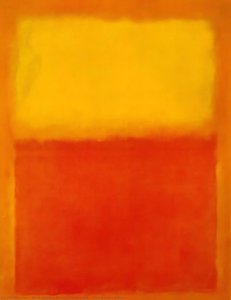 Oranž ja kollane1956
Teemad teemal Pöörbluse mereäärs
 The Sublimity of Color: Exploring the Emotional Landscapes of Mark Rothko's Abstract ExpressionismExplore the profound emotional depth of Mark Rothko's abstract expressionism. Discover the history, techniques & lasting impact of this piv…
 Awe vs. Charm: Understanding the Sublime and the PicturesqueMaster the distinction between the Sublime and the Picturesque through Romantic era art. Explore the beauty of awe and charm today.
 Transcendent Visions: Exploring Spirituality & Inner Life in Art HistoryExplore the rich history of faith through art! Discover religious symbolism, Renaissance masterpieces & iconic artists. Expert analysis for…