Color Field · 1964
No. 5 (Mark Rothko, 1964)
Mark Rothko (1903–1970) on loonud teose No. 5. See on pärinev 1964 aastast. See kuulub Color Field suuntrime. Teos on valmistatud materjalist Acrylic On Canvas. Mõõdud on 206 × 196 cm.
- 1964
- Acrylic On Canvas
- 206 × 196 cm

 Eelvaade

 Käsitsi maalatud õlimaalatsioon
 Saada
 Jaga
 Teave teose kohta


 Laadi alla
 Sarnased teosed
 Röntgenuuring
 Slaidietendus
 KÜSIMUSED JA VASTUSID

 Statistika
No. 5 lühidalt
- Pealkiri
- No. 5
- Kunstnik
- Mark Rothko (1903–1970)
- Kunstnik on sündinud
- Daugavpils, Läti
- Kuupäev
- 1964
- Tehnika
- Acrylic On Canvas
- Mõõtmed
- 206 × 196 cm
- Suunad
- Color Field
- Aeglkond
- Modern
- Teema
- rothko, abstract, color field, square, black and white, canvas
Mida No. 5 kujutab?
Mark Rothko’s ‘No. 5’: A Meditation on Darkness and Absence
Mark Rothko's "No. 5," painted in 1964, is not merely a canvas filled with color; it’s an intensely personal and profoundly moving exploration of human emotion and the weight of existence. This monumental work, measuring 206 x 196 cm, exemplifies Rothko’s signature style – large-scale rectangular blocks of saturated color that seem to bleed into one another, creating a hypnotic effect on the viewer. The painting's stark simplicity—a vast, dark square dominating the composition—immediately confronts us with an unsettling void, prompting contemplation about mortality, isolation, and the fundamental questions of human experience.
The Genesis of Color Field Painting
Created during a pivotal moment in art history, "No. 5" is inextricably linked to the rise of Color Field painting in the mid-20th century. Rothko, along with artists like Barnett Newman and Clyfford Still, rejected traditional representational forms, seeking instead to express profound emotional states through pure color. Influenced by Abstract Expressionism’s emphasis on subjective experience, Rothko developed a technique that involved layering thin washes of acrylic paint, allowing the colors to subtly shift and merge under layers of varnish. This process created an almost sculptural quality, emphasizing the materiality of the canvas itself.
Symbolic Weight and Existential Themes
Born in 1903 in Daugavpils, Latvia (then part of the Russian Empire), Mark Rothko’s life was marked by displacement and loss – experiences that deeply informed his artistic vision. The painting's dark square can be interpreted as a visual representation of this sense of void, reflecting the anxieties and uncertainties inherent in the human condition. Some scholars suggest the work is an exploration of trauma, referencing Rothko's own difficult childhood and the pervasive atmosphere of fear and instability he experienced growing up within a Jewish family during times of political unrest. The sheer scale of the canvas amplifies this feeling, enveloping the viewer in a space of quiet contemplation.
Technique and Emotional Impact
"No. 5" is a testament to Rothko’s mastery of color and texture. The subtle gradations within the dark blocks, achieved through meticulous layering and blending, create an illusion of depth and movement. The photograph captures this intricate detail perfectly, revealing the artist's deliberate control over light and shadow. The painting’s impact isn’t about visual spectacle; it’s about a deeply felt emotional response. Rothko aimed to evoke a sense of awe and vulnerability in the viewer, inviting them to confront their own mortality and grapple with the complexities of human existence. This reproduction offers an unparalleled opportunity to experience the power and beauty of this iconic work firsthand.
No. 5 kõrge resolutsiooniga pildid
Protected by copyright: these files are for personal reference, not a licence to republish.
Mark Rothko, No. 5 (1964).
Küsimused teemal No. 5 – vastused
Mis aastal loodi teos „No. 5“, autor Mark Rothko?
Teos „No. 5“, autor Mark Rothko loodi aastal 1964.
Millises materjalis on teos „No. 5“, autor Mark Rothko valmistatud?
Teose "No. 5" loomisel kasutas Mark Rothko Acrylic On Canvas tehnikat. See tehnika määrab originaalteose materjalilise olemuse.
Mis on originaalteose „No. 5“, autor Mark Rothko mõõdud?
Originaalteose „No. 5“, autor Mark Rothko mõõdud on 206 x 196 cm.
Millised teemad teoses „No. 5“, autor Mark Rothko esile tõelve?
Teemad, mis teoses „No. 5“, autor Mark Rothko esinevad, hõlmavad rothko, abstract, color field, square, black and white, canvas, mark rothko. Koos need kokkuvõtavad teose sisu.
Kas teos "No. 5" on ilma autoriõigusteta?
Autoriõiguse teave teose „No. 5“, autor Mark Rothko kohta: teos kuulub luba ala on endiselt autoriõiguse all under kaitse. See määrab, kas kujundist on lubatud vabadelt reproduktsioone teha.
Millisele kunstnikule on teos "No. 5" atribuutseeritud?
Teose "No. 5" autoriks on mõeldud Mark Rothko.
Millissele kunstisuunale kuulub teos „No. 5“, autor Mark Rothko?
Teosest „No. 5“, autor Mark Rothko tuntud kunstisuuna on Color Field. See klassifikatsioon aitab teost paigutada sarnaste kunstnike ja teoste hulka.
Millissele perioodile Mark Rothko karjäärist kuulub teos "No. 5"?
Mark Rothko loomingus kuulub teos "No. 5" perioodi Mature Period. See etap aitab seda võrdida kunstniku teiste töödega.
Kui palju oli Mark Rothko aastane, kui teos "No. 5" loodi?
Mark Rothko oli 61 aastane, kui ta teosest "No. 5" aastal 1964 lõi. Vanus on arvutatud kunstniku sünnaaasta põhjal, 1903.
Kunstnikust, Mark Rothko

1903–1970, Läti
Mark Rothko
Mark Rothko varajad aastad Mark Rothko sündis 1903. aastal Markus Jakovlevitš Rothkovitš. Ta sündis Venemaal, Dvinskis, kohas, mis on tänapäeval tuntud kui Läti Daugavpils. Tema pere elas Juudi asula piirkonnas, mis oli politikaebast ja pogromide pideva varju all olev alue.
Ka Mark Rothko teosed
 Valge Keskus1950
 No.1 (Royal Red and Blue)
 Nr. 61 (Roostet ja sinine)1953
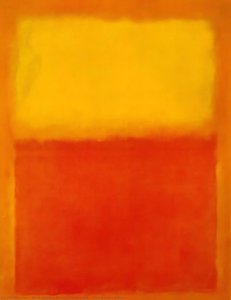 Oranž ja kollane1956
Essee teemadel No. 5
 Color Fields of Calm: Transform Luxury Interiors with Minimalist Masterpiece ReproductionsElevate your luxury interiors with museum-quality Mark Rothko reproductions. Discover how hand-painted Color Field masterpieces bring profo…
 The Soul of Color: Exploring the Emotional Depth and Existential Resonance of Mark Rothko's MasterpiecesImmerse yourself in the profound emotional landscapes of Mark Rothko. Explore how his revolutionary Color Field paintings use pure pigment …
 Mark Rothko 25 Parimat Teost: Emotsionaalsed Värvid ja Sügav Sisu | OriginalUniqueArtAvastage Mark Rothko 25 parimat teost! Sukelduge ekspressionismi sügavustesse, emotsionaalsetesse värvimaalid ja kunstniku lugudesse. Leidk…