Color Field Painting · 1964
No. 2 (Mark Rothko, 1964)
Mark Rothko (1903–1970) on loonud teose No. 2. See on pärinev 1964 aastast. See kuulub Color Field Painting suuntrime. See on valmistatud materjalist Oil On Canvas. Mõõtmed on 267 × 203 cm.
- 1964
- Oil On Canvas
- 267 × 203 cm

 Eelvaade

 Käsitsi maalatud õlimaalatsioon
 Saada
 Jaga
 Teosest infokaart


 Laadi alla
 Sarnased teosed
 Röntgenuuring
 Slaidietendus
 KÜSIMUSED JA VASTUSID

 Statistika
No. 2 lühidalt
- Pealkiri
- No. 2
- Kunstnik
- Mark Rothko (1903–1970)
- Kunstniku sünnukoht
- Daugavpils, Läti
- Kuupäev
- 1964
- Materjalid
- Oil On Canvas
- Mõõtmed
- 267 × 203 cm
- Liikumine
- Color Field Painting
- Aeglkond
- Modern
- Teema
- minimalism, geometric abstraction, emotion, color palette, scale, depth
Mida No. 2 kujutab?
A Meditation in Gray: The Ethereal Depth of Rothko’s No. 2
In the vast landscape of Abstract Expressionism, few works command the room with such quiet, monumental authority as Mark Rothko’s No. 2. Completed in 1964, this masterpiece serves as a profound cornerstone of Color Field Painting, inviting the viewer into a realm where color transcends mere pigment to become an emotional experience. The composition is deceptively simple, presenting two rectangular blocks of muted gray hues stacked vertically against a darker, more somber background. Yet, beneath this minimalist surface lies a complex interplay of light and shadow that demands a slow, contemplative gaze.
The power of No. 2 resides in its ability to evoke an atmosphere of stillness. There is no representational imagery to distract the eye, no recognizable figures to anchor the mind; instead, Rothko directs our attention toward the pure materiality of color itself. The grayscale palette is meticulously calibrated, offering a spectrum of tones that suggest a sense of depth and luminosity without the need for traditional perspective. As one stands before this large-scale canvas, the soft edges of the rectangles seem to vibrate, creating a sensation that the forms are hovering like mist or receding into an infinite void.
Technique and the Architecture of Emotion
To understand the mesmerizing quality of No. 2, one must consider the artist's meticulous technique. Rothko did not simply apply paint to canvas; he built layers of atmosphere. By utilizing thin washes of oil and acrylic media, he achieved a delicate translucency that allows light to appear as if it is emanating from within the work itself. This method of layering—often referred to as veiling—creates subtle tonal gradations that blur the boundaries between shapes, contributing to the painting's characteristic sense of atmospheric depth.
This technical mastery serves a deeper symbolic purpose. Emerging from the post-war era, a period marked by existential anxiety and a search for meaning, No. 2 reflects a broader artistic preoccupation with the fundamental human experience. While some critics have interpreted the stark, geometric forms as representations of the void or the absence of form—symbolizing the anxieties of mortality—Rothko himself sought to evoke feelings of transcendence and spiritual communion. For the collector or the interior designer, this work offers more than just a sophisticated aesthetic; it provides a focal point for introspection, a sanctuary of calm that can transform a space into a site of profound psychological resonance.
No. 2 kõrge resolutsiooniga pildid
Autoriõigustega kaitstud: need failid on mõeldud isiklikuks vaatamiseks, mitte uuestipublickeerimiseks.
Mark Rothko, No. 2 (1964).
Küsimused teemal No. 2 – vastused
Mis on teose „No. 2“, autor Mark Rothko loomisaeg?
Teose „No. 2“, autor Mark Rothko loomimisaastaks on märgitud 1964.
Millist tehnikat teose „No. 2“, autor Mark Rothko valmistamisel kasutati?
Teose "No. 2" loomisel kasutas Mark Rothko Oil On Canvas tehnikat. See tehnika määrab originaalteose materjalilise olemuse.
Mis on teose „No. 2“, autor Mark Rothko tegelik suurus?
Teose „No. 2“, autor Mark Rothko mõõdud on 267 x 203 cm. Reproduktsioone saab tellida muutes mõõtust, säilitades samal ajal samad proportsioonid.
Mille kohta teos "No. 2" on?
Teemad, mis teoses „No. 2“, autor Mark Rothko esinevad, hõlmavad minimalism, geometric abstraction, emotion, color palette, scale, depth, contemplation. Koos need kokkuvõtavad teose sisu.
Kas teose „No. 2“, autor Mark Rothko pilt on vabalt reproduseeritav?
Teos „No. 2“, autor Mark Rothko on lubaõiguslikult on endiselt autoriõiguse all under kaitse. See staatus reguleerib teose pildi reprodüseerimise võimalusi.
Kes on teose "No. 2" looja?
Teose "No. 2" loovija on Mark Rothko. Selle lehe info kirjeldab Mark Rothko algteost.
Millissele stiilile kuulub "No. 2"?
Teos „No. 2“, autor Mark Rothko kuulub Color Field Painting suunasse. See suund annab teosele stilistilise konteksti.
Kuhu Mark Rothko loomingulisse perioodi kuulub teos "No. 2"?
Teos "No. 2" kuulub Mark Rothko loomingulise karjääri perioodi Mature Period. See klassifikatsioon seostab teose kunstniku loovliku arenguga.
Mis vanuses loos Mark Rothko teose "No. 2"?
Mark Rothko loobus teose "No. 2" 61 aasta vanuses. Kunstnik on sündinud aastal 1903 ning teos on dateeritud 1964.
Kunstnik Mark Rothko kohta

1903–1970, Läti
Mark Rothko
Mark Rothko varajad aastad Mark Rothko sündis 1903. aastal Markus Jakovlevitš Rothkovitš. Ta sündis Venemaal, Dvinskis, kohas, mis on tänapäeval tuntud kui Läti Daugavpils. Tema pere elas Juudi asula piirkonnas, mis oli politikaebast ja pogromide pideva varju all olev alue.
Ka Mark Rothko teosed
 Valge Keskus1950
 No.1 (Royal Red and Blue)
 Nr. 61 (Roostet ja sinine)1953
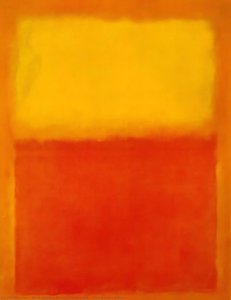 Oranž ja kollane1956
Teemad teemal No. 2
 Mark Rothko 25 Parimat Teost: Emotsionaalsed Värvid ja Sügav Sisu | OriginalUniqueArtAvastage Mark Rothko 25 parimat teost! Sukelduge ekspressionismi sügavustesse, emotsionaalsetesse värvimaalid ja kunstniku lugudesse. Leidk…
 The Architecture of Emotion: A Connoisseur’s Guide to the Chromatic Sublimity of Mark RothkoExplore the profound emotional landscapes of Mark Rothko. An expert editorial on Color Field painting, decoding the spiritual depth, techni…
 Chromatic Atmospheres: The Psychological Impact of Minimalist Color Field Reproductions in Luxury Villa InteriorsDiscover the profound psychological impact of minimalist Color Field paintings for luxury villas. Explore Rothko & curated art reproduction…