 Eelvaade
 Saada
Saada Jaga
Jaga
 Teave teose kohta
 Juhend

 Laadi alla
 Sarnased teosed
 Röntgenuuring
 Slaidietendus
 KÜSIMUSED JA VASTUSID
 Statistika
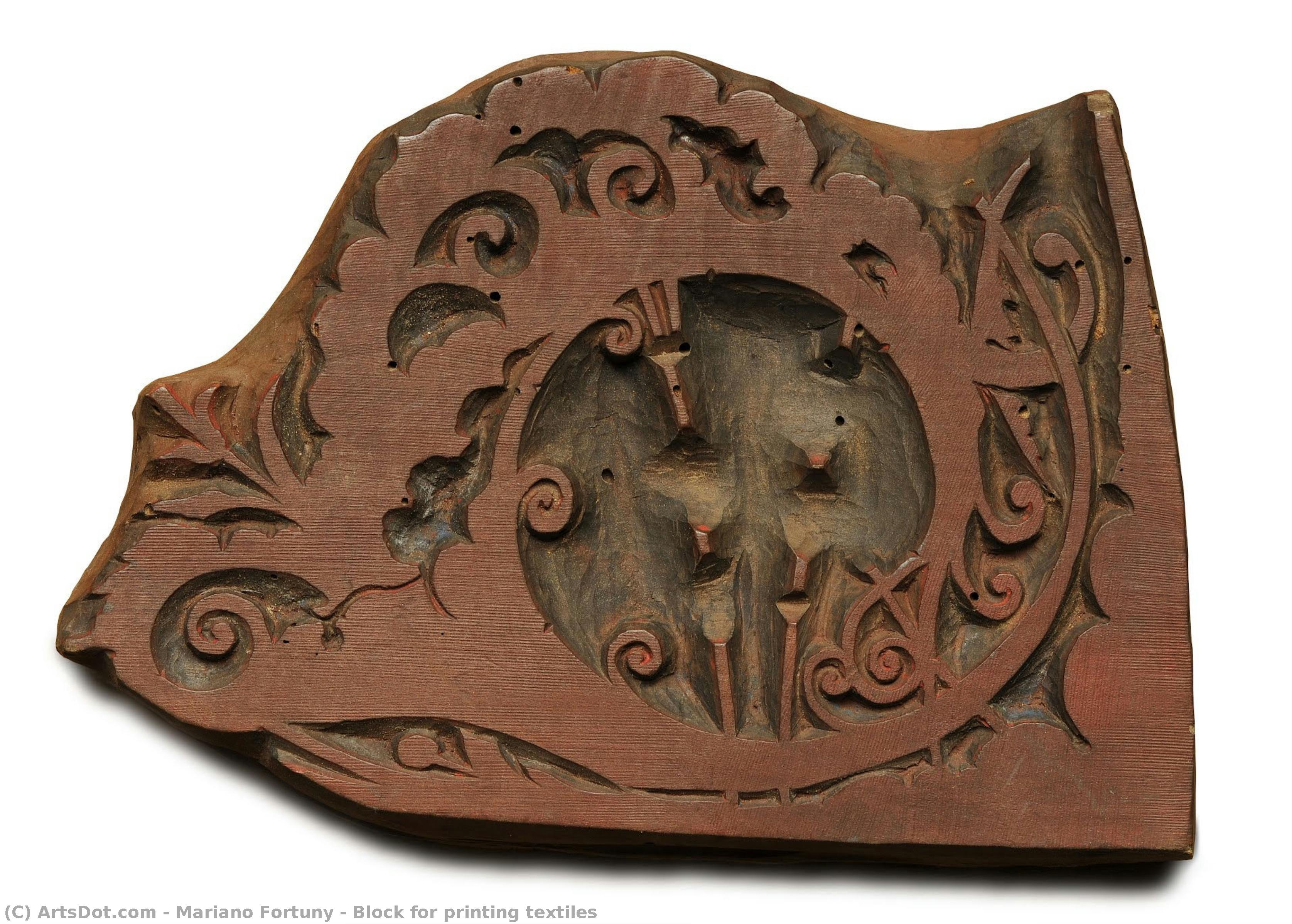
Block for printing textiles


 Loe lähemalt
Giclée / Kunstiprint
Muuseumikvaliteediga giclée- või kangasprint kiire tootmisega ja paindlikud viimistlusvõimalused. ( Osta käsitsi maalatud teos Lülita digitaalse pildi juurde)




P118B €10

P118H €10

P118W €10

P438Z €10

P508JH €12

P508YH €12

P805H €10

P805Z €10

P919BZ €10

P919G €10

P919XJ €10

P959ZH €10

P968JZ €12

W106C €8

W218G €10

W218JH €8

W218Y €10

W307PJ €10

W316G €10

W316PJ €8

W316Y €10

W398PJ €8

W4111J €10

W500HY €15

W500JH €15

W692G €12

W849H €8

W940BG €15

W953PJ €8




Vali meie eelmääratud suurused, mis vastavad teose algupärastele proportsioonidele.

Sisestage vajalik laius ja kõrgus, et see sobiks teie raamile või seinale. Trükki saab ainult lõigata, seda ei saa kunagi pildist suuremaks teha, seega ka erineva mustega suurus kaotab osa pildist. Enne trükkimist saadame teile kinnitamiseks digitaalse näidisprojektsiooni. Sellel lehel näidatud pilt ei kujuta reaalset lõiget — seda näitab ainult näidisprojektsioon.
Ülemaailmne tarne () 2 nädala jooksul, tavalise 4/5 nädala asemel. (6 november)

Tasuta ekspresssaatmine üle maailma

Kõrgekvaliteediline lina-kangas

Täielik transpordikindlustus

Tollimaksude tagastamise garantii

Värvitoime täpsuse garantii

100 päeva tagastusõigus (ainult valmistusdefektide korral)

100% raha tagasi garantii

Hulgusoodustus
 Klaasivalik on saadaval ainult kuni 110 cm suuruses teostes

Block for printing textiles
Giclée / Kunstiprint
Reproduktsiooni suurus
-


Koguhind
€ 72
A Whisper of Geometry: Unveiling Mariano Fortuny’s ‘Block for Printing Textiles’
Mariano Fortuny y Madrazo, a name synonymous with the opulent elegance of 19th-century Spain and beyond, wasn't merely a painter; he was a revolutionary designer, a master craftsman, and an inventor who fundamentally reshaped the world of theatrical lighting and textile production. His ‘Block for Printing Textiles’ (1905), now meticulously reproduced by OriginalUniqueArt.com, offers a rare glimpse into this multifaceted genius – a tangible embodiment of his fascination with geometry, Celtic motifs, and the interplay of light and shadow. This isn't simply a decorative block; it’s a concentrated distillation of Fortuny’s artistic vision, a testament to his meticulous hand, and a window into a period of intense experimentation and innovation.
The Language of Form: Geometry and Celtic Echoes
At first glance, the block’s surface appears deceptively simple – a dense arrangement of swirling lines and geometric shapes rendered in shades of reddish-brown. However, closer inspection reveals a complex tapestry of interlocking patterns, echoing the intricate designs found in Celtic knotwork. Fortuny was deeply influenced by Orientalist art, particularly the decorative motifs of Morocco, but he also possessed a profound appreciation for ancient European traditions, evident in this subtle homage to the Celtic aesthetic. The precise execution suggests a deliberate attempt to capture not just visual form, but also the inherent dynamism and interconnectedness of these patterns – a concept central to Fortuny’s broader artistic philosophy.
A Legacy Forged in Light: Technique and Innovation
The creation of this block represents a pivotal moment in Fortuny's career. He was actively experimenting with new techniques for creating theatrical lighting, particularly his ‘cyclorama dome,’ a revolutionary device that utilized reflected light to create seamless transitions between scenes in grand opera houses. This block is believed to be a prototype or working model for these larger-scale installations – a miniature representation of the complex systems he devised to manipulate and control light. The meticulous carving demonstrates an extraordinary level of skill, requiring not only artistic vision but also a deep understanding of materials and their properties. Fortuny’s inventive spirit extended beyond lighting; his patents reveal a relentless pursuit of innovation in various fields, including textiles, ceramics, and even furniture design.
Beyond Decoration: Symbolism and the Fortuny Aesthetic
While undeniably beautiful, ‘Block for Printing Textiles’ transcends mere decorative function. It embodies Fortuny's broader aesthetic – one characterized by a harmonious blend of geometry, asymmetry, and a subtle sense of mystery. The swirling patterns evoke movement and dynamism, while the restrained color palette creates an atmosphere of sophisticated elegance. Fortuny sought to capture not just the appearance of reality but also its underlying essence—a pursuit reflected in his meticulous attention to detail and his innovative use of light and shadow. This block is a tangible manifestation of that quest – a miniature world brimming with artistic intention.
Collecting a Masterpiece: Reproduction and Preservation
OriginalUniqueArt.com offers high-quality, hand-painted reproductions of this extraordinary work by Mariano Fortuny. Each reproduction meticulously recreates the original block’s intricate details, capturing its unique texture and color palette. Choosing a reproduction allows you to bring this captivating piece into your home or office, celebrating Fortuny's legacy while preserving the integrity of his artistic vision. Explore our selection today and experience the enduring beauty of ‘Block for Printing Textiles.’
Korduvad küsimused
Millal teos "Block for printing textiles" loodi ja millesse kunstisuuna see kuulub?
Teos "Block for printing textiles" loodi aastal 1905, kuuludes Art Nouveau suunasse.
Kas teosele „Block for printing textiles“, autor Mariano Fortuny on olemas juhend?
Teosele „Block for printing textiles“, autor Mariano Fortuny on saadaval Õppekasutusjuhend leht: trüvitav infoleht teose kohta, mis on loodud õpilasteks ja klassiruumis kasutamiseks.
Millises materjalis on teos „Block for printing textiles“, autor Mariano Fortuny valmistatud?
Teose "Block for printing textiles" loomisel kasutas Mariano Fortuny Woodblock Print tehnikat. See tehnika määrab originaalteose materjalilise olemuse.
Kunstniku elulugu
Varajane elu ja inspiratsioon
Mariano Fortuny, hispaania moekunstnik, sündis 11. mail 1871. aastal Granadas Hispaanias. Tema isa, Mariano Fortuny y Marsal, oli žanripainter, kes suri, kui Marianol oli alles kolm aastat vanu. See sündmus viis perekonna Pariisi Prantsusmaale, kus ema tutvustas Marianot erinevate tekstilide ja kangaste maailmale, mis hiljem mõjutasid tema loovust. Fortuny varajane lapsepõlv oli täidetud kunstilise väljenduse otsingutega ning ta näitas juba noorest east alates huvi paljude kunsti vormide vastu. Pariisi kunstielu pakkus talle rikkalikku inspiratsiooniallikat, kus ta sai tuttavaks erinevate stiilidega ja tehnikatega.Kunstiline talent ja leiutised
Mariano Fortuny demonstreeris noorest east alates kunstilist andekust, näidates oskusi maalimises, fotograafias, skulptuuris, arhitektuuris, etsis ning teatrilavastuse valgustuses. Tema leiutised, millest üle kahekümne patenteeriti aastatel 1901–1934, revolutsioneerisid teatrimaailma disaini. Ta arendas välja Fortuny tsükloraama kupli – veerandkuplikujulise struktuuri kipsist või kangast –, mis kasutas kaudset valgust stseenide sujuva ülemineku loomiseks. Tema väitekiri "Eclairage scenique" (1904) kirjeldas tema avastust valguse peegeldamisest erinevatelt pindadelt, muutes selle värvi, intensiivsust ja omadusi. Fortuny ei piirdunud ainult tehniliste uuendustega; ta otsis pidevalt uusi viise valgust kasutades atmosfääri ja emotsionaalse mõju loomiseks teatris. Tema eksperimendid valguse ja varjude vahel olid tema tööde tunnusjooned ning need avaldasid sügavat mõju teatrimaailma arengule.Olulised saavutused ja koostööd
Mariano Fortuny töö pälvis laialdast tunnustust 1920. aastatel. Ta tegi koostööd silmapaistvate figuuridega, sealhulgas: Richard Wagner, saksa helilooja, kelle ooperid inspireerisid Marianot maali looma. Kuulsas ooperimajas La Scala Milanos paigaldas ta oma kupli, kohandades selle suurema teatri jaoks ja leiutades imemisventilaatori struktuuri pingul hoidmiseks. Fortuny looming ei piirdunud ainult teatrikunstiga; tema disainid mõjutasid ka moemaailma, eriti tema Delphose kleitide loomine, mis olid tuntud oma ainulaadse lõike ja kanga poolest. Tema koostööd Wagneri ja La Scala ooperimajaga näitasid tema võimet ühendada erinevaid kunstivorme ning luua uuenduslikke ja mõjukaid teoseid.Pärand ja hilisem elu
Mariano Fortuny suri 3. mail 1949. aastal Veneetsias Itaalias. Tema töö inspireeris prantsuse kirjanikku Marcel Prousti, ning tema elu kujutati Pere Gimferrer’i romaanis "Fortuny". Mariano pärand jätkab teatrikunstliku disaini maailma mõjutamist. Fortuny loomingu oluline osa on tema Delphose kleitide kollektsioon, mis on tuntud oma elegantsi ja ainulaadse stiili poolest. Kleidid olid valmistatud spetsiaalselt disainitud kangastest ning need kandsid endas orientalistlikke elemente, mis olid Marianot kogu tema karjääri saatnud. Tema tööde uurimine OriginalUniqueArt'i kollektsioonis võimaldab sügavamat arusaama tema leiutistest ja disainidest. Lisaks avastage tema töö mõju teatrivalgustusele "The Museum Destroyed by Fire (United States)" loos, mis räägib Ameerika kunstiajalugu kujundanud õnnetustest.Valitud maalid Mariano Fortunylt ja teistelt kunstnikelt
- Mariano Fortuny: Teagown (Fine Arts Museum, Boston, USA), saadaval OriginalUniqueArt'i kollektsioonis.
- Marc Chagall: Study to 'Song of Songs IV' (naiivne kunst / primitiivism), saadaval OriginalUniqueArt'i kollektsioonis.
- Pablo Picasso: Clarinet (analüütiline kubism, õlimaal), saadaval OriginalUniqueArt'i kollektsioonis.
- Vincent van Gogh: Tree Roots (50 x 100 cm, postimpressionism, õlimaal), saadaval OriginalUniqueArt'i kollektsioonis.

Mariano Fortuny
1871 - 1949 , Hispaania
Lühikest infot
- Artistic Movement Or Style: Orientalism
- Artists Or Movements Influenced By This Artist: ['Marcel Proust']
- Artists Who Influenced This Artist: ['Richard Wagner']
- Date Of Birth: 11. mai 1871
- Date Of Death: 3. mai 1949
- Full Name: Mariano Fortuny y Marsal
- Nationality: Hispaania
- Notable Artworks:
- Teagown
- Portrait of Henriette Fortuny
- Place Of Birth: Granada, Hispaania
Sarnased artiklid

Mariano Fortuny: A Fusion of Art, Fashion & Design – Exploring a Venetian Innovator's Legacy
Explore the captivating world of Mariano Fortuny – artist, designer & innovator. Discover his revolutionary textiles, iconic Delphos gown, and lasting influence on art, fashion & interiors. A collector's guide to a Venetian master.

The Enduring Legacy of Woodblock Printmaking: Technique, History & Artistic Expression
Explore the rich history of woodblock printmaking – from ancient techniques to Ukiyo-e masterpieces. Discover expert insights on collecting, preserving & appreciating this enduring art form.

Giclée Prints: Archival Quality & Aesthetic Nuances for the Discerning Collector
Explore the world of giclée prints with OriginalUniqueArt. Learn about archival quality, aesthetic nuances & investment potential. Expert guidance for discerning art collectors seeking museum-quality reproductions and lasting value.

Echoes of Time: Exploring the Enduring Appeal & Historical Context of Vintage Art Prints
Explore the captivating world of vintage art prints! Discover their history, collecting tips & enduring appeal. Expert insights on chromolithography and building a legacy collection with OriginalUniqueArt.

The Enduring Legacy of Fine Art Prints: Technique, History & Aesthetic Impact
Explore the rich history & techniques of fine art prints. Discover investment potential, assess authenticity, and learn how to preserve your collection with expert guidance. Trusted insights for discerning collectors.
