Text size

() ·

A painting made for you, by hand

Chess Game

Käsitsi valmistatud õlimaalireproduktsioon

Meie kunstnike poolt tellimusel valmistatud käsitsi maalitud õli-kainaste teos teie soovitud suuruses ja raamis. ( Lülita trükkitoodetele Lülita digitaalse pildi juurde)

Kogumisobjekti kirjeldus

Experience Marcel Duchamp's 'The Chess Game,' a captivating post-impressionist oil painting from 1910. Explore themes of boredom, social constraints & Cubism at OriginalUniqueArt.com.

Kunstniku elulugu

Marcel Duchamp: revolutsiooniline kunstnik, kes küsitles kunsti olemust Dadaismiga ja 'valmiskesed' nagu 'Fountain'. Avasta tema ikoonilisi teoseid ja filosoofilisest mõjust!

from ·

Chapter 1

How large should it be?

Slide to change the size; the picture on the left shows the frame at its real width. The proportions of the original are kept.

Standardne suurus
kohandatud
CM
INCH

Vali meie eelmääratud suurused, mis vastavad teose algupärastele proportsioonidele.

laius
kõrgus

Sisestage vajalik laius ja kõrgus, et teos sobiks teie raamile või seinale. Kuna tegu on käsipainatud teosega, siis erineva kujuga suuruse korral võib kunstnik jätta pildi ümber veidi rohkem marginaali või lõigata osa ära — valik on teie. Enne maali alustamist saadame teile kinnitamiseks digitaalse näidisprojektsiooni. Sellel lehel näidatud pilt ei kajasta tegelikku tulemust — seda näitab ainult näidisprojektsioon.

Chapter 2

How should it arrive?

Choose the edges of the stretched canvas

Choose your frame

Corner sample of the WhiteWrap canvas edge finish, stretched on massivpuit bars
White €1
Corner sample of the BlurSideWrap canvas edge finish, stretched on massivpuit bars
Blurside €1
Corner sample of the ExtendedWrap canvas edge finish, stretched on massivpuit bars
Extended €1
Corner sample of the P118B picture frame: vormitud polüstüreen, 5 cm wide and 3 cm thick
P118B €10
Corner sample of the P118H picture frame: vormitud polüstüreen, 5 cm wide and 3 cm thick
P118H €10
Corner sample of the P118W picture frame: vormitud polüstüreen, 5 cm wide and 3 cm thick
P118W €10
Corner sample of the P438Z picture frame: vormitud polüstüreen, 5.5 cm wide and 3.5 cm thick
P438Z €10
Corner sample of the P508JH picture frame: vormitud polüstüreen, 7 cm wide and 3.5 cm thick
P508JH €12
Corner sample of the P508YH picture frame: vormitud polüstüreen, 7 cm wide and 3.5 cm thick
P508YH €12
Corner sample of the P805H picture frame: vormitud polüstüreen, 5 cm wide and 3.5 cm thick
P805H €10
Corner sample of the P805Z picture frame: vormitud polüstüreen, 5 cm wide and 3.5 cm thick
P805Z €10
Corner sample of the P919BZ picture frame: vormitud polüstüreen, 7 cm wide and 3.5 cm thick
P919BZ €10
Corner sample of the P919G picture frame: vormitud polüstüreen, 7 cm wide and 3.5 cm thick
P919G €10
Corner sample of the P919XJ picture frame: vormitud polüstüreen, 7 cm wide and 3.5 cm thick
P919XJ €10
Corner sample of the P959ZH picture frame: vormitud polüstüreen, 5 cm wide and 3 cm thick
P959ZH €10
Corner sample of the P968JZ picture frame: vormitud polüstüreen, 6 cm wide and 4 cm thick
P968JZ €12
Corner sample of the W106C picture frame: massivpuit, 5 cm wide and 3 cm thick
W106C €8
Corner sample of the W218G picture frame: massivpuit, 5 cm wide and 3 cm thick
W218G €10
Corner sample of the W218JH picture frame: massivpuit, 5 cm wide and 3 cm thick
W218JH €8
Corner sample of the W218Y picture frame: massivpuit, 5 cm wide and 3 cm thick
W218Y €10
Corner sample of the W307PJ picture frame: massivpuit, 6 cm wide and 3 cm thick
W307PJ €10
Corner sample of the W316G picture frame: massivpuit, 6 cm wide and 3 cm thick
W316G €10
Corner sample of the W316PJ picture frame: massivpuit, 6 cm wide and 3 cm thick
W316PJ €8
Corner sample of the W316Y picture frame: massivpuit, 6 cm wide and 3 cm thick
W316Y €10
Corner sample of the W398PJ picture frame: massivpuit, 5 cm wide and 3 cm thick
W398PJ €8
Corner sample of the W4111J picture frame: massivpuit, 6.5 cm wide and 3.5 cm thick
W4111J €10
Corner sample of the W500HY picture frame: massivpuit, 7 cm wide and 5 cm thick
W500HY €15
Corner sample of the W500JH picture frame: massivpuit, 7 cm wide and 5 cm thick
W500JH €15
Corner sample of the W692G picture frame: massivpuit, 8 cm wide and 4 cm thick
W692G €12
Corner sample of the W849H picture frame: massivpuit, 5 cm wide and 3 cm thick
W849H €8
Corner sample of the W940BG picture frame: massivpuit, 7.5 cm wide and 4.5 cm thick
W940BG €15
Corner sample of the W953PJ picture frame: massivpuit, 6 cm wide and 3.5 cm thick
W953PJ €8
Corner sample of the H24-GOLD picture frame: kareeritud puit ja gesso, 10 cm wide and 6 cm thick
H24-GOLD €30
Corner sample of the H24-SILVER picture frame: kareeritud puit ja gesso, 10 cm wide and 6 cm thick
H24-SILVER €30
Corner sample of the H36-GOLD picture frame: kareeritud puit ja gesso, 15 cm wide and 6.5 cm thick
H36-GOLD €45
Corner sample of the H36-SILVER picture frame: kareeritud puit ja gesso, 15 cm wide and 6.5 cm thick
H36-SILVER €45
Raami eelvaade
Raamitud

Moulding: . Overall size with the frame: .

Chapter 3

Who paints it, and should anything change?

Examples of what can be changed: Replace face with customer photo; Add pet (e.g., replace cat with dog); Include hidden message in background; Change background landscape or elements.
After order, OriginalUniqueArt.com team will email client for instructions and provide a mockup preview

Maailmline tarne 3–4 nädala jooksul tavalise 5 nädala asemel. (1 november). Kvaliteedis kompromisse ei tehta.

Chapter 4

The finishing touches

A nameplate, as in a museum?

Graveeritud pronksplaadi üksikasjad

This elegant plaque features the artist's name and the title of the artwork, finely engraved for a timeless presentation.

It is made from bronze with a refined, elegant finish. The text is precisely laser-engraved for a sharp and permanent result. Measuring 9x2 cm, the plaque is compact yet easy to read. It's built to be durable and scratch-resistant, offering a professional, museum-quality look. Mounting is simple thanks to the included adhesive backing.

Läbipaistva akrüülplaadi üksikasjad

The plaque includes essential engraved details such as the artist's name, the title of the artwork, the date it was created, the type of media used-like oil on canvas or watercolor-a brief description of the piece, and a QR code that links to the complete artwork information.

It is crafted from clear acrylic, offering a sleek, modern appearance. The text is UV-engraved in black to ensure strong visual contrast. With a size of 10x15 cm, it ensures optimal readability. It comes equipped with two metal hooks for secure wall mounting. The plaque is designed to be weather-resistant, making it suitable for various environments, and it includes interactive features that work seamlessly with smartphone scanning.

Musta akrüülplaadiรายละเอียด (Note: The user provided "Musta akrüülplaadi detailid" as the current translation and asked for an improved version. Since "Musta akrüülplaadi

This elegant plaque includes engraved information such as the artist's name, the title of the artwork, the date it was created, the type of media used (like oil on canvas or watercolor), a short description of the artwork, and a QR code for quick access to more information.

The plaque itself is made from refined black acrylic with a premium finish. The text is laser-engraved in white for high contrast and readability. Its size is 10x15 cm, designed to be easy to read. It comes with two metal hooks for professional mounting. The design is sleek and fits any interior style. It is also weather-resistant and durable, with built-in digital integration for mobile compatibility.

A protective varnish?

When do you need it?

Chapter 5

Your painting, as you ordered it

Chess Game

Reproduktsiooni tehnika

Reproduktsiooni suurus

-

Eelistatud tippkunstnik

Rohkem detaile, peenust ja lisatootmisaega

-

Reproduktsiooni raamivalikud

-

-

Kunstiteoste või reproduktsioonide puhul, mille üks külg on üle 105 cm (umbikmolt 41 tolli), saadetakse raam kirjal asendis, la Dismantlitud komplektina. See meetod tagab ohutuse kohaletoimetamisel ja väldib transpordil tekkivaid kahjustusi.

Vajalik professionaalne kokkupanek – see ei ole isetegevusega valmistamiseks mõeldud toode.
Komplekt tuleb kokku panna ja lõvet pingutada kogemusega professionaalse raamija, kasutades puiduliim (ei kuulu komplekti), lõvetpingi ja klempe, et hoida raami kande mustad õigena liimi kuivamisaja jooksul. Vale kokkupanek või ebaühtlane lõvetping võib kunstiteost püsivalt kahjustada ning seda ei katta meie garantii.

  • Kaasatud on kõik tahked puidust liistud, täpselt lõigatud vastavaks suuruseks.

  • Kokku panemiseks kasutatakse lisatud kruvisid ning nurkade liimamiseks vajalikku puuliima, mida ei ole komplektis ja mida peab raamivalmistaja ise hankima.

  • Vajalik on kasutada professionaalseid tööriistu, mis ei kuulu komplekti: lõvetelapide pingist (pingutaja) ja klambreid, et hoida raami puidu nurgas õigena liimi kuivamisaja jooksul.

Oluline:
Nurgaliimamiseks on vaja puiduliim, liimimine peab toimuma klempide all kuni liim on täielikult kuivanud ning kokku monteeritud raami kanga pingutamiseks on vajalik kanga pingutustang. Kumbki neist ei kuulu komplekti. Palun veenduge enne selle suuruse tellimist, et teil on saadaval kogenud professionaalne raamistaja.

Nimesildikiri

-

-

Kaitsevärnitsus

Läikiv lakk (muudab värvid elavamaks ning kaitseb valgust ja niiskust eest)

-

Kohanda oma teost

Näiteid muudatuste kohta: Asenda nägu kliendi fotoga; Lisa lemmikloom (nt asenda kass koeraga); Lisa taustale peidetud sõnum; Muuda tausta maastikku või elemente.

-

Kiire tarne

Ülemaailmne tarne riiki 3–4 nädalaga tavalise 5 nädala asemel. (1 november). Kvaliteedis kompromisse ei tehta.

-

Kiirsaatmine

Ülemaailmne tarne () 5 nädala jooksul. (8 november).

Sisse kuuluv

Koguhind

€ 267

Kogu summa € 267

Klaasivalik on saadaval ainult kuni 110 cm suuruses teostes

Included with every order

  • Tasuta ekspresssaatmine üle maailma
  • Kõrgekvaliteediline lina-kangas
  • Täielik transpordikindlustus
  • Tollimaksude tagastamise garantii
  • Värvitoime täpsuse garantii
  • 100 päeva tagastusõigus (ainult valmistusdefektide korral)
  • 100% raha tagasi garantii
  • Hulgusoodustus

A Game of Shadows: Marcel Duchamp’s “The Chess Game”

Marcel Duchamp's "The Chess Game," painted in 1910, isn’t merely a depiction of a game; it’s a meticulously crafted tableau of ennui, social constraint, and the burgeoning anxieties of modern life. Housed within the walls of the Philadelphia Museum of Art, this oil on canvas invites viewers into a world where strategic decisions collide with unspoken tensions, all rendered in Duchamp's signature post-impressionist style – a deliberate departure from the naturalistic focus of his predecessors. The painting’s power lies not just in its visual elements but in the complex web of symbolism it weaves, reflecting the intellectual currents of early 20th-century Europe and hinting at Duchamp’s revolutionary approach to art itself.

Duchamp's artistic journey leading up to "The Chess Game" was marked by a restless experimentation. Initially drawn to Cubism – evident in his earlier work, *Portrait of Chess Players* – he soon found himself increasingly dissatisfied with the purely formal concerns of the movement. He sought to capture not just the appearance of objects but their underlying essence, their emotional weight. This pursuit led him toward Dadaism and ultimately, Conceptual Art, where the idea behind a work often superseded its physical form. “The Chess Game” embodies this shift, prioritizing atmosphere and psychological suggestion over straightforward representation.

  • Post-Impressionist Influence: Duchamp’s use of bold colors – particularly the muted greens and browns that dominate the scene – is characteristic of post-impressionism. However, he employs these colors not to faithfully reproduce reality but to evoke a specific mood: one of quiet desperation and stifled energy.
  • Gustave Flaubert's Echoes: The painting’s pervasive sense of boredom and restlessness directly reflects the themes explored by Gustave Flaubert in *Madame Bovary*. Duchamp, deeply influenced by Flaubert’s exploration of female dissatisfaction and the limitations imposed upon women in 19th-century society, uses the chess game as a metaphor for life itself – a strategic battle fought within restrictive social boundaries.
  • Brotherly Portraiture: The inclusion of Duchamp's brothers, Raymond and Jacques Villon, alongside their wives, Yvonne and Gaby, is particularly significant. Their postures—hunched over the chessboard, Yvonne reclining languidly on the grass, Gaby nervously fiddling with a tea set—suggest a subtle power dynamic. The exclusion of the women from the game underscores the societal constraints placed upon them at the time, highlighting their limited roles and unspoken frustrations.

The Scene Unfolds: A Garden of Contemplation

The setting itself is crucial to understanding the painting’s emotional impact. It's a meticulously rendered garden scene, yet one devoid of warmth or vitality. The furniture—a table laden with cups, bowls, and spoons—suggests a comfortable domesticity, but it’s juxtaposed against the palpable sense of unease. The chessboard, positioned at the center of the composition, becomes a potent symbol: a battlefield where men engage in intellectual warfare while women are relegated to the periphery. The careful arrangement of objects – the strategically placed cups and bowls, the precise positioning of the chairs – creates a visual rhythm that mirrors the strategic thinking required for success in chess, yet simultaneously underscores the artificiality of the situation.

Symbolism and the Chessboard as Metaphor

Beyond its immediate depiction, “The Chess Game” is rich with symbolic meaning. The chessboard itself represents life’s complexities – a series of choices, strategies, and potential outcomes. The players, engrossed in their game, are trapped within this metaphorical landscape, navigating challenges and making decisions that shape their destinies. Duchamp's brothers, as the dominant figures at the table, embody the masculine ideals of the era—intellectual prowess, strategic thinking, and a perceived control over their own lives. The exclusion of the women suggests a critique of patriarchal structures and the limited opportunities available to women in that society. Yvonne’s semi-recumbent position speaks to a sense of passive acceptance, while Gaby's nervous fidgeting hints at suppressed anxieties.

Artistic Significance and Reproduction

“The Chess Game” stands as a pivotal work in Duchamp’s artistic development, demonstrating his early experimentation with post-impressionism and foreshadowing his later embrace of Cubism and Conceptual Art. It's a remarkably prescient painting, capturing the anxieties and social tensions of its time while simultaneously anticipating the radical shifts that would transform the art world in the 20th century. OriginalUniqueArt.com offers meticulously crafted oil painting reproductions of this captivating masterpiece, ensuring that every detail—from the subtle nuances of color to the intricate textures of the furniture—is faithfully recreated. These handmade reproductions provide a tangible connection to Duchamp’s revolutionary vision, allowing art enthusiasts and collectors alike to experience the power and beauty of “The Chess Game” in their own homes.
  • High-Quality Reproduction: Our skilled artists use traditional oil painting techniques to meticulously recreate Duchamp's original work, capturing its unique atmosphere and emotional depth.
  • Authentic Materials: We employ only the finest pigments and canvases to ensure that our reproductions are durable and visually stunning.
  • A Window into Modernity: Own a piece of art history and gain a deeper understanding of Duchamp’s artistic vision.

Explore more post-impressionist masterpieces and discover the beauty of handmade art at Marcel Duchamp: Chess Game and The Chess Game on OriginalUniqueArt.com.

Korduvad küsimused

Kust kohalt Marceli Dupšan korduvad teemad teoses "Chess Game" ilmumisel?

Marceli Dupšan dokumenteeritud teemade — post-impressionism, flaubert’s ennui, cubist elements, distorted forms, early experimentation, chess game series, dada precursors, exploring modern life — seas paneb teos "Chess Game" erilist tähelepanu teemadel chess, game, boredom, women, exclusion, flaubert, garden, strategy.

Millist reproduktsiooni suurust soovitatakse teosele „Chess Game“, autor Marceli Dupšan?

Soovitatav trükimõõt teosele „Chess Game“, autor Marceli Dupšan on Medium.

Mis on teose "Chess Game" formaat?

„Chess Game“, autor Marceli Dupšan on Landscape kompositsioon. Trüki suuruse valimisel on mõistlik kontrollida selle proportsioone.

More about this painting

Eelvaade AR-eelvaade Lülita trükkitoodetele Lülita digitaalse pildi juurde Saada
Teave teose kohta Juhend Lisa lemmikutesse Laadi alla Sarnased teosed Röntgenuuring Slaidietendus Q&A Statistika

In numbers

  • 1910the year it was painted
  • 29frames to choose from
  • standard sizes, in its own proportions
  • 5weeks to paint and deliver it

About the original

Mõõtmed
114.0 x 146.0 cm
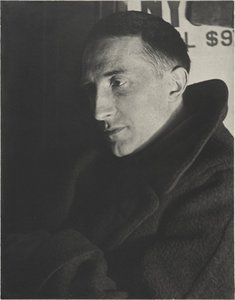
Marceli Dupšan

Marceli Dupšan

1887 - 1968, Prantsusmaa

Quick facts about Marceli Dupšan

  • Artistic Movement Or Style:
    • Kubism
    • Dadaism
    • Kontseptsionaalne kunst
  • Artists Or Movements Influenced By This Artist:
    • Kontseptsionaalne kunst
    • Pop Art
    • Minimalism
  • Date Of Birth: 28. juuli 1887
  • Date Of Death: 2. oktoober 1968
  • Full Name: Marcel Duchamp
  • Nationality: Prantsuse-Ameerika
  • Notable Artworks:
    • Fountain
    • L.H.O.O.Q.
    • The Large Glass
  • Place Of Birth: Blainville, Prantsusmaa

Kunstniku elulugu

Marcel Duchamp: Kunstirevolutsioon ja Ideede Võlu

Marcel Duchamp, sündinud Henri-Robert-Marcel Duchamp 28. juulil 1887 Blainville’is Normandias, oli rohkem kui kunstnik; ta oli filosoofiline provokaator, kes muutis radikaalselt kaasaegse kunsti suunda. Tema varajane elu, kuigi näiliselt tavapärane – kasvatatud perekonnas, mis hindas kunstilist väljendust ning kus mõlemad vennad jätkasid edukat karjääri artistitena – viitas tulevasele ikoonohjele. Duchamp alustas esmalt ametlikku õpet, omandades traditsioonilised oskused ja katsetades postimpressionistlike stiilidega. Kuid see akadeemiline vundament ei olnud iseendasse suunatud eesmärk, vaid pigem hüpe küsimuste juurde, mis puudutasid kunsti olemust, selle otstarvet ja definitsiooni. Ta ei tahtnud pelgalt kujutada maailma; ta püüdis väljakutsetele vastata, kuidas me seda tajume ning mida kunstist endast arusaadavaks teeb. See rahutu intellektuaalne uudishimu sai tema vilja saamise määravaks jooneks.

Kuberismist Dadaismini: Konventsioonide Hüljamine

Duchampi kunstiline tee oli märgitud pideva arenemisega, kindlalt kehtestatud normidest loobumisega. Tema esmane seotus kubismiga, mis on näha teostes nagu *Portree malemängijatest* (1911), näitas huvi fragmentaarse vormi ja mitmekordsete perspektiivide vastu – lahkumine traditsioonilisest kujutusest. Siiski, ta liikus peagi kaugemale puhtalt esteetilistest murest, teades, et pelgalt visuaalsete elementide ümberkorraldamine ei piisaks süvemate küsimuste lahendamiseks. Esimese maailmasõja õudused suurendasid seda rahulolematust, viies Duchampi Dadaismi omaktseltsele. See oli liikumine, mis sündis pettumusest ja loogika, mõistuse ning traditsiooniliste kunstiväärtuste hüljamisest. Just Dadaistliku raamistikus alustas Duchamp tõeliselt konventsionaalsete kunstimõistetega lõhkumist. Ta ei tahtnud luua ilusaid objekte; ta soovis provotseerida mõtlemist, väljakutsetele vastata ning paljastada esteetilise hindamise meeldivat juhuslikkust. Sel perioodil sündis tema kõige radikaalsem innovatsioon: 'readymade'.

Readymaded ja Kunsti Alandamine

Tavaste valmistoodete – valitud ja kunstina esitatud igapäevaste objektide – tutvustamine oli Duchampi olulisim panus 20. sajandi kunstile. Need ei olnud lihtsalt leitud objekte; need olid tahtlikud kunstilise alandamise aktid. Võttes tavalise eseme, nagu näiteks tualetipoti (*Vesinurgas*, 1917), kirjutades sellele nimega "R. Mutt" ja saates see kunstitreeningule, Duchamp küsis küsimusi kunstniku oskuse ning autorluse definitsioonist. Kas teose looja oli artistide käsi või pigem artisti *idee*? See küsimus sai keskseks tema praktikale ning pani aluse Kontseptuaalsele Kunstile. Teised tuntud readymaded, nagu *L.H.O.O.Q.* (1919), Mona Lisa postkaartreproduktsiooni, millele on lisatud vitsaga ja habe, olid mängulised, kuid teravad kriitika kunstiajaloo ning kehtestatud kultuuriikoonide vastu. Need teosed ei pidanud olema esteetiliste kvaliteetide poolest imetletavad; nad pidi provotseerima arutelu ning sundima vaatajaid ümber hindama, mis kunsti moodustab. Duchamp uskus, et kunst peaks elama meeles, mitte ainult silmas.

Pärand ja Püsiv Mõjutus

Marcel Duchampi mõju järgnevatele kunstnike põlvkondadele on mõõdetav. Ta muutis radikaalselt meie arusaamist kunstist ning rajas tee selliste liikumiste jaoks nagu Kontseptuaalne Kunst, Minimalismi, Pop Art ja arvukad teised. Tema rõhk artisti ideel – teose taga oleval kontseptsioonil – tema esteetiliste kvaliteetide ees jätkab kunstnike inspireerimist tänapäevani.
  • Kuberism: Varajane uurimine fragmentaarse vormi ja ruumilise kujutuse üle.
  • Dadaism: Loogika, mõistuse ning traditsiooniliste kunstiväärtuste hüljamine Esimese maailmasõja reaktsioonina.
  • Kontseptuaalne Kunst: Põhirõhk teose taga oleval ideel pigem kui selle esteetilistel kvaliteetidel.
Tema töö jätkab arutelu provotseerimist ning väljakutsetele vastamist, et vaatajad peaksid ümber hindama oma eeldusi loova ja kunstilise väljenduse kohta. Duchamp ei olnud pelgalt artist; ta oli filosoof, provokaator ning revolutsionäär, kes julges kõigest küsida. Ta jääb keskseks tegelaseks arutlustes kunsti olemuse ning selle rolli kohta ühiskonnas, tema pärand resonantsib võimsalt kaasaegses kunstimaailmas. *Suur Klaas* (1915-1923), oma keerulise sümbolismiga ja salaperase kujundusega, on tunnistus tema intellektuaalsest jõust ning püsivast mõjust. Duchampi töö ei ole vastuste andmise kohta; see on küsimuste esitamine – küsimused, mis jätkavad meid väljakutsetele vastamist ja inspireerimist tänapäevani.

Teave teose kohta

  • Dimensions: 114 x 146 cm
  • Artistic style: Cubist influence
  • Year: 1910
  • Influences: Flaubert
  • Location: Philadelphia Museum
  • Movement: Post-Impressionism

Kunstiteaduse kvartett

Iga küsimuse kohta on ainult üks õige vastus.

Küsimus 1:
What artistic movement is Marcel Duchamp primarily associated with in this painting?
Küsimus 2:
The scene depicted in 'The Chess Game' primarily reflects which theme?
Küsimus 3:
Which literary work heavily influenced Duchamp's interpretation of the scene in 'The Chess Game'?
Küsimus 4:
What is the significance of the exclusion of Yvonne and Gaby from the chess game in the painting?
Küsimus 5:
The chessboard itself serves as a metaphor for what concept within the painting?