Cubist Sculpture · 1914
Bottlerack (Marcel Duchamp, 1914)
Marcel Duchamp (1887–1968) on loonud teose Bottlerack. See on pärinev 1914 aastast. See kuulub Cubist Sculpture suuntrime. Teos on valmistatud materjalist Found Object Art. Mõõdud on 59 × 37 cm.
- 1914
- Found Object Art
- 59 × 37 cm

 Käsitsi maalatud õlimaalatsioon
 Saada
 Jaga
 Teave teose kohta


 Laadi alla
 Sarnased teosed
 Slaidietendus
 KÜSIMUSED JA VASTUSID

 Statistika
Bottlerack lühidalt
- Pealkiri
- Bottlerack
- Kunstnik
- Marcel Duchamp (1887–1968)
- Kunstnik on sündinud
- Blainville-Crevon, Prantsusmaa
- Kuupäev
- 1914
- Tehnika
- Found Object Art
- Mõõtmed
- 59 × 37 cm
- Suunad
- Cubist Sculpture
- Aeglkond
- Modern
- Teema
- metal sculpture, industrial art, geometric form, conceptual art, shelf structure, hook arrangement
Mida Bottlerack kujutab?
The Radical Simplicity of the Everyday
In the early twentieth century, a profound shift occurred in the landscape of modern art, one that moved away from the pursuit of traditional beauty toward a deeper, more intellectual engagement with reality. At the heart of this revolution stands Marcel Duchamp’s Bottlerack, a work created in 1914 that continues to challenge our very definition of what an artwork can be. On its surface, the piece presents a deceptively simple subject: a stack of metal shelves or racks, reminiscent of industrial utility rather than high art. Yet, within this mundane structure lies the seed of a conceptual explosion. By selecting a mass-produced object and elevating it to the status of sculpture, Duchamp bypassed the need for traditional virtuosity, instead inviting us to find profound meaning in the most commonplace of items.
The sculpture embodies the rebellious spirit of Dadaism, an avant-garde movement that emerged as a visceral reaction against the chaos and perceived irrationality of the era. Through the lens of this piece, we see the rejection of established aesthetic conventions in favor of a new, provocative logic. The technique employed—primarily the use of steel tubing and hooks—emphasizes a stark, industrial materiality. There is no attempt to hide the object's utilitarian origins; rather, Duchamp celebrates its geometric precision and structural honesty. This deliberate choice underscores his rejection of "retinal art"—art intended only to please the eye—and instead directs our attention toward the intellectual act of selection and the transformative power of the artist's gaze.
Symbolism and the Birth of the Readymade
Beyond its physical presence, Bottlerack carries a heavy symbolic weight that resonates through the decades. It serves as a primary example of the "readymade," a term Duchamp used to describe ordinary manufactured goods that become art through the mere act of choice and repositioning. The stack of hooks acts as a metaphor for the artist’s intervention into the realm of the everyday, asserting that creativity can be found in appropriation and conceptual thought rather than just skillful execution. This piece is not merely a rack; it is a declaration of independence from the constraints of representation, a monument to the idea that art can exist entirely outside the boundaries of beauty or narrative.
For the modern collector or interior designer, a high-quality reproduction of Bottlerack offers more than just a visual accent; it provides a conversation piece that evokes feelings of detachment, curiosity, and intellectual rigor. The sculpture’s stark lines and industrial aesthetic lend themselves beautifully to contemporary spaces, where they can act as a focal point of minimalist sophistication. To display this work is to invite the spirit of Duchamp into one's environment—to celebrate the beauty of structure and to honor the revolutionary moment when the boundaries between life and art were forever dissolved.
Bottlerack kõrge resolutsiooniga pildid
Protected by copyright: these files are for personal reference, not a licence to republish.
Marcel Duchamp, Bottlerack (1914).
Küsimused teemal Bottlerack – vastused
Mis on teose „Bottlerack“, autor Marcel Duchamp loomisaeg?
Teos "Bottlerack" on pärit aastast 1914. See ajastu aitab mõista teost Marcel Duchamp karjääri ja selle ajastu kontekstis.
Millises materjalis on teos „Bottlerack“, autor Marcel Duchamp valmistatud?
Teos "Bottlerack" on valmistatud tehnika Found Object Art.
Mis on originaalteose "Bottlerack" mõõdud?
Teose "Bottlerack" originaalmõõdud on 59 x 37 cm. Algdimensioonid on kasulik viide reproduktsiooni suuruse valimisel.
Millised teemad teoses „Bottlerack“, autor Marcel Duchamp esile tõelve?
„Bottlerack“, autor Marcel Duchamp kujutab: metal sculpture, industrial art, geometric form, conceptual art, shelf structure, hook arrangement, dada aesthetic.
Kas teos „Bottlerack“, autor Marcel Duchamp kuulub avalikku omandisse?
Tegijateõiguse osas on teos "Bottlerack" kuuluv klassifikatsiooni alla: on endiselt autoriõiguse all under kaitse.
Kes on teose "Bottlerack" looja?
Teose "Bottlerack" loovija on Marcel Duchamp. Selle lehe info kirjeldab Marcel Duchamp algteost.
Millisse kunstisuuna kuulub teos „Bottlerack“, autor Marcel Duchamp?
Teos „Bottlerack“, autor Marcel Duchamp kuulub Cubist Sculpture suunasse. See suund annab teosele stilistilise konteksti.
Millist etap Marcel Duchamp loomingus teos "Bottlerack" esindab?
Teos "Bottlerack" esindab kunstniku Marcel Duchamp loovperioodi Dada Era.
Kui vana oli Marcel Duchamp, kui ta loositud teose "Bottlerack" aastal 1914?
Kui teos "Bottlerack" loodi aastal 1914, oli Marcel Duchamp (sündinud aastal 1887) 27 aastane.
Kunstnikust, Marcel Duchamp

1887–1968, Prantsusmaa
Marcel Duchamp
Marcel Duchampi elu ja kunst Sündides 28. juulil 1887 Blainville'is, Normandiassa, Prantsusmaal, astus Marcel Duchamp maailma, kus loovimpulsi tung oli tema vere sügavalt sisse söetud. Ta oli Eugene'i ja Lucie Duchampi seitsmearaline perekonna neljas laps. See oli loovate inimeste ja mõtlejate koda; tema õed ja vennad jagasid seda loovust otsustamatust, kuna tema vennad Jacques Villon ja Raymond Duchamp-Villon ning tema õde Suzanne Duchamp-Crotti püüdsid kõik oma elu kunstnikuna.
Teel Marcel Duchamp kohta Marcel Duchamp silmapaistvad teosed
Ka Marcel Duchamp teosed
 Paljas naine astub trepist alla, nr 21912
 Kadunud noor mees rongist1911
 Antud: 1. Vesipõrts, 2. Valgustusgaas1966
 Allikas1917
Essee teemadel Bottlerack
 Industrial Revolution on Canvas: 10 Artworks That Define a Modern AestheticExplore 10 iconic artworks capturing the Industrial Revolution’s grit & beauty. From Monet to Manet, discover realism, impressionism & powe…
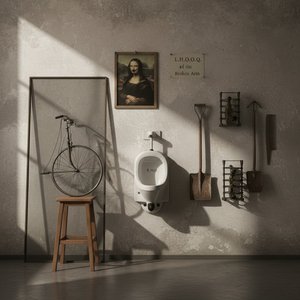 Marcel Duchamp: Challenging Conventions & Redefining Art in the 20th CenturyExplore the revolutionary art of Marcel Duchamp! Discover how his Dadaist readymades challenged artistic conventions & redefined modern art…
 The Radical Evolution of the Bottle in Still Life: From Cubist Deconstruction to Pop Art BoldnessTrace the evolution of bottle still life from Cubism to Pop Art with expert insight. Explore how masters redefined everyday objects now.