Expressionism · 1915
Marching (Marc Chagall, 1915)
Marc Chagall (1887–1985) on loonud teose Marching. See on pärinev 1915 aastast. See kuulub Expressionism suuntrime. Teos on valmistatud materjalist Acrylic On Canvas.
- 1915
- Acrylic On Canvas

 Eelvaade

 Käsitsi maalatud õlimaalatsioon
 Saada
 Jaga
 Juhend


 Laadi alla
 Sarnased teosed
 Röntgenuuring
 Slaidietendus
 KÜSIMUSED JA VASTUSID

 Statistika
Marching: põhitooded
- Pealkiri
- Marching
- Kunstnik
- Marc Chagall (1887–1985)
- Kunstnik on sündinud
- Lozna, Valgevene
- Kuupäev
- 1915
- Tehnika
- Acrylic On Canvas
- Suunad
- Expressionism
- Teema
- uniform, roof, sky, clock, figures, folklore
Mida Marching kujutab?
A Symphony of Color and Memory: Exploring Marc Chagall's "I Am Alone"
Marc Chagall’s “I Am Alone,” painted in 1915, isn’t merely a depiction of solitude; it’s an embodiment of existential angst rendered in the breathtaking language of Expressionism. Created during the turbulent years preceding World War I—a period marked by anxieties about national identity and impending conflict—the painting transcends its immediate historical context to speak to universal themes of isolation and longing. It's housed in the Musée d'Orsay, Paris, a testament to Chagall’s enduring influence on modern art.- Subject Matter: The canvas portrays a man standing alone on a rooftop amidst a swirling panorama of fantastical figures—a woman with outstretched arms, a child perched precariously on the edge of the roof, and several other stylized individuals drifting upwards into the heavens.
- Style: Chagall’s style is unmistakably Expressionist. Rejecting representational accuracy in favor of emotional intensity, he employs bold colors—primarily yellows, blues, and reds—to convey mood and feeling rather than to faithfully reproduce reality. The figures themselves are distorted and stylized, imbued with a dreamlike quality that defies logical interpretation.
Technique: Bold Brushstrokes and Layered Color
Chagall’s technique is characterized by thick, impasto brushstrokes—meaning the paint is applied in layers so thickly that it stands up prominently from the surface of the canvas. This textural approach contributes significantly to the painting's dramatic impact, creating a palpable sense of movement and conveying the artist’s emotional state directly onto the artwork. The colors are blended strategically to create luminous washes and vibrant accents, enhancing the overall visual richness.- Color Palette: The dominant hues—golden yellows symbolizing warmth and optimism juxtaposed with deep blues representing melancholy and uncertainty—are deliberately chosen to evoke specific emotions. Chagall’s masterful use of color underscores the painting's psychological depth.
- Composition: The rooftop setting serves as a focal point, anchoring the swirling figures and emphasizing the man’s isolation. The upward trajectory of the figures symbolizes aspiration but also hints at vulnerability—a yearning for connection amidst overwhelming circumstances.
Symbolism: Folklore and Existential Concerns
“I Am Alone” is replete with symbolic references drawn from Jewish folklore and Kabbalah—the mystical tradition of Judaism. The woman with outstretched arms represents compassion and maternal care, while the child symbolizes innocence and vulnerability. The swirling figures embody the chaotic forces of fate and the anxieties surrounding impending war. More broadly, the painting explores profound existential questions about human existence—questions concerning identity, purpose, and the inevitability of suffering.Ultimately, Chagall’s “I Am Alone” transcends its historical origins to resonate with viewers across generations. It's a hauntingly beautiful meditation on solitude, loss, and the enduring quest for meaning—a masterpiece that continues to inspire awe and provoke contemplation decades after its creation.
Marching kõrgel resolutsioonil

Autoriõigustega kaitstud: pilt on esitatud ainult näidisena.
Veel erinevaid mõõdu, u recorte ja allviiteid →Marc Chagall, Marching (1915).
Küsimused teemal Marching
Mis on teose „Marching“, autor Marc Chagall loomisaeg?
Teose „Marching“, autor Marc Chagall loomimisaastaks on märgitud 1915.
Millist tehnikat teose „Marching“, autor Marc Chagall valmistamisel kasutati?
Teos "Marching" on valmistatud tehnika Acrylic On Canvas.
Millised teemad teoses „Marching“, autor Marc Chagall esile tõelve?
„Marching“, autor Marc Chagall kujutab: uniform, roof, sky, clock, figures, folklore, dreams.
Kas teose „Marching“, autor Marc Chagall pilt on vabalt reproduseeritav?
Autoriõiguse teave teose „Marching“, autor Marc Chagall kohta: teos kuulub luba ala on endiselt autoriõiguse all under kaitse. See määrab, kas kujundist on lubatud vabadelt reproduktsioone teha.
Kes on teose "Marching" looja?
Teose "Marching" looja on Marc Chagall. Teos on kataloogitud nime Marc Chagall all.
Millissele kunstisuunale kuulub teos „Marching“, autor Marc Chagall?
Teosest „Marching“, autor Marc Chagall tuntud kunstisuuna on Expressionism. See klassifikatsioon aitab teost paigutada sarnaste kunstnike ja teoste hulka.
Kuhu Marc Chagall loomingulisse perioodi kuulub teos "Marching"?
Teos "Marching" kuulub Marc Chagall loomingulise karjääri perioodi Mature Period. See klassifikatsioon seostab teose kunstniku loovliku arenguga.
Kui vana oli Marc Chagall, kui ta loositud teose "Marching" aastal 1915?
Marc Chagall loobus teose "Marching" 28 aasta vanuses. Kunstnik on sündinud aastal 1887 ning teos on dateeritud 1915.
Kas Marc Chagall teos "Marching" kuulub avalikku omandisse ja miks?
Teose "Marching" autoriõiguste staatus - on endiselt autoriõiguse all under kaitse - tuleneb kunstniku surma aastast 1985.
Kunstnikust, Marc Chagall
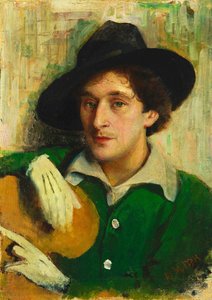
1887–1985, Valgevene
Marc Chagall
Varane elu, pere ja haridus Marc Chagall ilmub maailma 7. juilhel 1887 Vitebskis, Vene Imperiaalis, sündides nimega Moishe Segal. Ta on esimene üheks lapsedest väikeses ja vaatlikus juudi peres. Tema elu rütmi määratlevad pidev töö ja väikese mõõdus kaubandus.
Ka Marc Chagall teosed
 Mina ja küla1911
 Valge ristiium1938
 Marc Chagall
Elu maalitud unelmates: Marc Chagalli maailm
Marc Chagall, sündinud Moishe Shagalina 1887. aastal väikses Valgevene linnas Lioznas Vitebski lähedal, ei olnud pelgalt maaler; ta oli värvide poeet, unelmate kootaja ja mälu kroonik. Tema elu,1915
 Linna kohal1918
Essee teemadel Marching
 The Language of Brushstrokes: How Artistic Technique Expresses Emotion and EraExplore the profound connection between artistic technique and emotion. From the heavy impasto of Van Gogh to classical mastery, learn how …
 Dreaming in Color: The 25 Most Iconic Masterpieces by Marc ChagallStep into the dreamlike world of Marc Chagall. Explore 25 iconic masterpieces, from vibrant surrealist tales to soulful folklore. Find insp…
 Marc Chagall’s Masterpieces: Exploring the Magic, Color, and Surrealist Legacy of a Modernist IconEmbark on a journey through the dreamlike masterpieces of Marc Chagall. Explore the profound symbolism and vibrant colors of this Surrealis…